
Choosing the right paint protection for your vehicle depends on your current paint condition, the time you are willing to invest, and your budget. There is no single “best” option among Soft99 polishes, waxes, and ceramic coatings; rather, each serves a distinct purpose. This guide breaks down the functional differences, application requirements, and cost considerations to help you select the method that best aligns with your detailing goals and vehicle needs.
Understanding the Core Differences in Soft99 Paint Protection
Polishes, waxes, and ceramic coatings represent three entirely different stages of paint care. A polish is not a protective layer; instead, it is a corrective treatment designed to restore the paint’s surface. It contains microscopic abrasives that gently level the clear coat, removing fine scratches, swirl marks, oxidation, and water spots. By smoothing out these imperfections, a polish restores paint clarity and prepares the surface for a protective sealant.
Waxes provide a traditional, physical barrier that sits on top of the clear coat. Soft99 is well-known for both natural carnauba waxes and synthetic polymer options, such as those utilizing fluoropolymer technology. These products fill in microscopic paint pores to create a smooth, highly hydrophobic surface that repels water and dirt. Because wax does not chemically bond to the paint, it acts as a temporary sacrificial layer that gradually wears away over time.
Products mentioned in this guide
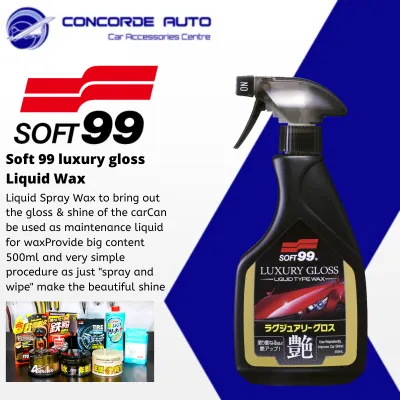
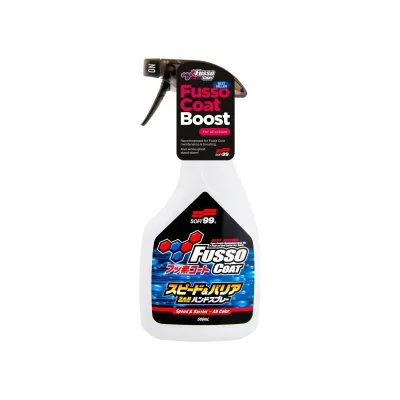
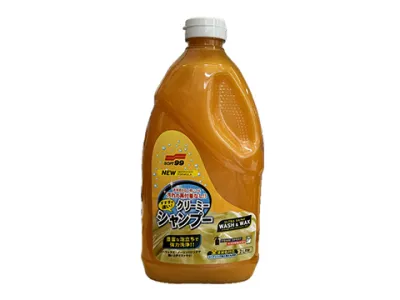
Prices are valid at publication and may change. Please refer to the product page for the latest price.
Ceramic coatings represent an advanced chemical approach to paint protection. These liquid formulas typically use silicon dioxide (SiO2) to establish a semi-permanent chemical bond with the vehicle’s clear coat. Once cured, the coating forms a hard, glass-like crystalline layer that is highly resistant to chemicals, UV rays, and environmental contaminants. Unlike wax, a ceramic coating cannot be washed off by rain or standard detergents, offering a much longer-lasting shield.
Comparing Durability, Application, and Maintenance Requirements
The practical differences between these products become clear when comparing how long they last and the effort required to apply and maintain them. Traditional waxes generally offer protection for several weeks to a few months. Synthetic polymer waxes can extend this durability to several months under ideal conditions. Ceramic coatings are engineered for long-term performance, often lasting from one to two years, though you must always verify the specific product label for estimated durations.

Application effort varies significantly between these categories. Applying a wax is a highly forgiving process that is well-suited for DIY enthusiasts. It involves spreading the product, letting it haze, and buffing it off with a microfiber towel. Ceramic coatings, however, require strict environmental controls and meticulous preparation. They must be applied in a dust-free, shaded environment, and the installer must carefully monitor the “flashing” time before buffing to avoid leaving permanent high spots.
Maintenance routines also differ to preserve the protective qualities of each method. A waxed surface is sensitive to harsh detergents, meaning aggressive pre-washes or traffic film removers can strip the protection away, requiring periodic reapplication. Ceramic coatings are highly chemical-resistant but require pH-neutral maintenance shampoos that do not contain added gloss enhancers or waxes. These specialized shampoos prevent the coating’s microscopic structure from becoming clogged, preserving its hydrophobic properties.
Evaluating Cost and Value for Your Vehicle
When planning your detailing budget, it is important to weigh the initial material costs against the long-term value and time required for upkeep. Traditional waxes and polishes are highly cost-effective upfront. A typical can of synthetic wax or bottle of polish may range from S$20 to S$60 depending on the retailer in Singapore, and a single container can last for dozens of applications. This makes waxing an excellent, low-barrier option for regular maintenance.
DIY ceramic coating kits are more expensive, with prices often starting from S$50 to over S$150. If you choose to have a professional detailer apply a high-grade ceramic coating, the service can cost hundreds of dollars due to the intensive labor involved. However, the long-term value of a coating is found in the time saved. A coating reduces the frequency of detailing sessions, meaning you spend less time washing and protecting your vehicle over a multi-year period.
The current condition of your vehicle’s paint also impacts the overall project cost. Applying a ceramic coating over swirled or oxidized paint will lock in those defects beneath the cured glass layer. Therefore, older or neglected vehicles must undergo a thorough polishing process first. If you do not already own a machine polisher, pads, and compounds, you will need to factor these tools into your budget, or consider the cost of professional paint correction.
Decision Framework: Which Soft99 Method Fits Your Needs?
Selecting the right product depends on matching your vehicle’s current condition with your personal detailing preferences and budget.
- Choose Polish if: Your vehicle's paint looks dull, feels rough, or has visible swirl marks and light scratches. Polishing is a corrective step that must be performed to restore the paint's clarity before you apply any final protective layer.
- Choose Wax if: You are working with a limited budget, enjoy the hands-on process of detailing your car every few months, or do not have access to a covered garage to perform a complex coating application.
- Choose Ceramic Coating if: You prioritize maximum durability, chemical resistance, and ease of routine washing, and you are prepared to invest the necessary time and effort into thorough paint preparation.
- Verify first if: Your vehicle's clear coat is severely degraded, peeling, or showing signs of clear coat failure. In these situations, polishing can strip away the remaining clear coat, and coatings will not adhere properly. Consult a professional detailer for a paint depth assessment before proceeding.
By evaluating these factors, you can avoid unnecessary expenses and achieve the best possible finish. For instance, applying a premium ceramic coating to a daily driver parked outdoors without proper paint correction will not yield the desired results, whereas a high-quality synthetic wax might offer a more practical and satisfying outcome for your specific situation.
Essential Preparation and Safety Checks Before Application
Proper surface preparation is critical to ensure that your chosen wax or ceramic coating bonds correctly to the paint. Standard washing only removes loose dirt, leaving behind bonded contaminants like brake dust, road tar, and tree sap. To achieve a bare surface, use an iron remover followed by a clay bar treatment with a dedicated lubricant. For ceramic coatings, a final wipe-down with an isopropyl alcohol (IPA) prep spray is necessary to remove any remaining polishing oils.
Always verify the specific product instructions on the Soft99 label before starting the application. Different formulas have unique requirements for curing times, application temperatures, and wiping techniques. For example, synthetic waxes may require a dry surface, while some coatings have very narrow flashing windows depending on ambient humidity. Following the manufacturer’s guidelines precisely prevents application errors and ensures optimal performance.
Detailing carries inherent risks to your vehicle’s clear coat if safety boundaries are ignored. If you notice the paint color transferring onto your polishing pad during machine polishing, stop immediately, as this indicates you have buffed through the clear coat. If abnormal hazing, spotting, or uneven curing occurs during a coating application, halt the process. When in doubt about paint thickness or application safety, consult a qualified professional detailer.
Frequently Asked Questions (FAQ)
Can I apply Soft99 ceramic coating over existing wax?
No, ceramic coatings cannot be applied over an existing layer of wax. Ceramic coatings require a completely bare clear coat to establish a proper chemical bond. If applied over wax, the coating will bond to the temporary wax layer instead of the paint, causing it to wash off quickly and fail prematurely. Always use a wax-stripping shampoo or an isopropyl alcohol prep spray to remove all old waxes and oils before applying a coating.
Does polishing remove the clear coat?
Yes, polishing works by using microscopic abrasives to gently level the clear coat, which removes a very thin layer of paint to eliminate scratches and swirl marks. Because the clear coat is finite, excessive or aggressive machine polishing can eventually wear it down completely. To protect your paint, always check the abrasive grade of your polish, use the least aggressive pad and compound combination that achieves the desired result, and avoid repeatedly polishing the same area.
How do I know if my car needs polishing before waxing or coating?
You can determine if your paint requires polishing through a visual inspection and a simple physical test. Park your vehicle under direct sunlight or a bright LED light to check for fine swirl marks, light scratches, or a dull finish. To check for bonded contaminants, wash and dry your car, place your hand inside a clean plastic sandwich bag, and gently slide it over the paint. If the surface feels rough or bumpy, it contains embedded contaminants that require claying and light polishing to restore a smooth surface.
Community discussion
Share your experience or ask a question. Comments are reviewed before publication.