
Every car owner wants to maintain that pristine, showroom-level gloss, but keeping a vehicle’s paintwork protected requires choosing the right defensive barrier. The debate between using a high-performance synthetic sealant like Soft99 Fusso Wax and investing in a semi-permanent ceramic coating is one of the most common dilemmas in the detailing community. Both options promise to shield your vehicle from environmental damage and deliver hydrophobic water-beading action, yet they operate on entirely different levels of chemistry, cost, and physical effort.
Understanding how these two paint protection methods compare is essential for aligning your car care routine with your lifestyle. While one offers an accessible, highly satisfying DIY experience, the other provides a long-term, hardened shield that minimizes weekly maintenance. By analyzing their protective qualities, application demands, and performance under harsh environmental conditions, you can make an informed decision that preserves both your car’s resale value and your personal weekend time.
Quick Answer: Which Paint Protection Should You Choose?
The choice between Soft99 Fusso Wax and a ceramic coating ultimately depends on three practical factors: your budget, your willingness to perform regular hands-on maintenance, and your long-term expectations for paint protection. There is no single superior option, as each serves a distinct type of car owner and detailing philosophy.
Products mentioned in this guide
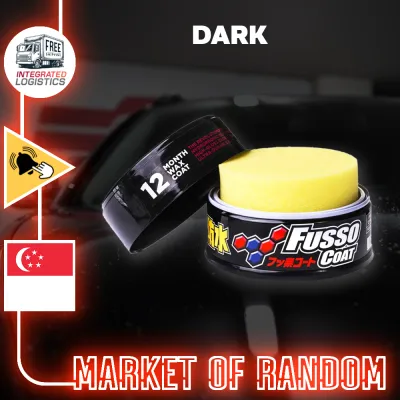
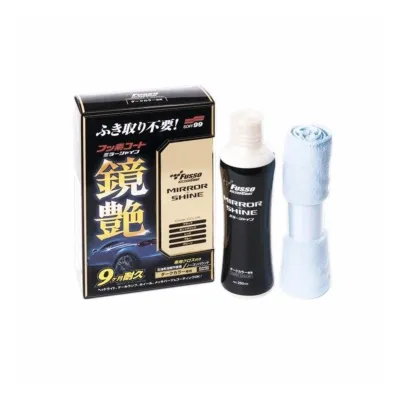
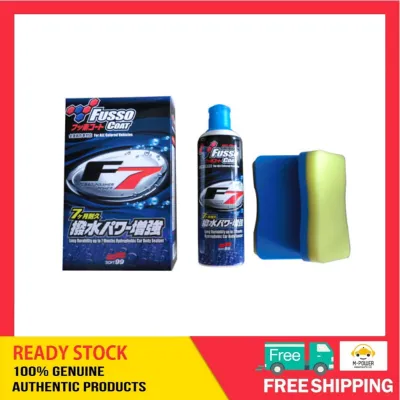
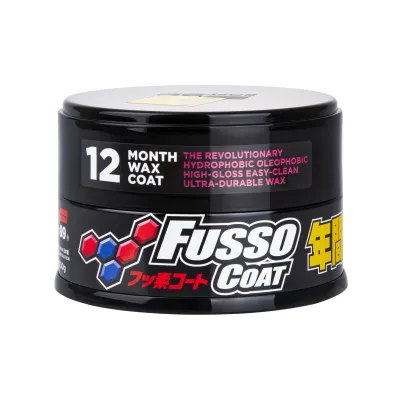
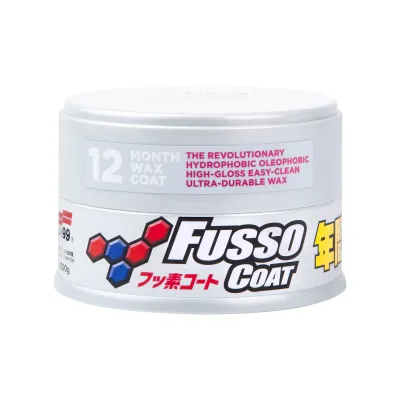
Prices are valid at publication and may change. Please refer to the product page for the latest price.
Choose Soft99 Fusso Wax if:
- Detailing Hobbyist: You enjoy spending your weekends engaged in hands-on car care and find the process of washing, waxing, and buffing your vehicle rewarding.
- Budget-Conscious: You want exceptional hydrophobic performance and a deep, glossy finish without spending hundreds or thousands of dollars upfront.
- Regular Maintenance: You do not mind reapplying a fresh layer of protection every few months to maintain optimal water-beading and paint slickness.
- Minor Paint Imperfections: You are working with a vehicle that has minor paint defects that you do not wish to spend money correcting with professional machine polishing.
Choose Ceramic Coating if:
- Set-and-Forget: You prefer a long-term paint protection solution that keeps your car easier to clean for several years with minimal effort.
- Maximum Chemical Shielding: You want the highest possible resistance against chemical etching from bird droppings, tree sap, and industrial fallout.
- Willing to Invest Upfront: You are willing to invest a significant upfront cost for professional paint preparation, correction, and application.
- Flawless Base Paint: You own a new or newly polished vehicle and want to lock in that flawless finish under a durable, semi-permanent glass-like barrier.
Protection Level and Durability Compared
To choose the right product, you must first understand how each defensive layer physically interacts with your car’s clear coat. While both options create a hydrophobic surface that repels water and contaminants, their chemical structures dictate how long they can withstand the elements before breaking down.

Soft99 Fusso Wax: Gloss and Water Beading
Soft99 Fusso Wax is a highly regarded synthetic sealant formulated with fluoropolymers (often referred to as PTFE or Teflon-like technology). Unlike traditional carnauba waxes, which are organic and melt at relatively low temperatures, these synthetic polymers form a highly resilient, low-surface-energy film over the clear coat. This chemical structure is what gives Fusso Wax its legendary hydrophobic properties, causing rainwater to bead up into tight, high-contact-angle droplets that easily slide off the panels when the vehicle is in motion.
In addition to repelling water, Fusso Wax excels at filling minor micro-scratches and swirl marks, which helps restore a smooth, reflective surface that enhances the paint’s visual depth and gloss. However, it is important to remember that any wax or sealant acts as a sacrificial barrier. Over time, exposure to alkaline or acidic wash chemicals, road grime, and friction from physical washing will gradually degrade this synthetic layer.
While the manufacturer’s packaging may highlight a specific lifespan under controlled laboratory conditions, real-world durability is measured in months rather than years. Depending on whether you choose the solid paste or liquid formulation, and whether you select the light or dark paint variant, the actual protective lifespan will vary. Owners should always consult the specific product label and instructions for application guidelines to maximize the product’s durability, as improper surface preparation can significantly shorten its effective lifespan.
Ceramic Coating: Chemical Resistance and Long-Term Shield
Ceramic coatings represent a technological leap in paint protection, utilizing liquid silicon dioxide (SiO2) or silicon carbide (SiC) polymers. When applied to a clean, bare clear coat, these liquid nano-particles chemically bond with the porous structure of the paintwork. As the carrier solvents evaporate, the coating cures into an incredibly hard, microscopic glass-like layer that is physically integrated with the vehicle’s surface.
This chemical bond provides a level of protection that no wax can match. Ceramic coatings are highly resistant to extreme temperatures and chemical substances across a wide pH spectrum. This means that acidic environmental hazards, such as bird droppings, squashed insects, and tree sap, are much less likely to etch through the coating and damage the underlying clear coat. Furthermore, the hard barrier offers a minor degree of resistance against very light wash-induced marring, keeping the paint looking newer for longer.
The primary advantage of a ceramic coating is its long-term durability, which is measured in years. Because it does not wash off or degrade under standard cleaning chemicals, it remains on the vehicle through hundreds of wash cycles. However, the exact longevity of a ceramic coating depends heavily on the grade of the product used—ranging from entry-level consumer kits to professional-only formulas—and the owner’s commitment to regular maintenance. Without proper washing to remove bonded contaminants, the microscopic pores of the coating can clog, causing it to temporarily lose its hydrophobic properties even though the protective layer remains intact.
Cost and Application Effort: DIY vs Professional
The differences in durability and protection are directly reflected in the financial investment and physical labor required to apply these products. Understanding what goes into the application process will help you determine which option fits your budget and physical capability.
DIY Waxing: Low Cost, High Elbow Grease
One of the most appealing aspects of Soft99 Fusso Wax is its exceptional cost-to-performance ratio. A single tin of Fusso Wax typically costs a modest amount—often under S$50—and contains enough product to coat a vehicle dozens of times. Aside from the wax itself, the only other tools required are a few high-quality microfiber towels and a foam applicator pad, making it an incredibly accessible entry point for car enthusiasts.
However, what you save in financial cost, you pay for in physical labor. Applying Fusso Wax requires a systematic, multi-step preparation process to ensure the synthetic polymers can properly adhere to the paint. The vehicle must be thoroughly washed, chemically decontaminated to remove iron particles, and ideally clay-barred to remove embedded road grime. Once the paint is clean and completely dry, the wax must be applied in extremely thin, even coats, working on one panel at a time.
The real physical challenge lies in the buffing stage. Fusso Wax must be allowed to haze or “flash” according to the manufacturer’s instructions, which varies depending on the ambient temperature. If you wait too long before buffing, the synthetic polymers cure into a stubborn, sticky residue that requires substantial effort and elbow grease to wipe away. If applied too thickly, it can leave behind unsightly white streaks and cloudy patches known as shadowing, requiring a tedious re-application to correct. For detailing enthusiasts, this physical process is often viewed as a therapeutic weekend hobby, but for the average car owner, it can quickly feel like an exhausting, repetitive chore.
Professional Ceramic Coating: Higher Investment, Strict Prep
In contrast, a professional ceramic coating is a premium service that requires a significant upfront financial investment, often running into hundreds or thousands of SGD. This higher price tag is not primarily driven by the cost of the coating liquid itself, but rather by the extensive, highly skilled labor required to prepare the paintwork before the coating is applied.
Because a ceramic coating forms a semi-permanent, transparent bond, it acts like a magnifying glass over your vehicle’s paint. Any existing swirl marks, light scratches, water spots, or oxidation will be locked beneath the cured ceramic layer, making them impossible to remove without polishing off the coating itself. Therefore, professional detailers must perform a meticulous multi-stage paint correction process—using rotary or dual-action machine polishers—to refine the clear coat to a flawless, mirror-like finish. Once the paint is corrected, the surface must be wiped down with an isopropyl alcohol (IPA) panel prep solution to remove any polishing oils, ensuring a completely bare surface for chemical bonding.
While DIY ceramic coating kits are available on the market at a lower price point, they carry a high risk of application errors for inexperienced users. Ceramic coatings flash very quickly once applied to a panel. If the excess product is not buffed off at the precise moment, it cures into uneven, dark patches known as “high spots.” Removing a cured high spot is incredibly difficult and typically requires using a machine polisher to physically abrade the coating away, turning a minor mistake into a time-consuming correction process. For this reason, most car owners find that the peace of mind and flawless results of a professional application are well worth the premium cost.
Navigating Singapore's Tropical Climate With Your Choice
The local environment plays a massive role in how paint protection products perform over time. In Singapore, vehicles are subjected to a challenging tropical climate characterized by intense, year-round ultraviolet (UV) radiation, high humidity, frequent heavy downpours, and dense urban pollution.
Under the scorching equatorial sun, the surface temperature of a car’s metal panels can easily exceed 60 degrees Celsius when parked in an open carpark. This extreme heat accelerates the degradation of traditional organic waxes and can even cause synthetic sealants like Fusso Wax to break down faster than they would in cooler climates. High humidity also affects the application process itself, as it can alter the flash times of waxes and coatings, making them trickier to buff off cleanly. Furthermore, frequent tropical rainstorms carry atmospheric pollutants and industrial fallout, which can mix with road grime to form a highly abrasive film on your paintwork.
While Soft99 Fusso Wax is highly resilient compared to standard carnauba waxes, you should expect to reapply it more frequently—typically every three to four months—if your vehicle is parked outdoors in Singapore’s harsh conditions. On the other hand, a high-quality ceramic coating is far better suited to withstand this intense UV exposure and thermal stress without degrading. However, ceramic coatings are not entirely impervious to Singapore’s unique challenges. The combination of mineral-rich rainwater and rapid drying under the hot sun can lead to water spotting on horizontal panels like the bonnet and roof. To prevent these minerals from baking into the coating, owners must still commit to regular, safe washing routines, even with a ceramic shield installed.
Side-by-Side Comparison Summary
To help you quickly evaluate the key differences between these two popular paint protection options, the table below outlines their core characteristics and requirements.
| Feature | Soft99 Fusso Wax | Ceramic Coating |
|---|---|---|
| Primary Benefit | Deep gloss, extreme water beading, cost-effective | Long-term chemical resistance, ease of washing, UV shield |
| Expected Durability | Months (requires periodic reapplication) | Years (semi-permanent chemical bond) |
| Upfront Cost | Low (budget-friendly DIY purchase) | High (premium professional service or specialized DIY kit) |
| Application Difficulty | Moderate (requires physical buffing and precise timing) | High (requires professional paint correction and precise curing) |
| Paint Prep Required | Basic (wash, chemical decontamination, optional clay) | Extensive (multi-stage machine polishing and panel wipe) |
| Chemical Resistance | Moderate (withstands mild soaps and road salts) | High (withstands harsh chemicals across wide pH range) |
Final Decision Framework: Matching Protection to Your Routine
Choosing the right paint protection is ultimately about matching the product’s characteristics to your personal car care routine, budget, and long-term ownership plans.
If you view car washing as a relaxing weekend activity and enjoy the immediate gratification of seeing water bead off a freshly waxed surface, Soft99 Fusso Wax is an exceptional choice. It provides near-ceramic levels of water repellency and a gorgeous glossy finish for a fraction of the cost, making it perfect for budget-conscious enthusiasts who do not mind the physical effort of regular reapplication.
Conversely, if you want to protect a brand-new vehicle, plan to keep your car for many years, or simply want to make your weekly washes as quick and effortless as possible, investing in a professional ceramic coating is the superior route. The long-term chemical resistance and UV protection are unmatched, providing a durable shield that preserves your paintwork against the harsh tropical elements.
For those who find themselves caught in the middle—desiring better durability than traditional wax but unable to commit to the high cost of a professional ceramic coating—there are excellent modern alternatives. DIY ceramic spray sealants or graphene-infused quick detailers offer a user-friendly middle ground. These spray-on, wipe-off products provide several months of robust protection and impressive hydrophobic performance with a fraction of the application effort required by paste waxes.
Regardless of which paint protection path you choose, it is vital to remember that neither option makes your vehicle maintenance-free. To prevent inflicting new swirl marks and scratches, you must always practice safe washing techniques. This includes using the classic two-bucket wash method with grit guards, a high-quality pH-neutral car shampoo, and clean, plush microfiber wash mitts and drying towels. Proper maintenance is the ultimate key to keeping your protective layer—and your paintwork—looking pristine for years to come.
Frequently Asked Questions (FAQ)
Can I apply ceramic coating over Fusso Wax?
No, you cannot apply a ceramic coating over Soft99 Fusso Wax or any other wax or sealant. Ceramic coatings require a completely bare, clean clear coat to chemically bond with the paint fibers. Any existing wax layer will act as a physical barrier, preventing the coating from adhering properly and causing it to fail and wash off almost immediately. Before applying a ceramic coating, all existing waxes and sealants must be thoroughly stripped using a dedicated paint prep wash or an isopropyl alcohol (IPA) wipe.
Does ceramic coating make my car scratch-proof?
No, ceramic coatings do not make your car scratch-proof. While they cure to a high level of hardness that provides minor resistance against very fine wash marring and light swirl marks, they cannot protect your paint from physical impacts. A ceramic coating will not prevent rock chips, deep key scratches, or parking lot scrapes. If your primary goal is robust protection against physical impacts and road debris, you should look into installing Paint Protection Film (PPF), which is a thick, self-healing urethane barrier designed specifically for impact resistance.
Community discussion
Share your experience or ask a question. Comments are reviewed before publication.