
Quick Answer: The Core Impact of Tropical Climates
Singapore’s year-round tropical climate presents unique challenges for smart car diffusers. High cabin temperatures, which can easily exceed 60°C when a vehicle is parked in direct sunlight, significantly accelerate the evaporation rate of fragrance oils, leading to rapid scent depletion. At the same time, intense heat puts thermal stress on internal electronics and lithium-ion batteries, potentially compromising their safety and lifespan.
Furthermore, high relative humidity levels—often exceeding 80%—can interfere with ultrasonic mist dispersion and affect the accuracy of sensitive smart sensors. To ensure consistent performance and protect your vehicle’s interior, it is essential to understand how these environmental factors interact with your device and to select a model engineered to withstand tropical conditions.
How Extreme Cabin Heat Impacts Hardware and Safety
Leaving any electronic device inside a parked car under the intense tropical sun carries inherent risks. When a vehicle is parked in an open-air car park, the cabin acts as a greenhouse, trapping solar radiation and raising internal temperatures far above the ambient outdoor temperature. For a smart car diffuser equipped with a built-in lithium-ion battery, this extreme heat is a primary safety concern. High temperatures can cause lithium batteries to degrade prematurely, swell, or in rare cases of extreme thermal stress, suffer from thermal runaway. Always consult the manufacturer’s documentation to verify the maximum safe operating and storage temperatures for any battery-powered device.
Products mentioned in this guide
![[SG🇸🇬Stocks] Smart Car Humidifier Aromatherapy Diffusers - AD001](https://img.lazcdn.com/g/p/37ffdef5fea2597e45cff404d428e885.jpg_400x400q80.jpg_.webp)
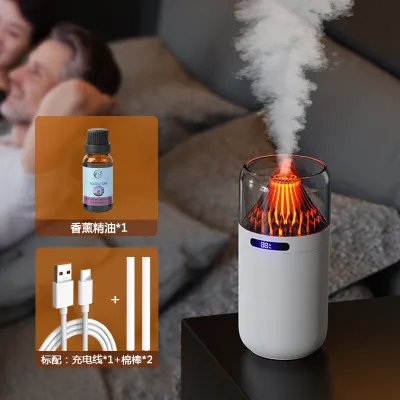
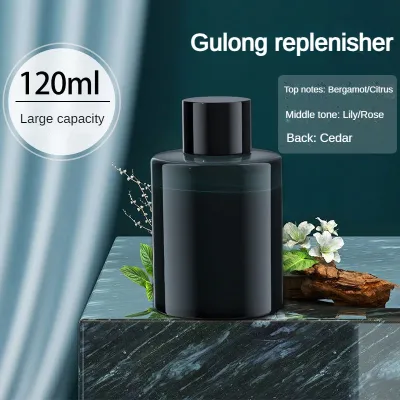
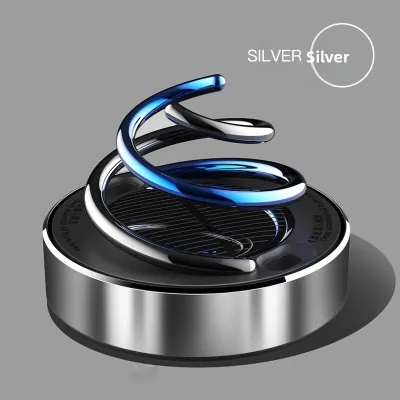

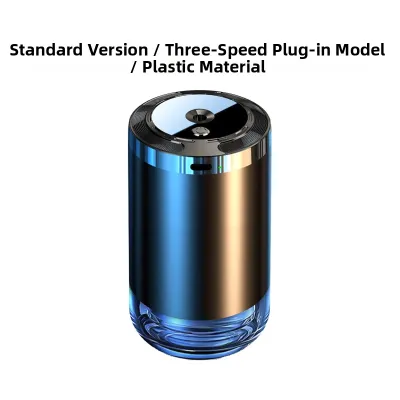
Prices are valid at publication and may change. Please refer to the product page for the latest price.

Beyond the battery, the physical structure of the diffuser is also vulnerable to thermal damage. Many consumer-grade diffusers are constructed from standard ABS plastics that can warp, discolor, or become brittle when exposed to prolonged heat and UV radiation. Internal components, such as the silicone seals and rubber gaskets designed to keep the fragrance oil contained, can dry out and crack over time. When these seals fail, highly concentrated fragrance oils can leak directly onto the internal circuit boards, causing permanent electrical failure or creating a sticky, difficult-to-clean mess inside your center console.
To maintain a safe cabin environment, establish clear safety boundaries. If you must park your vehicle in an unshaded area for several hours, consider removing the smart diffuser from the dashboard and placing it in a cooler, shaded area like the glove compartment or under the seat. Better yet, take the device with you if it contains a high-capacity battery. Regularly inspect the device for signs of heat stress, such as a bulging outer casing, sticky residue around the seams, or erratic power cycles. Prioritizing models with built-in safety features, such as automatic thermal shutoff or battery-free designs that run directly off USB power, can significantly mitigate these risks.
Temperature and Humidity Effects on Scent Longevity
The physical behavior of fragrance oils changes dramatically under different environmental conditions. Elevated temperatures increase the kinetic energy of the liquid molecules, causing them to volatilize and evaporate at a much faster rate. In a hot car cabin, this means that even when your smart car diffuser is turned off, the ambient heat causes passive evaporation of the fragrance oil from the nozzle or cartridge. Consequently, a scent cartridge designed to last up to sixty days in a temperate climate may deplete in less than half that time when subjected to daily tropical heat.
High relative humidity further complicates how scent disperses throughout your vehicle. When the air is heavily saturated with moisture, the micro-droplets of mist emitted by an ultrasonic smart diffuser struggle to remain airborne. Instead of dispersing evenly to create a subtle background aroma, the heavy, moisture-laden mist tends to settle quickly onto nearby surfaces, potentially leaving a damp, oily residue on your dashboard, gear shifter, or leather upholstery. Additionally, high humidity alters your olfactory perception; damp air can make heavy, sweet, or musky fragrance notes feel intensely cloying and overwhelming, which often leads to rapid olfactory fatigue or mild headaches during long drives.
To counteract these climate-induced effects, you must adjust how you use your device. Rather than running the diffuser on a continuous setting, utilize the smart programming features to set an intermittent diffusion schedule. For example, configuring the device to release a brief burst of mist for a few seconds at wider intervals helps maintain a consistent scent profile without overloading the cabin or wasting oil. Many smart diffusers feature companion mobile applications that allow you to fine-tune the mist volume; lowering the intensity during the hottest midday hours is an effective way to preserve your fragrance oil while keeping the scent subtle and pleasant.
Essential Specifications to Verify Before Purchasing
Selecting a smart car diffuser that can reliably handle a tropical climate requires looking past aesthetic designs and focusing on technical specifications. Before making a purchase, carefully review the product’s technical data sheet or user manual to verify its rated operating and storage temperature ranges. A robust automotive accessory should be rated to withstand storage temperatures of up to 60°C or 70°C without risk of structural or electrical damage. If a manufacturer does not disclose these temperature limits, it is safer to assume the device is designed for indoor domestic use rather than the harsh environment of a parked car.
Power delivery is another critical specification to evaluate. Battery-free smart diffusers that rely entirely on a direct USB connection or a 12V auxiliary power outlet are generally the safest and most reliable choice for hot climates. By eliminating the internal lithium-ion battery, you remove the primary risk of thermal degradation and swelling. If you do choose a cordless, rechargeable model, ensure the battery has undergone rigorous safety testing and carries recognized international certifications. Additionally, verify that the device features an intelligent auto-sleep mode that cuts power completely when the vehicle is stationary, preventing the battery from draining and the oil from evaporating while the car is parked.
Furthermore, pay close attention to sensor calibration and fragrance compatibility. Smart diffusers often utilize built-in motion or vibration sensors to automatically activate when you start driving. In high-humidity environments, cheap or poorly sealed sensors can suffer from moisture ingress, leading to erratic behavior such as failing to turn off when the car is parked or refusing to activate when driving. Look for devices that specify moisture-resistant or automotive-grade sensor housings. Finally, check the manufacturer’s guidelines regarding fragrance oil viscosity. Ultrasonic atomizers require oils of a specific thickness to function correctly; using oils that are too thick can clog the nozzle, while oils that are too thin may leak under high temperatures.
Maintenance and Usage Adjustments for Daily Driving
Regular maintenance and smart placement are key to extending the lifespan of your smart car diffuser and ensuring a consistent fragrance experience. Avoid mounting the device on top of your dashboard or clipping it to the windshield-facing air vents, as these areas receive the most intense, direct solar radiation. Instead, place the diffuser in a cup holder, on a lower console shelf, or mount it to a rear-facing air vent. These positions shield the device’s plastic housing and electronic sensors from direct UV rays, keeping it in a slightly cooler microclimate within the cabin.
High humidity combined with atomized oils creates a prime environment for dust, lint, and moisture to form a sticky residue over the diffuser’s nozzle. To prevent clogging and maintain a fine mist, establish a bi-weekly cleaning routine. Turn off and unplug the device, then use a clean cotton swab lightly moistened with isopropyl alcohol to gently wipe the ultrasonic atomizing plate. This simple step removes dried oil buildup and mineral deposits that can restrict mist flow. Never submerge the electronic base in water or use harsh household detergents, as these can damage the delicate internal seals and electronic components.
Finally, adapt your storage habits to match your parking situation. If you plan to leave your vehicle parked in an open-air lot for several days—such as when you are traveling or during long holiday weekends—do not leave the diffuser inside the cabin. Remove the fragrance cartridge, seal it tightly with its original cap to prevent passive evaporation, and store the electronic base indoors. Taking a few moments to protect your investment from prolonged thermal exposure ensures that your smart car diffuser remains fully functional and ready to deliver a fresh, pleasant driving experience when you return to the road.
Frequently Asked Questions (FAQ)
Can I leave my smart car diffuser in the car overnight?
Yes, you can generally leave a smart car diffuser in your vehicle overnight, but you must take precautions against humidity. While nighttime temperatures are significantly lower than daytime peaks, relative humidity levels in Singapore often rise close to 100% overnight. This high humidity can cause condensation to form on the vehicle’s interior surfaces and inside the device itself. To protect the electronics, ensure the device is turned off completely. Placing the diffuser inside a closed glove compartment or center console overnight can help shield it from direct exposure to damp air and airborne moisture.
Will high humidity damage the electronic sensors?
High humidity can damage electronic sensors if the device lacks adequate moisture protection. Prolonged exposure to damp air can lead to micro-condensation on the sensor lenses or internal circuit boards, resulting in erratic behavior such as continuous misting, failure to detect vehicle motion, or Bluetooth connectivity drops. When shopping for a smart car diffuser, look for models that specify moisture resistance or carry an IP (Ingress Protection) rating. If you suspect moisture has affected your device, bring it into an air-conditioned room for 24 hours to allow any internal condensation to evaporate completely before using it again.
Do I need to use a different type of fragrance oil in hot weather?
It is highly recommended to use automotive-grade or heat-stable fragrance formulations rather than standard essential oils. Standard essential oils, particularly cold-pressed citrus oils, have low flash points and high volatility, meaning they will evaporate very quickly in a hot car and may degrade or change scent profile under high heat. Automotive-grade fragrance oils are specifically formulated with carrier solvents that resist rapid thermal evaporation and maintain their structural integrity at higher temperatures. Avoid using DIY oil mixtures or adding water to the reservoir, as water-based mixtures can promote bacterial growth in humid climates and clog the ultrasonic nozzle.
Community discussion
Share your experience or ask a question. Comments are reviewed before publication.