
Upgrading your vehicle’s head unit with a modern car display screen is one of the most effective ways to modernise an older ride. However, before shopping for features like Apple CarPlay or high-resolution touch panels, you must address a fundamental physical constraint: whether your dashboard requires a Single-DIN or a Double-DIN unit. The answer depends entirely on the physical dimensions of your existing factory radio slot. Choosing the wrong size leads to compatibility issues, dashboard damage, or expensive professional modifications that might compromise your vehicle’s structural safety. Understanding this distinction is the first step toward a successful audio upgrade.
Quick Answer: How to Know Which DIN Size Fits Your Car
Determining which size of car display screen fits your dashboard is a matter of physical measurement rather than personal preference. The easiest way to identify your vehicle’s requirement is to examine the height of the factory radio currently installed in your center console.
If your factory radio is approximately 2 inches (50 mm) tall, your vehicle is equipped with a Single-DIN slot. If the radio or the factory display screen is approximately 4 inches (100 mm) tall, your dashboard features a Double-DIN slot.
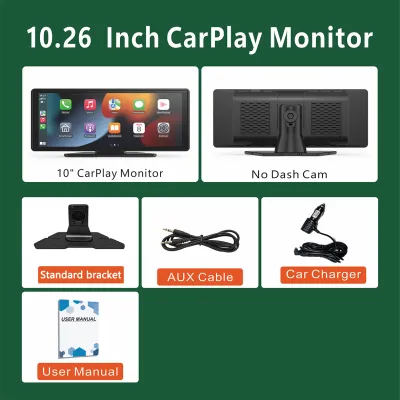
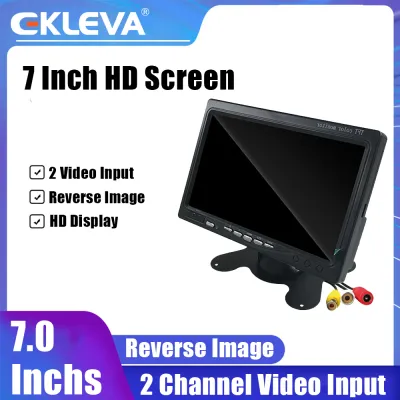
Products mentioned in this guide
![[SG Local Seller] 7 Inch/7inch TFT LED LCD Screen Monitor Digital 800W*RGB*480H for Vehicle Reverse Car Monitor with 2 AV/RCA/BNC Inputs (Support:9-36Voltage)](https://img.lazcdn.com/g/p/c79cf59ff2ee38559992820210650948.png_400x400q80.png_.webp)
Prices are valid at publication and may change. Please refer to the product page for the latest price.
While some dashboards feature a 4-inch opening occupied by a 2-inch radio and a plastic storage pocket underneath, others are strictly limited to a 2-inch slot. If your dashboard has a strict 2-inch opening, installing a standard Double-DIN screen is generally impractical and unsafe. It requires extensive cutting of the dashboard’s internal subframe, which can weaken the center console structure or interfere with essential components behind the panel. For the vast majority of drivers, the existing physical chassis size of the factory radio is the ultimate deciding factor for an aftermarket upgrade.
The DIN Standard: Physical Dimensions Explained
The term “DIN” originates from the Deutsches Institut für Normung (the German Institute for Standardization), which established a universal standard for car radio head units in 1984. This standardization was widely adopted by automotive manufacturers globally to ensure that aftermarket radios could fit seamlessly across different car makes and models without custom fabrication.

Under this standard, both Single-DIN and Double-DIN units share the exact same width. The standard width is approximately 7 inches (180 mm). This uniform width ensures that regardless of whether you choose a compact unit or a massive multimedia system, the horizontal clearance required within the dashboard remains identical.
The key distinction lies entirely in the height of the chassis. A Single-DIN unit features a height of exactly 2 inches (50 mm). In contrast, a Double-DIN unit is exactly twice as tall, measuring 4 inches (100 mm) in height.
When shopping for a modern car display screen, it is crucial to understand that marketing terms like “multimedia receiver,” “infotainment system,” or “floating screen” do not alter these underlying physical chassis limits. Even if an aftermarket screen features a massive 10-inch display that hovers in front of the dashboard, the metal chassis that slides into the dash must still conform to either the 2-inch or 4-inch DIN standard to secure safely inside the mounting sleeve.
Dashboard Compatibility: Measuring and Verifying Your Fit
To avoid purchasing an incompatible car display screen, you must perform a precise physical assessment of your dashboard. Do not rely solely on online compatibility databases, as trim levels and regional specifications can vary significantly, especially for parallel-imported vehicles in markets like Singapore.
To measure your dashboard accurately, use a plastic trim removal tool to gently pop off any outer cosmetic bezels surrounding the radio. Once the underlying structure is visible, use a precise measuring tape or calliper to measure the height and width of the actual metal radio opening, rather than the outer plastic trim. The opening should closely match either the 50 mm or 100 mm standard. Additionally, measure the mounting depth behind the radio. Modern touchscreen units with shallow chassis designs require less depth, but older vehicles or those with dense wiring bundles require at least 150 mm to 180 mm of depth to accommodate the unit and its associated wiring harnesses.
Achieving a seamless, factory-like finish almost always requires a vehicle-specific fascia plate (also known as a dash kit). These plastic plates bridge the gap between the rectangular aftermarket car display screen and the unique, often curved contours of your car’s dashboard. Furthermore, you will need a vehicle-specific wiring harness adapter. This adapter plugs directly into your car’s factory wiring plug on one end and connects to the aftermarket screen’s harness on the other, preventing the need to cut or splice your vehicle’s original electrical wires.
Modern vehicle dashboards present unique complexities that go beyond simple measurements. Many vehicles manufactured in the last decade feature highly integrated infotainment systems where the radio controls are physically combined with climate control buttons, hazard light switches, or passenger airbag warning lights. In these vehicles, replacing the radio with a standard DIN unit is highly complex and sometimes impossible without a specialized integration module. These modules translate the digital signals from your vehicle’s computer network (CAN bus) to keep these integrated systems functional. Always consult your vehicle’s service manual or a professional car audio installer before purchasing to verify if your dashboard’s internal structural supports and electronic architecture can safely accommodate an aftermarket screen.
Feature Comparison: Screen Real Estate and Smart Integration
While the physical dimensions of your dashboard dictate which chassis size you must buy, the choice between Single-DIN and Double-DIN profoundly influences your daily driving experience. The physical size of the unit determines how you interact with navigation maps, manage media playback, and view safety-critical feeds like reverse cameras while keeping your focus on the road.
Single-DIN Displays: Compact Chassis, Flexible Screens
For vehicles limited to a 2-inch dashboard slot, a Single-DIN car display screen offers a versatile solution. Many modern Single-DIN units feature motorized, flip-out, or slide-out touchscreens. When the car is turned on, the screen mechanically emerges from the slim chassis and flips upward to provide a full-sized 7-inch to 9-inch display.
This design is incredibly beneficial for older or compact cars where dashboard space is highly restricted, allowing drivers to enjoy modern smartphone integration without permanent dashboard modifications. Additionally, some Single-DIN models feature fixed, “floating” screens that mount to the front of the 2-inch chassis, offering a modern tablet-style aesthetic.
However, these flexible screens come with distinct mechanical and practical drawbacks. Motorized screens contain delicate moving gears and ribbon cables that are inherently more prone to wear and tear over time, especially when exposed to the high cabin temperatures common in tropical climates like Singapore. Furthermore, depending on your vehicle’s dashboard layout, a flipped-up or floating screen can physically block essential controls, such as your air conditioning vents, hazard light button, or climate control dials. If you do not require a large touch interface, fixed-screen Single-DIN units with basic physical buttons and Bluetooth connectivity remain an excellent, highly reliable alternative. Prices for these units can range from S$100 for basic models to over S$800 for premium motorized systems.
Double-DIN Displays: Large Fixed Screens for Smart Features
If your dashboard accommodates a 4-inch tall opening, a Double-DIN car display screen is almost always the superior choice. These units feature large, fixed touchscreens ranging from 7 inches to over 10 inches, providing ample screen real estate without any moving mechanical parts to wear out.
The primary advantage of a Double-DIN screen is its superior ergonomics and safety. The larger display allows for bigger, highly legible icons, making it significantly easier and safer to tap virtual buttons for navigation or media control while driving. This spacious layout is ideal for running advanced smartphone integration platforms like Apple CarPlay and Android Auto, where split-screen views can display navigation maps and media controls simultaneously. It also provides a much clearer, high-resolution view of reverse camera feeds and parking guidelines.
From an aesthetic standpoint, Double-DIN units offer a highly integrated, premium look. When paired with a high-quality fascia plate, a Double-DIN screen sits flush within the center console, mimicking the appearance of a factory-installed luxury infotainment system. The main limitation is physical: they simply cannot be installed in vehicles with a strict 2-inch height restriction without major, potentially dangerous structural modifications to the dashboard. Premium Double-DIN units from reputable manufacturers typically range from S$300 to over S$1,200 depending on features like high-resolution audio processing, wireless smartphone integration, and capacitive touch panels.
Installation Safety and Vehicle System Integration
Upgrading your car display screen involves complex electrical work and physical modifications that directly impact vehicle safety and structural integrity. Before undertaking any installation, it is vital to establish strict safety boundaries. Never cut, shave, or modify the metal subframe or structural supports behind your dashboard to force a larger screen to fit. These metal braces are engineered to absorb impact energy during a collision and maintain the structural integrity of the passenger cabin. Additionally, ensure that the placement of a floating or motorized screen does not obstruct the deployment path of the passenger-side airbag or block your clear view of the road.
Replacing a factory head unit also introduces significant risks to your vehicle’s integrated electronic systems. In modern cars, the factory radio is not an isolated component; it is a node on the vehicle’s CAN bus network. Removing it without the proper integration adapters can disable steering wheel audio controls, factory backup cameras, parking sensors, tire pressure monitoring alerts, or even your climate control display. To maintain these vital safety and convenience features, you must use specialized CAN bus interface modules designed specifically for your vehicle’s make, model, and year.
Electrical safety is another critical concern. Improperly spliced wires can lead to electrical short circuits, blown fuses, or severe parasitic battery drain that can leave you stranded. When wiring an aftermarket car display screen, always refer to the vehicle’s official wiring diagram and the aftermarket unit’s installation manual. If you encounter conflicting instructions—such as mismatched wire colors or ambiguous power connections—stop immediately and consult a qualified automotive electrician.
Due to these complexities, professional installation is strongly recommended for any vehicle with multiplex wiring, integrated factory amplifiers, or complex dashboard configurations. A certified professional installer has the specialized tools, diagnostic equipment, and expertise to ensure that your new screen is safely integrated without voiding your vehicle’s warranty or compromising its safety systems.
Decision Framework: Choose Single-DIN or Double-DIN?
To finalise your decision and ensure a successful upgrade, evaluate your vehicle’s physical layout and your personal technology needs against this conditional framework:
- Choose Single-DIN if: Your dashboard opening is strictly 2 inches (50 mm) tall, you drive an older or compact vehicle, and you are willing to use a motorized flip-out screen or a floating display to access smart features. Alternatively, choose a traditional Single-DIN if you only require basic Bluetooth audio and physical button controls.
- Choose Double-DIN if: Your dashboard has a native 4-inch (100 mm) tall opening, you want a highly stable, fixed touchscreen with no moving parts, and your primary goal is seamless smartphone integration, clear navigation, and high-resolution reverse camera viewing with a factory-like aesthetic.
- Verify first if: Your vehicle features highly integrated climate controls, steering wheel buttons, proprietary factory amplifiers, or a non-standard dashboard shape. In these scenarios, check your vehicle's service manual and consult a professional installer to identify the exact CAN bus adapters or vehicle-specific custom dash kits required before purchasing any universal screen.
Frequently Asked Questions (FAQ)
Upgrading a car display screen often raises specific technical questions regarding dashboard modification and electrical safety. Here are answers to the most common queries.
Can I force a Double-DIN screen into a Single-DIN slot?
No, you should highly avoid attempting to force a Double-DIN screen into a physical Single-DIN slot. Doing so requires cutting the dashboard’s internal metal structural supports and plastic subframe, which can severely compromise the structural integrity of your center console. It also risks damaging underlying HVAC ductwork, wiring harnesses, or safety sensors located directly behind the dash. If your car is strictly limited to a Single-DIN slot but you desire a large touchscreen experience, you should look for a Single-DIN unit that features a motorized flip-out screen or an adjustable external floating screen designed to mount securely into a 2-inch chassis.
Will an aftermarket car display screen drain my car battery?
A properly installed aftermarket car display screen will not drain your vehicle’s battery. However, parasitic battery drain is a common consequence of incorrect electrical wiring. This typically occurs when the installer mistakenly connects both the constant 12V power wire (which maintains memory settings) and the switched 12V accessory wire (which turns the unit on and off with the ignition) to a constant power source. This keeps the screen’s internal processor fully active even when the vehicle is parked and locked. To prevent this, always use a vehicle-specific wiring harness adapter that maps the wires correctly, and verify the electrical draw with a multimeter if you suspect a parasitic drain.
Community discussion
Share your experience or ask a question. Comments are reviewed before publication.