
Choosing the right car CD player depends entirely on the physical dimensions of your vehicle’s dashboard opening. The automotive industry relies on a standard German standard known as DIN (Deutsches Institut für Normung) to ensure compatibility across different manufacturers. A Single DIN slot measures approximately 180 mm wide by 50 mm high, representing the traditional narrow stereo format. A Double DIN slot shares the same 180 mm width but stands twice as tall at approximately 100 mm.
While aftermarket adapters and mounting kits can help bridge physical gaps, the actual metal cavity behind your dashboard trim dictates the maximum size you can install without undertaking extensive custom modifications. If your vehicle features a factory-installed Single DIN slot, you are generally limited to Single DIN replacements unless you are prepared to modify the dashboard structure. Conversely, if your vehicle has a Double DIN opening, you have the flexibility to install either a Double DIN unit or a Single DIN unit using a pocket adapter to fill the remaining space.
Understanding these physical boundaries is the first step toward upgrading your car audio system. Before purchasing a new car CD player, you must verify your vehicle’s specific dashboard configuration, depth limitations, and wiring requirements to ensure a seamless installation.
Products mentioned in this guide
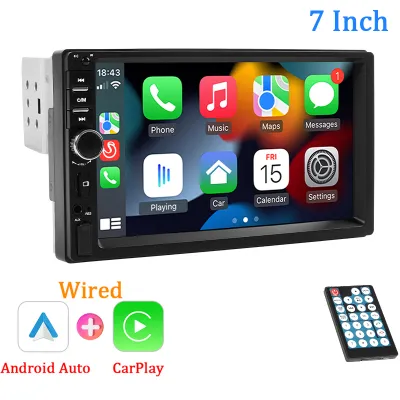
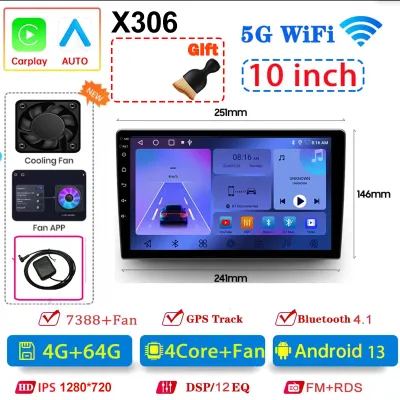
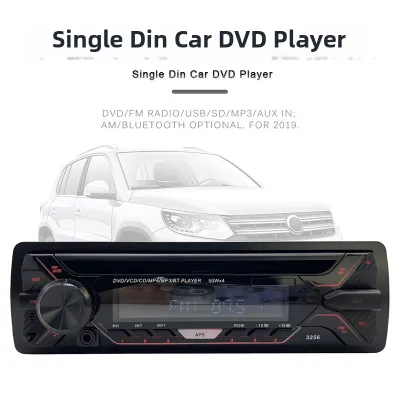
Prices are valid at publication and may change. Please refer to the product page for the latest price.
How to Measure Your Dashboard Opening for a Car CD Player
To guarantee a precise fit, you must measure the actual physical opening of your dashboard rather than relying solely on the visible plastic trim. Many modern vehicles feature integrated factory stereos with oversized, curved faceplates that mask a standard DIN-sized chassis underneath. Accessing this inner cavity requires careful disassembly of the surrounding dashboard components.
Before beginning any work on your vehicle’s electrical system, always disconnect the negative terminal of the car battery. This simple safety precaution prevents accidental short circuits, blown fuses, or the unexpected deployment of nearby airbag modules. Once the electrical system is safe, use non-marring plastic trim removal tools to gently pry the decorative bezel away from the dashboard. Avoid using metal screwdrivers or butter knives, as these will easily gouge the soft plastic and vinyl surfaces of your interior.
With the trim removed, locate the mounting screws or bolts securing the factory head unit to the internal metal sub-frame. These are typically 7 mm or 8 mm hex bolts, though some vehicles use Phillips screws or specialized Torx fasteners. Remove these fasteners carefully, ensuring they do not drop into the dark recesses of the dashboard. Gently slide the factory stereo forward to expose the rear connections, then unplug the main wiring harnesses and the AM/FM antenna cable.
Now that the dashboard cavity is clear, use a precise measuring tape or caliper to measure the height and width of the metal mounting bracket or the inner chassis opening. A standard Single DIN opening will measure approximately 180 mm in width and 50 mm in height, while a Double DIN opening will measure 180 mm in width and 100 mm in height. If your measurements differ by more than a few millimeters, your vehicle likely requires a vehicle-specific dash kit to adapt the proprietary factory opening to standard DIN dimensions.
In addition to height and width, you must measure the available mounting depth inside the dashboard cavity. Slide your tape measure into the slot until it contacts the back of the cavity, noting any obstructions such as HVAC ducting, metal structural braces, or thick factory wiring bundles. Car CD players require a deeper mounting cavity than digital media receivers because the physical CD transport mechanism occupies significant physical space, typically requiring at least 150 mm to 180 mm of clearance. If your dashboard depth is restricted, you may need to route wiring harnesses carefully to the side to prevent them from being pinched behind the new head unit. If the internal structure of your dashboard is complex or unclear, consult your vehicle’s official service manual or seek assistance from a qualified professional installer.
Feature Trade-Offs: Screen Size, Controls, and Connectivity
Choosing between a Single DIN and a Double DIN car CD player involves weighing several functional, ergonomic, and aesthetic trade-offs. The most obvious difference lies in the display capabilities of each form factor. Single DIN units are physically constrained by their 50 mm height, meaning they typically rely on simple one-line or two-line segmented text displays to show track numbers, radio frequencies, and basic menu options. While some premium Single DIN models feature motorized flip-out touchscreens, these mechanical systems introduce moving parts that can wear out over time and may obstruct dashboard vents or controls when extended.

In contrast, Double DIN car CD players offer a spacious 100 mm tall faceplate, allowing manufacturers to integrate large, high-resolution touchscreen displays. These screens make it significantly easier to navigate complex music libraries, view album art, and interact with modern smartphone integration interfaces. Furthermore, a larger screen provides a dedicated display for a backup camera, which is a valuable safety upgrade for older vehicles.
Ergonomics and physical controls also differ dramatically between the two sizes. Because Single DIN faceplates have limited surface area, their buttons are often small, closely spaced, and difficult to operate accurately while driving. This compact layout can lead to accidental button presses and increased driver distraction. Double DIN units, on the other hand, benefit from more generous spacing, allowing for larger, clearly labeled buttons and, in many cases, a dedicated physical volume knob. A physical knob is widely considered safer and more intuitive to use while keeping your eyes on the road compared to tapping a touchscreen or holding down tiny volume buttons.
When it comes to connectivity and internal hardware, a larger chassis does not automatically guarantee superior audio performance or higher power output. Both Single DIN and Double DIN head units typically utilize similar internal chip amplifiers, which generally deliver between 15 and 22 watts RMS per channel. However, the larger rear panel of a Double DIN chassis provides more physical space for advanced connectivity options. This includes multiple sets of high-voltage RCA pre-amplifier outputs for external amplifiers, dedicated video inputs and outputs, HDMI ports, and larger cooling fans to dissipate heat from the internal circuitry. If you plan to build a complex aftermarket audio system with multiple amplifiers and subwoofers, verify the specific pre-out configuration on the product’s specification sheet rather than assuming a larger chassis size translates to better connectivity.
Installation Considerations and Dashboard Modifications
Installing an aftermarket car CD player rarely involves a simple slide-in process; most vehicles require specific installation accessories to achieve a secure fit and a factory-finished appearance. Dash kits, also known as fascia adapters, are designed to bridge the gap between the standard rectangular DIN chassis and the unique, often curved shape of your vehicle’s dashboard. If you are installing a Single DIN unit into a Double DIN opening, you will need a specialized dash kit that includes a built-in storage pocket to fill the empty space below or above the new stereo.
Attempting to install a Double DIN unit into a vehicle originally designed with a Single DIN slot is a much more complex undertaking. This process often requires permanent modifications to your vehicle’s dashboard, such as cutting away internal plastic sub-frames, relocating climate control panels, or moving passenger airbag warning lights. These structural modifications carry significant risks, as cutting the wrong support bracket can weaken the dashboard assembly, cause persistent rattles, or interfere with the safe operation of your vehicle’s HVAC system. If your vehicle’s dashboard requires structural cutting or component relocation to accommodate a Double DIN unit, it is highly recommended to consult a professional car audio fabricator rather than attempting a DIY installation.
Electrical compatibility is another critical factor during installation. Modern vehicles rely on complex multiplexed wiring networks, such as CAN-bus systems, to communicate between the engine computer, dashboard instruments, and factory radio. Cutting or splicing into these wires directly can disrupt these communication networks, potentially triggering warning lights or disabling factory features like steering wheel controls, door chimes, and retained accessory power. To avoid these issues, always use a vehicle-specific wiring harness adapter that plugs directly into your car’s factory connector on one end and splices onto the aftermarket CD player’s harness on the other.
If your vehicle features steering wheel audio controls, you will likely need a dedicated steering wheel control interface module to retain this functionality with your new head unit. This module translates the signals from your steering wheel buttons into commands that the aftermarket CD player can understand. Before purchasing any installation accessories, verify the wiring pinouts and compatibility of the harness adapter against your specific vehicle make, model, and trim level to ensure all electrical systems function safely and correctly.
Decision Framework: Which Form Factor Should You Choose?
To finalize your decision, you must balance your vehicle’s physical limitations with your personal preferences and budget. The following framework is designed to help you select the ideal form factor for your specific situation.
You should choose a Single DIN car CD player if your vehicle’s dashboard is physically limited to a narrow 50 mm slot and you want to avoid complex, irreversible modifications. Single DIN units are also excellent if you prefer a traditional, distraction-free interface with physical buttons, or if you want to utilize the extra space of a Double DIN opening for a practical storage pocket. Additionally, Single DIN models are often more budget-friendly, allowing you to allocate more of your audio budget toward high-quality speakers or an external amplifier.
You should choose a Double DIN car CD player if your vehicle has a spacious 100 mm opening and you want to take advantage of modern touchscreen technology. This form factor is ideal if you prioritize a large, easy-to-read display for navigation, media playback, and backup camera integration. Double DIN units also offer superior ergonomics with larger controls, making them more comfortable and safer to operate while driving.
Before making your final purchase, always perform three essential verification steps. First, measure the mounting depth inside your dashboard to ensure the physical CD player chassis will fit without hitting internal obstructions. Second, confirm the availability of a vehicle-specific dash kit and wiring harness adapter for your exact make, model, and year. Finally, if your installation requires modifying the dashboard structure or relocating factory controls, evaluate whether you have the necessary tools and experience or if you should budget for professional installation.
Frequently Asked Questions (FAQ)
Can I install a Double DIN car CD player in a Single DIN slot?
Installing a Double DIN unit into a dedicated Single DIN slot is generally not recommended because it requires extensive physical modifications to your dashboard. You would need to cut away internal plastic supports, modify the outer dashboard trim, and potentially relocate vital components like climate controls or hazard light switches. This level of customization requires specialized fabrication tools and experience to ensure the structural integrity and aesthetics of your dashboard are maintained. For most vehicles with a Single DIN slot, it is safer and more practical to stick with a Single DIN head unit or use a Single DIN model with a motorized flip-out screen if you desire a larger display.
Do I need a special wiring harness for a Double DIN unit?
The wiring harness you need is determined by your vehicle’s specific make, model, and year, rather than the DIN size of the aftermarket CD player. Both Single DIN and Double DIN aftermarket stereos use standard wire color codes for power, ground, and speaker connections. A vehicle-specific wiring harness adapter acts as a bridge, allowing you to connect the aftermarket stereo’s wiring to your car’s factory plugs without cutting any original wires. Always check the compatibility of the wiring harness adapter with your specific vehicle’s trim level, as premium factory sound systems with built-in amplifiers often require specialized integration harnesses.
Will a Single DIN flip-out screen block my climate controls?
A motorized flip-out screen on a Single DIN unit can easily obstruct dashboard components located directly above or below the stereo slot. When the screen extends and flips upward, it may block access to your climate control dials, air conditioning vents, hazard light buttons, or storage cubbies. Before purchasing a flip-out unit, measure the clearance around your dashboard slot and consider the angle at which the screen will sit when fully deployed. Some models allow you to adjust the tilt angle of the screen to minimize obstruction, but you must verify that this adjustment is sufficient to maintain safe access to all essential vehicle controls.
Community discussion
Share your experience or ask a question. Comments are reviewed before publication.