
You should never use Singer sewing machine oil as a substitute for automotive motor oil or heavy-duty engine lubricant. Doing so will almost certainly result in catastrophic engine failure, severe mechanical damage, and complete engine seizure within minutes of operation. While both substances are classified as lubricants, they are engineered for entirely different mechanical environments, operating temperatures, and load profiles. Substituting one for the other ignores the fundamental physics of lubrication and the extreme demands of modern internal combustion engines.
Singer sewing machine oil is designed for low-load, low-temperature applications like the delicate gears of household sewing equipment. It is a highly refined, lightweight mineral oil formulated to prevent fabric staining and resist gumming. In contrast, automotive motor oil is a highly engineered fluid designed to withstand extreme pressures, intense shear forces, and temperatures exceeding several hundred degrees Celsius inside an engine.
Using the wrong oil strips an engine of its primary defense: the pressurized fluid barrier that keeps metal components from grinding together. Substituting a light household lubricant for motor oil is not a temporary fix; it is a direct path to destroying an engine. Understanding the chemical and mechanical differences between these fluids highlights why they can never be interchanged.
Products mentioned in this guide
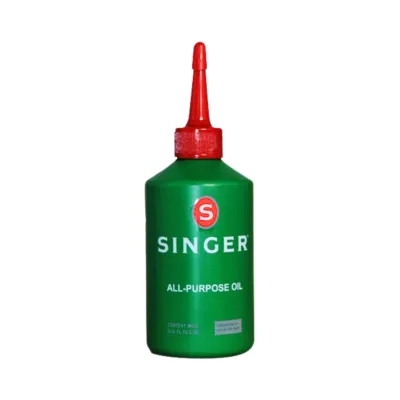
146 Lazada user ratings
Always keep a few spares at home, useful product!
fiund the product good & meet my specs
ABSOLUTELY MARVELOUS AND FANTASTICO 🌹🌹
it's gd in any ways
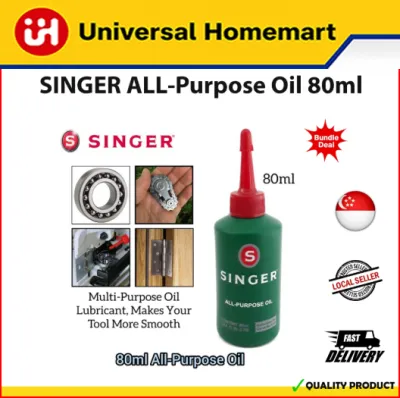
9 Lazada user ratings
Fast delivery within few days. Received in good condition.
item received in good condition👍👍👍👍❤️🩹❤️🩹
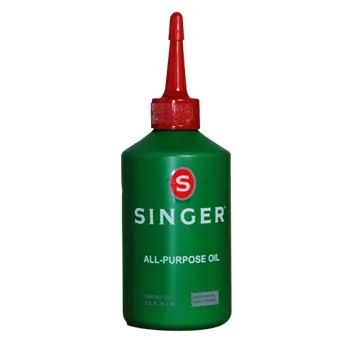
9 Lazada user ratings
Received the product without any damage or leakage. Thanks for sending this product quickly in well packed condition. Hope that this all pur…Read full reviewShow less
Received the product without any damage or leakage. Thanks for sending this product quickly in well packed condition. Hope that this all purpose oil will help my bike to get better life.
Minimal packaging waste. Product delivered in good condition. Value for money. Can use it to lubricate other metal joints in the house.
Excellent just as advertised
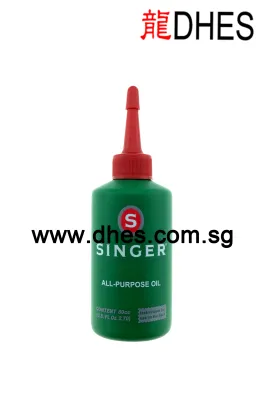
1 Lazada user ratings
Quality: Appearance: Performance:
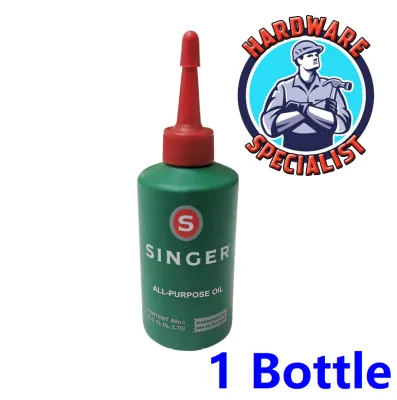
44 Lazada user ratings
Delivery: Super fast! I was really impressed by how quickly the package arrived. Packaging: Decent and secure. As seen in the image, the ite…Read full reviewShow less
Delivery: Super fast! I was really impressed by how quickly the package arrived. Packaging: Decent and secure. As seen in the image, the items were neatly bundled, and the applicator bottles were individually plastic-wrapped to prevent any leaks during transit. Items: Received the Scotch Super Glue gel/liquid dispensers and the fine-tip applicator bottles in perfect, brand-new condition.
oil made from indonesia and has expiry date. fyi, using so long, this oil no expiry and keep away from sunlight.
Comes in 3 small bottles. Cheap and useful to apply onto any squeaking rusty hinges, wheels.
Item has been received in good condition. Should be good as this is an old brand.
received as described. haven't try yet. hopefully works. thanks seller
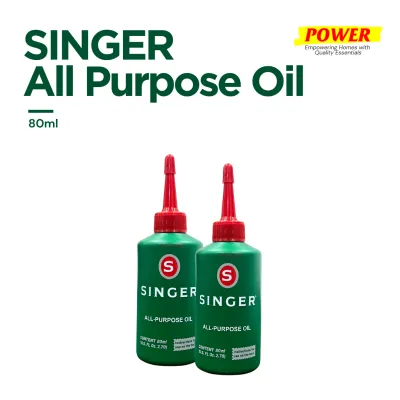
12 Lazada user ratings
multi purpose oil for multiple purposes such as lubricating window, door hinges, bicycle chain. fast delivery and well wrapped. Fun fact is …Read full reviewShow less
multi purpose oil for multiple purposes such as lubricating window, door hinges, bicycle chain. fast delivery and well wrapped. Fun fact is each bottle weights exactly 80grams.
Versatile household lubricant, Mineral-based lubricant oil, Safe for various metal parts, Long-lasting lubrication,
Lubricates bicycles and motors, Multipurpose lubricant for sewing machines,
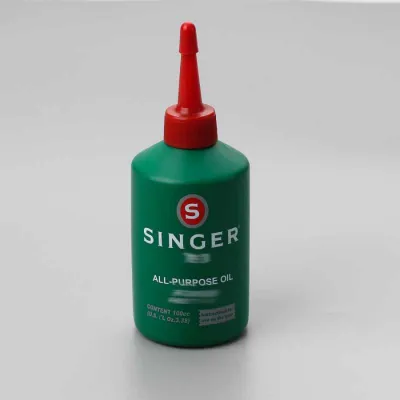
1 Lazada user ratings
I haven't used the product yet but I arrived in good condition. Thank you seller and Lazada.
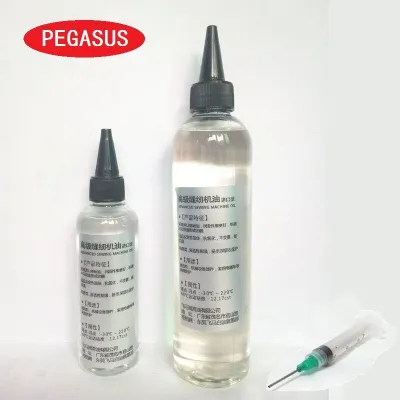
Prices are valid at publication and may change. Please refer to the product page for the latest price.
Critical Differences in a Singer Oil Comparison
Viscosity is the measure of a fluid’s resistance to flow, and it is the single most critical property of any lubricant. Automotive engines require a specific viscosity grade—such as 0W-20, 5W-30, or 10W-40—to maintain a stable hydrodynamic film between moving parts like the crankshaft, camshaft, and cylinder walls. Singer sewing machine oil is an extremely low-viscosity fluid, often comparable to an ISO VG 10 or 15 grade, which is far thinner than even the lightest modern motor oils. Under the immense mechanical loads and tight tolerances of an engine, this thin oil cannot maintain a protective barrier, allowing metal surfaces to make direct contact.
Another critical factor is the Viscosity Index (VI). Motor oils use viscosity index improvers—special polymers that expand as temperature rises—to prevent the oil from thinning out too quickly. Singer sewing machine oil is a single-grade mineral oil with a very low viscosity index. As the engine warms up, it will thin out exponentially, losing what little load-bearing capacity it had at room temperature and leaving the engine completely unprotected.
The thermal demands of an internal combustion engine are exceptionally harsh. Motor oils are formulated to remain stable at operating temperatures that regularly exceed 100 degrees Celsius, with localized temperatures near the piston rings reaching much higher levels. Singer sewing machine oil has a relatively low flash point and lacks the thermal stability required for these conditions. When exposed to the heat of combustion, it will rapidly vaporize, burn off, and break down, leaving behind heavy carbon deposits, varnish, and lacquer that can clog oil passages and stick piston rings.
Modern motor oils contain up to 20% to 30% additives, including detergents, dispersants, anti-wear agents (like ZDDP), and rust inhibitors. Singer sewing machine oil is typically a pure, highly refined mineral oil with virtually no additives. Without these protective chemicals, an engine would quickly succumb to acid corrosion, sludge accumulation, and rapid mechanical wear, even if the oil’s viscosity were somehow sufficient.
Furthermore, the shear stability of automotive lubricants is engineered to resist the physical tearing of oil molecules under high-pressure mechanical action. The long-chain polymers in multi-grade motor oils are designed to survive the constant squeezing and sliding forces inside engine bearings. Sewing machine oil lacks these shear-stable polymers, meaning its already thin structure will degrade even further almost immediately upon entering the high-shear environment of an engine’s lower block.
What Happens if You Put Sewing Machine Oil in Your Car?
If you introduce sewing machine oil into an active engine, the destructive process begins almost immediately. As the oil pump circulates the lightweight fluid, it fails to build adequate oil pressure. The oil pressure sensor on your dashboard will likely trigger a warning light as the pump struggles to maintain pressure with a fluid that is far too thin to resist flow.

Without sufficient viscosity, the oil film between the connecting rod bearings and the crankshaft journals collapses under the force of each combustion stroke. This leads to immediate metal-on-metal contact. The resulting friction generates extreme localized heat, causing the bearings to score, gall, and physically deform within minutes.
Simultaneously, the piston rings will scrape directly against the dry cylinder walls. This causes severe cylinder wall scoring, loss of compression, and massive blow-by of combustion gases into the crankcase. The intense heat will cause the pistons to expand rapidly within the cylinders, further accelerating friction and wear.
The overhead camshafts and valve lifters, located at the top of the engine, are also among the first to suffer. Without a pressurized stream of heavy-duty oil, the cam lobes will grind directly against the lifters. This creates a loud, metallic tapping that quickly escalates to a harsh grinding sound as metal is worn away. These metal shavings are then carried down into the oil pan, acting as an abrasive compound that accelerates the destruction of every other moving part.
The final stage of this progression is complete engine seizure. As the bearings melt and weld themselves to the crankshaft, and the expanded pistons jam tightly inside the scored cylinder bores, the engine will lock up completely. If this happens while driving, it can cause the drive wheels to lock up, throw a connecting rod through the engine block, and create an immediate safety hazard on the road. The resulting damage is irreversible without a complete engine replacement or an incredibly costly rebuild.
Proper Motor Oil Selection and Emergency Alternatives
To avoid these catastrophic outcomes, always consult your vehicle’s owner’s manual to identify the exact oil specifications required for your engine. The manual will specify the correct Society of Automotive Engineers (SAE) viscosity grade, as well as the necessary performance standards established by organizations like the American Petroleum Institute (API) or the European Automobile Manufacturers’ Association (ACEA). Using an oil that meets these precise specifications ensures that your engine remains protected under all operating conditions.
When selecting motor oil, always look for the API donut or the ACEA specification symbols on the back of the bottle. These labels certify that the oil has undergone rigorous testing to prove its ability to resist oxidation, prevent wear, and manage deposits under extreme conditions. Sewing machine oil carries no such certifications, as it is only rated for light machinery. Checking these labels is a simple yet vital step in maintaining your vehicle’s warranty and operational safety.
If you find yourself stranded with a critically low oil level and do not have access to the correct motor oil, do not attempt to use sewing machine oil, cooking oil, or any other household lubricant as a temporary top-up. The safest course of action is to leave the vehicle parked and arrange for a tow to the nearest service station, or walk to a local retailer to purchase a small container of approved automotive motor oil. The cost of a tow or a short delay is a fraction of the price of replacing a seized engine.
In the event that sewing machine oil or any other incorrect fluid has accidentally been poured into your engine’s oil fill cap, do not start the engine under any circumstances. Starting the engine will circulate the contamination throughout the entire lubrication system. Instead, have the vehicle towed directly to a qualified mechanic or service center. The technician will need to perform a complete engine flush, drain the contaminated fluid, replace the oil filter, and refill the system with the correct, manufacturer-approved motor oil before the vehicle can be safely operated.
Frequently Asked Questions (FAQ)
Can I mix sewing machine oil with regular motor oil?
No, you should never mix sewing machine oil with regular motor oil. Adding even a small amount of sewing machine oil to your engine’s crankcase will dilute the existing motor oil, significantly lowering its overall viscosity and compromising its carefully balanced additive package. This dilution reduces the oil’s ability to maintain a protective film under high temperatures and pressures, increasing the risk of accelerated engine wear and localized metal-on-metal contact. Always use only approved automotive motor oils of the correct viscosity grade for top-ups.
Is sewing machine oil the same as multi-purpose household oils?
While both are light household lubricants, Singer sewing machine oil is typically a highly refined, low-viscosity white mineral oil designed specifically not to stain fabrics or gum up delicate, high-precision mechanisms. Multi-purpose household oils may contain different base stocks, light anti-wear additives, or corrosion inhibitors, and they are often slightly more viscous. However, neither of these fluids is formulated to withstand the extreme pressures, chemical byproducts, and high operating temperatures of an internal combustion engine, making both entirely unsuitable for automotive use.
What should I use to lubricate car door hinges instead of motor oil?
For minor automotive lubrication tasks outside the engine, such as door hinges, hood latches, or trunk mechanisms, you should use dedicated automotive lubricants rather than motor oil or sewing machine oil. White lithium grease or high-quality silicone sprays are excellent choices for these applications. They provide long-lasting lubrication, resist water wash-off, and do not attract excessive dust and road grime the way wet motor oil does. Additionally, specialized silicone lubricants are safe for nearby rubber weatherstripping, which can degrade if exposed to petroleum-based motor oils or light household oils.
Community discussion
Share your experience or ask a question. Comments are reviewed before publication.