
To find the right motorcycle grip cover, you must match the material’s physical properties to your specific riding environment, bike type, and hand fatigue levels. There is no single compound that excels in every scenario, meaning your choice will always involve a trade-off between tactile feedback, vibration damping, and longevity.
- Standard rubber compounds are the most versatile choice for riders who need a balanced combination of wet-weather traction, long-term durability, and direct feedback from the front tire.
- Gel-padded or gel-infused grips are highly recommended for riders prioritizing vibration reduction and comfort on long highway journeys, as they help mitigate hand numbness and muscle fatigue.
- Silicone grip covers serve as a lightweight, highly flexible option for custom aesthetics or specific off-road applications, though you must verify the surface texture and manufacturer specs to ensure safety in wet weather.
In a tropical, high-humidity environment like Singapore, where sudden afternoon downpours are common, wet-weather safety is a primary consideration. The choice of material directly affects how securely you can control the throttle, front brake, and clutch when your gloves are soaked. Before purchasing any grip set, always verify the manufacturer’s specifications for compound density, wet traction ratings, and physical dimensions to ensure they match your handlebars.
Understanding the Core Grip Materials
To make an informed decision, you must understand how these materials are manufactured and how their chemical structures behave under real-world riding conditions. Grip covers are not merely cosmetic additions; they are the primary interface between your hands and the motorcycle’s chassis, directly affecting your control and physical fatigue.
Products mentioned in this guide
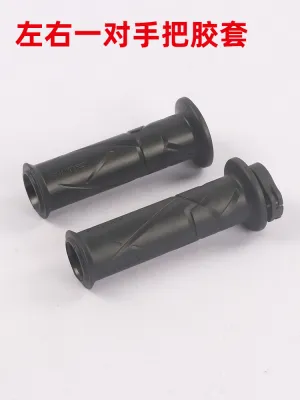
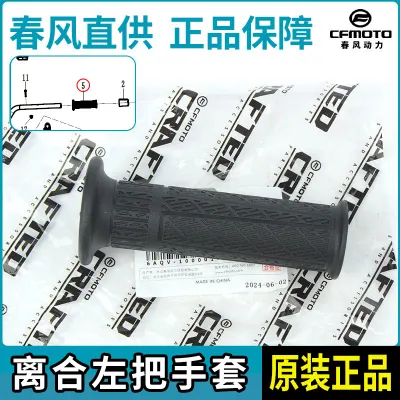
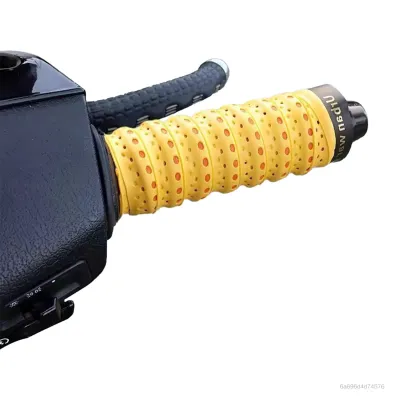
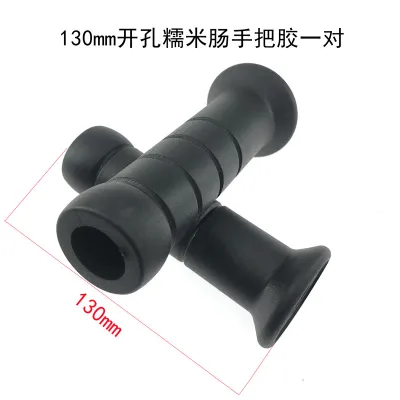
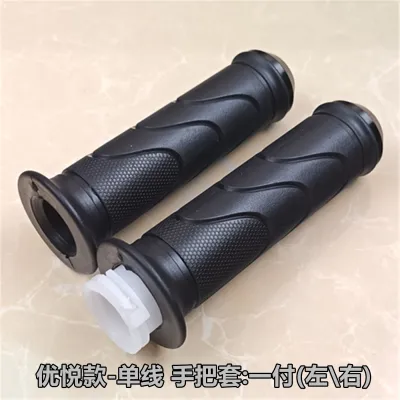
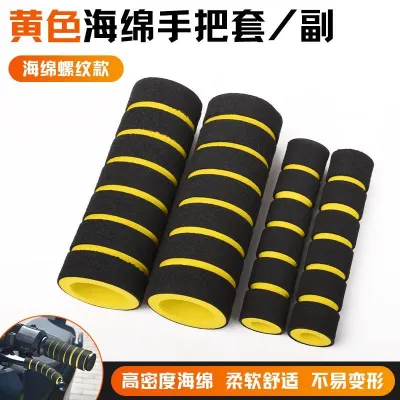
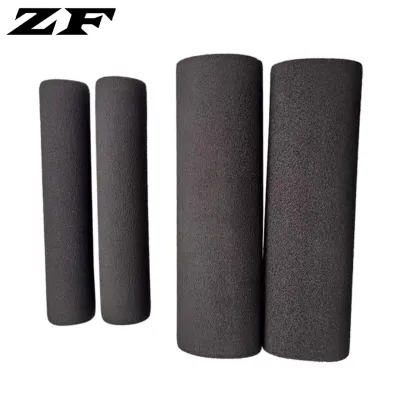
Prices are valid at publication and may change. Please refer to the product page for the latest price.
Silicone Grip Covers
Silicone grip covers are characterized by their high flexibility, relatively low weight, and excellent resistance to environmental degradation. Unlike organic polymers, silicone features a silicon-oxygen backbone that makes it highly stable when exposed to ozone, high temperatures, and intense solar radiation. This material does not dry out, harden, or become sticky over time when exposed to the elements.
However, the physical performance of silicone depends heavily on its surface finish and density. Smooth, untextured silicone grips can become exceptionally slippery when wet, as water forms a lubricating film. If you are considering silicone, you must check the manufacturer’s specifications to ensure the product features molded-in textures or deep grooves designed to channel water away. Additionally, silicone has lower tensile strength than high-grade rubber, making it more susceptible to tearing if snagged on a lever or handguard.
Rubber Grip Covers
Rubber is the traditional industry standard for motorcycle grips, but the term encompasses a vast array of natural and synthetic elastomers. Manufacturers manipulate these compounds to achieve specific durometer ratings, which measure the hardness of the material. A lower durometer indicates a softer, stickier compound that provides excellent immediate grip but wears down quickly, while a higher durometer signifies a harder compound built for longevity and structural stability.
Modern rubber grips often utilize dual-compound or triple-compound construction. In these designs, a hard inner sleeve provides a secure, non-slip bond to the metal handlebar, while a softer outer layer offers comfort and traction for the rider’s palms. When shopping for rubber grips, look for specific compound labels such as “medium-density,” “high-traction elastomer,” or “thermoplastic rubber” (TPR) rather than assuming all rubber grips perform identically. The molded tread pattern is also critical, as it determines how effectively water and road grime are cleared from the contact patch.
Gel-Infused and Gel-Padded Grips
A common misconception among riders is that “gel” grips are constructed entirely from a soft, jelly-like substance. In reality, solid gel would lack the structural integrity required to remain secure on a motorcycle handlebar under heavy steering inputs. Instead, gel-padded grips feature a hybrid construction that combines a durable outer shell with internal inserts made of viscoelastic gel or polyurethane padding.
The outer layer of a gel grip is typically made of a standard synthetic rubber or thermoplastic elastomer to provide the necessary friction, tear resistance, and weatherproofing. The gel layer is strategically positioned beneath this outer skin, usually concentrated around the palm area where the rider exerts the most downward pressure. This design allows the grip to retain its shape and slip resistance on the outside while utilizing the gel’s unique energy-absorbing properties on the inside to isolate the rider’s hands from mechanical vibrations.
Key Comparison Dimensions for Everyday Riders
Evaluating these materials requires looking beyond marketing terms and focusing on measurable performance characteristics. You must weigh how each material handles physical forces, moisture, and environmental wear over hundreds of operating hours.

Comfort and Vibration Damping
Motorcycle engines, particularly single-cylinder and twin-cylinder configurations, produce high-frequency vibrations that travel directly up the fork tubes to the handlebars. Over time, this constant vibration can cause hand numbness, tingling, and loss of grip strength. Gel-infused grips excel at mitigating this specific issue because viscoelastic gel behaves like a semi-liquid, dispersing high-frequency energy laterally throughout the grip body rather than transferring it directly into your palms.
Softer rubber compounds also provide excellent comfort, but they damp vibration through physical compression rather than energy dispersion. While a thick, soft rubber grip feels highly cushioned initially, it can actually contribute to hand fatigue on longer rides. When a grip is too soft, your hand must squeeze harder to maintain a stable throttle position, leading to forearm pump and cramping. To prevent this, riders should look for grips with ergonomic profiles, such as built-in palm swells or flared ends, which support the natural shape of the hand and distribute pressure more evenly across the palm.
Wet and Dry Grip Performance
Traction between your riding gloves and the grip cover is a combination of material friction and mechanical interlocking. In dry conditions, soft silicone and sticky rubber compounds offer exceptional surface friction, allowing you to maintain control with a very light hand grip. However, the presence of water completely alters this dynamic by introducing hydrodynamic lubrication, which can cause your hands to slip during sudden braking or steering maneuvers.
To maintain control in wet conditions, the grip must have a way to displace water. Rubber grips with aggressive, multi-directional tread patterns—such as waffle, diamond, or deep-groove designs—provide channels for water to escape, ensuring that your glove makes direct contact with the rubber ridges. Silicone grips require even more aggressive texturing to achieve the same level of wet-weather safety, as the material itself does not absorb moisture and can feel greasy when wet if it lacks a molded tread. When selecting a grip for wet-weather riding, verify that the tread depth is sufficient and that the compound is formulated to maintain its coefficient of friction when wet.
Durability and Climate Resistance
The climate in which you ride plays a massive role in how quickly your grip covers degrade. In regions with intense sunlight and high ambient temperatures, UV radiation breaks down the polymer chains in standard rubber compounds. This degradation manifests as hardening, cracking, or a sticky, melting texture that leaves black residue on your gloves. While high-quality synthetic rubbers are treated with UV stabilizers, they will eventually lose their elasticity and require replacement.
Silicone is highly superior in terms of pure climate resistance, as its inorganic chemical structure is virtually unaffected by UV rays, ozone, and extreme heat. A silicone grip will maintain its physical flexibility and color for years without drying out or cracking. However, silicone’s weakness lies in its mechanical durability. If a silicone grip is nicked by a sharp object or subjected to constant abrasive friction from heavy leather gloves with external stitching, the small tear can rapidly propagate under tension, causing the grip to split completely. When evaluating durability, consider whether your riding style exposes the grips more to environmental weathering or physical abrasion.
Matching the Material to Your Riding Style
Every riding discipline demands a different balance of feedback, comfort, and control. Choosing the right material requires analyzing your typical journey length, road conditions, and how much feedback you want to receive from your motorcycle’s front suspension.
Daily Commuting and Stop-and-Go Traffic
For the daily commuter navigating urban traffic, reliability and consistent performance are the top priorities. Commuters face a wide range of weather conditions, frequent stop-and-go cycles, and constant physical wear from daily use. In this scenario, a medium-to-high density rubber grip with a deep, multi-directional tread pattern is the most practical choice.
Urban riding requires precise throttle modulation and immediate access to the front brake lever, which means you cannot afford any slippage or lag in your control inputs. A dual-compound rubber grip provides the necessary stiffness at the core to prevent twisting on the throttle tube, while the outer tread pattern ensures your hands stay firmly planted even during sudden tropical downpours. Additionally, high-density rubber resists the abrasive wear of daily commuting, ensuring that the tread pattern does not wear bald within a few months of use.
Long-Distance Touring and Highway Cruising
When your typical ride involves spending hours on the highway at sustained engine speeds, comfort and vibration isolation become far more important than absolute, high-friction grip. Long-distance touring riders are highly susceptible to hand numbness and muscle fatigue, which can slow reaction times and reduce overall riding safety.
For touring, gel-padded grips or ergonomically shaped, soft-compound rubber grips are highly recommended. The internal gel inserts absorb the continuous, high-frequency vibration generated by highway cruising, while the wider, ergonomically contoured body of the grip supports the palm, reducing the amount of grip force required to maintain a steady speed. Many touring riders also benefit from grips designed with integrated throttle bosses or palm rests, which allow you to control the throttle using the weight of your hand rather than a tight grip, further reducing fatigue over hundreds of kilometers.
Aggressive Cornering and Track Riding
Performance-oriented riders, sportbike enthusiasts, and track-day participants require a completely different set of characteristics from their grip covers. In these high-intensity scenarios, direct tactile feedback from the front tire is critical for sensing traction limits and making micro-adjustments to steering angle and body position.
For aggressive riding, you should choose firm, high-density single-compound rubber grips with a low-profile, fine-diamond tread pattern. These grips are designed to be thin and firm, minimizing the amount of material that can deform or squish under heavy steering inputs or hard braking. An overly soft gel or thick silicone grip will mute the feedback traveling through the handlebars, making the front end feel vague and disconnected. Furthermore, firm rubber grips resist rolling or twisting under extreme lateral forces, ensuring that your inputs are transmitted directly and instantly to the motorcycle’s chassis.
Installation Safety and Fitment Verification
Replacing your motorcycle grips is a straightforward maintenance task, but it carries significant safety implications. Because the right grip controls the throttle, any installation error can result in a stuck throttle, delayed deceleration, or complete loss of vehicle control. Before purchasing or installing any aftermarket grip covers, you must verify compatibility with your specific vehicle model, model year, and handlebar diameter.
Most modern motorcycles use either a 22mm (7/8 inch) or a 25.4mm (1 inch) handlebar. It is crucial to note that the left and right grips have different inner diameters; the left grip fits directly onto the metal handlebar, while the right grip has a larger inner diameter to accommodate the plastic throttle tube. Never attempt to force a left-side grip onto a throttle tube, as this will stretch the material excessively, potentially causing it to split or bind against the switchgear housing.
When installing new grips, you must choose the correct mounting method based on the grip design:
- Lock-On Grips: These grips feature a rigid plastic core with integrated aluminum collars and locking screws. They do not require adhesives and are physically clamped to the handlebar. When using lock-on grips, you must verify that the throttle cam interface is compatible with your motorcycle's throttle cable configuration or ride-by-wire system. Always torque the locking screws to the manufacturer's exact specifications to prevent the grip from rotating on the bar.
- Slip-On Grips: These grips rely on friction and specialized adhesives to stay in place. You must use a dedicated motorcycle grip glue or a high-quality aerosol adhesive that is safe for both the grip material and the plastic throttle tube. Never use general-purpose household superglues, as they can degrade the rubber compound or bond so permanently that future removal damages the throttle tube.
Before applying any adhesive, thoroughly clean the handlebar and throttle tube using an authorized solvent, such as isopropyl alcohol, to remove all traces of old glue, grease, and dirt. Once the new grips are installed, slide them fully onto the bars, ensuring they do not push against the handlebar weights or rub against the switchgear housings, which can cause the throttle to stick open.
Finally, before starting the engine or riding the motorcycle, you must perform a physical throttle snap-back test. With the handlebars turned fully to the left, center, and fully to the right, rotate the throttle grip to its wide-open position and release it. The throttle must snap back to the closed position instantly and smoothly in all steering positions. If you feel any binding, resistance, or slow return, do not ride the motorcycle. Inspect the installation immediately, check for interference with bar-end mirrors or handguards, and consult a qualified professional mechanic if the issue persists.
Frequently Asked Questions (FAQ)
Can I install new grip covers over my existing factory grips?
Installing slip-on grip covers directly over your existing factory grips is highly discouraged due to several safety and ergonomic risks. Layering grips significantly increases the outer diameter of the handlebar, which can lead to rapid hand fatigue, muscle cramping, and reduced reach to the brake and clutch levers. More importantly, the outer cover can slip or rotate independently of the inner factory grip, creating a severe safety hazard during throttle operation or sudden steering inputs. For a secure and safe fit, always remove the old grips entirely, clean the mounting surfaces thoroughly, and install the new grips directly onto the bare handlebar and throttle tube.
How do I know when my motorcycle grips need replacing?
Motorcycle grips are standard wear items that degrade over time due to friction, hand pressure, and environmental exposure. You should inspect your grips during regular pre-ride checks for clear physical indicators of wear. Key signs that replacement is necessary include a smoothed-out or bald tread pattern that reduces wet-weather traction, visible cracking or splitting along the edges, and a sticky or gummy texture caused by UV degradation. If the grip can be easily twisted or slid along the handlebar by hand, the adhesive bond has failed, and the grip must be re-secured or replaced immediately to maintain safe control of the vehicle.
Community discussion
Share your experience or ask a question. Comments are reviewed before publication.