
Driving a car with a clogged or failing oil filter can quietly starve your engine of clean lubrication, leading to subtle performance drops or catastrophic internal wear before you even realize there is a problem. You can identify a failing oil filter by watching for dashboard warning lights like the low oil pressure indicator, noticing sluggish acceleration or metallic engine noises, and checking for physical leaks or dark exhaust smoke. While these symptoms often point to a compromised filter, they can also stem from broader oil system issues, making a systematic check essential before rushing to purchase replacement parts.
Understanding how your vehicle behaves when its filtration system is compromised helps you catch issues early. Because the oil filter is responsible for trapping microscopic metal shavings, carbon deposits, and dirt, any restriction in its flow directly impacts how smoothly your engine runs.
What observable symptoms indicate a failing oil filter?
A failing or severely clogged oil filter typically manifests through a drop in engine oil pressure, noticeable performance lag, and physical signs of leakage or contamination. The most immediate warning you are likely to encounter is the dashboard low oil pressure light, which resembles an oil can. When the filter media becomes saturated with debris, it restricts the volume of oil passing through the engine, causing the oil pressure sensor to trigger this alert. If this light illuminates, it indicates that your engine is not receiving the consistent lubrication it requires to prevent metal-on-metal contact.
Products mentioned in this guide
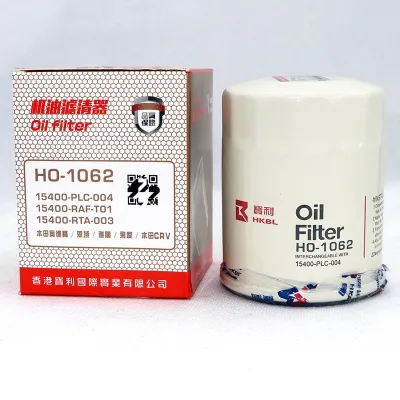
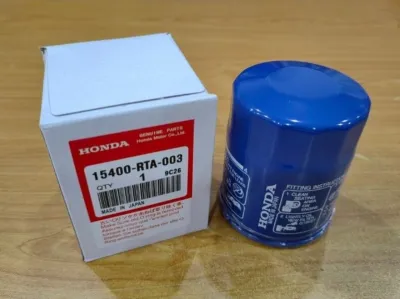
31 Lazada user ratings
Yet to install, fast delivery. Protection can be better as it is shipped using just regular plastic shipping bag. Item is ok with its own bo…Read full reviewShow less
Yet to install, fast delivery. Protection can be better as it is shipped using just regular plastic shipping bag. Item is ok with its own box and internal transparent wrap. It says made by Mahle Tennex Corporation. Will update if any issues encountered after installation.
looka genuine, and the product came very fast in 3 days. local seller. hope it works on my honda jazz!
v fast delivery. have no tried installing yet. box abit dented but contents ok.
delivery fast with good packing, reasonable promotion price.
repeat purchase, original product. good.
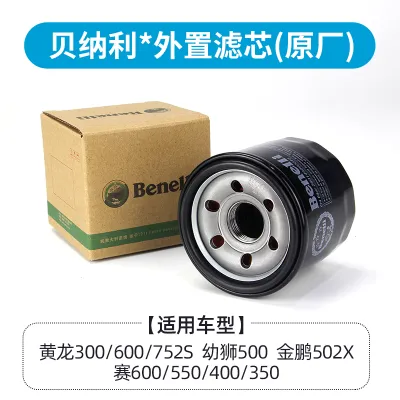

16 Lazada user ratings
Ordered on 27th Sept, received on 6th Oct. Compatible with my cooker hood. Not too thick for my cooker hood. Easy to install.
It's thick and durable, works well, and I'll definitely be back for more next time!
Thickness: Just right Appearance: Very complete Effectiveness: Really good
The quality is really great, a fantastic shopping experience.
Durable and reliable, Oil absorption effective,
27 Lazada user ratings
Received in good condition and in time. The material is thicker compare i bought from other seller. Has magnet supply too. Better abort the …Read full reviewShow less
Received in good condition and in time. The material is thicker compare i bought from other seller. Has magnet supply too. Better abort the oil. Good. will buy again.
🎨Design:good 🛠️Durability:good 🖐️Ease of Application:good Easy to install, High quality paper,
bought on 27 May.... item received in good condition on 5 June
thinner than previous purchase from other merchant.
Good packaging,
Prices are valid at publication and may change. Please refer to the product page for the latest price.
Changes in engine performance also serve as a strong indicator of a compromised filter. You might notice sluggish acceleration, where the vehicle feels heavy or unresponsive when you press the gas pedal, or even occasional engine misfires. As the engine struggles to pump oil through a blocked filter, internal friction increases, raising operating temperatures and reducing overall efficiency. This friction often produces unusual engine noises, such as a metallic ticking, tapping, or knocking sound from the valve train, which indicates that the upper components of the engine are starved of oil.
Visible signs can further confirm your suspicions before you perform any disassembly. A failing filter can cause dirty, dark exhaust smoke to exit the tailpipe, sometimes carrying a distinct burning oil smell if oil is bypassing the filter and entering the combustion chamber. You may also notice oil pooling beneath your vehicle or weeping around the filter housing, which suggests a blown gasket or a cracked canister. Additionally, if you pull the engine dipstick and observe tiny metallic particles or a gritty texture in the oil, the filter has likely stopped trapping contaminants altogether.
It is crucial to distinguish these symptoms from other engine or oil-related issues to avoid unnecessary repairs. For instance, a low oil level due to a slow leak or natural consumption can trigger the same warning lights and engine noises even if the filter is perfectly clean. Similarly, a failing oil pump or a faulty oil pressure sensor can mimic the signs of a clogged filter. Always check your oil level first; if the oil is clean and topped up but the pressure light remains on, the filter or the oil pump is the highly probable culprit.
How do Singapore's driving conditions affect oil filter lifespan?
Singapore’s dense urban environment, characterized by frequent stop-start traffic and high ambient humidity, accelerates oil degradation and forces the oil filter to work harder over shorter distances. Commuting through heavily congested expressways like the CTE or PIE involves prolonged idling and constant deceleration. This type of driving prevents the engine from maintaining its optimal operating temperature for long stretches, which can lead to incomplete fuel combustion and increased moisture accumulation inside the crankcase.
When fuel and moisture mix with engine oil under these low-temperature, high-stress conditions, they accelerate the formation of oil sludge. This thick, gel-like substance quickly coats the internal filter media, reducing its surface area and trapping capacity much faster than it would during steady highway driving. Consequently, a filter operating in a tropical, highly urbanized environment may reach its holding capacity long before a vehicle driven primarily on open, flowing roads.
To maintain engine health, you should adjust your maintenance expectations based on your typical daily route and idling time. If your daily drive consists almost entirely of short trips under five kilometers or crawling through CBD traffic, your vehicle is operating under what manufacturers classify as “severe service” conditions. Under these parameters, relying on standard, long-distance service intervals can result in driving with a saturated filter for thousands of kilometers, making more frequent inspections and changes necessary.
When should you replace the oil filter based on mileage or time?
As a standard preventive practice, you should replace the oil filter during every single engine oil change, which typically occurs every 5,000 to 10,000 kilometers or every six months. Installing a brand-new batch of engine oil while leaving a dirty, saturated filter in place is counterproductive. The remaining dirty oil trapped inside the old filter—along with the accumulated contaminants on the filter media—will immediately mix with and degrade the fresh oil, significantly reducing its lubricating efficiency and lifespan.
To establish a reliable schedule, locate and interpret the specific maintenance intervals in your vehicle’s owner’s manual. Manufacturers usually provide two distinct schedules: a “normal” schedule and a “severe” or “special” operating schedule. Because urban driving, high humidity, and frequent short trips fall squarely under the severe category, you should follow the shorter mileage or time intervals specified for severe service to ensure adequate engine protection.
Relying solely on generic mileage thresholds or advice from online forums without checking your manual can lead to premature wear or unnecessary expenses. Different engine designs, oil capacities, and filter types (such as spin-on canisters versus cartridge filters) have unique flow rates and holding capacities. Checking your manual ensures you use the correct replacement schedule and the exact filter specification designed for your engine’s oil pressure requirements.
What happens if you continue driving with a clogged oil filter?
Driving with a completely clogged oil filter triggers an internal bypass valve that allows unfiltered, dirty oil to circulate directly through your engine to prevent immediate oil starvation. This bypass valve is a critical safety feature designed by manufacturers; it recognizes that circulating dirty oil is better than circulating no oil at all, which would cause the engine to seize within minutes. However, this means that all the abrasive contaminants, carbon deposits, and metal shavings bypass filtration entirely.
As these abrasive particles circulate through the engine, they act like a fine grinding paste on high-tolerance internal components. Over time, this causes severe wear on critical parts such as the crankshaft bearings, pistons, cylinder walls, and camshafts. This wear gradually reduces engine compression, lowers fuel efficiency, and can eventually lead to costly mechanical failures that require a complete engine rebuild.
There is a significant difference between a gradually clogging filter and a sudden structural failure. A gradually clogging filter causes subtle, progressive performance drops, slight increases in fuel consumption, and a slow rise in engine operating temperatures. A sudden structural failure, such as a ruptured filter element or a blown sealing ring, can result in a rapid, catastrophic loss of oil pressure, dumping your engine oil onto the road and causing immediate, irreversible engine damage if the vehicle is not shut down instantly.
How can you verify the oil filter's condition before deciding to replace it?
You can assess the state of your oil filtration system by inspecting the engine oil’s appearance on the dipstick and performing a visual check of the physical filter housing for leaks or structural damage. To check the oil, park your vehicle on level ground, turn off the engine, and wait at least ten minutes for the oil to settle. Pull the dipstick, wipe it clean with a lint-free cloth, reinsert it fully, and pull it out again to examine the oil color, consistency, and level.
Healthy engine oil should be amber to light brown and relatively translucent. If the oil on the dipstick appears pitch black, thick, gritty, or has a strong burnt smell, it indicates that the oil has degraded and the filter is likely saturated and no longer functioning effectively. If you notice a milky, frothy appearance on the dipstick, this suggests coolant contamination, which is a severe engine issue that requires immediate professional attention rather than a simple filter change.
Next, perform a safe visual inspection of the accessible filter housing while the engine is cool to the touch. Look closely at the mating surface where the filter meets the engine block; any signs of fresh oil weeping, dripping, or pooling indicate a failing gasket or improper installation torque. Inspect the metal canister itself for deep rust, dents, or swelling. A swollen filter canister indicates that the system has experienced abnormal oil pressure spikes, which can compromise the structural integrity of the filter media inside.
If the oil filter is located in an inaccessible area requiring under-car disassembly, or if you observe heavy corrosion, active leaks, or persistent dashboard warning lights, stop your inspection and consult a qualified mechanic. Attempting to force a stuck or corroded filter off without the proper oil filter wrench can damage the engine block threads or oil cooler assembly. A professional technician can safely measure actual oil pressure using a mechanical gauge to determine whether your symptoms are caused by a simple clogged filter, a failing oil pump, or internal engine wear.
Community discussion
Share your experience or ask a question. Comments are reviewed before publication.