
Driving in Singapore during a sudden tropical downpour or the monsoon season can severely compromise your visibility, making clear side mirrors essential for safe lane changes and maneuvers. When heavy rain sheets across your side glass, it distorts your view of adjacent lanes and blind spots, increasing the risk of collisions. To combat this, drivers can choose from several distinct side mirror anti-rain solutions, including chemical hydrophobic coatings, adhesive nano-textured films, and physical rain visors. Selecting the right option requires balancing durability, optical clarity, and your vehicle’s specific mirror features.
Understanding how these products interact with your vehicle’s exterior components is the first step toward maintaining a clear line of sight. Because side mirrors are critical safety interfaces, any modification or treatment must preserve the original functionality of the glass, including integrated heating elements, auto-dimming sensors, and blind-spot warning indicators. By evaluating the mechanical differences, installation requirements, and maintenance needs of each solution, you can select a product that keeps your mirrors clear without compromising your vehicle’s safety systems.
Understanding Side Mirror Anti-Rain Options
Chemical water repellents are among the most common solutions for managing wet-weather visibility. These products, which are available as liquid sprays, pre-saturated wipes, or concentrated pastes, work by depositing a ultra-thin hydrophobic layer directly onto the glass surface. This layer alters the surface tension of the mirror, forcing water droplets to bead up into tight, spherical shapes rather than spreading into a flat, distorting sheet. Because side mirrors are shielded from direct, high-speed airflow compared to windshields, these chemical coatings rely on gravity and subtle aerodynamic currents to shed the beaded water.
Products mentioned in this guide
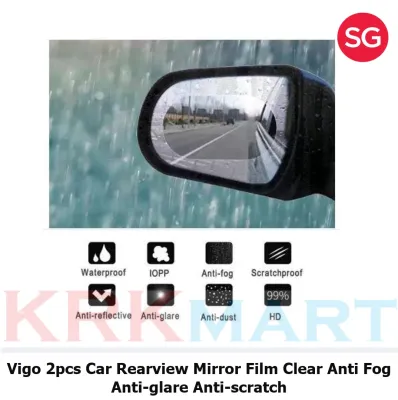
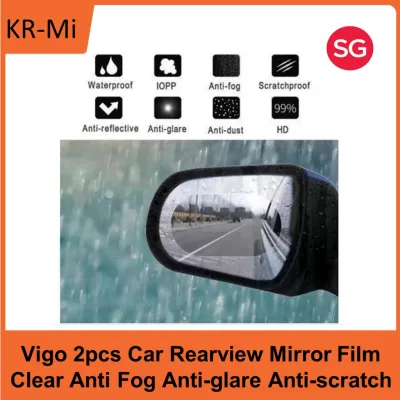
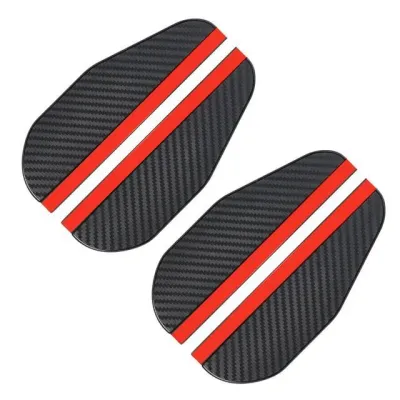
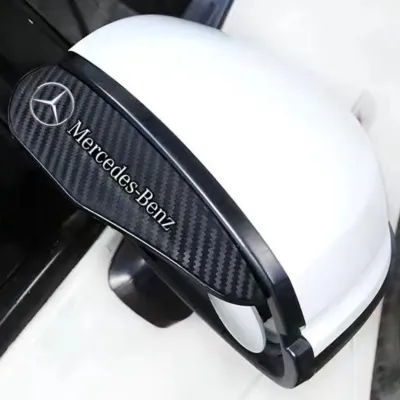
Prices are valid at publication and may change. Please refer to the product page for the latest price.
Adhesive hydrophobic films offer a physical, multi-layered alternative to liquid applications. These pre-cut or trim-to-fit transparent sheets feature a specialized nano-textured outer surface that exhibits superhydrophobic properties, meaning water cannot easily cling to the film even when the vehicle is completely stationary. The backing of the film utilizes a clear, optical-grade adhesive that bonds directly to the mirror glass. This solution is particularly useful for drivers who frequently travel in slow-moving, stop-and-go urban traffic where wind speed is insufficient to clear beaded water from chemical coatings.
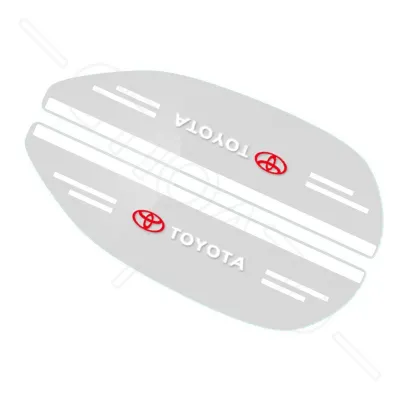
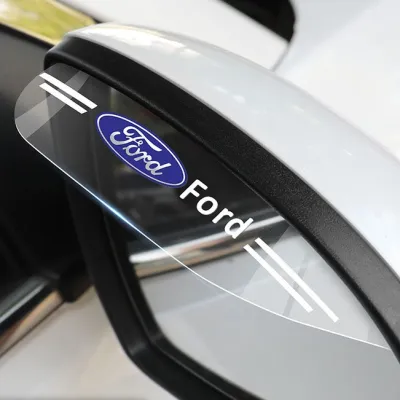
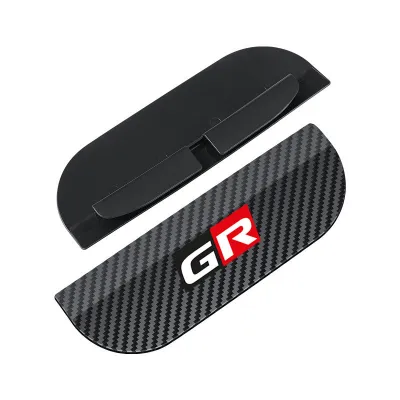
Physical mirror rain guards, often referred to as rain visors or shields, take a completely mechanical approach to water management. Typically constructed from flexible, smoke-colored or transparent plastic, these guards are adhered to the upper inner lip of the side mirror housing using automotive-grade double-sided tape. They act as miniature awnings, physically blocking vertical rainfall and deflecting the aerodynamic spray kicked up by your own vehicle’s front tires or passing traffic. Because they do not cover the glass itself, they introduce zero risk of optical distortion or chemical interference with the mirror surface.
Key Factors to Consider Before Buying
Before purchasing any side mirror anti-rain product, you must verify its compatibility with your vehicle’s specific mirror technologies. Many modern vehicles feature heated side mirrors designed to clear mist and frost, while others utilize electrochromic auto-dimming glass to reduce night glare. Applying thick adhesive films can insulate the glass, potentially reducing the efficiency of heating elements or trapping excess heat. Furthermore, chemical coatings or films must not interfere with the light sensors required for auto-dimming functions or obscure the visual icons of integrated blind-spot monitoring systems.

Durability and maintenance frequency are critical considerations for drivers in tropical climates. Singapore’s high humidity, intense solar radiation, and frequent heavy downpours create a harsh environment that can rapidly degrade aftermarket surface treatments. Chemical sprays and wipes are highly convenient but typically require reapplication every few weeks to maintain their hydrophobic performance. Adhesive films generally last longer but can suffer from edge peeling, yellowing, or bubbling over time due to UV exposure, requiring complete removal and replacement.
Optical clarity is paramount for safe night driving, especially when navigating poorly lit roads or during heavy downpours. Low-quality chemical coatings or poorly applied adhesive films can cause light refraction, leading to severe glare, halo effects, or double-vision from the headlights of trailing vehicles. When selecting a product, look for optical-grade materials that explicitly state they preserve light transmission and minimize refraction. Any product that introduces noticeable haziness or distortion should be removed immediately to maintain road safety.
Installation complexity varies significantly across these three product categories. While chemical repellents require meticulous surface preparation, the application process itself is a straightforward wipe-on, buff-off procedure that most drivers can complete in minutes. Adhesive films demand a much higher level of precision, as even microscopic dust particles or tiny air bubbles trapped during application can ruin optical clarity and cause premature peeling. Physical rain guards require precise alignment along the curved contours of the mirror housing to ensure a secure, wind-resistant bond.
Comparing Anti-Rain Solutions by Type
To help you determine which solution best aligns with your driving habits, maintenance preferences, and budget, the table below outlines the key performance characteristics and trade-offs of each product type.
| Solution Type | Estimated Lifespan | Ease of Application | Effectiveness in Heavy Rain | Relative Cost Tier |
|---|---|---|---|---|
| Chemical Coatings | 2 to 6 weeks | High (Simple wipe/spray) | Moderate (Requires wind to clear beads) | Low (S$10 – S$30 per bottle) |
| Hydrophobic Films | 3 to 6 months | Medium (Requires precise alignment) | High (Sheds water at a standstill) | Medium (S$15 – S$40 per set) |
| Physical Rain Guards | 1 to 3 years | Medium (Requires housing prep) | Moderate (Blocks vertical rain only) | Low to Medium (S$10 – S$35 per set) |
Each option presents distinct trade-offs between immediate convenience and long-term performance. Chemical coatings are highly accessible and cost-effective per application, but their performance degrades continuously with every car wash and rain event, demanding disciplined reapplication. They are ideal for drivers who enjoy regular DIY vehicle maintenance and want an invisible solution that preserves the original aesthetic of the car.
Adhesive films provide superior static water shedding, making them highly effective during heavy downpours in slow-moving traffic. However, their limited lifespan means you must be prepared to carefully peel away degraded film and clean off adhesive residue several times a year. Physical rain guards offer the longest service life and require virtually no ongoing maintenance once installed, but they alter the vehicle’s exterior appearance and cannot protect the mirror glass from fine, wind-blown mist or aerodynamic spray coming from the sides.
Installation and Maintenance Best Practices
Achieving optimal performance from any anti-rain product depends heavily on thorough surface preparation. Before applying chemical coatings or adhesive films, the mirror glass must be completely free of road grime, oil films, water spots, and old wax residues. Clean the glass using a dedicated, non-abrasive automotive glass cleaner, followed by an isopropyl alcohol wipe to strip away any remaining chemical barriers. Ensure the glass and the surrounding mirror housing are completely dry, as trapped moisture will prevent chemical bonds and cause adhesive backings to fail prematurely.
Environmental conditions during application play a significant role in the curing process of chemical coatings. In Singapore’s humid climate, it is highly recommended to apply these treatments in a covered, well-ventilated area, such as a multi-storey carpark, away from direct sunlight and wind-blown dust. Many chemical repellents require a specific curing window—often ranging from several hours to a full day—during which the treated surface must not come into contact with water. Applying a coating immediately before driving into a rainstorm will wash away the active ingredients before they can bond to the glass.
Ongoing maintenance is essential to preserve the hydrophobic properties of your chosen treatment. When washing your vehicle, avoid using high-pressure sprayers directly on the edges of adhesive films or physical rain guards, as the force can lift the adhesive. Use only pH-neutral car shampoos, and avoid applying aggressive degreasers, harsh wheel cleaners, or abrasive polishes near the treated mirrors. Gently wipe the mirror glass with a clean, soft microfiber towel to prevent scratching the delicate nano-textures of hydrophobic films.
Always prioritize safety and manufacturer guidelines during installation. If your vehicle’s manual contains specific warnings against applying aftermarket chemicals or adhesives to the side mirrors, or if you observe any adverse reactions such as glass discoloration or sensor errors, halt the installation immediately. If you are uncomfortable performing the precise cleaning and alignment required for adhesive films, consult a qualified professional automotive detailer to ensure a flawless, bubble-free application.
Where to Source and Verify Products
When sourcing side mirror anti-rain products, prioritize authorized distributors, official brand stores, and reputable automotive supply shops. Online marketplaces offer a wide selection, but buyers must exercise caution to avoid counterfeit, expired, or low-quality items that may use substandard adhesives or harsh chemicals capable of etching glass. Look for listings with verified customer feedback, clear product labeling, and manufacturer-backed packaging to ensure you are receiving a genuine product.
For drivers seeking long-lasting performance or advanced ceramic coatings, purchasing through a professional automotive detailing workshop is often the safest route. Professional detailers have access to commercial-grade hydrophobic coatings that offer superior durability compared to consumer-grade retail sprays. Furthermore, professional application guarantees that the critical preparation steps, including mechanical glass polishing and chemical decontamination, are executed correctly, often backed by a service warranty.
Before applying any product to your vehicle, take a moment to verify the manufacturer’s labels, batch codes, and safety instructions. Ensure the product is explicitly rated for automotive glass use and check for any material compatibility warnings regarding plastics, painted mirror housings, or rubber seals. If you are applying a chemical spray, review the safety data sheet if available, wear appropriate hand and eye protection, and ensure the workspace has adequate ventilation to prevent inhaling chemical vapors.
Frequently Asked Questions (FAQ)
Can I apply anti-rain coatings to rearview cameras and sensors?
You should not apply generic side mirror anti-rain coatings or adhesive films to rearview cameras, parking sensors, or advanced driver-assistance systems (ADAS) lenses unless the product is explicitly certified by the manufacturer for that specific use. Many camera lenses feature specialized factory anti-reflective or hydrophobic coatings that can be permanently damaged or stripped by the solvents found in aftermarket chemical treatments. Furthermore, any alteration to the optical properties of a camera lens or sensor cover can cause light refraction, cloudiness, or signal distortion, potentially causing safety systems like lane-departure warnings or emergency braking to malfunction. For safe maintenance, clean camera lenses gently using only a damp microfiber cloth or a cleaning solution recommended in your vehicle’s owner’s manual.
How do I safely remove old hydrophobic film without damaging the mirror?
To safely remove a degraded or yellowed hydrophobic film without scratching the mirror glass or damaging internal heating elements, you must soften the adhesive backing before peeling. Use a handheld hair dryer on a low-to-medium heat setting to gently warm the surface of the film, keeping the heat source moving constantly to avoid localized thermal stress on the glass. Once the adhesive is warm, carefully lift one corner of the film using a plastic razor blade or your fingernail, and peel it back slowly at a sharp angle. If adhesive residue remains on the glass, apply a small amount of a dedicated, glass-safe adhesive remover or isopropyl alcohol to a microfiber cloth and gently wipe the area. Never use metal razor blades, steel wool, or harsh abrasive cleaners, as these will permanently scratch the glass and ruin the mirror’s optical clarity.
Do physical rain guards affect aerodynamics or create wind noise?
Physical rain guards can alter the aerodynamic profile of your side mirror housings, which may lead to a slight increase in wind noise or cabin whistling, particularly at highway speeds on expressways. The severity of this effect depends heavily on the guard’s design, thickness, and how closely it conforms to the original shape of the mirror housing. Poorly fitted or universal-fit guards that protrude significantly are more likely to disrupt airflow and create turbulence. To minimize wind noise and ensure road safety, look for vehicle-specific rain guards designed to match the exact contours of your car’s make and model, and ensure they are mounted securely without any loose edges that could vibrate in the wind.
Community discussion
Share your experience or ask a question. Comments are reviewed before publication.