
Determining whether to clay bar your car before polishing, waxing, or applying a ceramic coating depends entirely on your paintwork’s condition. If your vehicle’s clear coat has bonded contaminants that a standard wash cannot remove, claying is an essential preparatory step. Skipping this process risks sealing in dirt, scratching your paint during polishing, or preventing your protective coatings from bonding correctly.
However, claying is not always mandatory. If your paint is already chemically clean and physically smooth, mechanical claying can introduce unnecessary micro-marring. Understanding how to evaluate your paint, why decontamination is critical, and when you can safely skip the step will help you achieve a professional finish while preserving your clear coat.
How to Tell If Your Car Paint Needs a Clay Bar
To determine if your vehicle requires a clay bar treatment, you must first perform a thorough wash and dry. Standard washing removes loose surface dirt, dust, and road grime, but it cannot dislodge bonded contaminants. These are microscopic particles that have baked into the clear coat due to heat, sunlight, and environmental exposure.
Products mentioned in this guide
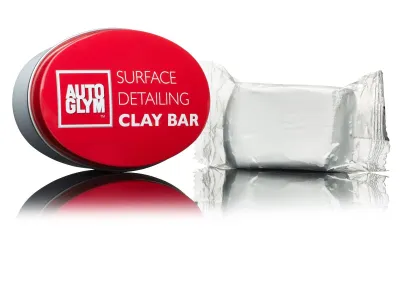
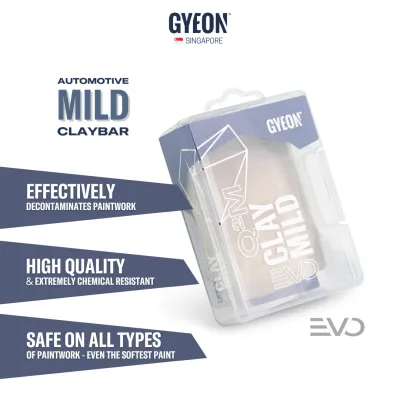
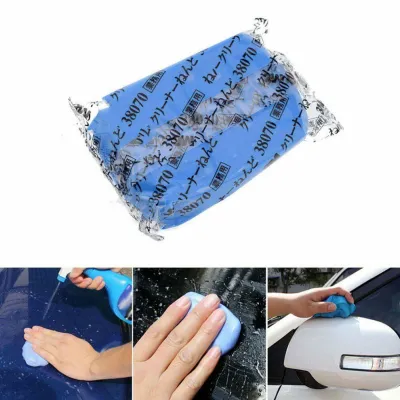
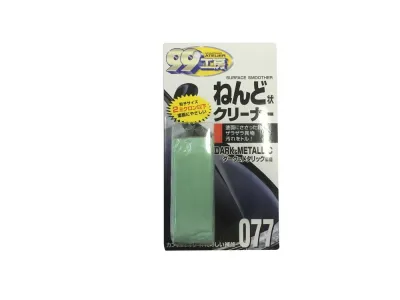
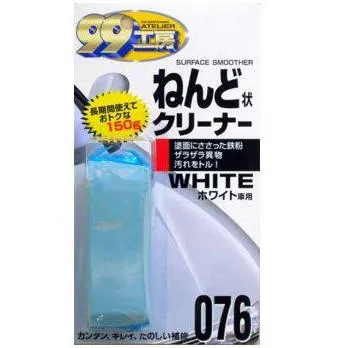
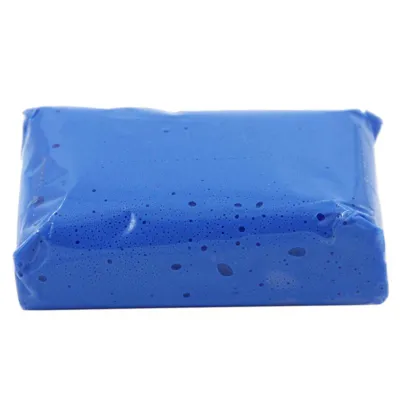
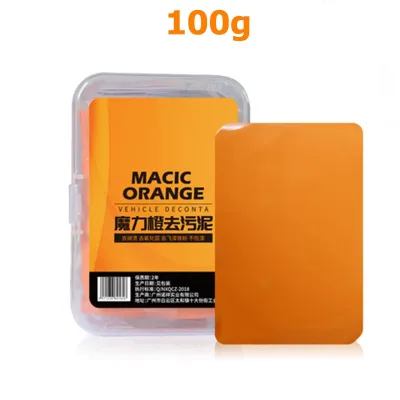
Prices are valid at publication and may change. Please refer to the product page for the latest price.
The most reliable way to detect these bonded particles is the classic “plastic bag test.” After washing and drying your car, place your hand inside a clean, thin plastic sandwich bag. Lightly run your fingertips over the flat surfaces of your car’s paint, particularly the hood, roof, and trunk. The plastic bag amplifies your tactile sensitivity, allowing you to feel microscopic imperfections that your bare hand might miss.
If the paint feels perfectly glass-smooth under the plastic, your clear coat is free of bonded contaminants. If you feel a gritty, rough, or bumpy texture resembling fine sandpaper, your paint has bonded contaminants that require claying.
In addition to the plastic bag test, look for visual and tactile signs of contamination. Industrial fallout often appears as tiny, rust-colored spots on light-colored vehicles, caused by airborne metallic dust from brake pads or nearby industrial estates. Tree sap from roadside trees and stubborn bird droppings can leave raised deposits that remain sticky or hard even after a soapy wash.
It is crucial to differentiate between surface dirt and bonded contaminants. Surface dirt sits loosely on top of the paint and washes away easily with car shampoo. Bonded contaminants have physically embedded themselves into the clear coat. Attempting to scrub these off with a wash mitt will only scratch the paint; they require the shearing action of a clay bar or a chemical decontamination spray to be safely removed.
Why Surface Decontamination Matters for Paint Protection
Skipping the clay bar step before polishing, waxing, or applying a ceramic coating can severely compromise your results and potentially damage your paint. Each of these detailing steps interacts with the clear coat in a way that requires a completely clean surface.

During the polishing phase, a machine polisher spins a foam or microfiber pad at high speeds to level the clear coat and remove swirls. If you do not clay the car first, the polishing pad will snag the embedded gritty particles, pull them out of the paint, and trap them between the pad and your clear coat. As the machine spins, these trapped particles act like sandpaper, grinding across the paint and creating deep scratches, swirls, and micro-marring. Decontaminating the surface ensures your polishing pad remains clean and effective.
For traditional waxes and paint sealants, a contaminated surface drastically reduces performance and durability. Waxes and sealants need to lay flat and adhere directly to the clear coat to form a protective barrier. When bonded contaminants are present, the wax sits on top of these microscopic bumps instead of the paint itself. This uneven application prevents proper adhesion, causing the wax or sealant to wash off much faster than expected, often lasting only a fraction of its intended lifespan.
The stakes are even higher when applying a ceramic coating. Ceramic coatings rely on chemical cross-linking to bond directly with the clear coat. This chemical bond requires an absolutely bare, smooth, and decontaminated surface. Any embedded dirt, iron particles, or sap will block this chemical reaction, preventing the coating from bonding properly. This leads to premature coating failure, patchy hydrophobic performance, and a loss of the signature high-gloss finish.
When It Is Safe to Skip the Clay Bar Step
While claying is a powerful tool, it is a mechanical abrasion process. Every time you rub clay across your paint, you run a small risk of creating minor marring or dullness, especially on soft clear coats. Therefore, you should only clay your car when it is truly necessary.
You can safely skip the clay bar step if your vehicle is brand new and passes the plastic bag test, though you should still inspect it carefully, as transit can accumulate rail dust. If you have recently decontaminated your paint and the surface still feels completely smooth, you do not need to clay it again before applying a fresh coat of wax.
In some cases, you can use chemical decontaminants as a safer alternative to mechanical claying. Iron removers chemically dissolve embedded metallic brake dust, while dedicated tar and sap removers dissolve organic contaminants. If your paint only has light metallic contamination or localized tar spots, using these spray-on, rinse-off chemicals can fully clean the surface without any physical rubbing. This eliminates the risk of mechanical marring, making it highly beneficial for vehicles with soft or thin clear coats.
Evaluating the paint condition first prevents over-processing. If chemical decontamination successfully restores a glass-smooth finish, you can proceed directly to polishing or protection without touching a clay bar to the paint.
Safe Application Rules and Clay Alternatives
If you determine that your car does require claying, following strict safety protocols is essential to prevent self-inflicted paint damage. Mechanical claying must always be done with care and the right materials.
The absolute golden rule of claying is to use a generous amount of dedicated clay lubricant. Never run a clay bar over a dry or merely wet surface. The lubricant creates a thin barrier that allows the clay to glide smoothly over the paint, shearing off the contaminants rather than dragging them across the clear coat. If you feel the clay sticking or grabbing, immediately spray more lubricant onto the area.
Another critical safety rule concerns dropped clay. If you drop a traditional clay bar on the ground, even for a split second, you must discard it immediately. The sticky clay will instantly pick up dirt, sand, and tiny rocks from the floor. Attempting to reuse dropped clay will turn it into a highly abrasive block that will severely scratch your paint. To minimize waste, tear your clay bar into smaller, manageable pieces, using only one piece at a time while keeping the rest clean.
Modern detailing technology has introduced synthetic clay alternatives, such as clay mitts, clay towels, and clay sponges. These tools feature a specialized rubberized polymer coating on one side that mimics the action of a traditional clay bar. Synthetic alternatives offer several advantages: they are much faster to use, cover larger surface areas, and are highly drop-safe. If you drop a synthetic clay mitt, you do not need to throw it away; you can simply rinse it thoroughly with clean water to wash away any grit and continue using it. However, traditional clay bars remain highly favored for heavy contamination, as they can be folded and kneaded to expose a fresh, clean clay surface, trapping the dirt deep inside the clay body.
Frequently Asked Questions (FAQ)
Can I clay bar my car without polishing afterward?
Yes, you can clay bar your car without polishing, but it depends on the aggressiveness of the clay and the hardness of your paint. Fine or ultra-fine detailing clay, when used with plenty of lubricant on a hard clear coat, generally will not leave visible marring, allowing you to go straight to waxing or sealing. However, medium or heavy-grade clay bars, or claying on soft paint, will almost always leave behind light micro-marring or a slight haze. In these cases, a light finishing polish is highly recommended to restore maximum clarity and gloss before applying your paint protection.
How often should I clay bar my car?
There is no fixed calendar schedule for how often you should clay bar your car, as it depends entirely on your driving environment and storage conditions. A vehicle parked daily under trees, near industrial zones, or driven long distances in harsh weather will accumulate bonded contaminants much faster than a garaged weekend car. Instead of claying on a set schedule, perform the plastic bag test after your regular wash every few months. Only clay your car when the paint fails the test and feels rough, which typically ranges from once or twice a year for daily drivers.

Community discussion
Share your experience or ask a question. Comments are reviewed before publication.