
Selecting a Shoei helmet in Singapore requires matching the brand’s engineering tiers with your specific riding habits and the local tropical climate. While every model from this manufacturer emphasizes safety, the differences in shell materials, ventilation layouts, and aerodynamic profiles dictate how comfortable a helmet remains during a humid afternoon commute or a wet monsoon ride. Finding the right tier is not about chasing the highest price tag, but rather identifying which features directly address your daily road conditions and long-term comfort.
Decoding Shoei Helmet Tiers: What You Get at Each Price Point
Shoei categorizes its lineup into distinct tiers, ranging from versatile sport-touring models to specialized racing helmets. At the entry-point of the brand’s range, helmets typically utilize the Advanced Integrated Matrix (AIM) shell construction. This proprietary design layers organic fibers and multi-composite fibers to create a lightweight yet highly rigid structure. Moving up to the mid-range and premium tiers, the manufacturer introduces the AIM+ matrix, which incorporates high-performance organic fibers to further reduce weight while maintaining strict structural integrity.
Ventilation complexity scales significantly across these tiers. Standard models feature highly functional intake and exhaust ports, but premium models employ advanced wind-tunnel-tested ventilation pathways. These high-tier systems utilize multiple intake vents and negative-pressure exhaust outlets designed to pull hot, humid air away from the rider’s scalp even at low speeds. Additionally, premium tiers incorporate sophisticated noise-reduction technology, such as specialized ear pads and aerodynamic shell shapes that minimize wind turbulence.
Products mentioned in this guide
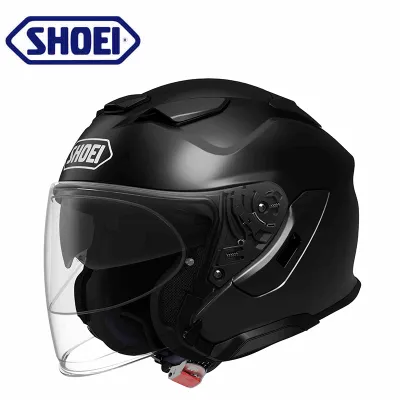
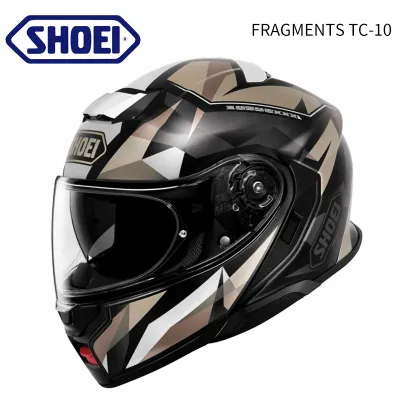
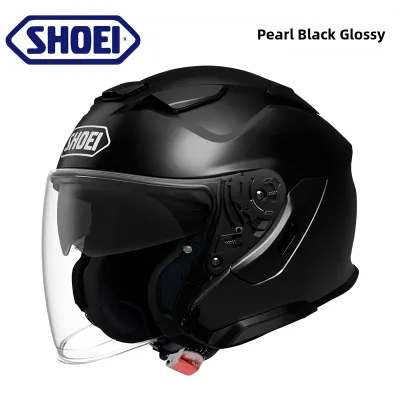
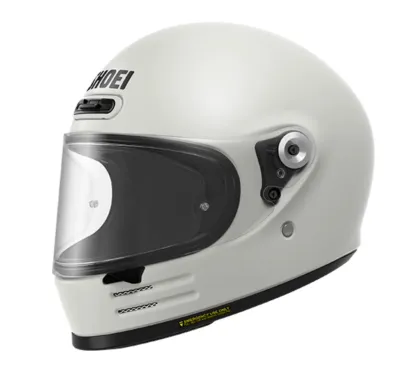
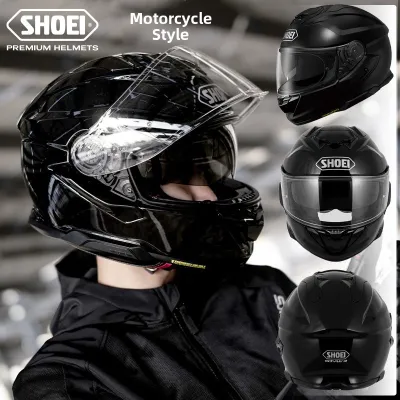
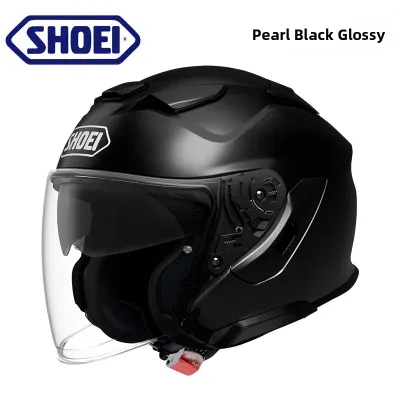
Prices are valid at publication and may change. Please refer to the product page for the latest price.
Visor mechanics and safety features also evolve as you move up the price scale. While all tiers support anti-fog inserts, premium models feature advanced center-locking visor mechanisms and dual-ridge window beading to ensure a completely airtight and watertight seal. Furthermore, high-tier helmets are equipped with the Emergency Quick Release System (E.Q.R.S.), allowing emergency medical personnel to safely remove the cheek pads and slide the helmet off a rider’s head with minimal neck strain.
Aligning Your Riding Profile with the Right Budget Tier
To determine the most practical budget tier, you must evaluate your primary riding environment and frequency. A daily commuter navigating stop-and-go traffic on major expressways has vastly different requirements than a weekend rider heading up north or hitting the track. For urban riders, an open-face or modular helmet from the mid-range tier offers the convenience of quick communication and easy ventilation during frequent traffic light stops. Conversely, high-speed touring and track riding demand the aerodynamic properties and full-face protection of premium sport models.

Singapore’s tropical climate makes ventilation and moisture management non-negotiable priorities. High humidity levels accelerate sweat buildup, which can degrade interior liners if they are not designed for rapid drying. Mid-to-high-tier Shoei helmets feature specialized interior fabrics, such as Max-Dry liners, which absorb and dissipate moisture much faster than standard nylon interiors. Additionally, sudden afternoon downpours require a highly reliable anti-fog system; choosing a tier that includes a compatible Pinlock sheet is essential to maintain clear visibility when the temperature drops rapidly during a storm.
When balancing your budget, distinguish between essential safety features and optional comfort upgrades. Every road-legal helmet must provide robust impact absorption, but premium upgrades like integrated sun shields, photochromic visors, or dedicated communication system cutouts are matters of personal convenience. If your budget is constrained, prioritizing a well-ventilated, properly fitting full-face model from the standard tier is a safer and more practical decision than stretching your finances for a premium model with features you may rarely use.
Calculating the True Cost: Hidden Fees and Necessary Accessories
The initial purchase price of a helmet is only one part of the overall investment. In Singapore, road legality is governed by strict safety standards, meaning any helmet used on public roads must carry the appropriate local safety certification. This is typically indicated by a PSB safety label issued under the authority of Enterprise Singapore. Purchasing a non-certified helmet, even if it is a genuine premium model from an overseas retailer, can lead to compliance issues and fines, making local certification a critical factor in your purchasing decision.
You must also budget for essential accessories that may not be included in the base package. While many mid-to-high-tier models come with anti-fog inserts, replacement visors—especially tinted or photochromic options—must be purchased separately. Over time, consumable parts such as cheek pads and center pads will wear down and compress, requiring replacement to maintain a snug, safe fit. Factoring in these maintenance components ensures you are not caught off guard by the ongoing costs of ownership.
If you choose to import a helmet or buy from international online platforms, be prepared for additional fees that can quickly inflate the final cost. Overseas purchases are subject to shipping fees, potential import duties, and the local Goods and Services Tax (GST) upon arrival. Furthermore, buying online deprives you of professional fitting services offered by local brick-and-mortar shops. A poorly fitting helmet compromises safety and comfort, often requiring expensive return shipping or additional padding purchases to rectify.
Purchasing Safely: Verifying Authenticity and Dealer Support
To ensure you are buying a genuine product backed by manufacturer support, always purchase from authorized local dealers. Authorized retailers can verify the helmet’s authenticity and provide official warranty coverage, which typically protects against manufacturing defects for several years. They also offer professional fitting services, ensuring the helmet matches your specific head shape and size before you commit to the purchase.
When inspecting a helmet in person, perform several physical checks to confirm its authenticity. Genuine Shoei helmets feature high-quality paint finishes, precise alignment of ventilation sliders, and robust visor mechanisms that operate smoothly without catching. Look for official serial numbers located under the comfort liner, along with the mandatory PSB safety label on the rear of the shell. The packaging should include an official branded box, a high-quality fabric helmet bag, silicone oil for visor seals, and a comprehensive user manual.
Purchasing from unverified e-commerce platforms or unauthorized third-party sellers carries significant risks. Counterfeit helmets often mimic the external appearance of premium models but lack the advanced multi-ply matrix shells and dual-layer EPS liners required to absorb impact forces. These imitation products can fail catastrophically during an accident, offering virtually no protection. Additionally, unauthorized sellers cannot assist with warranty claims or supply genuine replacement parts, leaving you without support if a component fails.
Frequently Asked Questions (FAQ)
How often should I replace my Shoei helmet?
Shoei recommends replacing your helmet five years after the purchase date, or seven years from the manufacture date, whichever comes first. This recommendation accounts for the natural degradation of the protective EPS liner and resin materials over time, which can be accelerated by exposure to sweat, hair oils, UV rays, and extreme heat. Additionally, you must replace your helmet immediately after any impact or drop, even if there is no visible damage on the outer shell. The internal EPS liner is designed to compress once to absorb impact energy, and subsequent impacts in the same area will not offer adequate protection. Regularly inspect the interior padding for compression and the outer shell for hairline cracks or deep gouges.
Can I install a Bluetooth communication system in any Shoei helmet?
Most modern Shoei helmets are designed with communication system integration in mind, featuring pre-cut speaker pockets and internal wiring channels. Many mid-range and premium models are specifically engineered to accept integrated communication units designed in collaboration with major intercom brands, allowing for a seamless, aerodynamic fit. If you prefer to install a generic aftermarket Bluetooth system, verify that the clamp or adhesive mount does not interfere with the helmet’s visor mechanism or sun shield slider. Always follow the manufacturer’s instructions for installation, and avoid drilling holes or making permanent structural modifications to the shell, as this will void the warranty and severely compromise the helmet’s safety performance.
Community discussion
Share your experience or ask a question. Comments are reviewed before publication.