
Quick Answer: Choosing Between Shell and Castrol 10W-40
Choosing between Shell and Castrol 10W-40 motorcycle oil is not a matter of finding a single, universally superior brand. Both manufacturers produce exceptionally high-quality lubricants, but their products excel under different conditions and within specific product tiers. Your decision should depend on your motorcycle manufacturer’s required specifications, your typical operating environments, and the specific technology tier of the oil you select.
Choose Shell if your priority aligns with gas-to-liquid (GTL) base oil technology and you want an oil focused on engine cleanliness and consistent viscosity over long drain intervals. Shell’s premium lines are highly regarded for maintaining a stable viscosity under high thermal stress, making them an excellent match for modern, high-revving engines. Additionally, Shell’s widespread distribution in local workshops makes sourcing specific product tiers straightforward.
Choose Castrol if you prefer specialized additive packages designed to optimize clutch engagement, acceleration, and immediate start-up protection. Castrol’s formulations often focus on reducing internal engine friction and maintaining a strong protective film on critical gear and clutch components. This makes them highly suitable for riders seeking crisp gear shifts and robust wear protection during frequent cold starts.
Products mentioned in this guide
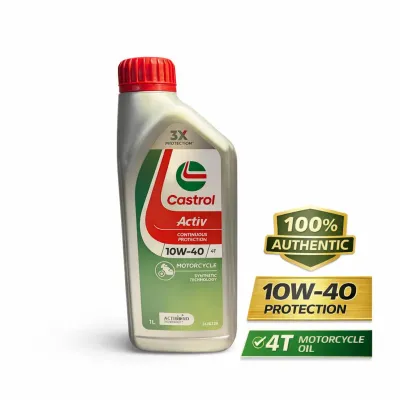
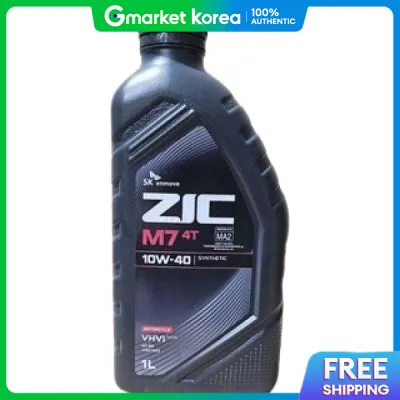
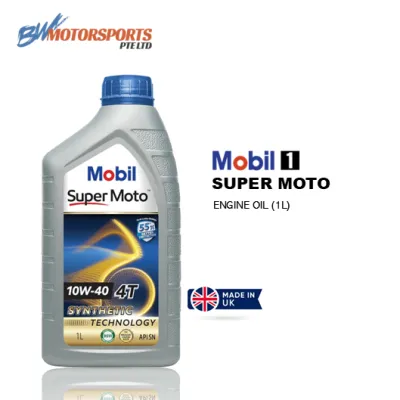
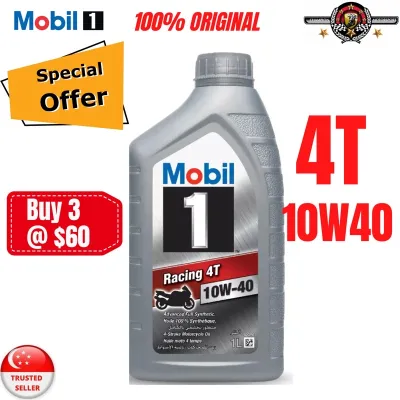
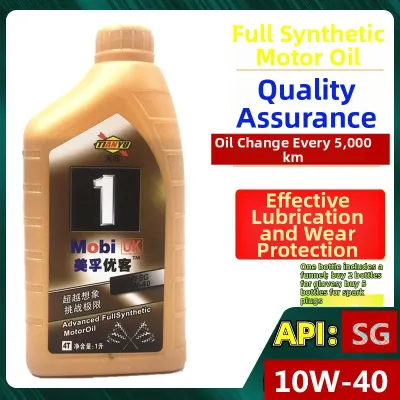
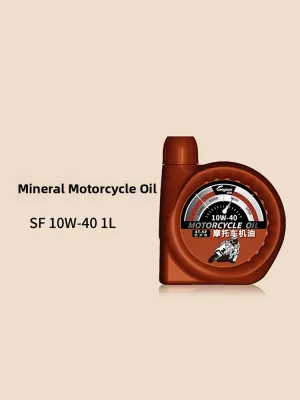
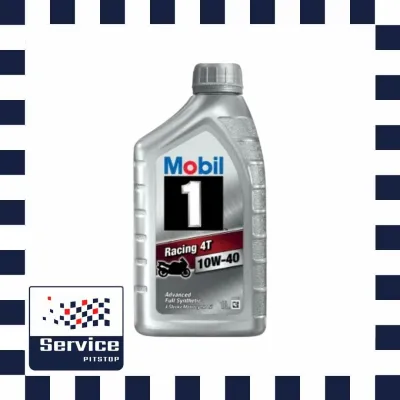
Prices are valid at publication and may change. Please refer to the product page for the latest price.
Ultimately, matching the exact specifications on the product label to your motorcycle owner’s manual is far more important than brand loyalty. Comparing a fully synthetic oil from one brand to a semi-synthetic oil from another will lead to an unfair comparison, as base oil quality is the primary driver of performance and engine protection.
Why 10W-40 Viscosity Matters for Your Motorcycle
Motorcycle engines operate under significantly harsher conditions than passenger car engines. In most motorcycles, a single lubricant reservoir must service the engine crankcase, the multi-speed gearbox, and the multi-plate wet clutch simultaneously. This multi-functional role requires the oil to balance conflicting demands: it must provide high-temperature wear protection for the pistons, withstand extreme mechanical shearing in the transmission gears, and maintain the precise level of friction required to prevent wet clutch slippage.

The “10W-40” rating represents the oil’s multi-grade viscosity characteristics under the Society of Automotive Engineers (SAE) J300 standard. The “10W” (Winter) rating indicates how easily the oil flows at low temperatures, ensuring rapid oil circulation to the cylinder head and valvetrain during cold starts. A lower cold-start viscosity reduces initial engine wear, which is when a significant portion of engine damage occurs. The “40” rating represents the oil’s kinematic viscosity at 100°C, reflecting its ability to maintain a robust protective film under normal operating temperatures.
Because both Shell and Castrol formulate their oils to meet this exact 10W-40 viscosity window, the physical thickness of the oil at start-up and operating temperatures is virtually identical. Consequently, the differences in engine protection, longevity, and performance do not stem from the viscosity grade itself. Instead, the comparison shifts to the quality of the base oils used, the shear stability of the viscosity index improvers, and the specific additive packages designed to protect the wet clutch and gearbox.
Core Comparison Dimensions for Engine Protection
To accurately evaluate whether Shell or Castrol offers better protection for your specific motorcycle, you must look beyond brand marketing and examine the standardized certifications, base oil compositions, and proprietary technologies printed on the bottle labels.
API and JASO Certifications
Industry certifications are the most reliable indicators of an oil’s baseline performance and compatibility. When looking at the back of an oil bottle, you will find ratings from the American Petroleum Institute (API) and the Japanese Automotive Standards Organization (JASO). These standards verify that the oil has passed rigorous laboratory and engine tests.
The API rating (such as SN, SM, or SL) denotes the oil’s level of protection against oxidation, sludge formation, wear, and deposits. Newer standards like API SN require superior high-temperature deposit protection and stricter sludge control compared to older standards like API SL. Both Shell and Castrol offer 10W-40 oils that meet the latest API standards, but you must verify the specific rating on the bottle, as some budget-focused product lines may carry older API classifications.
For motorcycles with wet clutches, the JASO rating is critical. Unlike passenger car oils, which contain friction modifiers that can cause a motorcycle clutch to slip, motorcycle-specific oils must meet JASO T 903 standards. The JASO MA and MA2 classifications designate oils formulated for wet clutches, with JASO MA2 delivering the highest friction performance. This high-friction coefficient ensures maximum clutch grip under heavy loads, preventing slippage and subsequent clutch plate wear. Always verify that the 10W-40 oil you choose carries an official JASO MA2 certification, particularly if you ride a high-torque or high-horsepower motorcycle.
Base Oil Composition
The base oil makes up the vast majority of the lubricant’s volume and dictates its overall thermal stability, oxidation resistance, and drain interval capacity. Motorcycle oils are divided into three primary categories based on their base stocks:
- Fully Synthetic: Formulated from highly refined Group III (including gas-to-liquid), Group IV (PAO), or Group V (Ester) base oils. These provide the highest resistance to thermal breakdown, excellent shear stability, and superior flow at low temperatures.
- Semi-Synthetic (Synthetic Technology): A blend of synthetic and mineral base oils. This offers a balanced compromise, providing better thermal protection than pure mineral oil at a more accessible price point.
- Mineral: Derived directly from refined crude oil (Group I or II). While cost-effective, mineral oils degrade faster under high temperatures and are generally reserved for older, low-stress, or low-mileage engines.
When comparing Shell and Castrol, ensure you are comparing equivalent base oil tiers. Comparing a premium fully synthetic Shell Advance oil to a semi-synthetic Castrol Power1 oil will yield misleading results, as the synthetic base oil inherently provides superior shear resistance and high-temperature protection.
Proprietary Additive Technologies
Beyond base oils and industry standards, both brands utilize proprietary additive packages to differentiate their products and target specific performance characteristics. These additives include detergents to keep engine components clean, dispersants to suspend contaminants, anti-wear agents (such as zinc dialkyldithiophosphate, or ZDDP), and friction modifiers tailored for wet clutches.
Shell’s primary technological differentiator is its PurePlus Technology, a patented process that converts natural gas into a crystal-clear base oil. This gas-to-liquid (GTL) base oil is virtually free of the impurities found in crude oil, resulting in superior molecular stability, lower volatility, and better low-temperature flow. Shell pairs this with Active Cleansing Technology, which is designed to prevent dirt particles from coalescing into performance-robbing engine deposits.
Castrol counters with its own set of proprietary formulations, most notably Power Release Technology and Trizone Technology. Power Release Technology is engineered to minimize internal friction losses within the engine without compromising wet clutch grip, thereby optimizing power delivery. Castrol’s Trizone Technology focuses on providing dedicated protection across three critical zones: the engine (for wear protection), the gearbox (for shear resistance), and the clutch (for slip prevention). Additionally, some Castrol lines feature Actibond molecules, which cling to engine components even when the engine is turned off, providing a continuous layer of protection from the moment you start the bike.
While these proprietary technologies offer distinct benefits, they should be treated as secondary considerations. The primary foundation of engine protection remains the official API and JASO certifications, combined with using the correct base oil tier for your riding conditions.
Shell Advance vs. Castrol Power1: Navigating the Product Lines
To make a fair, apples-to-apples comparison between Shell and Castrol, you must understand how their respective motorcycle oil product lines are structured. Both brands offer distinct tiers ranging from premium fully synthetic lubricants to budget-friendly mineral oils.
Premium Fully Synthetic Tier
At the top of the performance spectrum, both brands offer fully synthetic 10W-40 oils designed for high-performance sports bikes, high-revving engines, and demanding riding conditions.
- Shell Advance Ultra 4T 10W-40: This is Shell’s flagship fully synthetic motorcycle oil. Formulated with PurePlus (GTL) base oil, it offers exceptional thermal stability, resists oil degradation at extreme temperatures, and maintains its viscosity grade over extended service intervals. It is designed to keep engines running at peak efficiency by minimizing deposit formation.
- Castrol Power1 Ultimate 4T 10W-40 (or Power1 Racing 4T): Castrol’s premium fully synthetic offering is engineered for rapid acceleration and high-speed performance. It utilizes advanced synthetic base stocks combined with friction-reducing additives that optimize power transfer while maintaining robust protection against engine wear and gear pitting.
When choosing within this premium tier, Shell Advance Ultra is often favored by riders who prioritize engine cleanliness, long-term viscosity retention, and extended drain intervals. Castrol Power1 Ultimate is frequently selected by riders seeking immediate throttle response, smooth gear shifts, and high-rpm performance.
Everyday Semi-Synthetic Tier
For daily commuting, standard street bikes, and moderate riding conditions, both brands offer highly capable semi-synthetic (often labeled as “synthetic technology”) 10W-40 oils.
- Shell Advance AX7 4T 10W-40: This semi-synthetic oil balances performance and value. It features Shell’s Active Cleansing Technology to help prevent engine deposits and deliver reliable power. It provides solid wear protection and wet clutch performance for everyday urban riding.
- Castrol Power1 4T 10W-40: Castrol’s standard semi-synthetic offering features Power Release Technology to reduce internal friction. It is designed to provide smooth clutch engagement and reliable wear protection under typical operating conditions.
In this mid-tier segment, both products perform admirably. The choice often comes down to local retail pricing and availability. In the Singapore market, premium fully synthetic oils generally range from S$20 to S$35 per litre, while semi-synthetics typically sit between S$12 and S$18 per litre. Always check local motorcycle workshops or authorized distributors to verify current pricing and stock levels.
Matching the Oil to Your Riding Conditions
Your physical environment and riding habits play a massive role in how motorcycle oil performs and degrades over time. Selecting the right oil requires matching these real-world variables to the strengths of each brand’s formulations.
Daily Urban Commuting
Urban commuting in tropical climates, such as Singapore’s high ambient temperatures and dense traffic, represents one of the most severe operating environments for a motorcycle engine. Frequent stop-and-go riding, prolonged idling at traffic lights, and low average speeds severely limit the cooling airflow over air-cooled or liquid-cooled engines. Under these conditions, engine and oil temperatures can spike rapidly.
When oil is subjected to high heat without sufficient cooling, it undergoes thermal oxidation, which leads to oil thickening, sludge accumulation, and the depletion of protective additives. Furthermore, frequent gear changes in heavy traffic put continuous mechanical stress on the wet clutch, increasing the risk of clutch slippage and wear.
For daily urban commuting, you should prioritize an oil with exceptional thermal stability and robust wet clutch friction modifiers. A semi-synthetic oil like Shell Advance AX7 or Castrol Power1 4T is highly capable of handling standard daily commutes, provided you adhere to regular oil change intervals. However, if your commute involves extensive idling in extreme heat, upgrading to a fully synthetic oil like Shell Advance Ultra or Castrol Power1 Ultimate will provide a much larger safety margin against thermal degradation and maintain smoother clutch operation over time.
Long-Distance or High-Rev Riding
Long-distance touring, highway cruising, or riding a high-revving sports bike presents a completely different set of challenges for motorcycle oil. Sustained high-rpm operation subjects the oil to extreme mechanical shear stress. Inside the gearbox, the teeth of the spinning gears literally chop the long-chain polymer molecules (viscosity index improvers) used to formulate multi-grade oils. If these polymers are sheared apart, the oil permanently loses its viscosity, thinning out and failing to provide an adequate protective film at high temperatures.
For these high-stress scenarios, shear stability is paramount. Fully synthetic oils are inherently more shear-stable than mineral or semi-synthetic oils because their synthetic base stocks require fewer polymer additives to achieve the desired 10W-40 viscosity rating.
Under sustained high-rpm or long-distance conditions, Shell Advance Ultra’s GTL base oil excels at resisting shear and maintaining its protective film strength, preventing metal-to-metal contact in the valvetrain and gearbox. Similarly, Castrol Power1 Ultimate provides outstanding protection against gear pitting and high-temperature oxidation. If you frequently take long highway trips or ride a high-performance motorcycle, investing in a premium fully synthetic 10W-40 from either brand is highly recommended to ensure long-term engine durability.
How to Verify Compatibility and Switch Brands Safely
Before purchasing any motorcycle oil or performing an oil change, you must verify that the product is fully compatible with your specific motorcycle model. Never assume compatibility based solely on the brand name or the 10W-40 viscosity rating.
First, consult your motorcycle owner’s manual to verify the recommended viscosity grade, API classification, and JASO specification. Some motorcycles, particularly certain European models or dry-clutch scooters, require highly specific oil formulations (such as JASO MB for dry clutches, which contains friction modifiers that will ruin a wet clutch). If your manual specifies a 10W-40 JASO MA2 oil, then any compliant 10W-40 product from Shell or Castrol is suitable. If you are unsure, or if the manufacturer’s instructions conflict with the oil label, consult an authorized dealer or a qualified professional mechanic before proceeding.
When switching between Shell and Castrol, or transitioning from a semi-synthetic to a fully synthetic oil, follow these safe operating steps to ensure a clean transition:
- Warm the Engine: Start your motorcycle and let it idle for a few minutes. Warming the engine lowers the oil's viscosity, allowing it to drain more quickly and carry away suspended contaminants more effectively.
- Drain Completely: Turn off the engine, place a drain pan underneath, and remove the oil drain plug. Allow the old oil to drain completely until it stops dripping. This minimizes the amount of old oil and residual additives left in the crankcase.
- Replace the Oil Filter: Always replace the oil filter during an oil change, especially when switching brands. The old filter contains a significant volume of the previous oil, along with trapped contaminants. Installing a fresh filter prevents the new oil from being immediately contaminated.
- Refill to Specification: Reinstall the drain plug using a new crush washer, torque it to the manufacturer's specification, and refill the crankcase with your chosen Shell or Castrol 10W-40 oil. Use a funnel to prevent spills on hot engine parts or exhaust pipes.
- Verify and Monitor: Start the engine and let it idle for a minute while checking for any leaks around the drain plug and oil filter. Turn off the engine, let the oil settle for a few minutes, and check the oil level using the sight glass or dipstick, topping up if necessary. Take a short, gentle test ride to monitor for smooth gear shifting and proper clutch engagement, and listen for any unusual engine noises.
Frequently Asked Questions (FAQ)
Can I mix Shell and Castrol 10W-40 oils in an emergency?
While mixing different brands of 10W-40 motorcycle oil is unlikely to cause immediate, catastrophic engine failure in an emergency, it is strongly discouraged as a long-term practice. Shell and Castrol use entirely different chemical formulations, detergent packages, and friction modifiers to achieve their performance goals. Mixing them can disrupt the chemical balance of the additives, potentially reducing the oil’s overall wear protection, accelerating oxidation, or causing wet clutch slippage. If you must mix brands to top off a dangerously low oil level, you should perform a complete oil and filter change with a single brand and product tier as soon as possible.
Does a higher price guarantee better engine protection?
A higher retail price typically reflects the use of more expensive fully synthetic base oils and advanced proprietary additive packages, rather than a magical increase in baseline engine protection. Fully synthetic oils offer significant benefits, including superior thermal stability, better shear resistance, and longer drain intervals. However, if your motorcycle manufacturer specifies a semi-synthetic oil and you perform short daily commutes, a mid-tier semi-synthetic oil changed at the correct manufacturer-recommended intervals will protect your engine perfectly well. Paying extra for a premium fully synthetic oil is only necessary if your riding conditions, engine design, or drain interval goals demand that level of thermal and mechanical performance.
Community discussion
Share your experience or ask a question. Comments are reviewed before publication.