
Choosing the right engine oil is one of the most critical decisions you can make to preserve the longevity, performance, and efficiency of your vehicle’s engine. When comparing Shell and Castrol 10W-40 engine oils, there is no single, universally superior brand. Instead, the ideal choice depends on your specific vehicle tier, driving habits, and the exact specifications required by your vehicle’s manufacturer.
To make an informed decision, lean toward Shell if your priority is advanced base oil purity, outstanding resistance to thermal degradation, and superior sludge prevention in modern or moderately aged engines. On the other hand, Castrol is often the preferred choice if your engine is older, has higher mileage, or requires specialized seal conditioning and robust mechanical wear protection during critical warm-up phases.
Regardless of which brand you choose, the most crucial step is to verify that the API (American Petroleum Institute) or ACEA (Association des Constructeurs Européens d’Automobiles) ratings printed on the back of the bottle match the requirements outlined in your vehicle’s owner’s manual. Using an oil with the wrong specifications can compromise engine protection and potentially void your manufacturer warranty.
Products mentioned in this guide
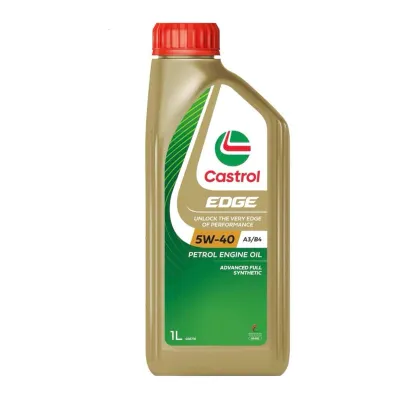
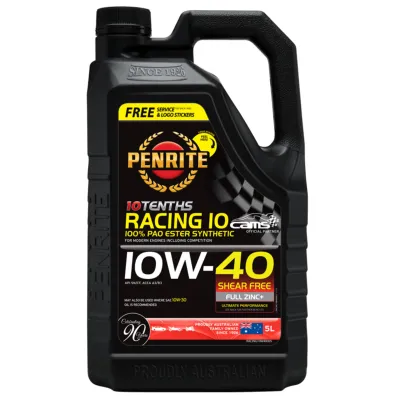
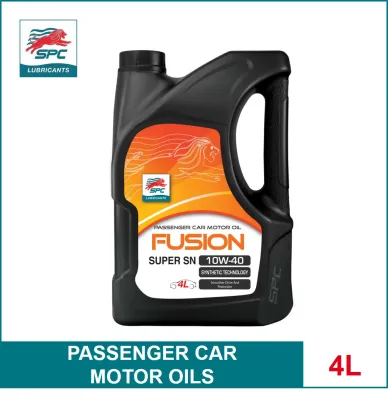
Prices are valid at publication and may change. Please refer to the product page for the latest price.
Understanding 10W-40 Viscosity and Engine Protection
To understand how Shell and Castrol protect your engine, it is essential to break down what a 10W-40 viscosity rating actually means. The “10W” prefix indicates the oil’s low-temperature flow characteristics, with the “W” standing for winter. A lower number before the W means the oil remains more fluid at cold temperatures, allowing it to pump quickly to critical engine components during a cold start.
The second number, “40,” represents the oil’s kinematic viscosity at 100°C, which is the typical operating temperature of a fully warmed-up engine. A higher operating viscosity provides a thicker, more resilient protective film between moving metal parts. This thicker film is particularly beneficial for maintaining oil pressure, cushioning bearings, and preventing metal-on-metal contact under heavy thermal loads.
In Singapore’s tropical climate, ambient temperatures consistently remain high, typically ranging between 24°C and 35°C. Because we do not experience freezing winter temperatures, the cold-start protection of a “10W” rating is less about surviving sub-zero starts and more about ensuring immediate lubrication when the engine has been sitting idle overnight. The “40” rating, however, plays a vital role in protecting your engine against the intense heat generated by prolonged idling and slow-moving traffic.
Engineers often recommend 10W-40 engine oil for older vehicles, high-mileage engines, or specific high-performance setups. As engines age, the clearances between internal components naturally widen due to wear, which can lead to oil consumption or a drop in oil pressure. A 10W-40 oil helps seal these larger clearances, reducing oil consumption and conditioning older seals to prevent leaks. Always validate this viscosity choice against your vehicle’s original manufacturer guidelines before switching from a thinner viscosity.
Core Comparison: Shell vs Castrol 10W-40 Formulations
Both Shell and Castrol offer several variants of 10W-40 engine oil, spanning mineral, semi-synthetic, and fully synthetic formulations. Comparing these brands requires looking closely at their proprietary base oil technologies and unique additive packages, which reflect their differing philosophies on engine protection.

Engine Cleaning and Sludge Control
Shell has long focused on base oil purity as the foundation for engine cleanliness. In many of their premium lines, Shell utilizes patented gas-to-liquid (GTL) technology, known as PurePlus Technology. This process converts natural gas into a crystal-clear base oil that is virtually free of the crude oil impurities commonly found in traditional mineral oils. By starting with a highly pure base, Shell’s 10W-40 formulations, such as those in the Helix range, offer exceptional resistance to oxidation and thermal breakdown, which directly prevents the formation of harmful engine sludge.
Castrol approaches cleanliness with a strong focus on advanced dispersant and detergent additive chemistry. In their popular GTX and Magnatec 10W-40 lines, Castrol employs specialized anti-sludge formulas designed to target and break down existing deposits while preventing new sludge from settling on critical engine surfaces. Castrol’s formulations are engineered to keep soot and contaminants suspended in the oil so they can be safely carried to the oil filter rather than baking onto engine parts.
When evaluating these cleaning claims, do not rely solely on marketing terminology. Instead, turn the bottle over and verify the API specification. Modern petrol engines typically require API SN, SN Plus, or SP ratings, which mandate strict laboratory tests for high-temperature deposit control and sludge prevention. Ensure the oil you select meets or exceeds the API rating specified in your vehicle’s documentation to guarantee adequate cleaning performance.
Wear Protection and High-Temperature Stability
Wear protection under extreme stress is where both brands showcase their engineering strengths. Castrol is highly regarded for its physical wear-barrier technology. In their Magnatec 10W-40 range, Castrol uses “intelligent molecules” that are formulated to cling to engine components like a magnet, even when the engine is turned off. This ensures that a protective layer of oil remains on critical metal surfaces, such as the camshaft and cylinder walls, reducing wear during the critical warm-up phase when up to 75% of engine wear occurs.
Shell counters this with their Active Cleansing Technology, which pairs their pure GTL base oils with robust anti-wear additives like zinc dialkyldithiophosphate (ZDDP). Because Shell’s base oils are highly stable, they maintain their viscosity and shear resistance under high-temperature, high-shear (HTHS) conditions. This stability ensures that the protective oil film does not thin out or rupture when the engine is running hot under heavy acceleration.
To make a fair comparison, you must compare equivalent product tiers. A fully synthetic 10W-40 oil from either brand will inherently offer superior thermal stability, lower volatility, and greater shear resistance than a semi-synthetic or mineral blend. If your vehicle operates under severe stress, investing in a higher-tier synthetic formulation is always recommended for maximum component protection.
Matching the Oil to Your Vehicle and Local Driving Conditions
Operating a vehicle in Singapore presents a unique set of challenges that directly affect how engine oil degrades. The combination of high ambient humidity, consistent tropical heat, and heavy stop-and-go traffic on major expressways like the PIE, CTE, or KPE accelerates oil oxidation and additive depletion.
Frequent short trips and prolonged idling in traffic mean your engine spends significant time operating at sub-optimal temperatures or under high thermal stress without the cooling benefit of high-speed airflow. Under these conditions, fuel dilution can occur, where unburnt fuel slips past the piston rings and thins out the engine oil. Shell’s high-purity formulations are highly effective in these scenarios, as their superior thermal stability helps resist the thinning and chemical breakdown caused by fuel contamination.
If you drive a high-mileage commuter vehicle that has accumulated significant mileage, your primary concern may shift from thermal breakdown to oil consumption and seal degradation. In this scenario, Castrol’s specialized high-mileage formulations, which often include active seal conditioners, can be highly beneficial. These conditioners help restore flexibility to dried-out rubber seals and gaskets, reducing minor oil leaks and preventing oil from seeping into the combustion chamber.
Before deciding on a specific variant, evaluate your typical daily driving route. If your commute consists of short, stop-and-start city trips with heavy idling, prioritize an oil with strong low-temperature flow and rapid-circulation properties. If you frequently drive longer distances or carry heavier loads, prioritize an oil with exceptional high-temperature shear stability to maintain a robust protective film.
Evaluating Value: Drain Intervals and Cost-Effectiveness
When assessing the value of Shell versus Castrol 10W-40 engine oils, looking only at the retail price per bottle can be misleading. A more accurate measure of cost-effectiveness is the overall cost of ownership, which factors in the oil’s purchase price, the required oil filter, and the manufacturer’s recommended drain interval.
In the Singapore market, 10W-40 engine oils generally fall into broad price bands. Standard semi-synthetic formulations typically range from S$12 to S$20 per liter, while premium synthetic blends or high-mileage specialty oils may cost slightly more. While a cheaper mineral or semi-synthetic oil might save you money upfront, it generally requires a shorter drain interval—often around 5,000 km to 7,500 km—to prevent additive depletion and sludge buildup.
Conversely, a premium semi-synthetic or full synthetic 10W-40 oil may support longer drain intervals of up to 10,000 km, depending on your vehicle manufacturer’s guidelines. Over a year of driving, choosing a slightly more expensive, high-quality oil that allows you to safely maximize your service intervals can reduce the overall frequency of workshop visits, saving you both time and labor costs.
Additionally, consider the ease of sourcing the exact specification you need. Both Shell and Castrol are widely distributed across Singapore, but you must ensure you purchase your oil from reputable local workshops, authorized distributors, or official brand storefronts on online marketplaces. Counterfeit engine oils are a persistent risk in the automotive aftermarket; using a low-quality counterfeit oil can lead to rapid engine wear, severe sludge formation, and catastrophic mechanical failure.
How to Verify Compatibility Before You Buy
To ensure you make a safe choice that protects your engine and preserves any active warranties, follow this strict verification checklist before making a purchase:
- Consult the Owner's Manual: Locate the exact viscosity and performance standards specified by your vehicle's manufacturer. Do not rely on advice from online forums or general recommendations without cross-referencing your manual first.
- Match the Performance Standards: Turn the oil bottle over and read the back label. Look for the API rating (e.g., API SP, SN) or ACEA specification (e.g., ACEA A3/B4). The oil you purchase must explicitly list a standard that matches or exceeds the requirement in your manual.
- Verify OEM Approvals: Many European and modern Asian vehicles require specific manufacturer approvals (such as Mercedes-Benz MB-Approval, Volkswagen VW, or BMW Longlife). Ensure the specific Shell or Castrol product carries these official approvals if your vehicle requires them.
- Confirm Engine Compatibility: Verify that the oil is formulated for your specific fuel type. While many modern 10W-40 oils are dual-rated for both petrol and diesel engines, some specialized formulations are optimized strictly for one or the other.
Using an oil simply because it has a “10W-40” label can be highly damaging if the additive package or API standard is outdated for your specific vehicle. Modern emission control systems, such as catalytic converters or petrol particulate filters, can be easily poisoned or clogged by incompatible additive formulations. If you find a conflict between your vehicle’s manual and the oil’s label, or if your vehicle’s manual is unavailable, stop and consult a qualified professional mechanic or the vehicle manufacturer before pouring any fluid into your engine.
Frequently Asked Questions (FAQ)
Can I mix Shell and Castrol 10W-40 engine oils?
While mixing Shell and Castrol 10W-40 engine oils of similar API ratings will not cause immediate, catastrophic engine failure in an emergency, it is strongly discouraged as a standard practice. Each brand formulates its oils with a highly specific, proprietary balance of chemical additives, detergents, and anti-wear agents. Mixing different brands can disrupt this chemical balance, potentially reducing the oil’s overall effectiveness, accelerating additive depletion, or leading to unpredictable deposit formation. For optimal engine protection, perform a complete oil and filter change when switching between brands.
Is 10W-40 better than 5W-30 for older engines?
Whether 10W-40 is better than 5W-30 depends entirely on your engine’s design, wear level, and manufacturer recommendations. A 10W-40 oil provides a thicker protective film at operating temperature, which can help maintain oil pressure, reduce oil consumption, and cushion worn internal components in older or high-mileage engines. However, if your vehicle’s manufacturer strictly specifies a lighter oil like 5W-30 to maintain tight clearances or support specific variable valve timing systems, switching to a thicker 10W-40 can restrict oil flow during cold starts and increase engine wear. Always defer to the manufacturer’s guidelines or consult a qualified mechanic before changing your oil viscosity.
Community discussion
Share your experience or ask a question. Comments are reviewed before publication.