
Selecting the right car fragrance in Singapore requires balancing pleasant aromas with the reality of intense heat and high humidity. When cabin temperatures rise, certain scents can become overpowering, degrade rapidly, or alter their chemical composition. This guide outlines how tropical conditions affect car fresheners, which scent profiles perform best in the heat, and how to evaluate Veloce product specifications to ensure a comfortable and lasting driving experience.
How Heat and Humidity Change Car Fragrance Performance
Singapore’s tropical climate presents a unique challenge for any vehicle air freshener. When a car is parked in an open-air carpark or exposed to direct sunlight, cabin temperatures can quickly escalate far beyond the ambient outdoor temperature. This intense heat accelerates the evaporation rate of the volatile organic compounds responsible for releasing the fragrance. As a result, liquid, gel, or paper-based fresheners that might last for months in cooler climates can deplete in a fraction of the time.
Beyond rapid depletion, high temperatures alter how our olfactory system perceives scents. In an enclosed, hot vehicle, heavy or highly concentrated fragrance molecules expand rapidly, saturating the limited cabin air. This sudden concentration can easily trigger olfactory fatigue, a condition where your nose becomes desensitized to the smell, or worse, it can cause headaches and physical discomfort for passengers. What seemed like a subtle, warm aroma in a cool showroom can quickly become cloying and suffocating under the midday sun.
Products mentioned in this guide

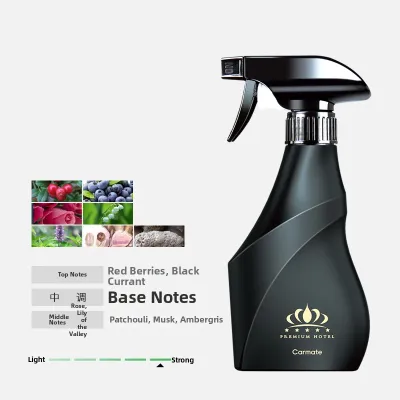
Prices are valid at publication and may change. Please refer to the product page for the latest price.
Humidity plays an equally critical role in fragrance performance. Singapore’s high relative humidity means the air is already heavily saturated with water vapor. This moisture can interfere with the diffusion process of solid diffusers and moisture-absorbing fragrance materials, such as scented cardboard or ceramic elements. When these materials absorb ambient moisture, the rate of fragrance release can become inconsistent, occasionally resulting in a damp, heavy scent profile that struggles to disperse effectively.
Furthermore, the combination of heat and humidity can cause certain fragrance bases to degrade chemically. Over time, prolonged exposure to these conditions can break down the synthetic or natural oils within the freshener. This degradation often manifests as a noticeable shift in the scent profile, turning a once-pleasant aroma into a sour, metallic, or overly chemical smell that no longer matches the manufacturer’s original design.
Scent Profiles That Thrive in Tropical Weather
To maintain a fresh and inviting cabin environment in tropical conditions, it is best to opt for light, crisp, and clean scent families. Citrus-based fragrances, featuring notes of lemon, bergamot, lime, or grapefruit, are exceptionally well-suited for hot weather. These notes have a high volatility, meaning they disperse quickly and provide an immediate sense of cleanliness and energy. They cut through the heavy, humid air inside a parked car without lingering long enough to become heavy or oppressive.

Aquatic and marine scent profiles also perform remarkably well in Singapore’s climate. These fragrances typically incorporate clean, airy, and slightly salty notes that evoke a sea breeze or fresh rain. Because they lack heavy, sugary undertones, they maintain a light and unobtrusive presence even when the cabin air is warm. Similarly, green tea and light herbal notes, such as mint, eucalyptus, or white tea, offer a soothing, spa-like quality that helps neutralize stale cabin odors without overwhelming the senses.
Conversely, certain scent profiles should be approached with caution or avoided entirely during the hottest months. Heavy vanilla, intense musk, deep amber, and sweet gourmand notes (such as caramel, chocolate, or heavy coconut) tend to expand aggressively in the heat. These heavier molecules have a lower volatility, meaning they cling to cabin fabrics and plastics, creating a stagnant, heavy atmosphere that can make the interior feel warmer and more humid than it actually is.
When selecting a scent, it is also important to balance the fragrance’s throw with your vehicle’s cabin size and your typical air conditioning usage. Larger vehicles, such as multi-purpose vehicles (MPVs) or sport utility vehicles (SUVs), may require a slightly more robust scent profile to ensure even distribution, whereas compact hatchbacks benefit from very mild formulations. If you frequently drive with passengers who are sensitive to strong smells, sticking to ultra-light citrus or green tea notes ensures a comfortable commute for everyone.
Evaluating Veloce Formulations and Delivery Mechanisms
Understanding the delivery mechanism of your Veloce car fragrance is crucial for predicting how it will behave in Singapore’s heat. Vent clips are highly popular because they utilize the vehicle’s active air conditioning flow to disperse the scent. This design is highly efficient in tropical climates, as the fragrance is primarily released when the cabin is being actively cooled and dehumidified. However, you should ensure the clip mechanism is sturdy and does not block the vent’s adjustment louvers.
Hanging diffusers, which often feature liquid fragrance in a small glass bottle with a porous wooden lid, require careful monitoring. The wood absorbs the liquid via capillary action, which is then evaporated by ambient cabin heat. In extremely hot vehicles, the liquid inside the bottle can expand, potentially leading to leaks if the bottle is tilted or hung incorrectly. Because concentrated fragrance oils can severely damage plastic dashboards, leather upholstery, and steering wheel covers, ensuring a secure, upright mounting position is a vital safety step.
Gel cans and solid-state polymer diffusers offer a more stable alternative for high-temperature environments. Unlike liquid-based systems, solid polymers and high-quality gels do not spill or leak if the vehicle travels over uneven roads or speed bumps. However, lower-grade gels can melt or shrink rapidly when exposed to direct sunlight on the dashboard. Checking the product specifications for heat-resistant gel formulations or choosing solid-state options can prevent these messy situations.
When browsing Veloce products, always read the manufacturer labels for temperature storage limits, recommended usage environments, and safety warnings. Look for formulations that specify alcohol-free bases. Alcohol is commonly used as a carrier to speed up evaporation, but in hot climates, it can cause the liquid to boil or deplete at an unsustainable rate. Alcohol-free or oil-based formulations release their scent more gradually, providing a safer and more consistent experience over several weeks.
Optimizing Placement and Lifespan in Hot Vehicles
To maximize the lifespan of your chosen Veloce fragrance, strategic placement within the vehicle is essential. Avoid placing any air freshener—whether liquid, gel, or solid—in direct sunlight, such as on top of the dashboard or hanging directly from the rearview mirror without shade. The intense solar radiation magnifying through the windshield can warp plastic housings, accelerate chemical degradation, and cause rapid liquid expansion. Instead, place the fragrance in shaded areas, such as passenger-side vents, door pockets, or under the seats.
If you are using a vent clip, make active use of the device’s built-in adjustment dial to control the scent intensity. When first entering a hot car, you can close the diffuser’s vents while the air conditioning runs on high to purge the hot air. Once the cabin has cooled down and the humidity has decreased, open the diffuser’s vents slightly to allow a gentle, controlled release of the fragrance. This habit prevents a sudden blast of concentrated scent from overwhelming you during the initial minutes of your drive.
Regularly inspect your car fragrance for observable signs of heat-induced degradation. If you notice visible color separation, cloudiness in a liquid bottle, structural warping of the plastic casing, or a shriveled, cracked appearance in a gel, the product has likely reached the end of its useful life. Replacing the fragrance promptly not only ensures a pleasant aroma but also eliminates the risk of compromised containers leaking onto your vehicle’s interior surfaces. If any liquid does spill, wipe it up immediately with a damp microfiber cloth to prevent permanent staining or melting of plastic trim.
Frequently Asked Questions (FAQ)
Can I leave my car fragrance in the vehicle overnight in Singapore?
Yes, you can leave your car fragrance in the vehicle overnight, but you should take precautions against humidity and temperature fluctuations. While nighttime temperatures in Singapore are cooler than during the day, the relative humidity rises significantly overnight. Enclosed vehicles can trap this moisture, which may interact with open gel cans or porous hanging diffusers, occasionally leading to a damp or musty undertone. To mitigate this, ensure your fragrance container is properly positioned away from areas prone to overnight condensation, such as directly beneath the windshield, and verify that the product’s packaging does not warn against high-humidity storage.
Do air-conditioned cars require stronger or weaker scents?
Air-conditioned cabins generally require moderate to light scents rather than highly concentrated ones. When you run the air conditioning, the system cools the air and actively removes moisture, which naturally reduces your olfactory sensitivity and slows down the physical diffusion of the fragrance. While this might make you feel the scent is weaker, choosing an excessively strong fragrance to compensate can backfire. Once the cabin temperature stabilizes, a strong scent can quickly become overwhelming in the sealed environment. It is more effective to use a crisp, medium-strength scent and adjust your vent clip’s flow control to find a comfortable balance.

Community discussion
Share your experience or ask a question. Comments are reviewed before publication.