
Selecting the ideal bicycle flashing LED lights for night commuting in Singapore requires focusing on three core pillars: strict legal compliance, high side-visibility for busy urban intersections, and robust weatherproofing to survive sudden tropical downpours. A commuter’s lighting setup must serve a dual purpose—allowing you to see the path ahead on unlit park connectors and ensuring you are clearly visible to motorists on major arterial roads.
Rather than simply purchasing the brightest available option, daily riders must evaluate how a light performs in a shared, high-density environment. The right combination of front and rear illumination keeps you safe, respects other road users, and ensures your equipment remains reliable throughout the year.
Ensure Your Lights Meet Singapore's Road Safety Regulations
Operating a bicycle on public roads during the hours of darkness requires strict adherence to local traffic safety laws. Regulations mandate that your bicycle must be equipped with a front headlight that projects a visible white light and a rear taillight that projects a visible red light. These color requirements are non-negotiable, as they allow other motorists to instantly identify your direction of travel.
Products mentioned in this guide
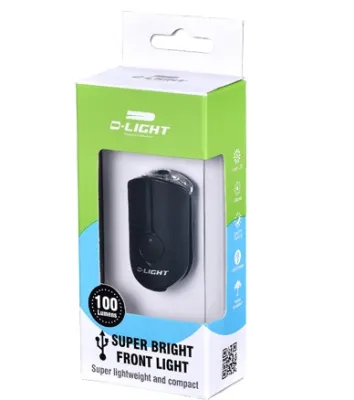
![[Waterproof rear tail light for bicycle lights] [LED charging warning light] [Mountain bike riding light] [Safety warning taillights]](https://img.lazcdn.com/g/p/5e9efc43d75a36b1186294fedb92c0db.jpg_400x400q80.jpg_.webp)
![[SG SELLER] Meroca Super One Smart Bicycle Taillight Auto Start Stop Brake Sensing Rear Light Bike Tail Light Rear Blinker](https://img.lazcdn.com/g/p/8076c43a72e6c14c2a5580051e08b14d.jpg_400x400q80.jpg_.webp)
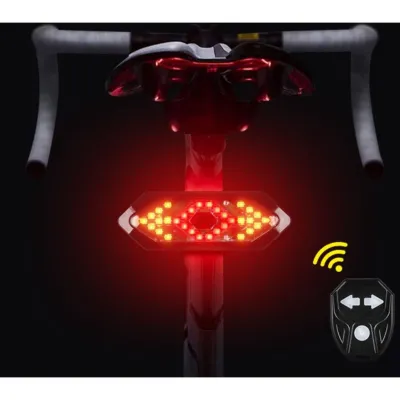
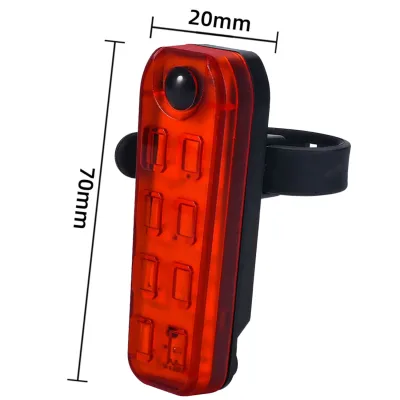
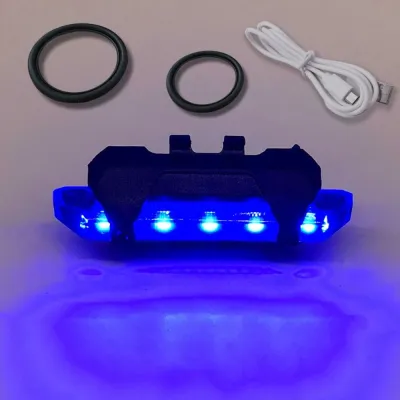
Prices are valid at publication and may change. Please refer to the product page for the latest price.
While flashing modes are highly effective for catching the attention of drivers in well-lit urban areas, some commuters prefer using a dual-light setup. This involves running one steady light to illuminate the road surface and a secondary flashing light to maximize visibility. This combination provides the benefits of both modes, helping others gauge your distance while ensuring you remain highly noticeable.
Proper mounting is equally critical to road safety and etiquette. A powerful front LED light angled too high can temporarily blind oncoming cyclists, pedestrians, and motorists, creating a hazardous situation. Always adjust your headlight bracket downward so the beam pattern focuses on the ground several meters ahead of your front wheel, keeping the brightest part of the light below the eye level of oncoming traffic.
Match Brightness and Beam Patterns to Urban Night Conditions
When evaluating light output, consider the specific environments along your daily commute. For well-lit city streets, a headlight producing 100 to 200 lumens is generally sufficient to ensure you are visible to others. However, if your route transitions onto unlit park connectors or quieter residential backroads, you will need a light capable of delivering 400 to 800 lumens to safely spot road hazards, debris, or sudden obstacles.

Beam shape plays a vital role in how effectively you see and are seen. A narrow, highly focused spotlight beam is poorly suited for urban commuting because it limits your peripheral vision. Look for lights designed with wide-angle lenses or dedicated side-visibility cutouts that allow light to escape laterally from the housing. This lateral illumination is crucial when navigating roundabouts or crossing busy intersections where motorists approach from the side.
Variable flashing patterns allow you to adapt to changing traffic densities. A rapid, high-intensity strobe mode is highly effective during daylight hours or heavy rain, but can be overly disruptive in slow-moving, crowded areas. Switching to a gentle pulse or a steady-flash hybrid mode in heavy traffic ensures you remain visible without causing discomfort or distraction to those around you.
Verify Battery Runtime and Tropical Weather Resistance
Singapore’s tropical climate presents unique challenges for electronic accessories, making weatherproofing a primary consideration. Before purchasing any lighting system, check the product packaging for its Ingress Protection (IP) rating. A minimum rating of IPX4 is necessary to protect against splashing water, but opting for IPX6 or higher ensures the unit can withstand torrential downpours and high humidity without failing.
Battery management is another critical factor for trouble-free daily commuting. Calculate your total weekly or daily round-trip commuting time and compare it against the manufacturer’s runtime specifications for your preferred light mode. Keep in mind that high-intensity steady modes drain batteries much faster than low-intensity flashing or pulsing modes.
Modern bicycle lights featuring USB-C charging ports offer convenient recharging options at your workspace or home. Integrated LED battery indicators are highly valuable, providing clear visual warnings when power levels run low so you are never left without illumination mid-journey. Always ensure the charging port cover is made of thick, durable rubber that seals tightly against moisture.
Select Secure Mounts for Daily Commuting and Parking
The physical connection between your light and your bicycle determines both safety on rough surfaces and convenience during your daily routine. Quick-release silicone straps are highly popular because they allow you to mount and remove the lights in seconds without tools. This is particularly useful when parking in public spaces, as removing your lights prevents opportunistic theft.
However, silicone straps can degrade over time when exposed to intense UV rays and high humidity. For a more permanent and stable setup, consider tool-required hard mounts that bolt directly to your handlebars or seatpost. These brackets offer superior stability on uneven surfaces and prevent the light from shifting or pointing upward during your ride.
Before purchasing, always verify the diameter of your bicycle’s handlebars and seatpost to ensure compatibility with the mounting brackets. If you choose a hard-mount system, select a model where the light unit itself can be easily unclipped from the bracket. This allows you to take the lights indoors for charging while leaving the mounting hardware securely attached to the frame.
Build a Practical Shortlist and Purchasing Checklist
When browsing options in local bike shops or on an online marketplace, prioritize reliable optics and certified safety standards over secondary smart features. While automatic brake sensors or smartphone connectivity can be convenient, they also introduce more points of potential electronic failure. Focus on robust build quality, reliable switch mechanisms, and clear visibility features.
Examine the product packaging carefully for explicit compliance markings and accurate specification labels rather than relying on unverified online listings. Look for reputable brands that provide clear warranty terms and have local after-sales support to handle potential electronic failures. A reliable checklist should include verifying the IP rating, checking the mounting diameter, confirming the presence of side-visibility windows, and ensuring the battery indicator is easy to read.
Before making your final choice, inspect the physical build of the light in person if possible. Ensure the buttons are easy to operate even when wearing cycling gloves, and verify that the charging port cover fits snugly into place. By systematically checking these practical details, you can build a dependable lighting setup that keeps you safe and visible on every night commute.
Frequently Asked Questions (FAQ)
Is it legal to use blue or green LED lights on my bicycle?
No, it is not legal to use blue, green, or other colored lights as your primary forward or rearward illumination on public roads in Singapore. Local traffic regulations strictly mandate a white light at the front and a red light at the rear. Using emergency-style colors like blue or green can confuse other road users and law enforcement officers, potentially leading to penalties or fines.
How do I protect the charging port from humidity and corrosion?
To protect your light’s charging port from high humidity and heavy rain, always ensure the rubber protective flap is pressed firmly and completely sealed after every charge. Never plug in your light to charge while the port is damp; allow it to air-dry completely first. Avoid using harsh chemical cleaners or solvents on the casing, as these can degrade the rubber seals over time, allowing moisture to seep into the delicate internal electronics.
Community discussion
Share your experience or ask a question. Comments are reviewed before publication.