
To clean tight spots, wheels, and crevices effectively, you need a combination of specialized detailing brushes alongside your standard car wash mop. While a car wash mop is excellent for flat, broad panels, it cannot safely navigate intricate wheel spokes, lug nut recesses, door jambs, or grille mesh. Selecting the right tools involves matching brush shapes and bristle materials to specific vehicle surfaces to prevent scratches while ensuring thorough dirt removal. By understanding how these tools complement each other, you can build a highly effective cleaning routine that protects your vehicle’s finish.
Why a Standard Car Wash Mop Falls Short in Tight Spaces
A standard car wash mop is engineered for efficiency on large, flat expanses of a vehicle, such as the roof, hood, and side panels. These tools typically feature wide, flat heads covered in thick microfiber chenille or plush wash pads designed to hold large volumes of soapy water. While this design is perfect for quickly gliding over broad surfaces and lifting loose dirt, it becomes highly impractical when encountering the intricate geometry of modern vehicles. The bulky frame of a mop head simply cannot conform to tight recesses, leaving accumulated road grime untouched in hard-to-reach areas.
Attempting to force a large car wash mop into narrow gaps or crevices also introduces a significant risk of paint damage. Mops work by trapping dirt within their fibers and carrying it away from the paint. However, when you compress a bulky mop head into a tight space—such as the gap between a side mirror and the door panel—you lose the cushioning effect of the fibers. This compression presses any trapped grit directly against the edges of the panels, acting like sandpaper. The resulting lateral pressure can easily cause deep swirl marks, scratches, and clear coat marring along the edges of your bodywork.
Products mentioned in this guide
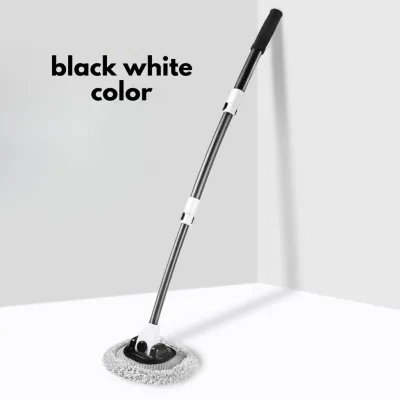
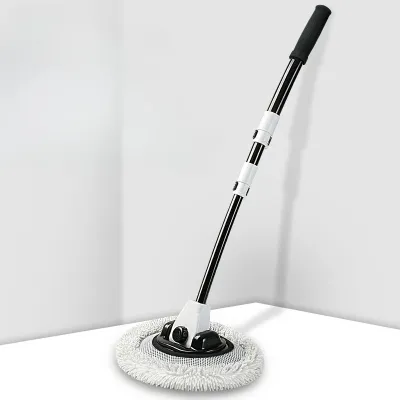

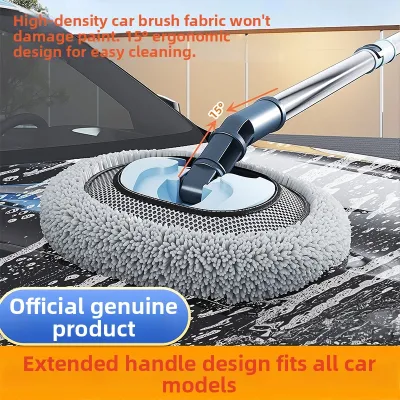
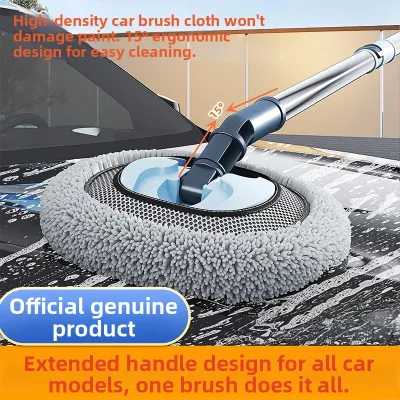
![[SG] Car Wash Mop ✨ Car Shampoo Window Cleaner Car Cloth Car Brush Car Mop](https://img.lazcdn.com/g/p/32f40ca9edbe236ae444a08011af58d0.png_400x400q80.png_.webp)
![[SG SELLER] Car wash mop chenille three-section telescopic special brush soft hair cleaning car washing tool Extendable Pole](https://img.lazcdn.com/g/p/152fda19162c3ab77eddec33adb083ca.png_400x400q80.png_.webp)
Prices are valid at publication and may change. Please refer to the product page for the latest price.
Furthermore, wheels and lower body panels accumulate a completely different type of contamination compared to the upper surfaces of your car. Lower areas are coated in highly abrasive road grit, tar, and metallic brake dust. If you use the same car wash mop for both the broad body panels and these heavily soiled lower areas, you risk cross-contaminating your washing tools. Even with thorough rinsing, fine metallic particles can remain trapped in the mop fibers, ready to scratch your delicate clear coat during the next wash. Transitioning to specialized detailing brushes for these specific zones is essential for maintaining a scratch-free finish.
Brush Designs and Shapes for Hard-to-Reach Areas
To clean every corner of your vehicle safely and thoroughly, you must utilize brushes designed for specific detailing tasks. The market offers a wide variety of brush shapes, each engineered to address the unique challenges of different vehicle components. Understanding these designs allows you to select the right tool for the job, ensuring you do not have to struggle with improper angles or inadequate reach.

Wheel well and tire brushes are built to handle the heaviest accumulation of road grime, mud, and salt. These brushes typically feature long, sturdy handles made of impact-resistant plastic, allowing you to reach deep into the wheel arches without scraping your hands against the fender edges. The brush heads are often angled relative to the handle to provide better leverage when scrubbing curved inner liners. The bristles on these brushes are relatively stiff, providing the mechanical action necessary to scrub away stubborn, baked-on dirt from rubber tire sidewalls and textured plastic wheel wells.
Crevice and vent brushes are much smaller, delicate tools designed for intricate exterior trim and interior surfaces. These brushes often resemble high-quality paintbrushes, featuring round, tapered heads with very soft bristles. They are ideal for cleaning around exterior emblems, window seals, fuel filler necks, and complex front grille meshes where dirt tends to settle in thin lines. The soft bristles bend easily to sweep out dust and dried polish from tight panel gaps without applying excessive pressure that could scratch the surrounding paint or gloss trim.
Door jamb and lug nut brushes are compact, cylindrical, or cone-shaped tools designed to clean deep, narrow recesses. A cylindrical brush, often referred to as a spoke brush or wheel barrel brush, can slide easily between wheel spokes to clean the inner barrel of the wheel. Smaller versions of these cylindrical brushes are perfect for cleaning the tight recesses around wheel lug nuts, where corrosive brake dust accumulates. Their compact, flexible profiles also make them highly effective for navigating the complex hinges, wiring looms, and drain channels found inside door jambs and boot surrounds.
How to Match Brush Materials to Vehicle Surfaces
Selecting the correct brush shape is only half the battle; you must also match the bristle material to the specific surface you are cleaning. Using a brush with bristles that are too stiff on a delicate surface will cause immediate, permanent scratching, while using a brush that is too soft on heavy grime will simply waste your time and effort. Always evaluate the hardness and sensitivity of the surface before choosing your tool.
For delicate surfaces like clear-coated paintwork, gloss black plastic trim, glass, and interior dashboard components, soft synthetic fibers or natural boar-hair bristles are essential. Natural boar hair is highly prized in detailing because it is naturally soft, flexible, and durable. These bristles absorb soapy water well, providing excellent lubrication as they glide over sensitive finishes. High-quality synthetic brushes often feature flagged or split ends, which mimic the softness of natural hair and help trap fine dust particles safely, lifting them away from the surface rather than dragging them across it.
For tougher areas like alloy wheels, brake calipers, and rubber tires, stiffer materials are required to break down bonded contaminants. Stiff nylon bristles are excellent for scrubbing tire sidewalls to remove old tire dressings, road film, and blooming. However, nylon is too aggressive for painted or polished alloy wheels. For the inner barrels and faces of alloy wheels, specialized microfiber “wheel wool” or soft nylon-wrapped brushes are preferred. These materials provide enough scrubbing power to remove baked-on brake dust without scratching the wheel’s delicate finish.
Before applying any brush to your vehicle, always check the manufacturer’s labels and product instructions for surface compatibility. Never assume a brush is safe for paint just because it is labeled as an automotive tool. Test any new brush on an inconspicuous area first, such as the underside of a bumper or the inside of a door jamb, to verify that it does not leave fine scratches or marring on your specific vehicle’s finish. This simple precaution can save you from costly paint correction work later.
Building a Practical Detailing Kit for Your Vehicle
Building an effective detailing kit does not mean buying every brush available on the market. Instead, you should analyze your vehicle’s specific design features to select a targeted set of tools that matches your actual cleaning needs. This approach keeps your kit organized, reduces clutter, and ensures you invest your money where it matters most.
Start by identifying the most challenging areas on your vehicle. If your car features complex multi-spoke alloy wheels, a dedicated cylindrical wheel barrel brush is an absolute necessity. If your vehicle has a large, intricate front grille with dozens of small plastic honeycombs, a set of soft, varied-size detailing brushes will save you hours of frustration. Tailor your purchases to these high-priority zones rather than buying generic multi-packs that contain tools you will never use.
Prioritize multi-purpose brushes over highly specialized, single-use tools when starting out. A high-quality, medium-sized soft detailing brush can handle emblems, grilles, door jambs, and even interior dust cleaning. By focusing on versatile tools first, you keep your kit organized and avoid cluttering your storage space with redundant equipment. As you refine your routine, you can add specialized tools like lug nut brushes if you find your multi-purpose brushes cannot reach those areas effectively.
Set a realistic budget for your detailing kit based on your washing frequency and goals. In Singapore, a basic set of three to four high-quality detailing brushes typically ranges from S$15 to S$40. If you wash your car weekly at a local HDB wash bay, investing in durable, chemical-resistant brushes with synthetic handles is highly cost-effective, as they will resist rot and bristle loss over years of regular use. For occasional hobbyists, a modest investment in a couple of versatile brushes is usually more than sufficient.
Cleaning and Storing Your Detailing Brushes
Proper maintenance of your detailing brushes is critical to ensure they remain safe for your vehicle’s surfaces over time. Neglecting your tools can lead to trapped grit, which will scratch your paint during the next wash, or cause the bristles to deform and degrade prematurely. A few simple steps after each wash will keep your brushes in peak condition for years.
Always rinse your brushes thoroughly with clean water immediately after use. Pay special attention to wheel brushes, which accumulate highly abrasive brake dust and metal particles. Massage the bristles under running water to ensure all trapped grit, dirt, and soap residues are completely flushed out from the deep recesses of the brush head. If you have been using strong chemical cleaners, such as wheel acid or heavy degreasers, ensure the brush is completely neutralized to prevent the chemicals from degrading the bristles or handle over time.
To prevent severe scratch risks, strictly separate your wheel cleaning brushes from those used on your paintwork and interior. Cross-contamination is a major cause of paint marring; even a tiny amount of leftover brake dust transferred to a paint brush can act like sandpaper on your clear coat. Store your wheel brushes in a separate, clearly labeled container, and consider color-coding your brushes so you never accidentally use a wheel brush on your vehicle’s body panels.
Proper drying and storage techniques will significantly extend the lifespan of your brushes. After rinsing, gently shake out excess water and hang the brushes upside down by their handle holes to air-dry. This prevents water from pooling in the ferrule, which can rot wooden handles or loosen the adhesive holding the bristles. Avoid storing damp brushes in airtight containers, especially in Singapore’s humid climate, as this encourages mildew growth and can permanently deform the bristles. Store them in a cool, dry place out of direct sunlight to prevent the plastic handles from becoming brittle.
Frequently Asked Questions (FAQ)
Can I use a regular household brush for car crevices?
It is highly discouraged to use regular household brushes, such as old toothbrushes or dish brushes, on your car’s crevices. Household brushes are typically made with stiff, cheap nylon bristles designed for hard plastics or ceramics, which will easily scratch delicate automotive clear coats and gloss trims. Additionally, household brushes lack the chemical resistance required to withstand harsh automotive wheel cleaners and degreasers, causing the bristles to degrade or shed rapidly. They also lack the protective rubber or plastic ferrules found on automotive detailing brushes, increasing the risk of accidentally scratching your paint with the hard plastic edges of the brush head.
How often should I replace my detailing brushes?
You should replace your detailing brushes as soon as they show visible signs of wear that compromise their safety or effectiveness. Look for splayed, bent, or flattened bristles that no longer hold their shape, as these will fail to clean effectively and may expose the hard ferrule to your paint. If you notice embedded grit or dark brake dust stains that cannot be washed out, discard the brush immediately to avoid scratching your vehicle. Finally, inspect the handles and ferrules; if the handle is cracked, the ferrule is loose, or bristles are shedding excessively during use, it is time to invest in a replacement.

Community discussion
Share your experience or ask a question. Comments are reviewed before publication.