
To protect an SUV from Singapore’s intense tropical climate, a car cover should ideally feature a verified waterproof rating of at least 1,500 mm to 2,000 mm hydrostatic head, coupled with a certified ultraviolet (UV) protection rating such as UPF 50+ or a documented 90% minimum UV-blocking specification. Because the region experiences sudden, heavy monsoon downpours alongside extreme, year-round solar radiation, relying on generic “water-resistant” or “sun-proof” labels is insufficient. Buyers must look for specific, tested material standards and structural designs—such as heat-welded seams and breathable membranes—to shield their vehicle’s paint, rubber seals, and interior without trapping destructive moisture underneath.
Selecting the wrong cover can lead to accelerated paint degradation, trapped humidity, and physical abrasion. By understanding how to read technical specifications and verify manufacturer claims, you can make an informed decision that preserves your SUV’s exterior finish and cabin components over the long term.
Understanding Singapore's Climate Impact on SUV Car Covers
Singapore’s equatorial climate presents a harsh environment for vehicles parked outdoors. The combination of high relative humidity, frequent and sudden monsoon downpours, and an ultraviolet index that regularly reaches extreme levels creates a multi-front assault on automotive exteriors. SUVs, with their larger surface areas, flat roofs, and expansive hoods, are particularly vulnerable to these environmental factors, as they collect and retain more heat and rainwater than smaller vehicles.
Products mentioned in this guide
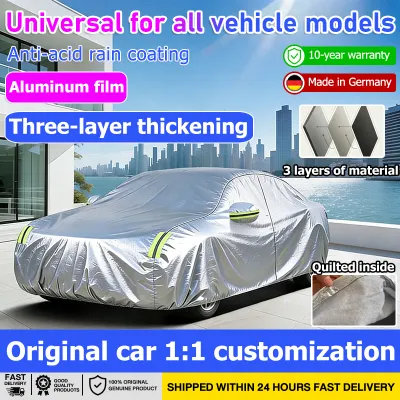
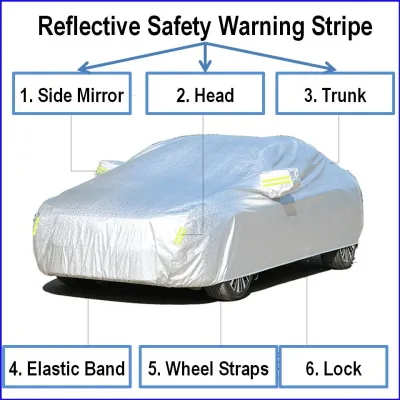
Prices are valid at publication and may change. Please refer to the product page for the latest price.
Unprotected exposure to intense UV radiation causes clear coats to oxidize, leading to paint fading, chalking, and eventual peeling. Additionally, the heat generated by prolonged sun exposure degrades rubber window seals, wiper blades, and plastic trim, causing them to become brittle, crack, and lose their sealing properties. Inside the cabin, UV rays passing through the glass can fade upholstery and cause dashboard materials to warp or crack.
When heavy rain immediately follows intense sunlight, the rapid temperature drop can cause materials to contract quickly, stressing the vehicle’s outer layers. Generic, lightweight, or indoor-only covers fail rapidly under these conditions. They lack the structural integrity to withstand heavy downpours, often allowing water to seep through almost immediately, while their untreated fabrics degrade and tear after only a few weeks of exposure to high UV levels.
To ensure adequate protection, vehicle owners must transition from relying on vague marketing terms like “all-weather” or “heavy-duty” to checking verified manufacturer specifications. A cover designed for tropical outdoor use must be engineered to handle both water exclusion and solar reflection simultaneously, requiring a sophisticated multi-layer material composition.
How to Verify Waterproof Ratings and Material Specs
When evaluating a car cover’s ability to withstand heavy rain, you should look for a hydrostatic head rating, which is typically measured in millimeters (mm). This rating indicates the pressure of water the fabric can support before moisture begins to penetrate. For Singapore’s intense monsoon seasons, a cover should have a minimum waterproof rating of 1,500 mm to 2,000 mm; ratings below this threshold are generally intended for light showers and will saturate during prolonged downpours.

Even the most waterproof fabric will fail if the seams are poorly constructed. Standard stitched seams create thousands of tiny needle holes that allow water to slowly leak onto the vehicle’s surface during heavy storms. When reviewing product specifications, verify that the cover features sealed, taped, or heat-welded seams, which physically block water from entering through the joints.
High-quality waterproof covers utilize a multi-layer construction to balance protection and durability. Typically, an outer layer is treated with a durable water-repellent (DWR) coating that causes rainwater to bead and roll off the surface. Beneath this outer layer, a specialized polyurethane or thermoplastic polyurethane (TPU) membrane provides the primary waterproof barrier, preventing water molecules from passing through while allowing smaller air molecules to escape.
It is important to note that material names alone, such as polyester, polyethylene, or polyurethane, do not guarantee waterproof performance. Different manufacturing processes and coating thicknesses yield vastly different levels of water resistance. Always look for explicit test data or manufacturer-backed specifications confirming the hydrostatic head rating rather than assuming a material is waterproof based on its name.
Evaluating UV Protection and Heat Reflection Features
To combat intense, year-round solar radiation, a car cover must offer verified UV protection. Look for products that specify an Ultraviolet Protection Factor (UPF) rating, with UPF 50+ being the ideal standard, as it blocks approximately 98% of harmful UV radiation. Alternatively, manufacturers may state a specific UV-blocking percentage, which should ideally be 90% or higher to prevent paint and trim degradation.
Reflective outer layers play a critical role in managing heat absorption. Covers featuring a silver-treated or aluminum-coated outer surface are highly effective at bouncing solar radiation away from the vehicle, keeping the cabin temperature significantly lower than covers made of standard dark fabrics. Darker materials absorb heat, transferring it directly to the vehicle’s body and accelerating the degradation of interior plastics and electronics.
However, there are trade-offs associated with highly reflective coatings and heavy materials. Some reflective treatments can become brittle and flake off over time if they are subjected to constant folding, wind friction, or improper cleaning. Furthermore, extremely thick or heavy materials do not automatically guarantee superior UV protection; without specific UV-inhibiting chemical treatments, thick fabrics can still degrade, lose their tensile strength, and tear easily under constant sun exposure.
Before purchasing, verify that the UV-resistant properties are integrated into the fabric fibers or applied as a durable, automotive-grade coating. Checking the manufacturer’s documentation for UV testing standards ensures that the cover will maintain its protective qualities and structural integrity through years of daily sun exposure.
Fit, Breathability, and Safe Usage in Humid Conditions
In a highly humid environment, water resistance must be balanced with breathability. If a car cover is completely impermeable to air, moisture rising from the damp ground or condensing from the air will become trapped underneath. This trapped moisture, combined with heat from the sun, creates a greenhouse effect that can cause osmotic paint blistering, rust on exposed metal components, and mold growth inside the vehicle’s cabin.
To prevent this, high-quality covers incorporate breathable membranes, micro-porous layers, or strategic ventilation panels. These features allow trapped water vapor to escape outward while preventing liquid water from entering from the outside. When selecting a cover, ensure it has built-in vents, usually located near the top or sides, protected by overhanging flaps to keep rain out while allowing air circulation.
Proper fitment is also essential to prevent physical damage to your SUV. Because SUVs have a high profile and large surface areas, they are highly susceptible to wind. A loose-fitting cover will flap violently in the wind, causing the inner lining to rub against the paintwork and create micro-scratches or swirl marks. Look for SUV-specific fitment guides that match your vehicle’s exact dimensions, and ensure the cover includes elasticized hems, secure under-body tie-down straps, and dedicated mirror pockets to keep it firmly in place.
Safe usage requires careful preparation before applying the cover. Never place a cover over a wet, hot, or dirty vehicle. Covering a hot car (such as immediately after driving) traps engine heat, which can damage both the cover’s inner lining and the vehicle’s paint. Similarly, covering a dirty car traps dust and road grime between the paint and the cover; as the wind moves the cover, these particles act like sandpaper, scratching the clear coat. Always wash and thoroughly dry your SUV before covering it.
Maintenance and Inspection Routine for Tropical Weather
To ensure your SUV car cover continues to provide reliable protection, establish a regular inspection and maintenance routine. Every few weeks, perform a visual check of the cover while it is on the vehicle. Look for signs of coating degradation, such as flaking silver material, thinning fabric, or areas where water no longer beads but instead saturates the material. Inspect the seams for any signs of separation or peeling tape, and check the inner lining for dirt accumulation or mold growth.
When cleaning the cover, always follow the manufacturer’s care label instructions to avoid stripping the protective coatings. Generally, you should clean the cover while it is installed on the vehicle. Spray it down with clean, cool water and use a soft sponge or microfiber cloth with a mild, pH-neutral automotive shampoo. Avoid using harsh household detergents, bleach, or hot water, as these chemicals can dissolve the DWR coating and degrade the UV-blocking agents.
Never machine wash or machine dry a heavy-duty outdoor car cover unless the manufacturer explicitly states it is safe to do so, as the agitation and heat can destroy the waterproof membranes and melt synthetic fibers. After washing, allow the cover to air dry completely on the vehicle or on a clean clothesline before folding and storing it. Storing a damp cover in its storage bag will quickly lead to mold, mildew, and unpleasant odors, rendering it unusable.
Eventually, all outdoor covers will reach the end of their service life due to constant exposure to harsh elements. You should retire and replace your cover if you notice persistent water leakage through the fabric, widespread seam failure, or if the material becomes brittle and tears easily under light tension. Continuing to use a compromised cover can trap moisture and dirt against your vehicle, causing more harm than leaving the vehicle uncovered.
Frequently Asked Questions (FAQ)
Is it safe to leave an SUV covered for weeks without driving?
Leaving an SUV covered for extended periods without driving carries risks in a humid climate. Even with a highly breathable cover, moisture can slowly accumulate underneath due to ground evaporation and temperature fluctuations. If left undisturbed for weeks, this trapped moisture can lead to mold growth on interior surfaces, musty odors, and potential paint damage. It is highly recommended to remove the cover at least once a week to let both the vehicle and the cover air out in the sun, ensuring the paint surface remains dry and clean.
Do I need a soft inner lining for my SUV car cover?
Yes, a soft inner lining is highly beneficial for protecting your SUV’s paintwork. High-quality covers typically feature a soft fleece, microfiber, or brushed cotton inner layer that contacts the vehicle’s surface. This soft lining acts as a cushion, minimizing the risk of micro-scratches and swirl marks on modern clear coats when the cover shifts due to wind or during the installation and removal process. However, you must ensure the inner lining remains clean, as any trapped dirt or grit on the inside of the cover will scratch the paint when applied.

Community discussion
Share your experience or ask a question. Comments are reviewed before publication.