
Riding a motorcycle out of Singapore for a long-distance tour across Southeast Asia offers unparalleled freedom, but it also introduces logistical challenges, particularly fuel management. While Singapore itself has a dense network of petrol stations, crossing the border into neighboring regions often means encountering long stretches of highway or remote mountain passes where fuel stops are sparse or unreliable. Carrying extra fuel becomes a practical necessity for peace of mind, but doing so safely requires more than just strapping any plastic bottle to your luggage rack.
Selecting the right petrol container is a critical safety decision that directly impacts your motorcycle’s stability, your compliance with local laws, and your personal safety on the road. A poorly chosen container can leak under tropical heat, degrade from chemical exposure, or shift during high-speed riding, leading to catastrophic hazards. To make an informed choice, you must evaluate regulatory boundaries, material durability, secure mounting systems, and weight distribution principles before setting off on your journey.
Safety and Legal Boundaries for Carrying Extra Fuel
Before purchasing any auxiliary fuel container, you must understand the legal and regulatory frameworks governing the transport of flammable liquids in Singapore and across international borders. In Singapore, the Singapore Civil Defence Force (SCDF) and the Land Transport Authority (LTA) enforce strict guidelines regarding the carriage of petroleum products to prevent fire hazards in public spaces and on highly congested roads. Transporting fuel in unapproved containers or exceeding specified volume limits can result in heavy fines or vehicle impoundment.
Products mentioned in this guide
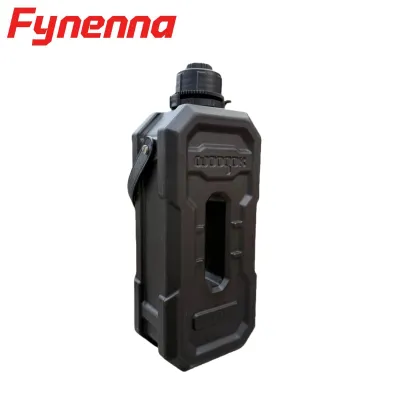
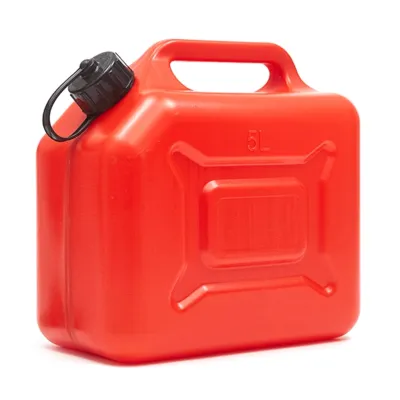
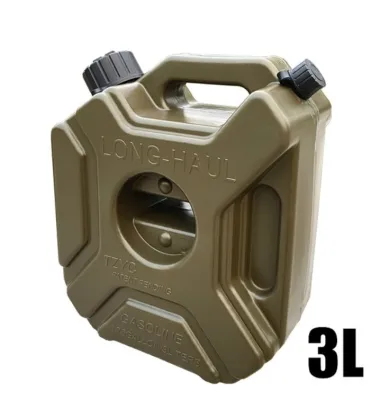
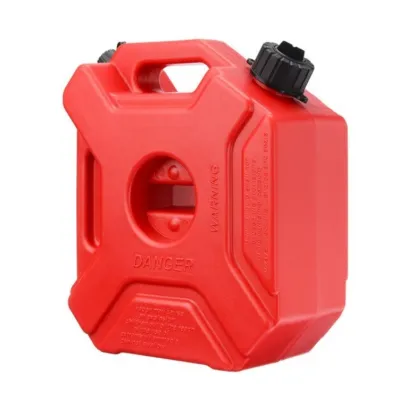
Prices are valid at publication and may change. Please refer to the product page for the latest price.
When planning a cross-border tour, such as riding through Malaysia, customs and border control regulations add another layer of complexity. Border checkpoints often have strict limits on the amount of fuel you can bring across in portable containers to prevent illegal fuel smuggling or tax evasion. You must research the current customs directives for both the departing and entering countries, ensuring that any auxiliary fuel is declared if required and kept within the legal volume thresholds.
Beyond public laws, you must consult your motorcycle manufacturer’s official documentation to verify the vehicle’s structural limits. Every motorcycle has a maximum payload capacity, which includes the rider, passenger, riding gear, and all luggage. Adding a heavy container of petrol alters this balance, and mounting heavy accessories to unapproved points on the subframe can void your manufacturer’s warranty or cause structural fatigue over time.
Handling highly volatile fuel also demands an understanding of static electricity and thermal expansion. As fuel sloshes inside a container during a ride, static charges can build up, creating a spark hazard during refueling. High-quality containers incorporate grounding features or are made from specialized antistatic materials. Furthermore, the intense tropical heat of Southeast Asia causes petrol to expand rapidly, meaning you must select a container designed to handle high internal pressures and leave an adequate expansion gap when filling.
Core Selection Criteria for Touring Fuel Cans
The physical design and material composition of a touring fuel container are your primary defenses against dangerous leaks and structural failures. A standard plastic bottle or cheap utility jug will quickly degrade when exposed to modern petrol, which often contains ethanol blends like E10 or E20. Ethanol is highly corrosive to certain plastics and rubbers, meaning you must verify that the container’s material is explicitly rated for long-term chemical compatibility with modern fuels.

Look closely at the sealing mechanisms of any container you consider. High-quality fuel cans utilize dual O-ring seals made from viton or other fuel-resistant synthetic rubbers that maintain their elasticity under extreme temperature fluctuations. The cap assembly should feature a locking mechanism or a ratcheting design that prevents it from backing off due to engine vibrations. Additionally, integrated pressure-relief valves or self-venting spouts are essential; they allow built-in pressure to escape safely before you open the cap, preventing fuel from spraying onto hot engine parts or your riding gear.
Material durability is equally critical when riding through diverse terrain. The container must be constructed from high-density polyethylene (HDPE) or heavy-duty aluminum, both of which offer excellent impact resistance in the event of a tip-over or slide. UV stability is another vital factor, as prolonged exposure to the intense tropical sun can degrade cheap plastics, making them brittle and prone to cracking. Ensure the manufacturer specifies UV-inhibiting additives in the plastic formulation.
Finally, consider the container’s physical shape and how it integrates with your motorcycle’s ergonomics. A bulky, awkwardly shaped container can interfere with your riding position, restrict your movement, or block access to your existing luggage. Flat, low-profile designs are generally preferred for motorcycle touring because they distribute the fuel’s volume over a wider, flatter surface area. This low-profile shape helps keep the center of gravity as low as possible and allows other luggage to be stacked securely on top if necessary.
Mounting Systems and Weight Distribution
How you secure the petrol container to your motorcycle is just as important as the container itself. A loose fuel can is an immediate safety hazard that can shift during sudden braking, cornering, or off-road riding, potentially destabilizing the motorcycle or falling into the path of other vehicles. You should prioritize dedicated bracket systems that bolt directly to your motorcycle’s existing luggage racks or subframe, providing a rigid, mechanical connection.
If you use heavy-duty straps or webbing instead of a hard-mount bracket, ensure they are rated for outdoor use and resistant to UV degradation and fuel spills. Avoid elastic bungee cords, which stretch under load and allow the container to bounce or slide when hitting bumps. The mounting system must hold the container completely immobile, even when subjected to the continuous vibrations of long-distance highway cruising.
Adding several kilograms of liquid fuel to your motorcycle significantly alters its handling characteristics. Liquid weight is dynamic; as you accelerate, brake, or turn, the fuel sloshes inside the container, shifting the vehicle’s center of mass. To minimize this effect, mount the container as low and as close to the motorcycle’s centerline as possible, such as on the lower portion of side pannier racks. Avoid mounting heavy fuel containers high up on a top rack or behind the rear axle, as this can lighten the front wheel, degrade steering response, and increase braking distances.
Routing the container requires careful planning to avoid thermal and mechanical hazards. Keep the fuel container well away from hot exhaust pipes, mufflers, and engine components to prevent the fuel from boiling or igniting. Additionally, ensure the container and its mounting hardware do not interfere with moving parts like the rear swingarm, drive chain, sprockets, or suspension components. If your mounting setup requires modifying the motorcycle’s frame, electrical system, or structural components, always consult a qualified professional mechanic to perform the installation safely.
Building Your Shortlist: What to Verify Before Buying
When you are ready to purchase a petrol container, compile a shortlist of options and subject each to a rigorous verification process. Never assume a container is safe for fuel just because it is sold in an automotive section or looks like a traditional jerry can. Verify that the product carries official certifications, such as UN certification numbers or compliance with international standards like ASTM or EPA, which prove the container has undergone pressure, drop, and permeability testing.
Carefully inspect the manufacturer’s user manual and product labels before buying. Look for specific maintenance requirements, such as how often the rubber O-rings must be replaced or how to clean the venting system. A container that requires proprietary replacement parts that are difficult to source in Singapore may leave you stranded if a seal fails during a tour. Ensure that replacement seals and spouts are readily available.
It is also wise to compare the option of carrying external fuel containers against other fuel-expansion alternatives. For some motorcycle models, aftermarket manufacturers offer integrated auxiliary fuel tank kits that plumb directly into the main fuel system, or larger-capacity primary fuel tanks made of impact-resistant materials. While these options are generally more expensive and may require professional installation, they offer a much cleaner, safer, and more streamlined solution than carrying external cans, completely eliminating the need to manually pour fuel on the side of the road.
Before making your final decision, perform a physical check of your motorcycle’s mounting points. Measure the clearances around your luggage racks, exhaust, and passenger footpegs to ensure the container and its bracket will fit without interference. Taking these proactive steps ensures that your auxiliary fuel setup is a reliable asset rather than a dangerous liability on your next touring adventure.
Frequently Asked Questions (FAQ)
Can I use a standard jerry can for motorcycle touring?
Standard jerry cans designed for passenger cars or utility vehicles are generally unsuitable for motorcycle touring. These containers are typically too bulky and heavy, lacking the specialized, compact mounting systems required to secure them to a motorcycle’s narrow frame or luggage racks. Without a secure, vibration-resistant mount, a standard jerry can is highly likely to shift during a ride, which can damage your motorcycle’s subframe, interfere with your handling, or create a severe safety hazard if it falls off. Additionally, their seals are often not rated for the continuous, high-frequency vibrations unique to motorcycles, leading to a high risk of fuel leakage.
How should I store an empty fuel container during a tour?
An empty fuel container requires just as much care as a full one because residual petrol fumes are highly volatile and explosive. When the container is empty, keep the cap tightly sealed to prevent fumes from escaping and accumulating near hot engine parts or inside your luggage. Ensure the empty container remains securely mounted to its bracket or rack; do not loose-pack it inside a soft bag where it can rub against other items, generate static electricity, or become a projectile in a crash. If you must store it inside a pannier, ensure the compartment is well-ventilated and completely isolated from any electrical wiring or heat sources.
Community discussion
Share your experience or ask a question. Comments are reviewed before publication.