
Selecting the right car perfume refill in Singapore requires balancing personal fragrance preferences with the harsh realities of a tropical climate. High ambient temperatures and intense humidity significantly accelerate the evaporation rate of car air fresheners, often causing premium scents to dissipate much faster than expected. To ensure your Vanzo car perfume refill maintains a consistent, pleasant aroma without requiring constant replacement, you must evaluate the physical format of the refill, the chemical nature of its scent profile, and its placement within the vehicle cabin.
Understanding how heat interacts with different fragrance mediums allows you to make an informed decision that maximizes longevity. By choosing formats designed to resist rapid thermal evaporation and selecting scent profiles that remain pleasant in high humidity, you can maintain a fresh interior environment. This guide provides actionable insights into selecting, placing, and maintaining your car perfume refills to achieve the best possible performance in tropical conditions.
How Tropical Heat Alters Car Fragrance Performance
The physical behavior of any car fragrance is directly governed by ambient temperature and humidity. When a vehicle is parked under the sun in Singapore, the cabin acts as a greenhouse, trapping solar radiation and causing internal temperatures to rise far above the outdoor ambient level. This intense heat increases the kinetic energy of the fragrance molecules, forcing them to transition from a liquid or gel state into a gas at an accelerated rate.
Products mentioned in this guide
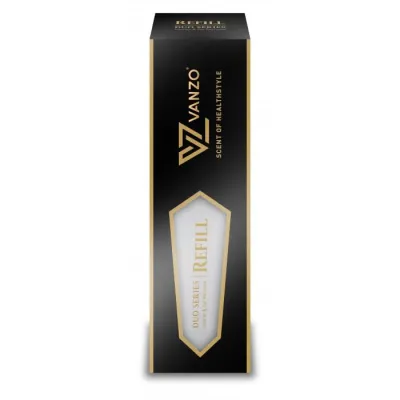
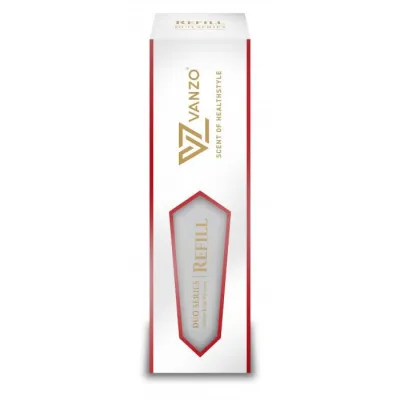
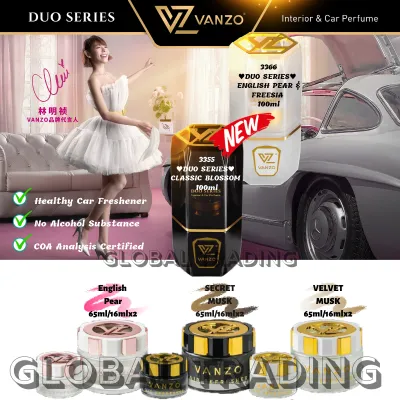
Prices are valid at publication and may change. Please refer to the product page for the latest price.
Volatility varies significantly across different fragrance formulations. Alcohol-based perfumes possess a low boiling point, meaning they vaporize rapidly when exposed to heat. While this results in an immediate and powerful scent projection, it also leads to premature depletion of the refill. Oil-based and solid formulations, by contrast, have higher boiling points and release their aromatic compounds much more gradually, making them inherently more suitable for hot climates.
Humidity further complicates how we perceive and experience cabin fragrances. High relative humidity means the air is already heavily saturated with water vapor, which can suppress the diffusion of lighter scent molecules while trapping heavier, denser compounds close to cabin surfaces. This phenomenon can cause certain fragrances to feel heavy, sticky, or cloying rather than fresh and inviting.
Furthermore, prolonged exposure to ultraviolet (UV) radiation from direct sunlight initiates photolytic degradation of the fragrance oils. This chemical breakdown alters the molecular structure of the scent compounds, often resulting in a noticeable shift in the aroma. Over time, UV-damaged refills may lose their original character, developing a sour, metallic, or excessively chemical smell that no longer resembles the intended fragrance profile.
Comparing Vanzo Refill Formats for Heat Resistance
When selecting a Vanzo car perfume refill, the physical format of the product is the single most critical factor determining its lifespan in tropical heat. Liquid diffusers, gel-based containers, and solid or vent-clip refills each interact differently with high cabin temperatures, offering distinct trade-offs between immediate scent projection and long-term durability.

Liquid refills typically rely on a porous wick or capillary action to draw the fragrance oil upward for evaporation. While this design delivers a highly consistent and potent scent throw, it is highly vulnerable to rapid evaporation in hot weather. The liquid level can drop rapidly during consecutive days of open-air parking, making liquid formats less economical for drivers who frequently park in unsheltered locations.
Gel-based refills offer a more resilient alternative for hot climates. These products utilize a polymer gel matrix to suspend the fragrance oils, physically restricting the movement of the molecules and slowing down their release into the air. As the fragrance evaporates, the gel gradually shrinks and hardens, providing a clear, observable indicator of how much product remains. This controlled-release mechanism helps maintain a steady scent profile even during temperature spikes.
Solid refills, such as ceramic tablets, fiber pads, or specialized vent-clip inserts, provide the highest level of heat resistance. Because they contain no free liquid or volatile gel bases, they are virtually immune to leakage, melting, or rapid thermal boiling. Instead, they rely primarily on active airflow from the vehicle’s air conditioning vents to disperse the scent, meaning they conserve their fragrance when the vehicle is parked and the ventilation system is off.
Before purchasing a refill, always inspect the product packaging and manufacturer specifications for indicators of heat resistance. Look for labels that mention slow-release technology, high-temperature stability, or formulations specifically optimized for tropical regions. Choosing a format that aligns with your typical parking conditions is key to maximizing the value of your purchase.
Choosing Scent Profiles That Thrive in Humidity
The chemical composition of a fragrance profile determines how it behaves in a humid, enclosed cabin. Fragrances are constructed using top, middle, and base notes, each possessing different molecular weights and evaporation rates. In Singapore’s humid climate, selecting the wrong scent profile can result in an overwhelming or unpleasant sensory experience.
Heavy, sweet, or highly concentrated oriental scent profiles—such as those dominated by vanilla, amber, heavy musk, or dense spices—tend to perform poorly in high humidity. The heavy moisture in the air traps these dense molecules, preventing them from dispersing cleanly. This can create a suffocating, cloying atmosphere inside the car that can trigger headaches or motion sickness during long drives.
In contrast, lighter and fresher scent profiles thrive in tropical environments. Citrus notes (such as lemon, lime, bergamot, and grapefruit), aquatic or marine accords, and light woody notes (such as bamboo, green tea, and light cedarwood) offer excellent stability and performance. These lighter molecules cut through the humid air cleanly, providing a refreshing, cooling sensation that makes the cabin feel cleaner and more spacious.
When browsing Vanzo refills, pay close attention to the manufacturer’s scent descriptions and notes. Opt for profiles categorized as fresh, breezy, clean, or light floral, while avoiding those described as rich, warm, or intensely sweet. These lighter formulations are chemically designed to evaporate cleanly without leaving a heavy, sticky residue on your vehicle’s interior surfaces or upholstery.
Strategic Placement to Slow Evaporation
Proper placement of your car perfume refill is essential for regulating its evaporation rate and ensuring cabin safety. Placing a refill in a high-heat zone not only accelerates scent depletion but can also compromise the physical integrity of the container.
The dashboard is the most common but least suitable location for any car air freshener. Because it sits directly beneath the windshield, the dashboard acts as a primary heat sink, absorbing intense solar radiation and reaching temperatures that can easily warp plastic housings or cause liquid refills to boil and leak. To protect your refill, position it away from direct sunlight, such as in the center console cup holders, door side pockets, or secured on a flat surface beneath the seats.
For vent-clip refills, you can actively manage the diffusion rate by adjusting your vehicle’s air conditioning settings. When parking your car in an open-air lot, consider closing the specific vents where the perfume is clipped, or adjusting the vent’s flow control to the closed position. This simple habit prevents hot, stagnant air from continuously passing over the refill while the car is parked, significantly extending its lifespan.
Safety Boundary: When installing or positioning any interior accessory, you must strictly adhere to vehicle safety guidelines. Never place a refill in a location that obstructs your forward or side visibility, or interferes with the physical operation of the steering wheel, gear selector, pedals, or handbrake. Most importantly, ensure the refill is kept completely clear of all airbag deployment zones, including the steering wheel hub, passenger-side dashboard, and side pillars, as an unsecured object can become a dangerous projectile in the event of a collision.
Signs Your Refill Needs Replacement
Monitoring the physical and olfactory condition of your car perfume refill ensures that you maintain a pleasant cabin environment and replace the product before it degrades completely. Over time, exposure to heat and humidity will cause noticeable changes in the refill’s appearance and performance.
Visual checks are the most straightforward way to assess a refill’s condition. For gel-based refills, a significant reduction in volume, accompanied by a hardened, cracked, or shriveled texture, indicates that the carrier medium has exhausted its fragrance oils. For liquid refills, look for signs of discoloration, cloudiness, or separation of the oil and solvent layers, which are common indicators of UV-induced chemical breakdown.
Olfactory changes also signal that a refill has reached the end of its useful life. If the fragrance suddenly smells excessively sharp, alcohol-heavy, or sour, the balanced top and middle notes have evaporated, leaving behind only the degraded base solvents. Alternatively, if you can no longer detect any scent even after turning on the air conditioning, the active aromatic compounds have been fully depleted.
When these signs of degradation occur, safely dispose of the refill according to the manufacturer’s instructions. Avoid attempting to extend the life of a dried-out gel by adding water, or mixing different liquid refills together, as this can destabilize the chemical formulation and potentially create a mixture that damages your vehicle’s plastic or leather interior surfaces if spilled.
Frequently Asked Questions (FAQ)
Can I leave Vanzo liquid refills in a parked car under the sun?
Leaving liquid refills in a vehicle parked directly under the sun is not recommended due to safety and product degradation risks. Extreme cabin heat can cause the liquid inside the container to expand, increasing the risk of leakage through the wick or cap. If the concentrated fragrance oil spills onto your dashboard, console, or leather seats, it can cause permanent chemical damage, including peeling, staining, or warping of the materials. Always check the product packaging for the manufacturer’s recommended temperature limits. If you must park in unsheltered areas, use a reflective front windshield sunshade to lower the overall cabin temperature, or temporarily move the refill to a cooler, shaded area like the glove compartment.
Do solid Vanzo refills last longer than liquid ones in the heat?
Yes, solid and gel-based refills generally offer greater longevity than liquid formats when exposed to high temperatures. Solid refills do not rely on a liquid reservoir or capillary wicks, which are highly susceptible to rapid evaporation when heated. Instead, the fragrance compounds are bound within a solid or semi-solid matrix that releases the scent at a controlled, gradual rate. While liquid refills often provide a stronger initial scent throw, solid formats deliver a more consistent, long-term fragrance release, making them a highly practical and cost-effective choice for drivers in tropical climates who want to avoid frequent replacements.

Community discussion
Share your experience or ask a question. Comments are reviewed before publication.