
Finding the right dashboard cup holder with a built-in phone mount for your car in Singapore requires balancing cabin space, driving safety, and the challenges of a tropical climate. Because many local vehicles feature compact dashboards, a dual-purpose accessory helps maximize limited space by keeping both your beverage and your navigation device within easy reach. However, selecting the ideal unit is not just about finding a convenient holder; it involves evaluating how the mount interacts with your specific car model, dashboard materials, and local road safety regulations.
To make an informed decision, you must consider how the added weight of a full drink and a smartphone affects your vehicle’s dashboard stability. A poorly chosen mount can vibrate excessively, damage your interior trim, or even block critical sightlines while driving. By focusing on compatibility, mechanical design, and proper installation techniques, you can find a secure solution that enhances your daily commute without compromising safety.
Quick Guide to Evaluating Combo Cup Holders
When evaluating a dual-purpose dashboard accessory, the primary trade-off lies between cup stability and phone viewing angles. A single mounting point must support the weight of a full beverage—often weighing between 300 and 500 grams—plus a modern smartphone, which typically weighs between 150 and 250 grams. This combined weight creates a high center of gravity and significant leverage forces during cornering, acceleration, or sudden braking. If the mounting base is too flexible, the phone screen will vibrate constantly, making navigation maps difficult to read; if it is too rigid, it may transmit road vibrations directly to your drink, leading to spills.
Products mentioned in this guide

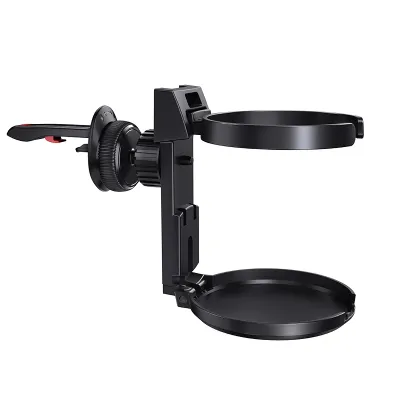
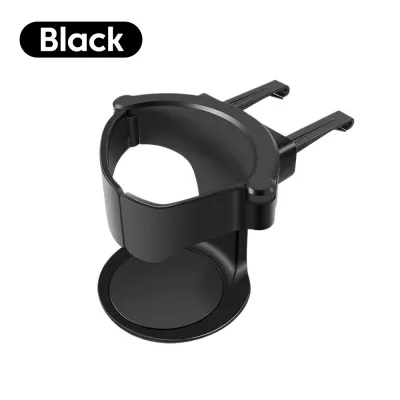
Prices are valid at publication and may change. Please refer to the product page for the latest price.
Dashboard-mounted combo units generally rely on three main designs: heavy-duty suction cups with sticky gel pads, semi-permanent adhesive bases, or mechanical clips that attach to air vents or dashboard seams. Suction and adhesive mounts offer the greatest flexibility in placement but require a smooth, flat surface for a secure bond. Mechanical clips provide a highly stable connection to physical structures but are limited by the layout and strength of your car’s air vents or panel gaps.
Before purchasing any dashboard accessory, you must also consider local traffic regulations regarding driver visibility. In Singapore, the Land Transport Authority (LTA) and traffic police emphasize that drivers must maintain a clear, unobstructed view of the road ahead. Any accessory mounted on the dashboard or windshield that blocks your direct line of sight or obscures your view of the side mirrors can be deemed a safety hazard. Selecting a compact unit and positioning it low on the dashboard is essential for remaining compliant and safe on the road.
Dashboard Compatibility and Safety Boundaries
Before installing any aftermarket accessory, you must identify the safe and unsafe mounting zones on your dashboard. Airbag safety is the most critical factor to consider. You must locate the exact deployment zones for both the driver and passenger airbags by consulting your vehicle’s owner manual. Never place a combo mount on or near the passenger-side dashboard airbag cover, nor along the steering wheel column or the A-pillars. In the event of a collision, an accessory positioned in these deployment paths can prevent the airbag from inflating correctly or become a high-speed projectile inside the cabin.

Dashboard curvature, texture, and material composition also dictate which mounting mechanisms will work for your vehicle. Modern car dashboards range from hard, textured plastics to premium soft-touch synthetic leather or stitched vinyl. Suction cups require an airtight, non-porous surface to maintain a vacuum; textured surfaces allow micro-amounts of air to seep under the suction pad, causing eventual failure. Furthermore, soft-touch materials can be permanently deformed, creased, or discolored by strong chemical adhesives or high-tension suction cups, meaning alternative mounting methods should be used on these premium surfaces.
Because Singapore vehicles are right-hand drive (RHD), your primary blind spots and viewing angles differ from left-hand drive configurations. A mount placed on the right side of the steering wheel might block your view of the right-side mirror or the A-pillar, creating dangerous blind spots when turning. Conversely, a center-mounted unit must be angled carefully so you do not have to turn your head too far from the road to view navigation maps. Performing a physical mock-up of the mount’s position while sitting in your normal driving posture is the best way to ensure your field of vision remains completely clear.
Design and Functional Features to Compare
To ensure daily usability, you should carefully compare the phone gripping mechanisms available on different combo mounts. Gravity clamps use the weight of the phone to pull the side arms inward, which allows for easy, one-handed docking but may not hold the phone securely when driving over speed humps or rough road surfaces. Magnetic mounts offer rapid mounting and a clean look but require attaching a metal plate to your phone or case, which can interfere with wireless charging. Mechanical spring-loaded arms or electronic auto-clamping brackets provide the most secure grip, though they often require two hands or a power connection to operate.
Evaluating the cup holder dimensions and internal securing features is equally important for preventing spills. Singapore drivers carry a wide variety of drink containers, from slim aluminum cans and traditional coffee cups to large bubble tea cups and insulated water bottles. Look for a cup holder that features flexible silicone tabs, adjustable mechanical claws, or tension bands inside the cylinder. These features help center and secure different container diameters, preventing top-heavy bottles from tipping over during sharp turns or sudden stops.
Finally, assess the adjustability of the connecting arm or joint that links the cup holder to the phone mount. The physical connection must be highly adjustable yet rigid enough to withstand road vibrations. Look for dual ball joints or reinforced gooseneck arms that allow you to position the phone independently of the cup. This independent adjustability ensures that a tall drink container does not block your phone’s screen, and that the phone does not prevent you from easily lifting or replacing your beverage while driving.
Installation, Stability, and Heat Maintenance
When choosing between suction cups, adhesive pads, and dashboard clips, you must weigh the pros, cons, and potential risks to your vehicle’s interior. Suction cups with polyurethane gel pads offer excellent initial grip and can be repositioned, but they can degrade and lose suction under intense sunlight. Adhesive pads, such as acrylic foam tapes, provide a highly stable, low-profile mount but are difficult to remove and can leave stubborn residue or tear delicate dashboard skins. Dashboard clips that hook into panel gaps or air vents avoid adhesive issues entirely but depend heavily on your vehicle’s specific panel tolerances and vent strength.
Proper surface preparation is essential for ensuring maximum grip and preventing your mount from falling off while driving. Before applying any adhesive or suction mount, clean the dashboard surface thoroughly to remove all traces of dust, dashboard dressings, and protective waxes. Use a mild isopropyl alcohol wipe, provided it is authorized by your vehicle manufacturer’s interior care guidelines, and allow the surface to dry completely. If you are using an adhesive pad, apply firm pressure for at least 60 seconds and allow the adhesive to cure for 24 to 48 hours before placing any weight or beverages on the mount.
Singapore’s tropical climate means cabin temperatures can easily exceed 60°C when your vehicle is parked outdoors under direct sunlight. This extreme heat softens adhesives, degrades suction gel, and can cause cheap plastics to warp or become brittle over time. To prolong the life of your mount, consider using a front windshield sunshade when parked to block direct UV rays and reduce cabin heat. Regularly inspect the mounting base for signs of peeling, cracking, or loss of stickiness, and replace the adhesive pad or suction unit at the first sign of degradation to prevent a sudden failure while driving.
Frequently Asked Questions (FAQ)
Can I mount a combo unit on a textured or soft-touch dashboard?
Standard suction cups and basic adhesives often fail on textured, stitched, or soft-touch dashboards because they cannot form an airtight seal or bond securely to uneven surfaces. Additionally, the high tension of suction cups and the chemical solvents in strong adhesives can permanently dent, discolor, or tear delicate dashboard materials.
If your vehicle has a textured or soft-touch dashboard, you should look for alternative mounting styles. These include dashboard clips that attach to the seams of your center console, weighted friction bases that sit securely on flat areas without adhesive, or heavy-duty vent mounts. If you must use a suction cup, look for a kit that includes a smooth, adhesive-backed mounting disk designed to act as a flat intermediary base, but verify first that the disk’s adhesive is safe for your specific dashboard material.
How do I ensure the mount does not block my driving view?
To ensure the combo mount does not block your driving view, you should perform a practical sightline test from the driver’s seat before finalizing the installation position. Sit in your normal driving posture and hold the empty mount—with your phone and a typical drink container placed inside it—against the intended area of your dashboard.
Verify that no part of the assembly rises above the lower edge of the windshield or blocks your view of the side mirrors, instrument cluster, or central infotainment screen. Look for mounts with highly adjustable connecting arms or low-profile bases that allow you to position the phone and cup lower down, closer to the center console level. In right-hand drive vehicles, positioning the mount slightly to the left of the steering wheel on the center stack often provides the best balance of accessibility and clear forward visibility.
Community discussion
Share your experience or ask a question. Comments are reviewed before publication.