
Choosing the right seatbelt pillow in Singapore requires balancing personal comfort with the realities of a tropical climate. When your car sits parked under the intense sun, cabin temperatures can soar, making the materials that touch your skin a critical factor in your daily commute.
No single material is universally perfect for every driver. The ideal choice depends on your personal sweat levels, your typical driving attire, and how much time you want to spend on maintenance. While breathable mesh offers the highest level of airflow, fabric provides unmatched softness, and leather offers a premium look that is incredibly easy to wipe clean.
Before focusing entirely on comfort, however, you must prioritize safety. Any seatbelt accessory you choose must allow the seatbelt mechanism to function flawlessly, retracting fully and sitting flat against your body without interference.
Products mentioned in this guide
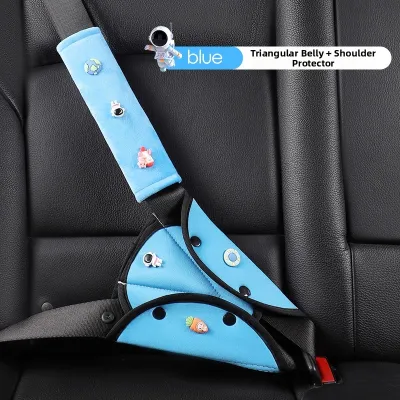
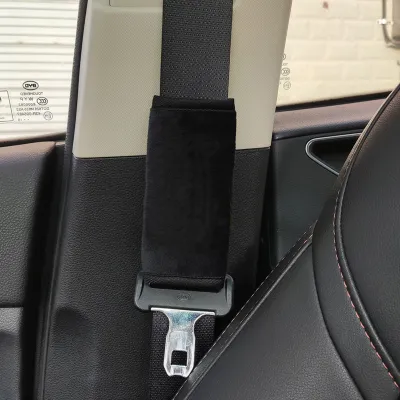
![[SG] Baby Kids Car Seat Stroller Safety Belts Sleeping Pillow Cushion Neck Support Pillow](https://img.lazcdn.com/g/p/b2358a6216c2522d6f3c9f63a052f77f.jpg_400x400q80.jpg_.webp)
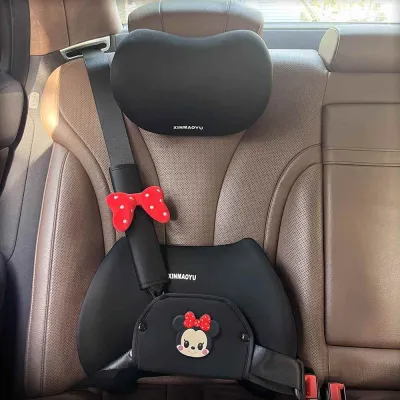
Prices are valid at publication and may change. Please refer to the product page for the latest price.
Comparing the Three Core Materials
To understand how these materials perform in hot weather, it helps to look at how seatbelt pillows are constructed. Most options consist of an outer cover wrapped around an inner cushioning core, which is typically made of polyurethane foam or memory foam.
The outer cover is your primary point of contact, and its physical properties determine how heat and moisture are managed. Because the inner foam core naturally tends to retain heat, the cover material must work hard to dissipate warmth and keep your shoulder dry during long drives.
Leather (PU and Genuine) Seatbelt Pillows
Leather covers, whether made from synthetic polyurethane (PU) or genuine animal hides, offer a sleek, premium aesthetic that blends seamlessly with luxury car interiors. The primary advantage of leather is its smooth surface, which does not absorb liquids. If you sweat during a drive, you can easily wipe the surface clean with a damp cloth, preventing moisture from sinking into the inner foam.
However, solid leather acts as a complete barrier to airflow. In Singapore’s high humidity, a solid leather pillow can quickly feel sticky and hot against bare skin, especially if you are wearing a sleeveless top or a t-shirt. The material tends to trap body heat, creating a warm hotspot right where the belt rests against your collarbone.
To counter this heat retention, look for product labels that specify “perforated” or “ventilated” leather. These covers feature tiny, closely spaced holes that allow a small amount of air to circulate, though they still rely heavily on your car’s air conditioning system to lower the overall cabin temperature before they feel truly cool.
Fabric (Cotton, Polyester, and Blends) Seatbelt Pillows
Fabric seatbelt pillows are highly popular due to their soft, cushioned feel and wide variety of textures. Natural fibers like cotton are highly absorbent and feel gentle against sensitive skin, making them a comfortable choice for daily commuting. They do not get as hot to the touch as leather when the car is parked in direct sunlight.
The downside of natural cotton in a tropical climate is its tendency to hold onto moisture. Once cotton absorbs sweat, it dries slowly in high humidity, which can leave the pillow feeling damp, heavy, and prone to developing musty odors over time.
Synthetic fabrics, such as polyester or nylon blends, are often engineered to wick moisture away from the skin more efficiently than cotton. However, some synthetic weaves can feel slightly rough or scratchy against bare skin. The greatest benefit of fabric covers is that they are usually removable and machine-washable, allowing you to maintain excellent hygiene with minimal effort.
Breathable Mesh Seatbelt Pillows
Breathable mesh is specifically engineered to maximize air circulation. These covers typically feature an open-weave, net-like structure—often referred to as 3D spacer mesh—that creates a physical gap between your body and the seatbelt. This gap allows air from your car’s air conditioning system to flow freely, promoting rapid sweat evaporation and preventing heat buildup.
Because mesh does not trap moisture, it rarely feels sticky or damp, even during mid-day drives when the sun is at its strongest. This makes it an exceptionally practical option for drivers who sweat easily or frequently drive with the windows down.
On the other hand, mesh materials generally offer a more utilitarian, sporty appearance that may not appeal to drivers looking for a luxury aesthetic. Additionally, mesh covers tend to be thinner and less plush than thick fabric or leather options. If the inner foam core is of low quality, you might feel the firm edge of the seatbelt pressing through the thin mesh cover, so it is important to check the overall structural support before buying.
Key Decision Factors for Tropical Climates
When deciding between these materials, you need to weigh several environmental and practical factors that are unique to driving in a warm, humid climate.

- Airflow vs. Cushioning: If your primary goal is to prevent a sweaty shoulder, breathable mesh is the clear frontrunner due to its open structure. However, if you suffer from shoulder discomfort and require deep, plush cushioning, a thicker fabric or padded leather pillow will provide better physical support, even if it runs slightly warmer.
- Hygiene and Odor Control: High humidity accelerates the growth of bacteria and mold. Sweat, body oils, and dead skin cells will inevitably accumulate on your seatbelt pillow. Fabric and mesh covers that can be tossed into the washing machine offer a distinct advantage in keeping your car's interior smelling fresh. Leather cannot be machine-washed but can be sanitized quickly with specialized wipes.
- Skin Sensitivity: Wearing lightweight, sleeveless clothing is common in hot weather. This means the seatbelt pillow will often make direct contact with your bare skin. A rough synthetic fabric or a hot, sticky leather cover can cause friction and irritation over a long drive. If you have sensitive skin, a soft cotton fabric or a high-quality, smooth mesh is generally much more comfortable.
Material Comparison Matrix
| Material | Airflow Potential | Moisture Handling | Cleaning Method | Best Suited For |
|---|---|---|---|---|
| Leather (PU/Genuine) | Low (Moderate if perforated) | Does not absorb; sweat sits on surface | Wipe down with a damp cloth and leather cleaner | Drivers wanting a premium look and quick, wipe-clean maintenance |
| Fabric (Cotton/Blends) | Moderate | Absorbs moisture; can remain damp | Machine or hand wash the removable cover | Drivers prioritizing maximum softness and complete washability |
| Breathable Mesh | High | Promotes rapid evaporation and airflow | Hand wash or vacuum to remove dust | Drivers prioritizing maximum cooling and sweat prevention |
Verifying Fit, Safety, and Mechanism Clearance
No matter which material you choose, safety must always come first. A seatbelt is a critical safety device designed to protect you in an accident, and adding aftermarket padding can sometimes compromise its performance if not done carefully.
First, check the thickness of the pillow. If a seatbelt pillow is too thick or bulky, it can prevent the seatbelt from retracting fully when you exit the vehicle. A loose, dangling seatbelt can get caught in the door, damaging the car, or worse, it may fail to hold you securely against the seat during sudden braking.
Second, ensure the pillow does not cover or interfere with the seatbelt latch or the upper anchor point. The pillow should slide easily along the belt so you can position it comfortably on your shoulder without altering the belt’s natural path across your collarbone and chest. The seatbelt must always lie flat against your body; if the pillow causes the belt to twist or stand away from your chest, it reduces the restraint system’s effectiveness.
Before purchasing, consult your vehicle owner’s manual for any specific warnings regarding aftermarket seatbelt accessories. It is also wise to check local traffic regulations to ensure that adding padding does not violate safety standards. Always test the physical fit of the pillow while parked to ensure the belt retracts smoothly and holds you snugly.
Maintenance and Cleaning in Humid Conditions
To prevent your seatbelt pillow from becoming a breeding ground for bacteria and mold in Singapore’s humid climate, establish a regular cleaning routine based on the material you choose.
For leather pillows, wipe the surface down at least once a week with a damp microfiber cloth to remove sweat residue. Avoid using harsh household detergents, which can strip away the leather’s protective oils and cause it to crack under UV exposure. Instead, use a mild, manufacturer-approved leather cleaner and conditioner to keep the material supple.
For fabric pillows, remove the cover and wash it every two to three weeks, or more frequently if you drive daily in hot weather. Use a gentle detergent and ensure the cover is completely dry before putting it back over the foam core. Putting a damp cover back on can trap moisture inside the foam, leading to deep-seated mold and musty odors that are incredibly difficult to remove.
For mesh pillows, dust and skin flakes can easily get trapped in the open pores. Shake the pillow out regularly or use a vacuum cleaner with a brush attachment to clear out debris. If the mesh needs a deeper clean, hand wash it in warm, soapy water, rinse thoroughly, and hang it to dry in a well-ventilated area away from direct sunlight to prevent the synthetic fibers from degrading.
Final Verdict: Choosing Your Ideal Seatbelt Pillow
To make your final decision, match your daily driving habits and comfort priorities to the right material profile.
- Choose Mesh if… you sweat easily, frequently drive during the hottest parts of the day, wear light or sleeveless clothing, and want to keep your shoulder as cool and dry as possible.
- Choose Fabric if… you prioritize a soft, plush feel against your skin, want a wide choice of colors or patterns, and prefer the convenience of throwing the cover into the washing machine.
- Choose Leather if… you want a premium accessory that matches your car's leather seats, prefer a simple wipe-clean routine, and rely heavily on your car's air conditioning to keep the cabin cool.
Verify first if… your car’s seatbelt retractor has a gentle tension. If the retractor is weak, choose a lightweight, low-profile mesh or thin fabric option to ensure the belt still retracts fully. Always check the product’s return policy and read verified user reviews regarding heat retention and physical fit before making your purchase.
Frequently Asked Questions (FAQ)
Are seatbelt pillows safe for children and pregnant women?
Seatbelt pillows can alter the precise geometry of the seatbelt, which is carefully engineered to protect passengers during a collision. For children and pregnant women, proper seatbelt positioning is incredibly critical to prevent injury. Adding bulky padding can cause the belt to ride up onto the abdomen or slide off the shoulder. It is highly recommended to consult pediatric safety guidelines and your obstetrician before using any aftermarket seatbelt padding or positioners for vulnerable passengers.
Can I leave the seatbelt pillow in the car when parked under the sun?
Leaving a seatbelt pillow exposed to direct sunlight inside a parked car can lead to rapid material degradation. Intense UV rays can cause fabric colors to fade, leather to dry out and crack, and the inner foam core to lose its elasticity and crumble. To extend the lifespan of your pillow, consider sliding it down toward the floorboard when parked, storing it in the glovebox, or using a windshield sunshade to protect your car’s entire front cabin from heat and UV damage.

Community discussion
Share your experience or ask a question. Comments are reviewed before publication.