
Choosing between a seat back phone holder and a dashboard mount is not just a matter of where you clip your device; it is a fundamental decision about who your car’s cabin is designed to serve. If you are the driver navigating busy expressways, a dashboard mount keeps your route guidance directly within your safe field of vision. Conversely, if you are looking to keep rear-seat passengers or children calm and entertained during long journeys, a seat back holder transforms the rear cabin into a private screening room. Making the right choice requires balancing your primary user’s needs, your vehicle’s physical interior architecture, and local road safety regulations.
Core Differences and Primary Use Cases
To determine which mounting style fits your lifestyle, you must first isolate who will be interacting with the screen and what tasks they need to perform.
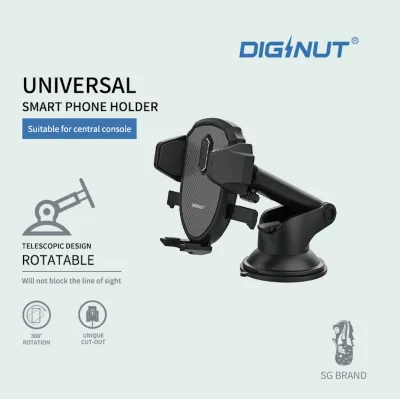
Dashboard mounts are engineered specifically for the driver’s utility. When you are behind the wheel, your primary interaction with a mobile device must be passive and highly restricted to essential tasks like viewing GPS navigation or managing hands-free calls. A dashboard mount positions the screen at or near eye level, allowing you to check your route with minimal deviation from the road ahead. Because these mounts sit in the front cabin, they require short, direct cable runs to your car’s primary USB ports or 12V accessory sockets. Managing these cables is crucial to prevent them from draping over gear shifters, steering columns, or physical climate controls.
Products mentioned in this guide
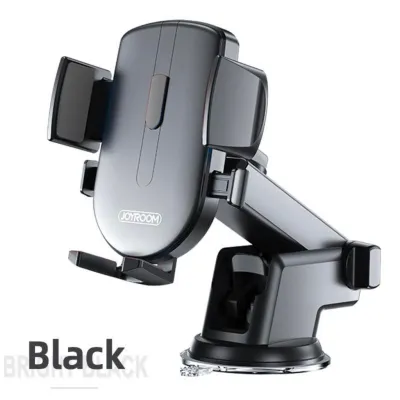
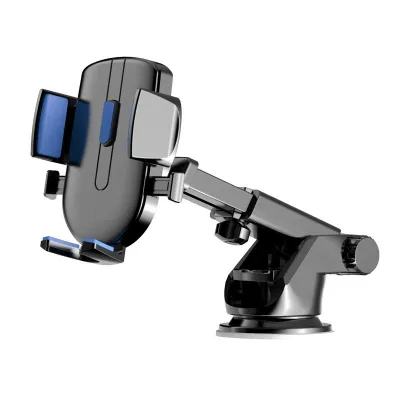
![[allmobiles] 360 Rotatable Car Windscreen Suction Cup Mount Mobile Phone Holder Bracket Stand](https://img.lazcdn.com/g/p/b653bdcdc833cf2a61136a65cc1b5dce.jpg_400x400q80.jpg_.webp)
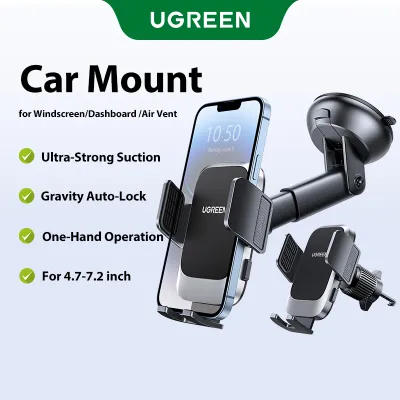
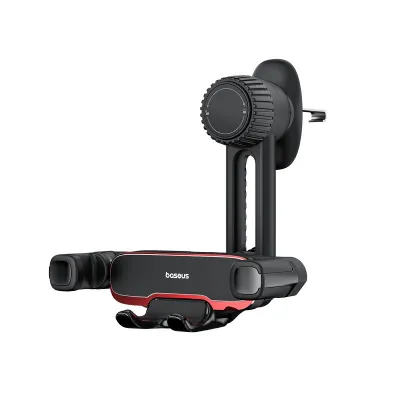

Prices are valid at publication and may change. Please refer to the product page for the latest price.
Seat back phone holders, on the other hand, serve an entirely different audience: your rear-seat passengers. These mounts typically clamp onto the metal posts of the front headrests, positioning the screen directly in front of those sitting in the back. The primary use case here is active entertainment, such as watching videos, playing games, or reading during extended commutes. Because the screen is positioned further back, viewing angles are optimized for passengers sitting upright or slightly reclined. Cable management for seat back holders presents a different challenge, often requiring longer charging cables run from the front console or dedicated rear passenger USB ports. These cables must be routed carefully along the center console or under floor mats to prevent passengers from tripping when entering or exiting the vehicle.
The physical interaction patterns also differ dramatically between the two setups. A driver using a dashboard mount should rarely touch the device while in motion, relying instead on voice commands or pre-programmed routes. Rear passengers, however, will frequently touch, adjust, and swap devices in a seat back holder. This means a seat back mount must feature robust, easily adjustable joints that can withstand constant physical manipulation without slipping or losing their grip.
Safety, Visibility, and Legal Compliance
Safety must be your absolute priority when installing any aftermarket accessory inside your vehicle’s cabin. Both mounting positions carry distinct safety implications that you must evaluate before making a purchase.

For dashboard mounts, the primary safety concern is maintaining an unobstructed view of the road and ensuring the device does not interfere with your vehicle’s safety systems. When selecting a mounting location on your dashboard or windscreen, you must ensure the phone does not block your forward line of sight or obscure your side mirrors. Furthermore, you must consult your vehicle’s owner’s manual to identify the exact deployment zones for all front airbags, including passenger-side dashboard airbags and side-curtain airbags. Placing a rigid plastic mount or a heavy smartphone directly in the path of a deploying airbag can turn the device into a high-velocity projectile during an accident, causing severe injury.
In Singapore, traffic regulations strictly govern driver distraction and vehicle modifications. The Road Traffic Act requires drivers to maintain a clear, unobstructed view through the windscreen and side windows at all times. Mounting a large phone or tablet in a way that blocks a significant portion of your forward vision can lead to traffic stops and fines. Additionally, using a mobile device while driving is a serious offense; a dashboard mount must only be used to facilitate hands-free functions, and the device should be set up completely before you begin your journey.
Seat back holders present a different set of safety considerations. While they do not obstruct the driver’s forward vision, they must be securely anchored to prevent them from coming loose. In the event of sudden braking or a collision, an unsecured phone or tablet can fly forward, potentially injuring passengers or distracting the driver. You must verify that the clamp mechanism of a seat back holder locks tightly onto the headrest posts and that the device cradle has a firm, reliable grip on your phone or tablet. Avoid using mounts that rely solely on weak spring tension without a secondary locking mechanism, especially if you plan to mount heavier devices like tablets.
Installation, Stability, and Interior Compatibility
Before purchasing any mount, you must verify that your car’s interior can physically support the installation mechanism. Not all dashboards or car seats are built the same, and compatibility issues can lead to unstable mounts or cosmetic damage.
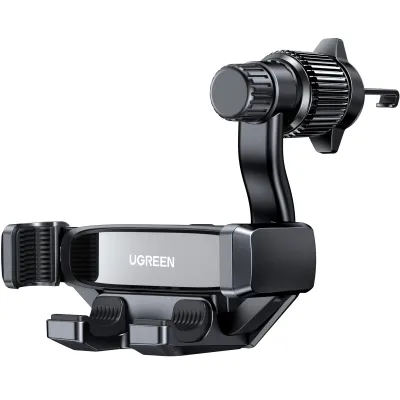
Dashboard mounts generally rely on suction cups, adhesive pads, or air vent clips. Suction cups and adhesives require a smooth, flat, and non-porous surface to create a secure bond. If your car features a textured, curved, or soft-touch dashboard made of leather, vinyl, or open-pore wood, standard suction mounts will struggle to maintain a vacuum, often falling off during drives. Adhesives can also pose a risk in hot climates like Singapore, where cabin temperatures can rise significantly when parked outdoors. High heat can soften adhesive backings, causing the mount to sag or leave a sticky, difficult-to-remove residue on your dashboard. If you choose an air vent mount, you must inspect the shape and rigidity of your vent slats, as some circular or vertical vents cannot support the weight of a heavy phone.
Seat back mounts require a completely different set of physical checks. Most of these holders are designed to clamp onto the exposed metal posts of adjustable headrests. If your vehicle features integrated sports seats or active headrest systems with no exposed metal posts, a standard seat back mount will not work. You must measure the distance between your headrest posts and check their diameter against the mount’s specifications before buying. Additionally, if you use thick aftermarket seat covers, they may block access to the headrest posts or interfere with the mount’s clamping mechanism.
Stability and vibration resistance also vary between the two positions. A dashboard mount is attached to a rigid part of the car’s frame, but it is still subject to engine vibrations and road bumps. High-quality dashboard mounts use short arms and dampening materials to minimize screen shake. In contrast, a seat back mount is attached to a seat that can move, recline, and absorb the physical movements of the passenger sitting in it. If a rear passenger shifts their weight or adjusts their seat, the screen will vibrate. To counteract this, look for seat back holders with rigid, extendable aluminum alloy arms and tight ball joints that lock securely into place.
Decision Framework: Which Mount Should You Choose?
To finalize your decision, evaluate your specific driving habits, passenger needs, and vehicle specifications against this practical framework.
You should choose a dashboard mount if:
- You are the primary driver and rely heavily on real-time GPS navigation apps to navigate traffic.
- You frequently make or receive hands-free business calls while on the road.
- Your vehicle's dashboard has a flat, smooth, non-porous surface, or you have sturdy, compatible air vents that can support a clip-on mount.
- You drive alone most of the time and do not need to provide rear-seat entertainment.
You should choose a seat back phone holder if:
- Your primary goal is to keep rear-seat passengers, children, or family members entertained during long road trips or daily commutes.
- You want to keep your front dashboard completely clear of devices to maximize your forward visibility and minimize driving distractions.
- Your vehicle's front seats have adjustable headrests with exposed metal posts that match the mounting specifications.
- You already have an integrated navigation system in your car's head unit and do not need your phone screen visible while driving.
Before making any purchase, perform these essential verification steps:
- Measure the spacing and diameter of your front seat headrest posts if considering a seat back mount.
- Inspect your dashboard material and texture to ensure compatibility with suction cups or adhesives.
- Consult your vehicle's owner's manual to locate all airbag deployment zones to ensure your chosen mounting spot is completely safe.
- Verify that your chosen mount complies with local road safety guidelines regarding driver visibility.
Frequently Asked Questions (FAQ)
Can I use a dashboard mount on a textured or soft-touch dashboard?
Standard suction cups generally fail on textured or soft-touch dashboards because the microscopic gaps in the textured surface prevent a perfect vacuum seal from forming. If your dashboard is made of soft-touch vinyl or leather, applying strong adhesives or high-tension suction cups can also cause permanent indentations, discoloration, or peeling. To avoid damage, check the mount manufacturer’s specifications to see if they include a specialized adhesive dashboard pad designed for textured surfaces, or consider using an air vent or CD slot mount instead.
Will a seat back phone holder damage my car's leather seats?
A seat back phone holder can potentially leave marks or scuffs on premium leather seats if it is installed incorrectly or lacks proper protective padding. When selecting a mount, verify that all contact points—especially the clamps that attach to the headrest posts—are lined with soft silicone or rubber padding to prevent scratching the metal or compressing the surrounding leather. Avoid overtightening the tension mechanisms against delicate stitching or piping, and periodically remove the mount to inspect the leather and allow the material to recover its natural shape.
Community discussion
Share your experience or ask a question. Comments are reviewed before publication.