
Quick Answer: Best Phone Car Holder for Rear Passengers
When planning entertainment for rear passengers, a dedicated seat back phone car holder is generally the most effective choice. These mounts attach directly to the front seat headrests, positioning screens at an ergonomic eye level for those in the back.
In contrast, dashboard and vent mounts are designed primarily for driver utility and navigation. Attempting to use a front-mounted holder for rear-seat viewing forces passengers to strain forward, which can lead to discomfort and motion sickness.
Your final choice depends on your vehicle’s interior layout. A seat back mount requires adjustable headrests with exposed metal poles, while a dashboard mount is highly dependent on your dashboard’s surface material and layout.
Products mentioned in this guide
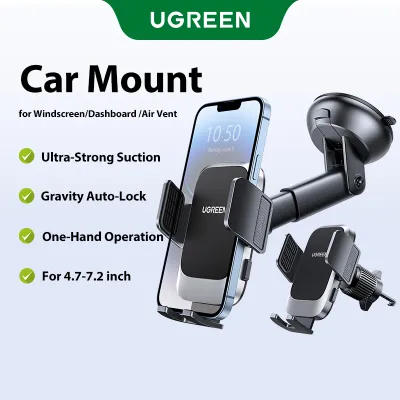
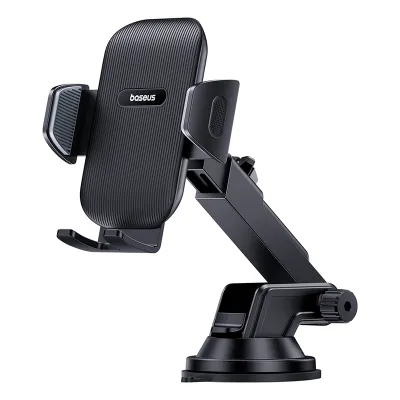
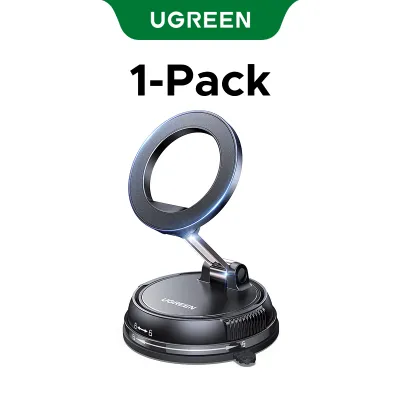
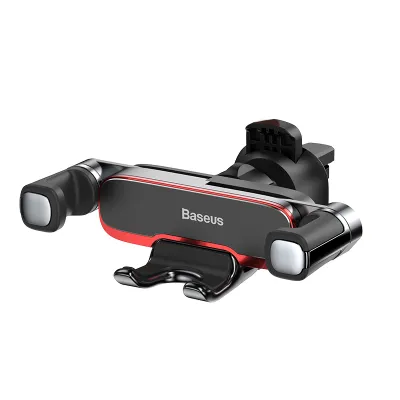
![SPIGEN Magnetic Air Vent Car Mount [QS11] Compact Size with Strong Magnetic Attraction Holds the Smartphone Securely / Smartphone Car Mount](https://img.lazcdn.com/g/p/e63b8e76833fc077b110935c4997a067.jpg_400x400q80.jpg_.webp)
Prices are valid at publication and may change. Please refer to the product page for the latest price.
Viewing Angles and Neck Comfort for Rear Passengers
Ergonomics play a vital role in passenger comfort, especially during longer drives along local expressways. A seat back phone car holder positions the device directly in front of the viewer at eye level. This setup allows children and adults to maintain a neutral spine position, significantly reducing neck strain over extended periods.

Using a dashboard or vent mount for rear passengers presents severe viewing challenges. Because the screen is positioned at the front of the cabin, rear passengers must peer through the narrow gap between the front seats. This restricted viewing angle forces them to lean forward or tilt their heads awkwardly, which can quickly cause physical fatigue.
Furthermore, looking at a distant, shaking screen while the vehicle is in motion often induces motion sickness. This happens because the inner ear senses movement that the eyes, focused on a small and distant point, cannot fully reconcile. Keeping the screen closer and at eye level helps mitigate this sensory mismatch.
When selecting a mount, prioritize models that offer a wide range of adjustability. Look for a phone car holder featuring a 360-degree rotating ball joint and a tilt mechanism. This allows passengers of varying heights to adjust the screen to eliminate glare from the side windows and find the most comfortable viewing angle.
Safety Checks and Driver Distraction Risks
Safety should always be the primary consideration when installing any interior car accessory. If you are considering a dashboard or windshield mount, you must verify that the installation does not obstruct your forward road visibility. A cluttered dashboard can create dangerous blind spots, particularly when navigating busy urban intersections.
Before mounting any device on the dashboard, consult your vehicle’s owner manual to locate the exact deployment zones for the passenger-side front airbag and side-curtain airbags. Placing a phone car holder within these zones is highly dangerous, as a deploying airbag can launch the device into the cabin at high speed.
Projectile risks must also be managed by checking the mount’s physical grip. Sudden braking or sharp turns can easily dislodge a poorly secured phone. Inspect the clamping mechanism of any potential purchase, looking for robust spring-loaded arms or strong magnetic connections, and ensure the mount is rated to support the weight of your specific phone and its protective case.
Driver distraction is another critical factor. A dashboard-mounted phone playing media can easily catch the driver’s peripheral vision, creating a dangerous visual hazard. A seat back mount keeps the entertainment screen completely behind the driver’s line of sight, allowing the driver to focus entirely on the road ahead while rear passengers remain entertained.
Vehicle Compatibility and Installation Checks
Before purchasing a seat back phone car holder, you must perform a few physical measurements of your vehicle’s interior. Measure the distance between the two metal support poles of your front seat headrests, as well as the diameter of the poles themselves. Compare these measurements against the manufacturer’s specifications to ensure a secure fit.
Be aware that some modern vehicles feature integrated sports seats or active headrest systems that lack exposed metal poles. For these designs, standard clamp-on seat back mounts cannot be used, and you may need to explore alternative mounting solutions that secure around the entire seat structure.
For dashboard and vent mounts, compatibility depends heavily on your cabin’s materials. Textured plastics, leather-wrapped trims, and curved surfaces often prevent adhesive suction cups from forming a reliable seal. Additionally, Singapore’s hot and humid climate can weaken adhesive backings over time, causing dashboard mounts to slip or detach.
If you opt for a vent mount, inspect the shape and rigidity of your air conditioning vent blades. Horizontal, thick blades are generally the most compatible, whereas circular or vertical vents often require specialized clips. Avoid overtightening vent clamps, as excessive pressure can easily crack fragile plastic vent fins.
Road vibrations can cause significant screen shake, which ruins the viewing experience. Seat back mounts that bridge the gap between both headrest poles tend to offer superior stability compared to single-pole clamps. After installing any mount, perform a physical shake test with the vehicle parked to ensure there is no excessive play or rattling.
Decision Framework: Which Mount Should You Buy?
To help you make the right choice for your vehicle, use this structured decision framework based on your specific passenger needs and cabin layout.
- Choose a seat back phone holder if:
- Your front seats have adjustable headrests with exposed metal poles.
- Your primary goal is to keep rear passengers, especially children, entertained on medium to long drives.
- You want to eliminate screen glare and visual distractions from the driver's field of view.
- You want a stable, mechanical connection that is unaffected by cabin heat and humidity.
- Choose a dashboard or vent mount if:
- Your vehicle features integrated front seats without accessible headrest poles.
- The phone is primarily used by the driver for GPS navigation, with only occasional, short-term viewing by passengers.
- You prefer a highly portable mount that can be easily transferred between different vehicles.
- Verify before buying:
- Measure all headrest pole dimensions and check dashboard surface textures.
- Confirm that the mount's grip width matches your phone with its protective case installed.
- Ensure the installation does not block any climate control vents, gear shifters, or safety deployment zones.
Frequently Asked Questions (FAQ)
Can I use a dashboard mount for rear passengers if I don't have headrests?
While physically possible, using a dashboard mount for rear-seat viewing is highly impractical. The distance between the rear bench and the dashboard is too great for comfortable viewing of a standard phone screen. Passengers will naturally lean forward, straining against their seatbelts, which compromises their safety in a sudden stop. Additionally, the angle often causes severe glare from the windshield, making the screen difficult to see.
Will a seat back phone holder damage my car seats?
Most high-quality seat back mounts are designed with protective silicone or rubber padding on the clamping surfaces to prevent scratches on the metal headrest poles. However, if your mount uses straps that wrap around the seat body, they can leave indentations on leather or fabric upholstery over time. To prevent cosmetic damage, avoid overtightening the clamps or straps, and periodically remove the mount to let the seat material recover.
Are tablet holders better than phone holders for rear-seat entertainment?
For long drives, a tablet holder offers a much larger viewing area, which is ideal if multiple passengers are sharing a single screen. However, tablets are significantly heavier than phones. If you choose a tablet mount, you must verify that the mount’s structural design and your headrest poles can support the extra weight. Ensure the clamping mechanism is robust enough to prevent the heavier device from slipping out during sudden vehicle movements.

Community discussion
Share your experience or ask a question. Comments are reviewed before publication.