
Choosing between a seat-back phone holder and a dashboard mount comes down to who needs to see the screen during your daily commute. A dashboard mount is an essential tool for the driver, keeping navigation and hands-free calls directly within the safe line of sight. Conversely, a seat-back mount is designed exclusively for rear passengers, securing devices to the headrest poles to provide hands-free entertainment or a secondary screen for passengers. Attempting to use a rear-facing seat-back mount as a driver is highly dangerous and impractical, while using a dashboard mount to entertain rear passengers is ineffective and distracting.
Understanding the Core Difference: Driver vs. Passenger Needs
Every car handphone holder serves a specific ergonomic purpose based on its mounting location. Dashboard and windshield mounts position your phone in the front cabin, aligning the screen with the driver’s forward field of view. This placement allows you to glance at GPS directions or manage incoming hands-free calls with minimal deviation from the road ahead.
Seat-back mounts, often referred to as headrest mounts, attach to the metal support bars of the front seats. They face backward, positioning the screen at eye level for passengers sitting in the rear row. This setup is ideal for long commutes with children, carpooling colleagues, or passengers who want to watch media without holding a device for extended periods.
Products mentioned in this guide
![🇸🇬[Ready Stock] New 360 Rotation Vacuum Suction Cup Phone Holder Foldable Magnetic Magsafe Car Phone Mount for Gym/Mirror/Smooth Surface](https://img.lazcdn.com/g/p/8209a6499e644df04a911de525ca3b30.jpg_400x400q80.jpg_.webp)
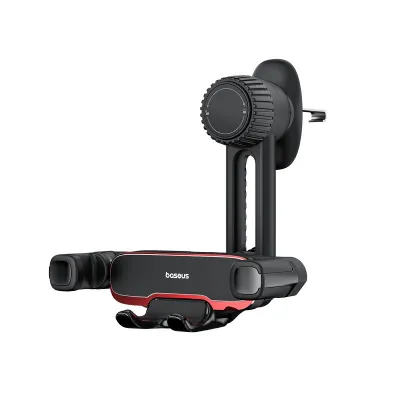
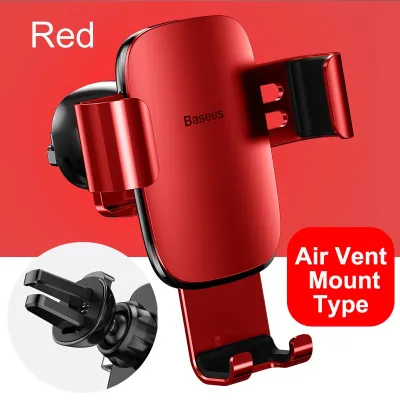
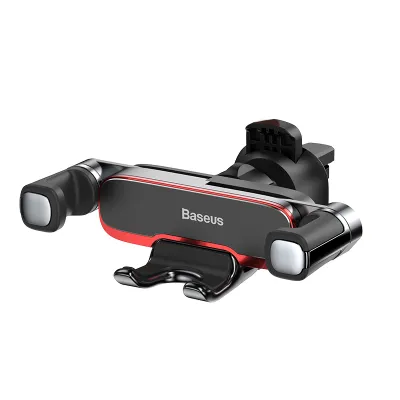
Prices are valid at publication and may change. Please refer to the product page for the latest price.
Using these mounts outside their intended roles introduces severe safety hazards. A driver attempting to look back at a seat-back screen or reaching behind to adjust a device risks losing control of the vehicle. Similarly, mounting a large entertainment screen on the dashboard to entertain rear passengers can obstruct the driver’s view and create a major visual distraction, which is both unsafe and illegal under local traffic regulations.
Dashboard and Windshield Mounts: The Driver’s Commute Companion
For the daily commuter behind the wheel, a dashboard or windshield mount is the standard choice for keeping navigation apps visible. Placing the phone near eye level reduces the time your eyes are off the road, helping you stay aware of sudden traffic changes, lane merges, and pedestrian crossings.

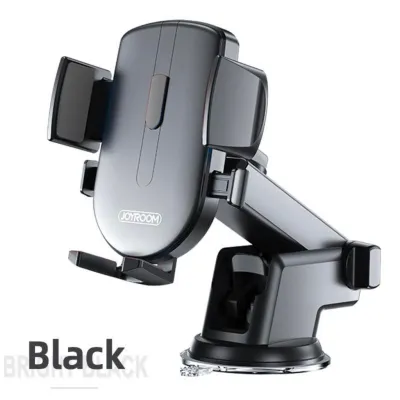
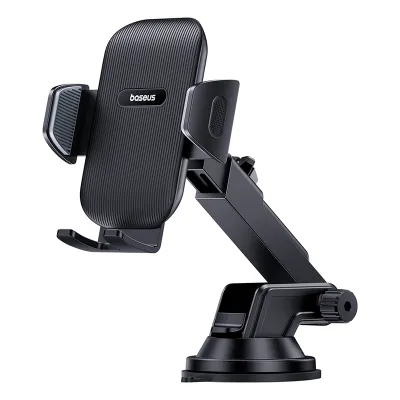
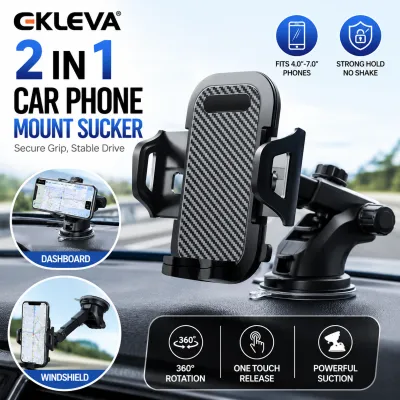
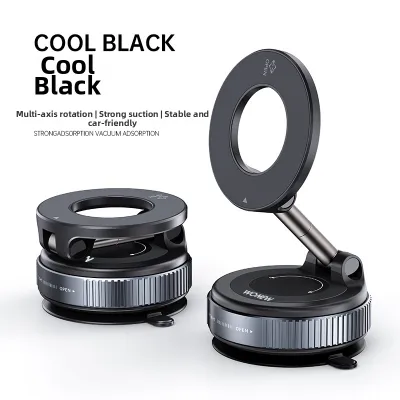
These front-cabin mounts come in several installation styles, each with distinct trade-offs. Suction cup mounts attach to the windshield glass or smooth dashboard surfaces, offering strong stability but sometimes leaving rings or blocking a portion of the view. Adhesive pad mounts stick directly to the dashboard surface, providing a low-profile setup, though the adhesive can degrade under intense sunlight and heat. Vent clips attach to the air conditioning louvers, keeping the phone cool during hot days, but they can block airflow and put stress on delicate vent blades.
Safety boundaries are critical when installing any front-facing car handphone holder. In Singapore, traffic regulations require drivers to maintain a clear, unobstructed view of the road. Mounts must not be placed where they block the driver’s direct line of sight through the windshield. Furthermore, you must never install a mount directly over or within the deployment zone of any airbag, as a deploying airbag can turn a phone and its mount into dangerous projectiles.
Seat-Back Mounts: Enhancing the Rear Passenger Experience
Seat-back mounts transform the rear cabin into a more comfortable space, making them highly valuable for family commutes or shared rides. Instead of holding a phone or tablet for an hour in traffic, passengers can sit back and view the screen at a comfortable eye level, reducing physical strain.
These mounts are particularly useful for keeping young children entertained with educational videos or cartoons during slow-moving traffic. They also allow a rear-seat passenger to act as a co-pilot, monitoring navigation routes or managing music playlists without interfering with the driver’s console. By keeping devices securely mounted, they also prevent passengers from dropping expensive electronics onto the floorboards during sudden stops.
Before choosing a seat-back mount, you must verify the physical compatibility of your vehicle’s front seats. Most seat-back holders rely on dual-pole headrests with adjustable heights, clamping onto the exposed metal bars. If your car features integrated, single-piece sports seats or active head restraint systems without exposed poles, standard seat-back mounts will not fit. Additionally, thick aftermarket seat covers can block access to the headrest bars, preventing a secure installation.
Key Comparison Factors for Your Car Layout
Selecting the right car handphone holder requires a close inspection of your vehicle’s interior materials and layout. Dashboard surfaces vary widely, from smooth plastics to heavily textured vinyl, synthetic leather, or real wood trim. Suction cups require an airtight seal, which is difficult to achieve on textured or curved surfaces without a specialized adhesive gel pad. If your dashboard is wrapped in premium leather, adhesive mounts should be avoided entirely, as the glue can permanently stain or tear the material upon removal.
Air vent designs also dictate whether a vent-style front mount is viable. Standard horizontal or vertical slats easily accommodate most vent clips. However, circular, turbine-style, or deeply recessed vents often lack the flat surfaces needed to support a clip securely, causing the mount to sag or fall off when carrying a heavy phone.
For seat-back mounts, measure the distance between the headrest poles and check their diameter. Most mounts feature adjustable spring-loaded clamps designed to fit standard pole spacings, but exceptionally wide or narrow configurations may require specialized brackets. You should also consider the weight of the device; a mount designed for a standard handphone may sag or vibrate excessively if you attempt to clamp a large, heavy tablet into it.
Cable management is another practical factor that differs between front and rear setups. Front mounts can easily draw power from the dashboard USB ports or the 12V accessory socket, though dangling cables can interfere with gear shifters or physical console buttons. Rear seat-back mounts require longer charging cables routed safely along the center console or under the seats to prevent passengers from tripping over them when entering or exiting the vehicle.
How to Decide: A Practical Selection Framework
To make the right choice, start by identifying the primary user of the phone during your daily commute. If you are the driver and rely on real-time traffic updates, GPS navigation, or hands-free calling to navigate busy roads, a dashboard or windshield mount is the only logical and safe option. Ensure you select a mounting position that keeps the phone below the hood line or tucked into the corner of the windshield to preserve your view.
If your commute primarily involves carrying passengers, carpooling, or driving children who need distraction during long traffic delays, a seat-back mount is the superior choice. It keeps the front cabin free of clutter while providing a stable, ergonomic viewing platform for those in the back.
Before making any purchase, consult your vehicle’s owner manual to locate all airbag deployment zones and inspect the physical structure of your dashboard and headrests. Always prioritize road safety and local traffic laws, ensuring that whatever mounting solution you install does not compromise your control of the vehicle or your awareness of the road.
Frequently Asked Questions (FAQ)
Can I use a suction cup mount on a leather or textured dashboard?
Standard suction cups generally fail to maintain a vacuum seal on textured plastic, vinyl, or leather dashboards because air leaks through the microscopic gaps in the surface pattern. To mount a phone on these surfaces, you should use a specialized dashboard pad that features a strong, non-damaging adhesive on one side and a smooth plastic disc on the other. The suction cup then attaches to the smooth disc. However, avoid using adhesive pads on genuine leather, as the adhesive can cause permanent discoloration or tear the delicate surface when removed.
Are seat-back phone holders safe during a sudden stop or collision?
A seat-back phone holder is safe only if it is properly engineered, securely clamped, and positioned correctly. In a sudden stop or collision, an unsecured phone or a loose mount can become a dangerous projectile inside the cabin. Choose mounts made from high-quality, impact-resistant plastics or aluminum alloys with robust, spring-loaded clamps that grip both the headrest poles and the phone tightly. Additionally, ensure the mount is adjusted so that the device is kept at a safe distance from the passenger’s face and chest to prevent direct impact in the event of sudden braking.
Community discussion
Share your experience or ask a question. Comments are reviewed before publication.