
Choosing the right Seametal LED product for your vehicle depends on whether you want to enhance your car’s visual appeal, improve visibility during heavy downpours, or increase your presence on the road during the day. Light strips offer flexible styling, fog lights cut through severe weather, and daytime running lights (DRLs) ensure other motorists see you clearly. Each option serves a distinct purpose, and selecting the wrong type can lead to poor performance, electrical issues, or regulatory compliance problems.
To make the right choice, you must evaluate your typical driving conditions, check your vehicle’s existing electrical architecture, and understand local road safety regulations. This guide will help you navigate these options so you can select the exact lighting type that matches your practical needs and complies with local standards.
Identifying Your Primary Exterior Lighting Goal
Before purchasing any aftermarket lighting, you must define what you expect the upgrade to achieve. Exterior lighting generally falls into three categories: aesthetic enhancement, functional illumination, and passive safety. Clarifying your primary goal prevents you from buying a product that looks appealing but fails to solve your practical driving challenges.
Products mentioned in this guide
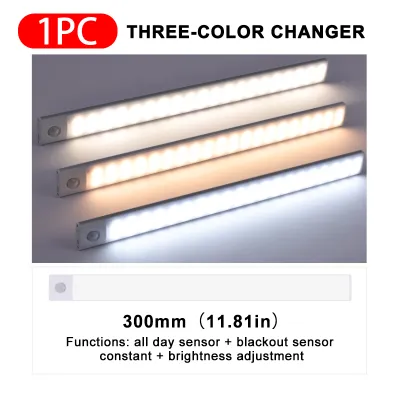
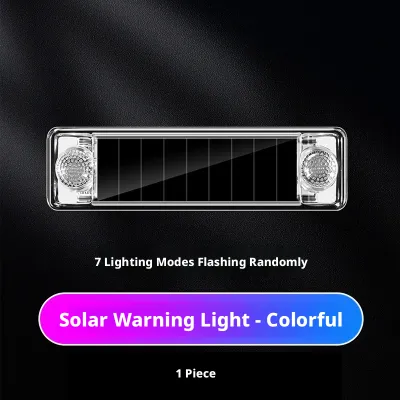
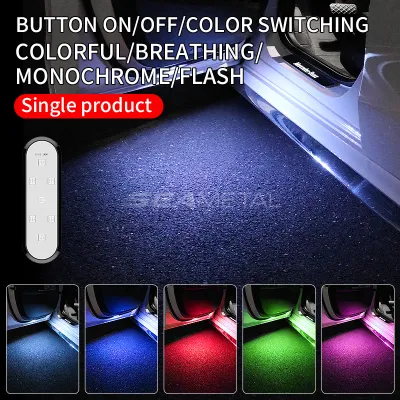

Prices are valid at publication and may change. Please refer to the product page for the latest price.
Aesthetic enhancement focuses on personalizing your vehicle’s appearance. If your goal is to highlight the contours of your grille, add a subtle glow under the hood, or create a custom look when parked, decorative accent lighting is your primary focus. These lights are designed for visual styling rather than illuminating the road ahead.
Functional illumination is critical for driving in challenging environments. If you frequently navigate unlit roads, encounter heavy rainstorms, or drive through misty areas, you need a light source that projects a focused beam pattern to cut through moisture without causing blinding glare. This requires high-performance lamps designed specifically for low-visibility conditions.
Passive safety involves making your vehicle more conspicuous to other road users. In bright daylight or overcast weather, oncoming traffic and pedestrians need to spot your vehicle from a distance. Dedicated safety lights remain illuminated whenever the engine is running, providing a constant visual marker without requiring manual activation.
Your local driving environment plays a major role in this decision. For instance, urban drivers in well-lit cities like Singapore may prioritize daytime safety and subtle styling over high-powered auxiliary high beams. Conversely, those who regularly travel on poorly lit highways or during intense tropical downpours will benefit far more from dedicated weather-focused lighting.
Finally, you must consider the legal framework governing vehicle modifications. Every country enforces strict rules regarding the color, brightness, placement, and operation of aftermarket lights. Installing the wrong type of light or mounting it incorrectly can lead to failed vehicle inspections, fines, or safety hazards for other drivers.
Evaluating Seametal LED Light Strips for Accent and Styling
Seametal LED light strips are highly flexible, low-profile lighting solutions designed primarily for custom styling and accentuation. These strips consist of multiple light-emitting diodes mounted on a flexible circuit board, allowing them to conform to the curved surfaces of your vehicle’s bodywork.

The most common application areas for these light strips include the front grille, the gap between the hood and headlights, or along the lower bumper trim. Some drivers also use them to illuminate wheel wells or side skirts. Because they are thin and pliable, they can be tucked into tight crevices to create an integrated, seamless glow.
When selecting an LED light strip for exterior use, you must verify its ingress protection (IP) rating. Exterior components are constantly exposed to rain, road spray, car washes, and dust. Look for a rating of at least IP67 or IP68, which indicates that the strip is fully sealed against dust and can withstand temporary immersion in water.
The quality of the adhesive backing is another critical factor. Exterior light strips are subjected to high winds, temperature fluctuations, and vibrations. Standard double-sided tape may degrade quickly, causing the strip to peel off while driving. Verify if the product includes automotive-grade adhesive or if you need to apply additional mounting clips and silicone sealant for a secure installation.
Color temperature and light output should also guide your choice. Accent strips are available in various colors, but for road-legal exterior use, cool white or warm amber are generally the safest choices. Extremely bright or flashing multi-colored strips (RGB) can distract other road users and are typically restricted to off-road or show-car use.
It is important to remember that LED light strips are not a substitute for functional headlights or fog lights. They do not project a focused beam onto the road surface; instead, they emit a diffused glow. Using them as your primary source of night illumination is highly dangerous and illegal.
Assessing Seametal LED Fog Lights for Weather Visibility
Seametal LED fog lights are engineered specifically to improve visibility during severe weather conditions, such as heavy rain, dense mist, or haze. Unlike standard headlights, which project light forward and upward, fog lights are designed to cast a wide, flat beam close to the road surface.
This low, wide beam pattern is crucial because it minimizes backscatter. When high beams or standard low beams hit water droplets in the air, the light reflects directly back into your eyes, creating a blinding white glare. Fog lights illuminate the road beneath the fog or rain barrier, helping you see lane markings and obstacles clearly.
When evaluating aftermarket LED fog lights, pay close attention to the color temperature. While cool white LEDs (around 6000K) offer a modern look, many drivers prefer warm white or yellow light (around 3000K) for foul-weather driving. Yellow light has a longer wavelength, which can reduce glare and improve contrast in wet conditions.
You must also verify the physical housing and cooling mechanism of the fog light unit. LED bulbs generate significant heat at the base of the diode, which must be dissipated to prevent premature failure. Look for units constructed with aluminum housings and integrated heat sinks or cooling fans, and ensure they fit your vehicle’s existing fog light pockets.
Proper alignment is the most critical safety factor when installing LED fog lights. Because LEDs can be exceptionally bright, an improperly aimed fog light will blind oncoming drivers, creating a severe road hazard. After installation, you must adjust the vertical angle of the beam according to your vehicle’s service manual to ensure the light cuts off below the windshield level of oncoming traffic.
Additionally, check if your vehicle requires a specific bulb socket type, such as H8, H11, or 9006. Installing an LED bulb into a housing designed for halogen bulbs can sometimes distort the beam pattern. Always verify that the LED product is optically compatible with your vehicle’s reflector or projector lens assembly.
Considering Seametal LED Daytime Running Lights for Road Presence
Daytime running lights (DRLs) are safety devices designed to make your vehicle more visible to other road users during daylight hours. Unlike headlights, which are meant to help you see the road, DRLs are designed to help others see you. Constant daytime lighting significantly reduces the risk of multi-vehicle collisions by improving vehicle conspicuity.
Seametal LED DRL kits are ideal for older vehicles that did not come equipped with factory DRLs, or for drivers looking to upgrade to a brighter, more modern light signature. These lights are typically mounted on the front bumper, within the lower grille mesh, or integrated into the headlight housing.
When choosing a DRL kit, look for automatic control functionality. A proper DRL system should turn on automatically when the engine starts and either turn off or dim when the main headlights are switched on at night. DRLs that remain at full brightness during the night can cause severe glare for oncoming drivers, as they do not have the focused cutoff beam of standard headlights.
The form factor of the DRL kit is another key consideration. Some kits feature rigid, pre-shaped housings that mount directly into specific bumper slots, while others offer flexible, semi-rigid bars that can be adapted to various bumper shapes. Measure your bumper openings carefully to ensure a clean, integrated look that does not block essential cooling vents.
Ensure the light output is optimized for daytime visibility without being excessively bright. High-quality DRLs use specialized lenses to diffuse the light outward at a wide angle, ensuring visibility from various viewpoints. Verify that the kit includes a dedicated control module (often called a DRL controller) to manage the voltage and switching logic automatically.
Verifying Vehicle Compatibility and Installation Safety
Before purchasing any Seametal LED lighting product, you must perform a thorough compatibility check to ensure a safe and successful installation. Never assume a light will fit your vehicle based solely on a generic category description; physical dimensions, mounting points, and electrical systems vary widely between car models and production years.
Begin by measuring the physical clearance in the mounting area. For fog lights, verify the depth of the bumper cavity and the diameter of the existing mounting brackets. For light strips and DRLs, ensure there is a flat, clean surface away from extreme heat sources, such as the radiator or exhaust manifold, and check that the installation does not interfere with active safety sensors or parking sensors.
From an electrical perspective, you must verify your vehicle’s operating voltage, which is typically 12V for passenger cars. Additionally, modern vehicles equipped with CANbus electrical systems monitor bulb resistance to detect failures. Installing standard LED bulbs can trigger “bulb out” dashboard errors or cause the lights to flicker. To prevent this, check if you need to install CANbus-compatible LEDs or add load resistors to the circuit.
Safety is the absolute priority when working on your vehicle’s electrical system. Always disconnect the negative battery terminal before starting any installation or wiring work to prevent accidental short circuits. When routing wires through the engine bay, keep them clear of moving parts like fans or belts, and protect them from sharp metal edges using split-loom tubing or electrical conduit.
For any installation that requires tapping into the vehicle’s original wiring harness, use proper fuse taps (add-a-circuit adapters) in the fuse box rather than splicing directly into factory wires. Splicing can void your vehicle’s warranty and increase the risk of electrical fires. If an installation requires removing the front bumper, modifying factory headlight housings, or complex wiring integration, stop and consult a qualified professional automotive technician.
Frequently Asked Questions (FAQ)
Are aftermarket LED exterior lights legal for road use in Singapore?
In Singapore, the Land Transport Authority (LTA) enforces strict regulations regarding aftermarket vehicle lighting to ensure road safety. Generally, any modification that alters the original lighting specifications of the vehicle must comply with specific guidelines. Decorative light strips, especially those that emit colored, flashing, or excessively bright light, are typically not permitted for road use as they can distract other drivers.
Replacement LED bulbs for fog lights or headlights must match the original light distribution pattern and must not cause glare to oncoming traffic. Any auxiliary lights, including DRLs, must be installed in approved positions and wired correctly so they do not operate in a way that compromises road safety. Before purchasing or installing any aftermarket LED products, always consult the latest LTA guidelines or seek advice from an authorized vehicle inspection center to ensure your modifications are fully compliant.
Can I install Seametal LED fog lights or DRLs myself?
The difficulty of installing Seametal LED products depends heavily on the specific light type and your vehicle’s design. Simple LED light strips with adhesive backing and basic 12V power connections can often be installed by DIY enthusiasts with basic electrical knowledge. These projects typically require minimal tools and can be completed quickly.
However, installing dedicated fog lights or integrated DRL kits is often much more complex. These installations frequently require removing the front bumper cover, mounting custom brackets, routing wires through the firewall, and tapping into specific ignition-switched fuses. Improper wiring can lead to battery drain, electrical shorts, or damage to your vehicle’s sensitive electronic control units. If you are not comfortable reading wiring diagrams or handling automotive disassembly, it is highly recommended to have the installation performed by a professional auto electrician.
Community discussion
Share your experience or ask a question. Comments are reviewed before publication.