
Protecting your vehicle’s wheels from unsightly damage is a common priority for drivers navigating tight urban environments, narrow parking bays, and high concrete curbs. A high-quality rim protector acts as a defensive barrier, but choosing the right type requires understanding the fundamental differences between flexible rubber and rigid alloy or composite options. The ideal choice depends on your specific wheel dimensions, tire profile, driving habits, and willingness to undergo professional installation.
Quick Answer: Which Rim Protector is Right for You?
The choice between rubber and alloy (or high-strength composite) rim protectors comes down to a balance of convenience, aesthetics, and the level of physical impact you expect your wheels to encounter. There is no single option that fits every vehicle; instead, your decision should align with your daily driving environment and wheel setup.
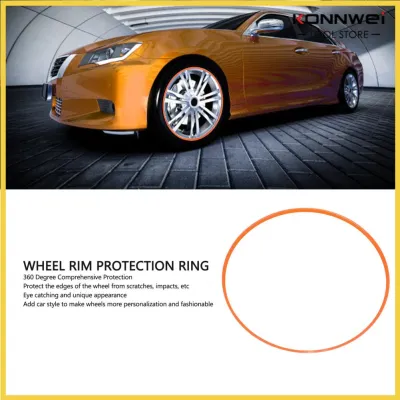
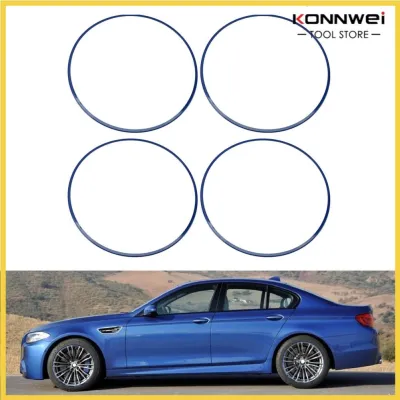
Rubber rim protectors are best suited for standard alloy wheels, daily urban commuting, and drivers who want a cost-effective, DIY-friendly solution to prevent minor cosmetic curb rash. They are flexible, easy to replace, and widely compatible with standard tire profiles.
Products mentioned in this guide
Prices are valid at publication and may change. Please refer to the product page for the latest price.
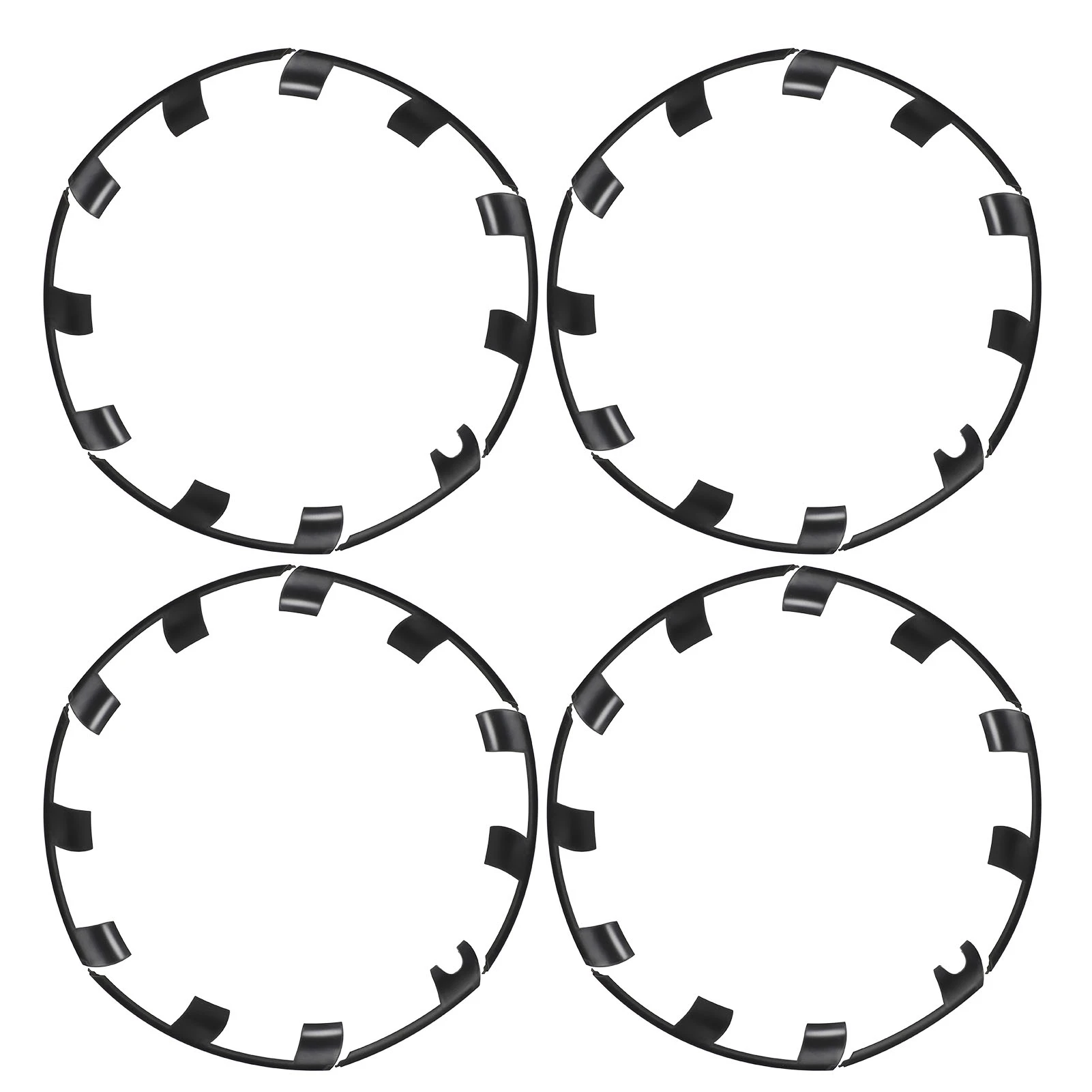
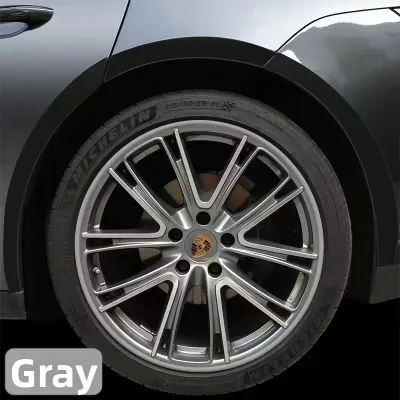
Alloy or high-strength composite rim protectors are designed for large-diameter wheels, low-profile tires, performance vehicles, and drivers who require robust, structural defense against deep potholes or severe curb impacts. These protectors typically lock mechanically into the tire bead, offering superior durability at a higher price point.
Before making a purchase, remember that proper fitment and professional installation are critical. Improperly installed protectors of either type can compromise tire bead safety, lead to slow air leaks, or detach at highway speeds, presenting serious safety hazards.
Material Breakdown: Rubber vs Alloy Rim Protectors
To make an informed decision, it is essential to understand what these protective accessories are made of and how they physically interface with your wheels.

Rubber Rim Protectors
Rubber rim protectors are manufactured from highly flexible, durable rubber compounds or soft, elastomeric polymers. They are typically applied directly to the outer edge of the wheel rim using high-strength, automotive-grade acrylic adhesives, or they slide into the small gap between the tire sidewall and the wheel lip during tire inflation.
These protectors function as a sacrificial, energy-absorbing buffer. Because they extend slightly beyond the metal lip of the wheel, they are the first point of contact during a scraping incident. When you scrape against a curb, the soft rubber compresses and tears, absorbing the frictional energy of the scrape and leaving the underlying alloy wheel undamaged.
Alloy Rim Protectors
Despite the name, many modern “alloy” protectors are not made of pure metal; instead, they consist of rigid, high-strength alloy-nylon composites, lightweight aluminum rings, or hardened polymers. Unlike adhesive-backed rubber strips, these rigid protectors are engineered to lock mechanically into the tire bead—the critical interface where the tire meets the wheel rim.
These protectors function by deflecting impact energy rather than absorbing it through compression. They establish a hard, structural shield over the wheel lip. When an impact occurs, the rigid material distributes the force across a wider surface area, preventing the localized deformation of the aluminum wheel rim.
The Core Philosophical Difference
The fundamental difference between the two types lies in their mechanical response to force:
- Rubber relies on absorption and flexibility. It is designed to deform, scrape, and be replaced, acting as a soft cushion for low-speed cosmetic incidents.
- Alloy and composites rely on deflection and rigidity. They act as a tough armor plate designed to withstand higher-velocity impacts and protect the wheel's structural roundness, but they require a more complex mechanical integration with the tire assembly.
Key Comparison Dimensions
Choosing the right protection requires evaluating how each material performs under real-world driving conditions, environmental exposures, and maintenance routines.
Impact Absorption vs Deflection
The physical dynamics of a wheel impact vary depending on whether you are parallel parking at low speeds or hitting a pothole on a fast-flowing road.
Rubber protectors excel at low-speed scraping. In dense urban areas where tight parallel parking near concrete curbs is a daily necessity, a rubber protector provides excellent insurance against cosmetic “curb rash.” The soft polymer slides along the concrete, taking the scratch while preserving the wheel’s painted or polished finish. However, if you hit a deep pothole or strike a curb at speed, the soft rubber will instantly compress to its limit and tear, allowing the impact force to transfer directly to the alloy wheel, potentially causing structural bends or cracks.
Alloy and composite protectors provide a much higher threshold of structural defense. Because they are rigid and mechanically locked into the wheel bead, they do not compress easily. If you strike a sharp road hazard or a deep pothole, the rigid protector distributes the localized load across the circumference of the wheel. This significantly reduces the risk of bending the wheel rim. However, there is a trade-off: because the alloy protector is rigid, an extremely severe impact can transfer the kinetic energy directly into the tire sidewall or the vehicle’s suspension components, potentially causing tire pinching or wheel misalignment.
Longevity and Climate Resistance
Environmental factors play a massive role in how long a rim protector remains effective, particularly in tropical climates like Singapore’s, which feature high humidity, intense UV radiation, and elevated road surface temperatures.
Rubber is organic and inherently susceptible to environmental degradation. Over time, constant exposure to intense sunlight (UV rays) and atmospheric ozone causes rubber to undergo photo-oxidation. This leads to hardening, micro-cracking (known as dry rot), and a loss of elasticity. If you choose rubber, look for compounds specifically labeled as “UV-stabilized” or containing carbon black and anti-ozonants to prolong their lifespan. Additionally, high road temperatures can weaken the acrylic adhesives used to secure some rubber protectors, leading to peeling or lifting at the edges. Typically, rubber protectors require replacement every 12 to 24 months, or immediately after any scraping incident that tears the material.
Alloy and composite protectors offer vastly superior longevity. High-strength nylon composites and aluminum alloys are virtually unaffected by UV radiation, ozone, or tropical heat. They do not dry rot, crack, or lose their structural integrity over time. Furthermore, because they are mechanically secured by the tire bead pressure rather than adhesive tapes, they are not prone to peeling off due to heat or moisture. They can easily last the lifetime of the tire, provided they do not sustain a major impact. However, metal-based alloy protectors can be subject to galvanic corrosion if moisture gets trapped between the protector and the aluminum wheel, especially if harsh, acidic wheel cleaners are used.
Installation Requirements and Wheel Fitment
The ease of installation is one of the most significant dividing lines between these two product categories, directly impacting both the total cost and safety considerations.
Rubber rim protectors are highly popular due to their DIY-friendly installation. Many modern adhesive-backed rubber strips can be applied at home without removing the wheels or tires from the vehicle. The process involves thoroughly cleaning the wheel lip with isopropyl alcohol to remove all brake dust and grease, applying an adhesion promoter, and carefully sticking the rubber strip along the outer edge. While simple, the success of this installation depends entirely on meticulous surface preparation. If any grease or brake dust remains, the adhesive will fail, causing the protector to fly off at high speeds, which can damage your car’s paintwork or create a hazard for trailing motorists.
Alloy and composite protectors, by contrast, almost always require professional installation. Because these rigid rings lock into the tire bead, the tire must be completely deflated, and the bead must be broken using a professional tire-changing machine. The protector is then positioned precisely between the wheel lip and the tire bead before the tire is re-inflated to its recommended operating pressure. Attempting to install bead-locked alloy protectors at home without professional equipment is highly dangerous. Improper seating can damage the delicate tire bead, lead to catastrophic tire deflation while driving, or permanently warp the wheel rim. Always have these installed by a qualified tire technician.
The Decision Framework: Choose Based on Your Driving Profile
To help you select the correct rim protector for your vehicle, evaluate your driving habits, wheel specifications, and budget against this structured decision framework.
Choose Rubber Rim Protectors if:
- You drive a standard passenger car or crossover with moderate tire sidewalls (e.g., 50-series tires or higher) where the tire naturally provides some cushion.
- Your primary driving environment is urban, consisting of low-speed city streets, tight multi-story car parks, and frequent parallel parking.
- Your main goal is preventing cosmetic curb rash and keeping your wheels looking pristine without spending a significant amount of money.
- You prefer a straightforward, DIY-friendly application that does not require taking your vehicle to a professional tire shop.
Choose Alloy Rim Protectors if:
- You drive a performance vehicle, luxury sedan, or SUV fitted with large-diameter wheels (20 inches and above) and low-profile tires (35-series or lower) that leave the wheel lip highly exposed.
- You frequently travel on poorly maintained roads, construction zones, or routes with deep potholes and sharp asphalt edges.
- You prioritize structural wheel defense against bends and cracks over simple cosmetic scratch prevention.
- You are willing to invest in professional installation and want a long-term, highly durable solution that will not degrade under intense tropical sunlight.
Verify First if:
- Your wheels have an unusual lip profile (such as a completely flat face or a reverse-lip design) that may not accept adhesive tape or mechanical bead locks.
- Your vehicle is equipped with specialized run-flat tires, which feature extremely stiff sidewalls that make bead-locked installations highly complex.
- Your wheels are under an active manufacturer warranty that could be voided by aftermarket modifications to the tire bead seat.
Comparison Summary
The following table summarizes the key distinctions between rubber and alloy rim protectors to assist in your final decision:
| Feature | Rubber Rim Protectors | Alloy/Composite Rim Protectors |
|---|---|---|
| Best For | Standard wheels, daily urban driving | Large wheels, low-profile tires, performance cars |
| Primary Protection Type | Cosmetic scratch & scrape absorption | Structural impact deflection & rim defense |
| Installation Method | DIY-friendly (adhesive or slip-in) | Professional tire unmounting required |
| Expected Lifespan | 1 to 2 years (susceptible to UV/heat) | Multi-year (highly resistant to environment) |
| Relative Cost | Low to Medium | Medium to High |
Safe Installation and Maintenance Guidelines
Regardless of the type of rim protector you choose, maintaining the safety and structural integrity of your wheel and tire assembly is paramount.
Safety Boundaries and Professional Help
Any rim protector installation that requires breaking the tire bead must be performed by a qualified tire technician. Never attempt to pry open a tire bead using improvised tools like screwdrivers or crowbars, as this can easily slice the inner rubber liner or bend the wheel’s bead seat, leading to immediate or delayed tire failure. Always verify vehicle-specific compatibility and consult your tire manufacturer’s official documentation before making any modifications to the bead area.
TPMS Compatibility
Modern vehicles rely on Tire Pressure Monitoring Systems (TPMS) to alert drivers to pressure drops. When selecting a bead-locked alloy or composite protector, verify with the manufacturer that the product does not interfere with the TPMS sensor body or the valve stem assembly inside the wheel barrel. Improperly seated bead-locked protectors can press against the sensor, causing physical damage or blocking the wireless signal.
Maintenance and Cleaning
To ensure your protectors remain securely attached and look their best, follow these care guidelines:
- Use Authorized Cleaners Only: Clean your wheels and protectors using only pH-neutral wheel cleaners and soft-bristled brushes. Always check the cleaner's label to ensure it is authorized for use on both your specific wheel finish (such as clear coat, chrome, or matte paint) and the protector material (rubber or nylon).
- Avoid Acidic Chemicals: Never use harsh acidic or highly alkaline cleaners, as they can rapidly degrade rubber compounds, weaken adhesives, or cause galvanic corrosion beneath alloy rings.
- Pressure Washer Caution: When washing your vehicle, do not direct high-pressure water nozzles closely or perpendicularly at the seam where the protector meets the wheel. The extreme pressure can force water under adhesive tapes, causing them to lift, or dislodge the seating of bead-locked protectors.
Regular Inspection
Incorporate a visual inspection of your rim protectors into your weekly vehicle maintenance routine. Check rubber protectors for deep cuts, tears, or peeling edges. For alloy or composite protectors, inspect for cracks, loose segments, or any signs of separation from the wheel lip. If you detect any structural compromise, have the protector replaced immediately to prevent it from detaching while driving.
Frequently Asked Questions (FAQ)
Do rim protectors affect wheel balancing?
When properly installed by a professional, high-quality rim protectors generally have a negligible impact on wheel balance. Because rubber strips are lightweight and applied uniformly around the circumference, they rarely cause noticeable vibrations. However, heavier alloy or composite rings can introduce minor weight discrepancies. To ensure optimal ride quality and prevent uneven tire wear, have a technician perform a dynamic wheel balancing procedure after installing any rim protectors, particularly bead-locked varieties.
Can I install rim protectors on run-flat tires?
Yes, but with significant caveats. Rubber adhesive-backed protectors can be installed on wheels running run-flat tires without issue because they do not interface with the tire bead. However, installing bead-locked alloy or composite protectors on run-flat tires is highly challenging. Run-flat tires feature extremely stiff, reinforced sidewalls that resist compression, making it difficult to seat a mechanical protector safely within the bead seat. If you have run-flat tires, consult both the tire manufacturer’s guidelines and an experienced tire technician who has the specialized equipment required to handle stiff sidewall mountings safely.
Will rim protectors hide existing curb rash on my wheels?
Rim protectors are preventative accessories rather than cosmetic repair solutions. While a thick rubber or alloy protector will cover the outermost edge of the wheel lip—potentially obscuring minor, existing scrapes located directly on that boundary—it cannot hide or repair deep scratches, paint gouges, or structural bends on the wheel face or inner barrel. If your wheels already have significant curb rash, it is highly recommended to have them professionally refurbished and rebalanced before installing rim protectors. This ensures a clean, smooth surface for proper adhesive bonding or mechanical seating, maximizing both the safety and aesthetic appeal of the installation.
Community discussion
Share your experience or ask a question. Comments are reviewed before publication.