
When riding a motorcycle in unpredictable tropical weather, staying dry is just as important as staying safe. RS Taichi raincoats are widely recognized by riders for their weatherproofing, but it is vital to understand exactly what kind of protection they offer. Most standard RS Taichi raincoats are designed primarily as weather barriers to shield you from wind and water, rather than impact-resistant armor designed to protect you during a slide or crash. To achieve comprehensive safety on the road, riders must distinguish between weather protection and impact safety, ensuring they use the correct layering system.
Distinguishing Weather Protection from Impact Safety
Understanding the functional boundary between weather shielding and crash protection is essential for every motorcyclist. Weatherproofing focuses on keeping external moisture out while allowing body heat and sweat to escape. This is achieved through specialized membranes, sealed seams, and water-resistant zippers. While these features keep you comfortable and focused during a sudden downpour on Singapore’s expressways, they do not possess the structural integrity required to withstand high-speed abrasion against asphalt.
Impact and abrasion safety, on the other hand, rely on heavy-duty materials like high-denier nylon, leather, and dedicated armor inserts. Standard rain gear is typically constructed from lightweight, packable materials designed to fit easily into a backpack or under-seat compartment. Unless a specific rain jacket is explicitly labeled with impact safety certifications, it should be treated strictly as an outer waterproof shell.
Products mentioned in this guide
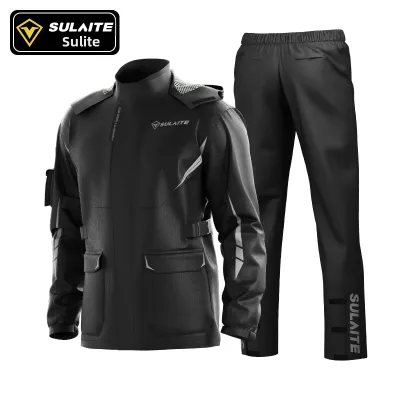
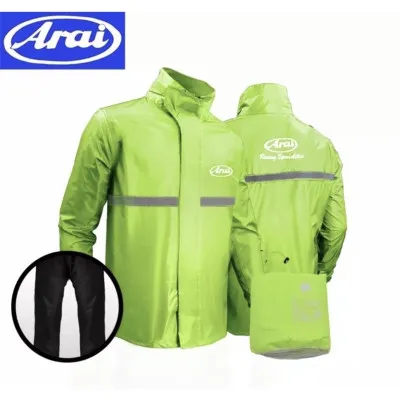
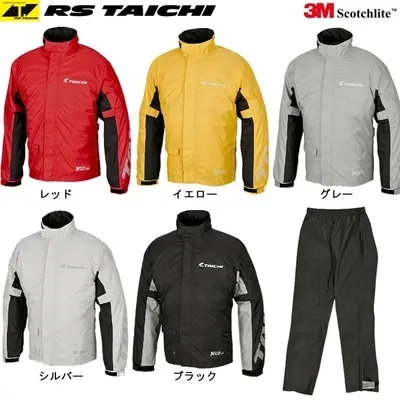
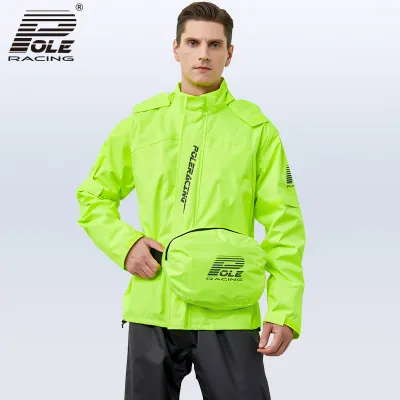
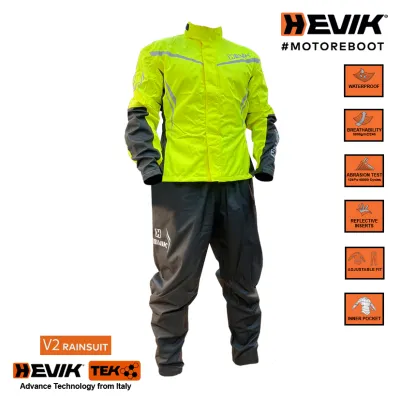
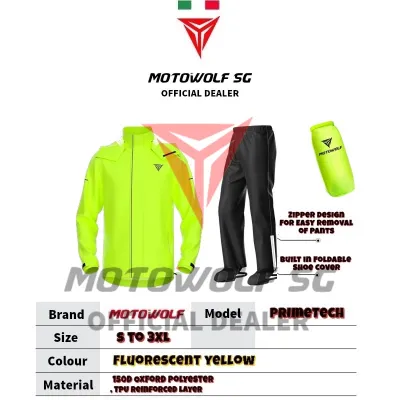
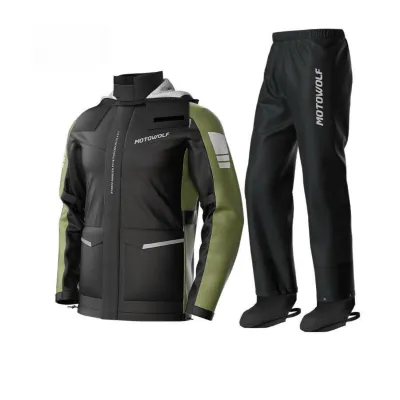
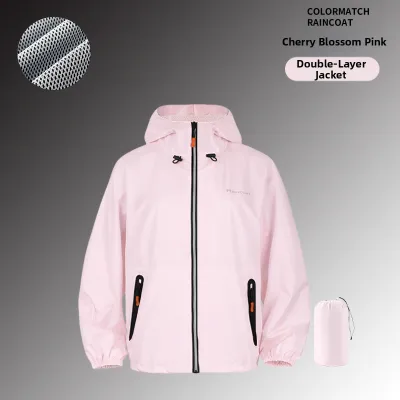
Prices are valid at publication and may change. Please refer to the product page for the latest price.
The standard and safest riding practice is to layer your rain suit directly over your regular protective riding gear. Your inner layer—such as a mesh or textile riding jacket equipped with certified shoulder, elbow, and back protectors—provides the necessary defense against road rash and impact. The outer rain jacket then serves as a dedicated shield against the elements, preserving both your comfort and your primary safety gear.
Decoding Waterproof and Breathability Specifications
To ensure you remain dry and comfortable during sustained heavy downpours, you must learn to interpret the technical specifications found on RS Taichi product labels and specification sheets. Manufacturers measure waterproof performance using a hydrostatic head rating, typically expressed in millimeters (mm). A higher rating indicates greater resistance to water penetration under pressure, which is particularly important when wind force drives rain against your chest at highway speeds.

Breathability is equally critical, especially in warm, humid climates. This rating is usually measured in grams per square meter over a 24-hour period (g/m²/24h). High breathability prevents the buildup of sweat inside the suit, which can leave you feeling damp and chilled even if no rainwater penetrates the outer shell. Look for these dual ratings on the physical product tag or the manufacturer’s official product documentation before making a purchase.
Beyond the fabric ratings, the physical construction of the raincoat determines its real-world performance. Inspect the garment for fully taped or welded seams on the inside, as stitching holes are common entry points for water. Additionally, high-quality rain gear features robust storm flaps over the main zipper and adjustable cuffs at the wrists and ankles to seal out driving rain.
Evaluating Impact and Abrasion Resistance Features
If you are looking for a raincoat that offers dual-purpose protection—both weatherproofing and crash safety—you must verify its physical construction and official certifications. Do not assume a heavy-textured rain jacket provides abrasion resistance without verifying the physical labels. Look for official CE (Conformité Européenne) certification marks, such as EN 17092 for protective motorcycle garments or EN 1621-1 for integrated armor.
Inspect the interior of the jacket to locate dedicated armor pockets at high-impact zones, including the shoulders, elbows, and back. Many hybrid riding raincoats feature these pockets but may require you to purchase the protective inserts separately. Always check whether the armor is included in your purchase or if you need to source compatible CE-rated protectors to complete the safety setup.
The outer shell material itself should be evaluated based on its durability and reinforcement. Hybrid jackets designed for both rain and road protection often utilize high-denier fabrics on high-risk slide zones like the outer arms and shoulders. If the product documentation does not explicitly state the fabric’s denier rating or abrasion test results, treat the garment as a non-protective weather barrier and wear it over a certified riding jacket.
Making the Right Choice for Your Riding Conditions
Selecting the right gear configuration depends heavily on your daily riding habits and local environmental conditions. For daily urban commuters navigating stop-and-go traffic, a lightweight, highly packable rain suit that fits quickly over work attire and standard armor is often the most practical choice. For long-distance touring riders who face prolonged exposure to changing weather, a more robust, highly breathable hybrid jacket with integrated armor may offer better convenience and comfort.
Before finalizing your purchase, use a practical pre-purchase checklist to ensure the gear meets your needs. First, verify the sizing; a rain jacket must be loose enough to fit comfortably over your bulkiest armored riding jacket without restricting your range of motion or blocking your view when checking blind spots. Second, check for high-visibility color options and retroreflective panels, which are crucial for remaining visible to other motorists during low-visibility rainstorms. Finally, ensure the suit compresses down into a compact storage bag that fits easily within your motorcycle’s storage compartments.
Safety should never be left to guesswork. If you find that the safety labels, certification marks, or material specifications on a garment are missing, faded, or ambiguous, establish a clear stop condition. Avoid using the gear for high-speed riding and consult the manufacturer or an authorized local dealer to verify its protective capabilities before taking it out on the road.
Frequently Asked Questions (FAQ)
Can I rely on a standard raincoat for crash protection?
No, you cannot rely on a standard raincoat to protect you during a crash. Standard raincoats are made from thin, lightweight materials designed solely to block wind and water. They lack the tensile strength, abrasion resistance, and impact-absorbing armor required to protect your skin and bones during a slide or impact. Always wear a certified protective riding jacket underneath your rain layer.
How should I maintain the waterproof performance over time?
To maintain the waterproof performance of your gear, always follow the specific care instructions on the garment’s physical label. Generally, you should hand wash the raincoat using mild, technical detergents designed for waterproof fabrics, avoiding standard laundry detergents and fabric softeners that can clog breathable membranes. When water stops beading on the outer fabric, reapply a compatible durable water repellent (DWR) spray according to the manufacturer’s guidelines to restore its water-shedding capabilities.
Community discussion
Share your experience or ask a question. Comments are reviewed before publication.