
The choice between waterproof and breathable Rockbros gloves depends entirely on your local climate and typical riding schedule. Waterproof gloves prioritize dry hands in wet conditions but sacrifice airflow, while breathable gloves offer maximum comfort in heat but leave hands vulnerable to rain. To make the right choice, you must weigh the frequency of wet-weather riding against your need for cooling ventilation, ensuring your hands remain comfortable and fully capable of operating your motorcycle’s controls safely.
For riders navigating unpredictable tropical downpours or daily commutes, selecting the wrong glove type can lead to more than just discomfort. Wet hands lose warmth and grip, while excessively sweaty hands can slip on the handlebars, compromising your reaction time and control. By understanding the core differences in material construction and design, you can choose a pair of gloves that closely matches your typical riding environment and keeps you safe on every journey.
The Core Trade-Off: Weather Protection vs Airflow
The fundamental difference between waterproof and breathable riding gloves lies in their material construction and how they manage moisture. Waterproof gloves are engineered with an internal membrane that acts as a one-way barrier. This membrane features microscopic pores that are small enough to block external water droplets from entering, yet large enough to allow microscopic sweat vapor to escape. However, because this barrier must completely block wind and rain, it inherently restricts direct airflow, trapping body heat inside the glove and making it feel warm during hot weather.
Products mentioned in this guide
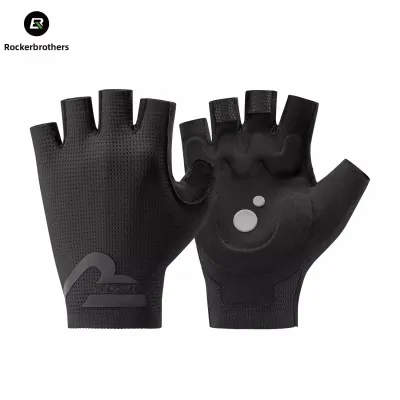
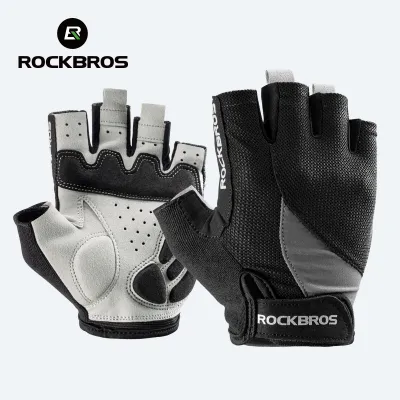
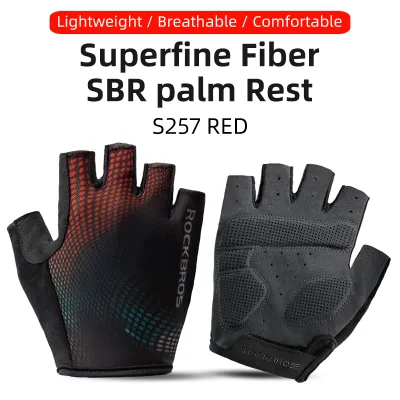
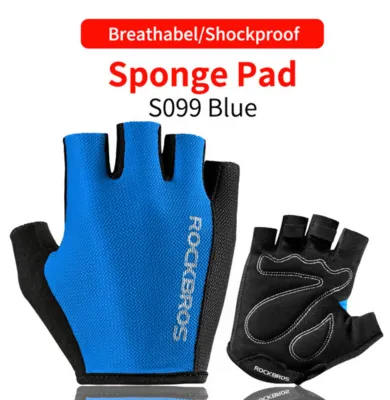
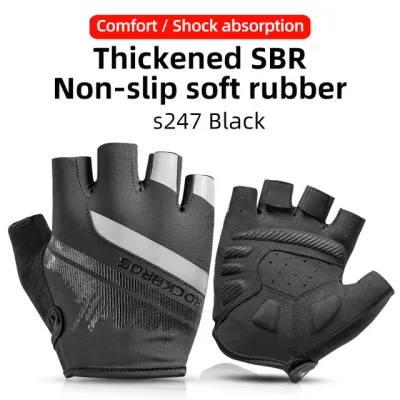
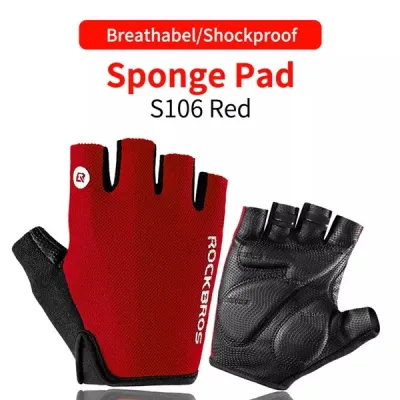
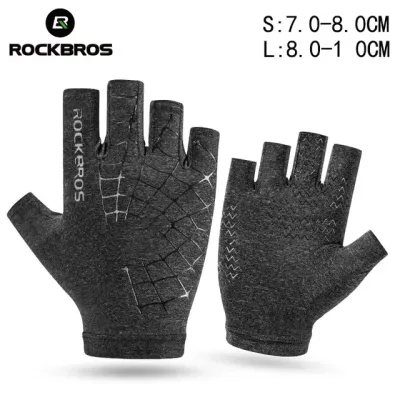
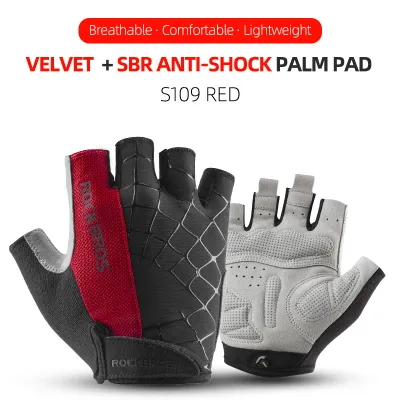
Prices are valid at publication and may change. Please refer to the product page for the latest price.
Breathable gloves, on the other hand, prioritize maximum ventilation by utilizing porous materials like mesh, perforated leather, or lightweight synthetic fabrics. These materials allow air to flow freely through the glove, cooling your skin and evaporating sweat instantly. The trade-off is that these open-weave fabrics offer zero resistance to water; even a light drizzle will quickly saturate the glove, leading to cold, wet hands. Because no single glove can fully maximize both complete waterproofing and high-volume airflow, riders must choose based on their primary riding conditions or consider owning both types for different seasons.
Choose Waterproof Gloves If You Ride in These Conditions
Waterproof gloves are highly practical for riders who frequently face wet weather or sudden downpours. If your daily commute coincides with monsoon seasons or if you ride in a region known for sudden, heavy rainstorms, keeping your hands dry is essential for maintaining a secure grip on the throttle and levers. Wet skin combined with wind chill can rapidly numb your fingers, severely reducing your tactile feedback and slowing your braking response times.

These gloves are also highly beneficial for night riding or high-altitude routes where temperatures drop. The windproof nature of a waterproof membrane helps retain natural hand warmth, preventing the biting wind from cooling your joints. When shopping for waterproof Rockbros gloves, always check the product specifications for sealed or taped seams, which prevent water from seeping through the stitching. Additionally, look for a gauntlet-style cuff that extends over your jacket sleeve, complete with a drawcord or adjustable strap to prevent rain runoff from entering the glove from the top.
Choose Breathable Gloves If You Ride in These Conditions
Breathable gloves are a highly suitable choice for riders operating in hot, humid, or dry climates where overheating is a constant challenge. When riding in high temperatures, sweat quickly accumulates inside a sealed glove, creating a slick environment that can cause your hands to slide inside the material. This sliding effect reduces your control over the motorcycle’s grips and can lead to painful blisters over long distances.
These gloves are particularly crucial for stop-and-go city traffic, where low speeds limit the natural wind cooling effect. In these slow-moving scenarios, mesh panels and perforated sections on the back of the hand and fingers allow whatever breeze is available to circulate, keeping your hands dry and comfortable. When evaluating breathable options, look for moisture-wicking inner liners that pull sweat away from your skin, as well as lightweight synthetic materials that dry rapidly if they do happen to get damp.
Critical Features to Verify on the Product Label
Regardless of whether you choose a waterproof or breathable design, safety and control must remain your top priorities. Before purchasing any pair of riding gloves, verify that they offer adequate knuckle and palm protection. Look for hard-shell knuckle protectors made of carbon fiber, TPU, or reinforced padding, along with double-layered material or sliders on the palm. These features protect your hands during an impact or slide, which is a critical safety requirement for any motorcyclist.
Another essential feature to check is touchscreen compatibility. Many modern gloves feature conductive material on the index finger and thumb, allowing you to operate GPS devices or smartphones without removing your gear. This is especially convenient in heavy rain or intense heat, where taking off your gloves can be a tedious process. Ensure the product listing explicitly states touchscreen compatibility if you rely on digital navigation during your rides.
Grip and control are also heavily influenced by the glove’s palm material. In wet or sweaty conditions, look for gloves that feature silicone print or textured synthetic leather patches on the palm and fingers. These high-grip zones ensure that your hands do not slip off the handlebars or brake levers when wet. Finally, examine the closure mechanism; a secure wrist strap, typically using high-quality Velcro, is necessary to keep the glove firmly anchored to your hand in the event of a fall and to prevent water or wind from entering.
Waterproof vs Breathable Gloves: Quick Comparison Matrix
To help you decide which glove type fits your riding style, the table below summarizes the key performance differences between waterproof and breathable designs.
| Feature | Waterproof Gloves | Breathable Gloves |
|---|---|---|
| Weather Suitability | Heavy rain, wind, and wet conditions | Hot, humid, and dry conditions |
| Airflow | Low (restricted by membrane) | High (maximized by mesh/perforations) |
| Warmth Retention | Moderate to high (blocks wind chill) | Low (designed for cooling) |
| Best Riding Scenario | Monsoon commuting, wet highway rides | City traffic, hot afternoon rides |
Note: Because manufacturers frequently update their product lines and material specifications, always verify the exact features, sizing charts, and material compositions on the retailer’s listing before making a purchase.
Frequently Asked Questions (FAQ)
Can I use breathable gloves with waterproof over-gloves?
Yes, pairing breathable gloves with a set of waterproof over-gloves is a viable strategy for handling unpredictable weather. This layering system allows you to enjoy maximum ventilation during hot, dry stretches of your ride, while providing a quick waterproofing solution if a sudden downpour begins.
However, you must exercise caution when using this combination. Adding an extra layer over your standard gloves can significantly increase bulk, which may reduce your tactile feel and make it harder to operate the clutch, brake levers, and switchgear. Before riding in heavy traffic with over-gloves, test the setup in a safe, controlled environment to ensure you maintain full control over your motorcycle.
How do I clean and maintain the waterproof membrane?
To preserve the integrity of a waterproof membrane, you must follow specific care instructions, as harsh cleaning methods can damage the delicate barrier. Always start by checking the manufacturer’s care label attached to the inside of the glove.
As a general rule, avoid machine washing or using harsh chemical detergents, which can strip away water-repellent coatings and clog the membrane’s pores. Instead, gently hand wash the gloves in cool water using a mild, neutral soap. Gently squeeze out excess water without wringing or twisting the gloves, as this can tear the internal membrane or seams. Allow them to air dry completely in a well-ventilated area away from direct sunlight, radiators, or hair dryers, as high heat can warp the materials and degrade the waterproof seals.
Do waterproof gloves keep my hands warm in cold weather?
Waterproof gloves are highly effective at blocking wind and external moisture, which prevents the rapid heat loss caused by wind chill and wet skin. However, a standard waterproof membrane does not inherently provide thermal insulation.
If you are riding in truly cold temperatures, a basic waterproof glove may not keep your hands warm enough on its own. For cold-weather riding, you should look for gloves specifically designated as winter or thermal-lined models. These gloves combine a waterproof barrier with insulating materials like Thinsulate or fleece to trap your body heat while keeping external moisture out.
Community discussion
Share your experience or ask a question. Comments are reviewed before publication.