
Parallel parking next to high concrete curbs is one of the most common ways to damage pristine alloy wheels. A single misjudgment can result in unsightly curb rash, which is both expensive to repair and detrimental to your vehicle’s resale value. To prevent this, many drivers turn to aftermarket wheel protection accessories. However, selecting the right type of protector requires understanding how different designs interact with your specific wheel and tire setup.
Choosing between rim protector strips, alloy wheel rings, and full rim covers is a matter of balancing your wheel’s physical shape, your aesthetic preferences, and the level of physical protection your daily driving demands. There is no single option that excels in every scenario. Instead, the right choice depends on whether you want to preserve the visible design of your original alloy wheels or completely shield them from external damage. By evaluating how each protector attaches and interacts with your wheel assembly, you can avoid costly fitment mistakes and ensure your vehicle remains safe on the road.
Each format offers a distinct approach to defense. Some act as sacrificial barriers that absorb light scrapes, while others completely enclose the wheel face to block debris, brake dust, and direct impacts. Understanding these differences is the first step toward making an informed purchase that matches your driving environment and vehicle specifications.
Products mentioned in this guide
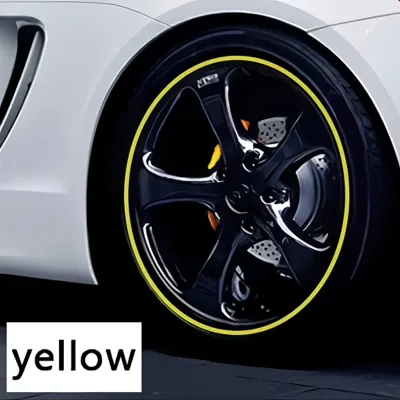
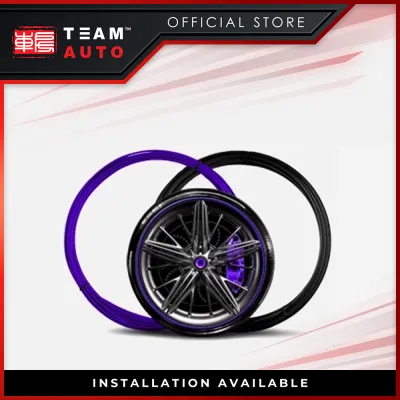
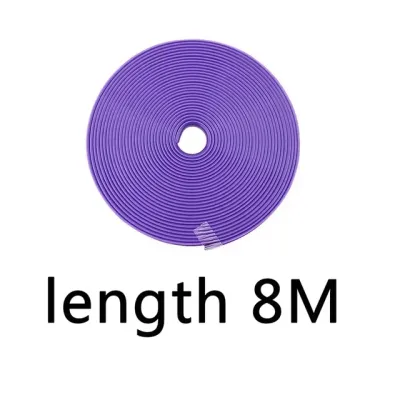
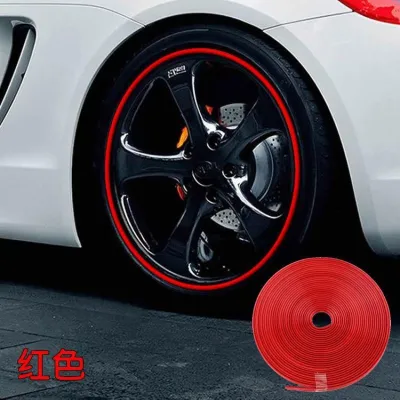
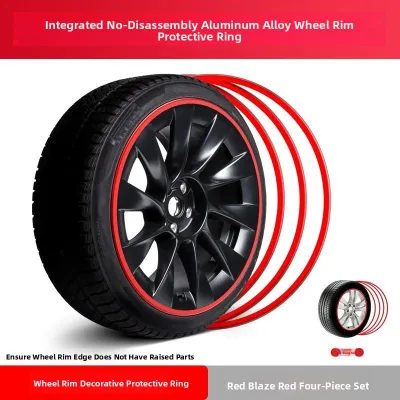
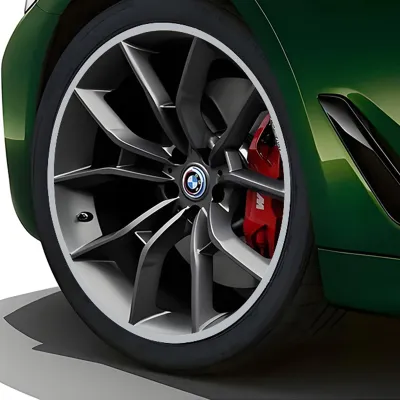
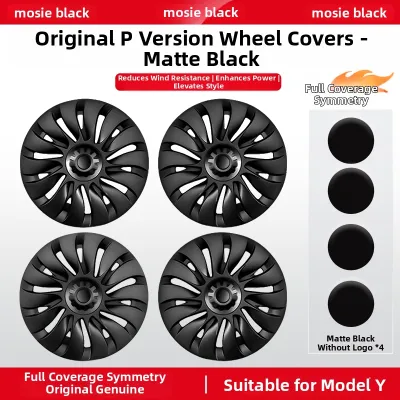
Prices are valid at publication and may change. Please refer to the product page for the latest price.
Understanding the Three Main Rim Protector Formats
Before comparing performance, it is essential to identify the structural characteristics of the three primary formats available on the market. These accessories differ significantly in their materials, coverage areas, and attachment mechanisms.
Rim protector strips are flexible, lightweight bands designed to wrap around the outermost edge of the wheel lip. They are typically manufactured from flexible rubber, silicone, or soft plastic compounds. Most strips rely on high-strength adhesive backings to bond directly to the clean metal surface of the rim. Alternatively, some strip designs feature a thin tail that inserts directly into the small gap between the tire bead and the wheel rim, securing the protector via the natural pressure of the inflated tire.
Alloy wheel rings represent a more rigid class of protection. These are semi-rigid or hard molded rings made from durable polymers, nylon composites, or lightweight metals. Unlike flexible strips, wheel rings are pre-formed to specific wheel diameters, such as 18-inch or 19-inch sizes. They attach either by clipping firmly over the outer lip of the wheel using integrated tension tabs or by being clamped securely between the tire bead and the rim during tire installation.
Full rim covers, often referred to as full-face overlays or modern hubcaps, offer the maximum coverage possible. These covers are molded from heavy-duty plastics or composite materials and are designed to snap directly over the entire face of the wheel, completely enclosing both the outer rim and the inner spokes. They are commonly used on vehicles with steel wheels or specific alloy designs where the owner wishes to alter the vehicle’s appearance while shielding the underlying metal from road salt, brake dust, and physical impacts.
Because material compositions, thicknesses, and exact dimensions vary widely across different manufacturers, you must always verify the specific product labels and technical specifications. Do not assume that all products within a category offer the same level of impact resistance or thermal stability.
Comparing Protection, Aesthetics, and Fitment
Each format requires you to make trade-offs between physical protection, visual appeal, and ease of fitment. Evaluating these trade-offs based on your typical driving conditions will help narrow down your choices.

In terms of protection scope, full rim covers provide the most comprehensive defense. Because they cover the entire face of the wheel, they shield the spokes and center hub from flying gravel, road debris, and corrosive brake dust accumulation. However, they are typically made of molded plastic, which can crack under severe impacts. In contrast, rim protector strips and alloy wheel rings focus exclusively on edge-only defense. They protect the vulnerable outer lip from curb scrapes during parking maneuvers but leave the spokes completely exposed to road hazards.
Aesthetics are another major consideration for vehicle owners. If you have invested in high-end aftermarket alloy wheels, you likely want to preserve and display their original design. Rim protector strips and alloy wheel rings are highly subtle, offering a thin, colored or color-matched border that highlights the wheel’s circumference without hiding the spokes. Full rim covers, on the other hand, completely alter the visual identity of your wheels. While this is excellent for hiding existing damage or updating the look of basic wheels, it completely obscures the original alloy finish.
Fitment requirements are highly dependent on your wheel’s physical geometry. Flexible strips can adapt to minor surface irregularities, but they require a clean, flat surface for adhesive bonding. Rigid rings demand a highly specific lip profile to clip on securely, meaning they may not fit wheels with rounded, stepped, or extremely narrow outer edges. Full covers require compatible spoke configurations or specific wheel designs to allow the mounting clips or lug-bolt retainers to seat safely without interfering with the wheel’s structural integrity.
| Feature | Rim Protector Strips | Alloy Wheel Rings | Full Rim Covers |
|---|---|---|---|
| Coverage Area | Outer rim edge only | Outer rim lip only | Entire wheel face and spokes |
| Material Type | Flexible rubber or plastic | Rigid or semi-rigid polymer/metal | Hard molded plastic or composite |
| Attachment Method | Adhesive backing or tire bead insert | Clip-on tension or bead locking | Snap-on clips or lug bolt integration |
| Visual Impact | Minimal; subtle color accent or clear | Moderate; defined border accent | High; completely hides original wheel |
| Fitment Check | Check manufacturer specs | Check manufacturer specs | Check manufacturer specs |
Matching the Protector to Your Specific Wheel Design
Selecting the correct protector requires analyzing your wheel’s physical shape and your primary driving environment. A mismatch between the protector format and your wheel geometry can lead to poor adhesion, visual misalignment, or even detachment while driving.
You should choose rim protector strips if your wheels feature a complex, curved, or uneven outer lip. Because these strips are highly flexible, they can bend and conform to subtle contours where rigid rings would fail to seat properly. If your wheel lip has small decorative rivets, stepped edges, or non-standard curves, a flexible adhesive strip is often the only viable option for edge protection. They are also ideal for drivers seeking a cost-effective, low-profile barrier against light parking scrapes, with basic sets often costing under S$30.
Alloy wheel rings are the preferred choice if your wheels have a pronounced, flat outer lip and your primary goal is heavy-duty curb-rash defense. The rigid construction of these rings allows them to absorb and distribute physical impacts more effectively than soft rubber strips. If you frequently park in tight urban spaces with high concrete curbs, the structural rigidity of a nylon or polymer ring provides a robust sacrificial barrier that preserves the underlying alloy.
Full rim covers are best suited for drivers who prioritize comprehensive protection or wish to refresh the look of worn, weathered wheels. They are highly practical for winter driving conditions where road salt and moisture can quickly corrode alloy finishes. However, before purchasing full covers, you must verify that your wheel design allows the cover’s retention clips to snap securely onto the rim without contacting or putting pressure on the brake calipers or suspension components.
Before making a final decision, inspect your wheels for any specialized finishes, delicate powder coatings, or aerodynamic inserts. Some high-gloss or matte finishes can be damaged by strong adhesive residues, while friction-based metal clips can scratch delicate clear coats. If your wheels feature unique factory coatings, check the vehicle manufacturer’s guidelines to ensure aftermarket attachments will not compromise the finish.
Installation, Safety, and Maintenance Checks
Proper installation and ongoing maintenance are critical to ensuring that your rim protectors remain secure and do not pose a safety hazard to you or other road users.
Before installing any protector, perform a thorough pre-installation check. The wheel surface must be completely clean, dry, and free of brake dust, road grime, and tire shine products. Any residual oils or dirt will severely compromise adhesive bonds or mechanical clips. If your wheels already have existing curb damage, inspect the area carefully. Sharp metal burrs or deep gouges must be sanded smooth before application to ensure the protector can seat flat against the rim surface.
Safety boundaries must be strictly observed during installation. Ensure that the protector does not interfere with the tire bead seating against the wheel rim, as a compromised bead can lead to slow air leaks or sudden tire deflation. The protector must also clear the valve stem and any tire pressure monitoring system (TPMS) sensors. Additionally, verify that clip-on rings or full covers do not reduce the necessary clearance between the wheel assembly and the brake calipers or suspension arms.
Routine maintenance and regular inspections are essential for long-term safety. Over time, road vibrations, temperature fluctuations, and moisture can weaken adhesives or loosen mechanical clips. Inspect your protectors weekly for any signs of lifting, cracking, or shifting. Trapped moisture and road salt behind a loose protector can cause hidden corrosion on alloy surfaces. If you notice any portion of a protector loosening, remove it immediately to prevent it from detaching at highway speeds, which could damage your vehicle’s bodywork or create a hazard for trailing drivers.
If a specific protector design requires tire deflation, breaking the tire bead, or any structural modification to the wheel assembly, stop and consult a qualified tire professional. Attempting to break tire beads or install bead-seated rings without the proper pneumatic equipment and safety training can result in severe personal injury or permanent damage to your tires and wheels.
Frequently Asked Questions (FAQ)
Do rim protectors affect tire pressure monitoring systems (TPMS)?
Most standard rim protectors do not interfere with the electronic signals of tire pressure monitoring systems. However, physical clearance is a critical factor that you must verify. During installation, ensure that the protector’s mounting clips, adhesive backing, or structural body do not press against or obstruct the valve stem where the TPMS sensor is housed. If a protector sits too close to the valve stem, it can apply lateral pressure, potentially causing air leaks or damaging the sensor assembly during tire inflation or wheel rotation.
Can I install rim protector strips on run-flat tires?
You can install adhesive rim protector strips on wheels fitted with run-flat tires, provided the outer lip of the wheel is fully accessible and clean. However, you must exercise caution with bead-seated protectors that insert into the gap between the tire and the rim. Run-flat tires feature exceptionally stiff sidewalls and reinforced beads, which make the bead gap much tighter and less forgiving than that of standard tires. Attempting to force a protector insert into this tight space can damage the tire bead or prevent it from sealing correctly, so always consult both the tire and protector manufacturer guidelines before proceeding.
Community discussion
Share your experience or ask a question. Comments are reviewed before publication.