
Choosing between city commuting and long-distance touring riding boots comes down to how different manufacturers balance protective rigidity with walking flexibility. Urban-focused riding boot designs prioritize casual aesthetics, lightweight materials, and flexible soles that allow you to walk comfortably around an office or retail space. In contrast, touring-focused designs emphasize structural support, heavy-duty weatherproofing, and robust armor to protect your feet during high-speed highway travel. Understanding these brand design philosophies helps you select gear that matches your daily riding routine and local environmental conditions.
Core Design Differences Between Commuting and Touring Boots
When comparing riding boots, the fundamental split in brand design philosophy lies in the intended environment. Urban commuting boots are engineered for short trips, frequent stops, and significant off-bike walking. Manufacturers of urban gear often design boots that look like everyday sneakers or casual leather boots, integrating hidden protective elements. These designs use flexible ankle zones and softer sole compounds to ensure that walking does not feel stiff or fatiguing.
The height of the boot is a major differentiator between these two categories. Commuting boots are typically low-cut or mid-cut, ending just above the ankle. This lower profile allows for a full range of motion when walking and fits easily under standard jeans or chinos. Touring boots, by contrast, are almost always full-height designs that extend mid-way up the shin. This extended coverage is crucial for protecting the shin bone from flying debris and providing a larger surface area for shin armor.
Products mentioned in this guide
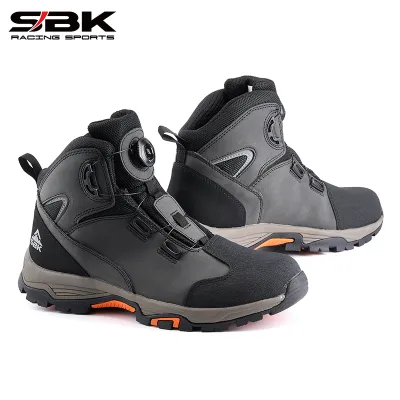
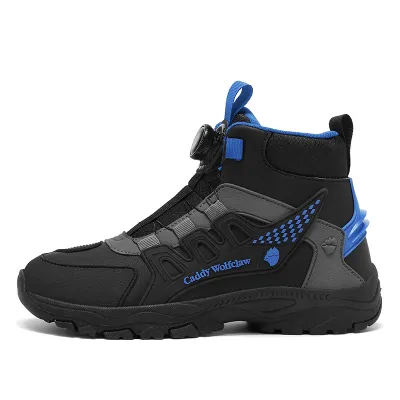
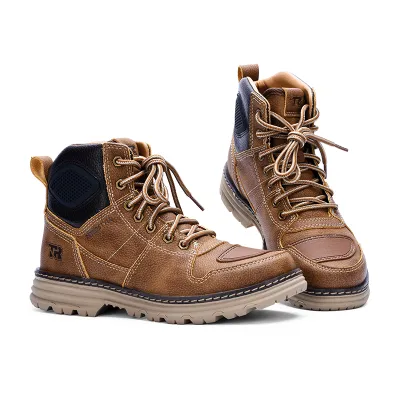
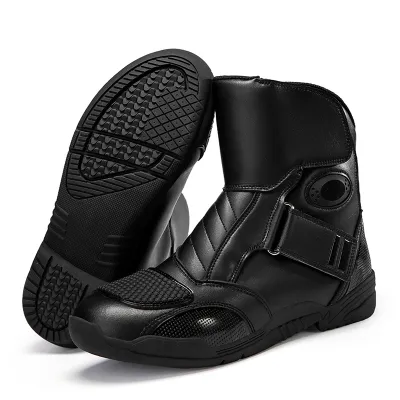
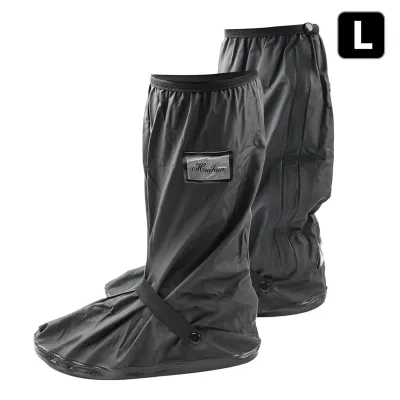
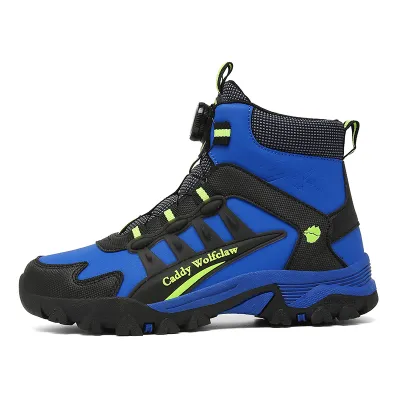
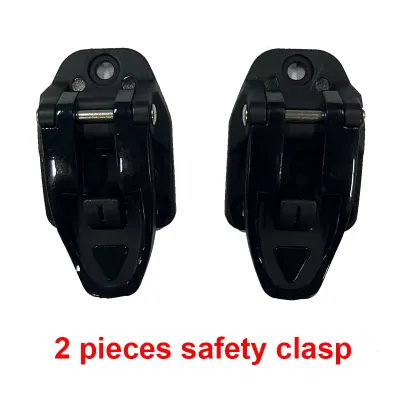
Prices are valid at publication and may change. Please refer to the product page for the latest price.
Touring boots are built for hours in the saddle where foot movement is minimal but the risk of high-speed impact or slide is much higher. Touring-focused brands construct their boots with rigid ankle bracing systems, often utilizing external torsion control frames to prevent lateral twisting. This high level of ankle protection naturally limits walking flexibility, making these boots less practical for running errands on foot but highly protective on open roads.
Sole stiffness represents another major point of divergence. Touring boots feature highly rigid midsoles, often reinforced with steel or composite shanks, to distribute footpeg pressure evenly over long hours. This rigidity prevents foot fatigue while standing on pegs or maintaining a constant riding position. Conversely, commuting boots feature more pliable midsoles that flex naturally at the ball of the foot, prioritizing walking comfort over absolute structural rigidity.
Weatherproofing and ventilation trade-offs also define these categories. Touring brands frequently incorporate integrated waterproof membranes that seal out heavy downpours over hundreds of kilometers, though this can restrict airflow in hot weather. Commuting designs often favor highly breathable perforated leather, mesh panels, or lightweight canvas to maximize airflow during slow-speed city riding, accepting that they may offer less protection during a sudden, heavy storm.
Key Features to Compare Across Riding Boot Brands
To make an informed purchase, you must inspect specific physical features across different brands to verify their construction quality and suitability. Begin by examining the wear-prone areas of the boot. High-quality commuting and touring boots should feature dedicated shift pads over the toe box to prevent the gear shifter from wearing down the upper material. On sport-touring or aggressive road boots, look for replaceable toe sliders that protect the outer edges during cornering.

Abrasion-resistant panels are critical for safety. Check the placement of double-layered leather, heavy-duty textiles, or thermoplastic polyurethane (TPU) protectors around the heel counter, toe box, and lateral ankle bones. Touring brands typically extend these reinforced panels much higher up the shin and calf, whereas urban brands tend to concentrate them discreetly around the ankle joint and heel.
The closure system of a boot directly affects both convenience and safety. Laced systems are common in urban riding shoes, offering a familiar, adjustable fit, but they require secure lace-retention straps or pockets to prevent loose loops from catching on footpegs or gear levers. Zippers combined with hook-and-loop flaps provide a secure, quick-entry solution common in both styles. Heavy-duty touring boots often utilize micro-adjustable cam buckles or ratcheting closure systems, which ensure a precise, locked-in fit that will not come undone during a slide.
Internal armor is another critical element to compare. Look for boots that feature dual-density ankle cups or impact-absorbing inserts made of advanced materials like D3O. These inserts remain soft and flexible during normal movement but harden instantly upon impact. Ensure that these protective discs are anatomically shaped to sit comfortably over your ankle bones without causing pressure points.
Safety certifications provide objective proof of a boot’s protective capabilities. Look for the CE (Conformité Européenne) certification label, which is typically sewn into the interior tongue or shaft of the boot. This label should reference the standard EN 13634, which governs protective footwear for motorcycle riders. The label displays a pictogram of a motorcyclist alongside a series of numbers indicating performance levels for height, abrasion resistance, impact cut resistance, and transverse rigidity. Always cross-reference these labels with the manufacturer’s official product documentation to verify the exact protection levels.
Adapting Boot Features for Singapore's Climate and Roads
Riding in Singapore presents unique environmental challenges, characterized by high year-round temperatures, intense humidity, and sudden, heavy tropical downpours. When evaluating riding boot brands for local use, ventilation must be a primary consideration. Boots with moisture-wicking inner linings and extensive perforation help manage sweat and prevent fungal buildup during daily commutes. If you choose a waterproof boot for touring up the peninsula, look for breathable membranes that allow sweat vapor to escape while keeping external water out.
The high humidity in Singapore also means that wet gear can take a long time to dry, which can lead to mold and unpleasant odors. When comparing boots, look for models with removable and washable insoles, as well as quick-drying synthetic linings. Materials like microfiber can offer the look and abrasion resistance of leather while drying much faster and resisting water damage more effectively.
Wet road grip is another critical factor on local roads, especially when stopping on painted lane markings, metal construction plates, or oil-slicked asphalt during a sudden downpour. Inspect the outsole of any boot you consider. Look for deep tread patterns or siping designed to disperse water away from the contact patch, and opt for soft, high-grip rubber compounds. Hard, smooth soles designed solely for track use can slip easily when you put your foot down at a wet intersection.
Stop-and-go traffic in urban areas generates significant engine and exhaust heat, which radiates directly onto your feet and ankles. When commuting through congested areas, boots with heat-resistant panels on the inner calf or thick leather construction can prevent discomfort and burns. Ensure that the boot’s materials are rated to withstand high temperatures without melting or degrading over time.
Decision Framework: Matching Boot Designs to Your Riding Routine
Selecting the right riding boot requires a realistic assessment of your typical weekly mileage and activities. If your daily routine consists of short commutes to an office, university, or retail space where you must walk or stand for hours, an urban-focused riding shoe or short boot is the most practical choice. These designs offer sufficient low-speed protection while blending seamlessly with casual clothing, saving you the hassle of carrying a change of footwear.
For riders whose primary joy is long-distance weekend touring, highway cruising, or cross-border journeys, a dedicated touring boot is indispensable. The increased shin protection, rigid ankle support, and comprehensive weatherproofing are essential for managing high-speed wind pressure, road debris, and prolonged exposure to changing weather. The minor inconvenience of stiff walking is a reasonable trade-off for maximum highway safety.
If your riding routine is evenly split—perhaps a daily commute followed by spirited weekend group rides—consider a hybrid or sport-touring boot. These mid-height designs often feature a balanced midsole that offers moderate flexibility for walking alongside robust ankle bracing and weather protection. When choosing a hybrid option, always prioritize the safety requirements of your highest-speed riding scenario over the convenience of your lowest-speed commute.
Before making a final decision, visit a local gear shop to try on different styles. Walk around the store to test the flexibility of the sole and ensure there are no pinch points around the ankles or toes. Sit on a motorcycle or mimic your riding position to verify that the boot does not restrict your ability to operate the gear shifter and rear brake pedal comfortably.
Frequently Asked Questions (FAQ)
Can I use long-distance touring boots for daily city commuting?
While you can wear long-distance touring boots for daily commuting, they present several practical challenges in urban environments. The high rigidity of the sole and ankle support makes walking long distances or climbing stairs tiring and uncomfortable. Additionally, the heavy construction and lack of direct ventilation can cause your feet to overheat quickly in stop-and-go city traffic, leading to excessive sweating and discomfort during your workday.
What certification labels should I check when buying riding boots?
When purchasing riding boots, look for the EN 13634 certification label sewn inside the boot. This label features a motorcycle icon and lists four numbers representing performance levels (1 or 2) for boot height, abrasion resistance, impact cut resistance, and transverse rigidity. A rating of 2 indicates a higher level of protection. Always verify these markings against the manufacturer’s official specifications to ensure the boot meets genuine safety standards.
How do I clean and maintain riding boots after riding in the rain?
After riding in wet weather, wipe off dirt and road grime with a damp cloth. Allow the boots to dry naturally in a well-ventilated indoor area away from direct heat sources like radiators or hair dryers, which can crack leather and damage internal adhesives. Once fully dry, consult the manufacturer’s care label before applying any leather conditioners, fabric protectors, or specialized waterproofing sprays to maintain the material’s integrity.
Community discussion
Share your experience or ask a question. Comments are reviewed before publication.