
Choosing the right sun protection for your vehicle is essential for maintaining a comfortable cabin and preserving your interior materials. If you are trying to decide between a front windshield retractable sunshade and side window retractable sunshades, the ideal choice depends on your primary parking habits and immediate comfort needs.
For drivers who frequently park outdoors under direct sunlight, a front windshield retractable sunshade is the most effective tool to prevent steering wheel burn, protect dashboard electronics, and reduce overall cabin heat buildup. If your main goal is to protect rear-seat passengers, infants, or pets from lateral glare and UV exposure while driving, side window retractable sunshades are the superior option. Combining both types provides a comprehensive thermal barrier, though you must carefully verify mounting compatibility, local visibility regulations, and cabin storage space before purchasing.
Assessing Your Parking Habits and Heat Concerns
To determine which sunshade type deserves priority, start by analyzing your daily routine and where your vehicle spends most of its stationary hours. Vehicles parked in open-air residential lots or unsheltered commercial spaces face prolonged exposure to intense solar radiation. In tropical climates with high year-round temperatures, this exposure rapidly elevates cabin temperatures to uncomfortable levels, placing a heavy load on your air conditioning system when you return to the vehicle.
Products mentioned in this guide
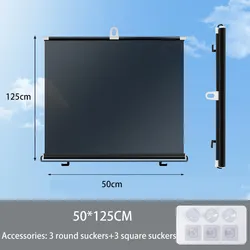
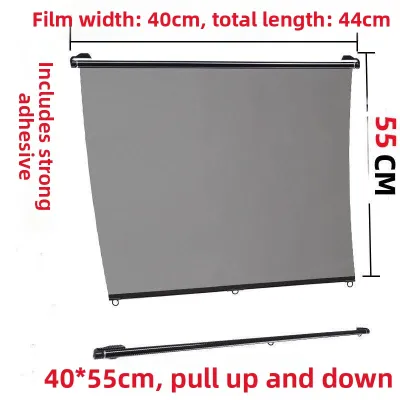
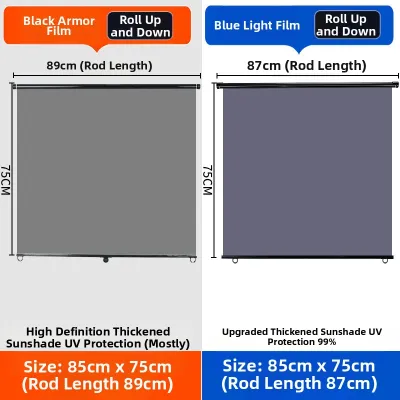
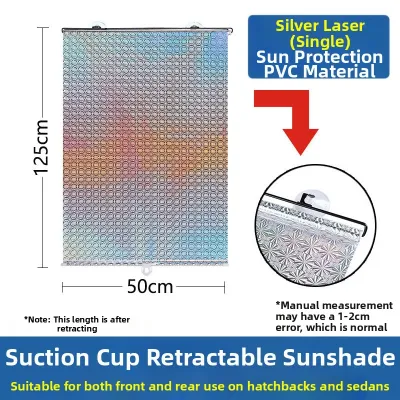
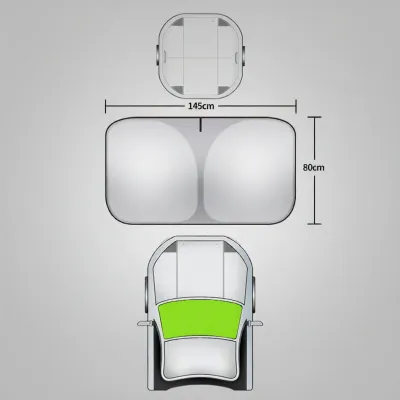
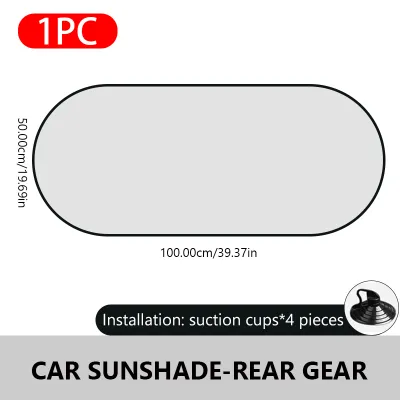
Prices are valid at publication and may change. Please refer to the product page for the latest price.
The angle of the sun throughout the day also dictates which glass surfaces receive the most direct heat. During morning and late afternoon commutes, the sun sits lower on the horizon, streaming directly through the side windows and causing localized discomfort for passengers. Conversely, midday sun beats down from directly overhead, penetrating the expansive, angled surface of the front windshield and concentrating heat directly onto the dark surfaces of your dashboard and steering wheel.
Identifying your specific interior pain points will help you target your investment. If you frequently experience a steering wheel that is too hot to touch or notice the early signs of leather cracking on your front seats, the front windshield is your primary vulnerability. If your passengers constantly complain about side-window glare or struggle to see mobile screens due to bright light, prioritizing the side windows will yield more immediate benefits.
Front Windshield Retractable Sunshades
Front windshield retractable sunshades are engineered to cover the largest single pane of glass on your vehicle. By reflecting or absorbing solar energy before it penetrates deep into the cabin, these shades protect critical interior components—such as the instrument cluster, infotainment screens, and dashboard upholstery—from premature fading, warping, and UV-induced cracking.

These shades typically require a semi-permanent mounting system to facilitate their retractable function. Many designs utilize suction cups or adhesive brackets anchored to the passenger-side A-pillar, allowing the shade to be pulled horizontally across the glass and secured to a small bracket on the driver’s side. Other models mount vertically along the bottom of the windshield. Because of these physical mounting requirements, you must ensure the housing does not obstruct your forward view or block integrated safety sensors, such as rain sensors or dashcams mounted near the rearview mirror.
The primary trade-off of a front windshield retractable shade is its physical presence when retracted. While highly convenient because they eliminate the need to fold and store a bulky manual shade, the housing remains visible along the side of your windshield. You must verify that the retracted profile is slim enough to avoid creating a blind spot near the A-pillar, and that the mounting brackets do not interfere with the deployment paths of your vehicle’s side-curtain airbags.
Side Window Retractable Sunshades
Side window retractable sunshades focus on passenger comfort, privacy, and localized glare reduction. Unlike windshield shades, which are strictly deployed while parked, side window shades are often designed to remain in place while the vehicle is in motion, making them highly practical for families traveling with young children or pets in the rear seats.
These shades utilize several mounting mechanisms, including suction cups, static-cling backings, magnetic frames that cling to the metal door border, or physical track systems that screw or adhere to the door trim. The mounting method directly influences how you operate your windows. For instance, suction-cup and static-cling models must be fully detached before you can roll the window down, whereas track-mounted or magnetic frame options allow the glass to slide freely while the shade remains deployed.
While side window shades excel at passenger comfort, they have a smaller impact on overall cabin temperature reduction compared to a front windshield shade due to the smaller surface area of individual side windows. Additionally, you must be mindful of potential wear on your vehicle’s window regulators. If a track-mounted shade is misaligned or creates friction against the glass, it can strain the electric window motor over time, leading to premature wear or mechanical failure.
Comparing Key Specifications and Fitment
When selecting any retractable car sunshade, relying on generic “universal fit” claims can lead to poor performance and installation frustration. A shade that is too small leaves gaps that allow concentrated beams of UV light to penetrate, while an oversized shade will sag, fail to retract smoothly, or interfere with your vehicle’s interior trim. Always check the manufacturer’s compatibility database for your exact vehicle make, model, and year.
Material composition is another critical specification to verify on the product label. Look for shades that feature multi-layer construction, typically consisting of a highly reflective outer layer (such as aluminum foil or silver-coated polyester) to bounce away solar radiation, paired with a dense, heat-absorbing inner layer. Check for verified Ultraviolet Protection Factor (UPF) ratings to ensure the material blocks both UVA and UVB rays effectively.
Finally, evaluate the durability of the retraction mechanism itself. Spring-loaded roller blinds offer rapid, one-touch retraction but can lose tension over time or rattle against the door panels when driving over uneven road surfaces. Pleated accordion-style shades are highly durable and hold their shape well, but they require manual guidance during retraction and must be securely latched to prevent them from snapping back unexpectedly while you are driving.
Installation, Safety, and Visibility Checks
Safety must be your primary consideration when installing any aftermarket interior accessory. Under no circumstances should a deployed or retracted sunshade obstruct your clear view of the road, side mirrors, or traffic signals while the vehicle is in motion. If you install a retractable shade on the front windshield, ensure the housing sits completely flush against the pillar and does not impede your peripheral vision.
Be exceptionally cautious when mounting shades to windows equipped with aftermarket solar films or window tints. High-suction cups, rigid mounting brackets, or strong adhesives can easily scratch, bubble, or peel delicate tint films during installation or removal. If you must mount a shade over tinted glass, opt for gentle static-cling models or magnetic frames that attach to the metal door frame rather than the glass itself.
If your vehicle features advanced driver assistance systems (ADAS), check that the sunshade brackets do not block the optical path of cameras or sensors mounted near the top of the windshield. If you are unsure whether a mounting bracket interferes with your vehicle’s side-curtain airbags or complex interior trim panels, stop the installation immediately and consult a qualified automotive professional to ensure your safety systems remain fully functional.
Final Decision Framework
To finalize your purchasing decision, use this structured framework to match your specific driving environment with the correct sunshade type.
- Choose a Front Windshield Retractable Sunshade if:
- Your vehicle is regularly parked outdoors in unsheltered parking lots during peak daylight hours.
- Your primary goal is to protect the dashboard, steering wheel, and front seats from heat damage and fading.
- You want to lower the initial cabin temperature quickly before starting your journey.
- Choose Side Window Retractable Sunshades if:
- You frequently travel with passengers, children, or pets in the rear seats who require protection from direct lateral glare.
- You want to maintain cabin privacy while parked or driving.
- You prefer a semi-permanent solution that can remain installed without blocking your primary forward view.
- Consider Both if:
- You want to establish a comprehensive thermal barrier for long-term outdoor parking.
- You are committed to preserving your vehicle's interior resale value by preventing UV damage across all major cabin surfaces.
Before purchasing from an online marketplace or ecommerce platform, always verify the seller’s return policy. Because interior dimensions can vary slightly even within the same vehicle model generation, having the option to exchange an ill-fitting shade ensures you secure a perfect fit. Take precise physical measurements of your target windows with a measuring tape and cross-reference them with the product’s exact dimensions before checking out.
Frequently Asked Questions (FAQ)
Can I use a universal retractable sunshade for my specific car model?
While universal retractable sunshades are widely available, they often present fitment challenges. Because car windows vary significantly in curvature, height, and width across different vehicle classes, a universal shade may leave substantial gaps along the edges, allowing UV rays and heat to bypass the barrier. Additionally, universal mounting brackets may not align correctly with your vehicle’s specific A-pillar trim or door panels, leading to loose mounting or operational failure. To ensure optimal coverage and secure mounting, always measure your windows precisely and prioritize custom-fit or highly adjustable models designed for your vehicle’s specific dimensions.
Will a retractable sunshade damage my window tint or interior panels?
Yes, improper installation or choosing the wrong mounting mechanism can damage your vehicle’s interior. Strong adhesives, rigid metal clips, or high-tension suction cups can scratch plastic trim, indent leather panels, or peel aftermarket window tint films when removed. To prevent damage, avoid mounting brackets directly over defroster lines, fragile trim pieces, or aftermarket solar films. Always clean the mounting surface thoroughly according to the manufacturer’s instructions before installation, and test any adhesive or mounting clip on a small, inconspicuous area of your interior trim first to ensure compatibility.
Community discussion
Share your experience or ask a question. Comments are reviewed before publication.