
Quick Answer: Match the Shade to Your Primary Problem
Choosing between a windshield retractable shade and side window retractable shades depends entirely on whether your main challenge is parked-car heat mitigation or passenger comfort while driving. If your primary goal is to lower overall cabin temperature and protect your dashboard from cracking, a front windshield shade is the most effective single upgrade you can make. The front windshield represents the largest surface area of glass on your vehicle, acting as a massive entry point for solar radiation when parked.
Conversely, if your main concern is protecting rear passengers—particularly infants or young children in car seats—from harsh side glare, UV exposure, and heat while the vehicle is in motion, side window shades are the correct choice. While a windshield shade completely blocks forward vision and is strictly for parked use, side window shades can often be used dynamically during travel, subject to local traffic safety regulations. Many drivers eventually install both to achieve comprehensive thermal management, but you should prioritize the option that addresses your immediate daily driving or parking pain point.
Windshield Retractable Shades: Maximizing Heat Rejection
When a vehicle is parked under direct sunlight, solar radiation passes through the glass and is absorbed by the dark surfaces of the dashboard, steering wheel, and front seats. These components act as thermal masses, absorbing the energy and re-radiating it as long-wave infrared heat, which becomes trapped inside the cabin. A front windshield retractable car shade acts as a highly reflective barrier, intercepting this solar energy at the glass line and bouncing it back out before it can heat up the interior materials.
Products mentioned in this guide
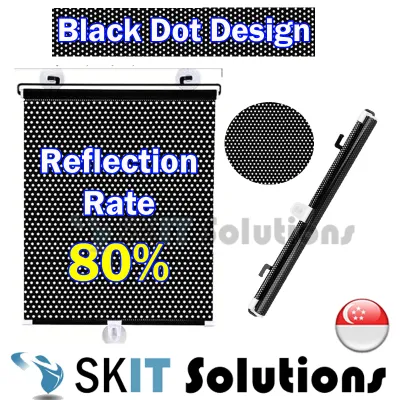
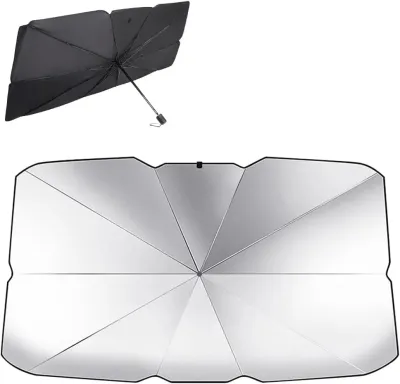
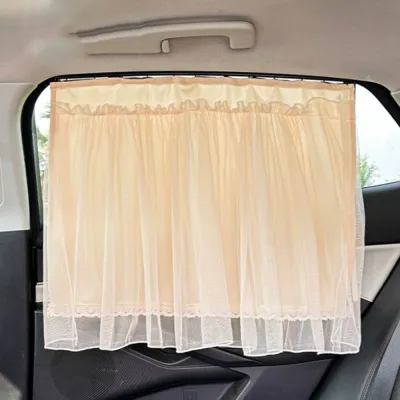
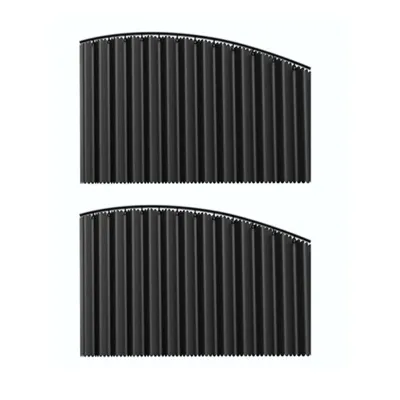
Prices are valid at publication and may change. Please refer to the product page for the latest price.

Beyond temperature control, a windshield shade is a vital preventative maintenance tool. Continuous exposure to ultraviolet (UV) radiation and high temperatures causes the plasticizers in your dashboard to degrade, leading to unsightly fading, warping, and eventual cracking. It also protects sensitive electronic components housed in the center console and instrument cluster from overheating.
Retractable models offer a significant usability advantage over traditional folding cardboard or foil shades. Instead of wrestling with a bulky, folding panel that must be stored in the back seat or boot, a retractable shade is permanently mounted to one side of the windshield frame or along the roofline. It can be deployed in seconds with a single smooth pull across the glass and retracted just as quickly via a spring-loaded roller mechanism. This ease of use ensures that you actually use the shade during brief parking stops, rather than leaving the cabin unprotected due to the hassle of setup.
However, windshield retractable shades have distinct usage limitations. Because they completely obstruct the driver’s forward view, they must be fully retracted and secured before the vehicle is put into motion. Additionally, installation requires careful consideration of your vehicle’s existing hardware. Many modern cars feature front-facing cameras and sensors for Advanced Driver Assistance Systems (ADAS)—such as lane-keeping assist and automatic emergency braking—mounted directly behind the rearview mirror. When installing a retractable shade, you must verify that the mounting brackets and the retracted housing do not compress, misalign, or block the field of view of these safety sensors, nor interfere with the manual adjustment of the rearview mirror.
Side Window Retractable Shades: Glare, Privacy, and Passenger Comfort
Side window retractable shades serve a very different set of operational needs, focusing primarily on occupant comfort, privacy, and glare reduction while the vehicle is actively driving. For rear passengers, direct lateral sunlight can make travel incredibly uncomfortable, causing eye strain and skin irritation. This is a particular concern for infants in rear-facing child safety seats, who cannot easily adjust their position to escape the sun’s path.
These shades generally come in two primary configurations: pull-down roller shades and sliding mesh tracks. Pull-down roller shades typically mount to the top of the door panel or clip directly over the top edge of the window glass, rolling down to secure via suction cups or brackets at the bottom of the window frame. Sliding mesh tracks mimic residential curtains, utilizing a small, low-profile track adhered to the top and bottom of the window frame, allowing the mesh fabric to slide horizontally.
In Singapore, the use of side window shades is governed by strict legal boundaries set by the Land Transport Authority (LTA). According to LTA regulations, all vehicles must maintain a minimum level of Visible Light Transmission (VLT). Specifically, the front windshield and the front side windows must allow at least 70% of light to pass through, while the rear side windows and rear windshield must allow at least 25% VLT.
Because of these safety standards, deploying any physical shade on the front side windows while driving is strictly prohibited, as it severely restricts the driver’s view of the side mirrors and blind spots. Rear side windows offer more legal flexibility, allowing the use of shades to protect passengers. However, even on rear windows, the shade must not be configured in a way that completely obstructs the driver’s overall situational awareness or rearward line of sight. Always consult current LTA guidelines and vehicle manufacturer instructions before operating a vehicle with side window shades deployed.
Feature-by-Feature Comparison: Windshield vs. Side Window Shades
To help you determine which option aligns best with your immediate needs, the table below compares the primary operational differences between windshield and side window retractable shades.
| Feature | Windshield Retractable Shade | Side Window Retractable Shade |
|---|---|---|
| Primary Goal | Overall cabin heat reduction and dashboard protection | Glare reduction, passenger UV protection, and rear cabin privacy |
| Best Use Case | Vehicles parked outdoors in direct sunlight | Active driving with rear passengers or young children |
| Interior Protection Focus | Dashboard, steering wheel, front upholstery, and console electronics | Rear seats, child safety seats, and rear cabin upholstery |
| Usability While Driving | Strictly prohibited; must be fully retracted | Conditional; permitted on rear side windows only, subject to LTA VLT rules |
| Installation Complexity | Moderate; typically mounts near A-pillars, visors, or rearview mirror | Variable; ranges from suction-cup roller units to adhesive track systems |
It is important to note that the actual thermal performance and durability of either option depend heavily on the specific material composition of the shade. High-quality shades utilizing multi-layered reflective coatings, aluminum-foil backings, or tightly woven high-density polymer meshes will provide significantly better heat rejection and UV block rates than basic, single-layer fabric alternatives.
The Decision Framework: Which One Should You Buy First?
If you are planning to purchase your first retractable shade system, evaluating your typical daily driving habits and parking scenarios will guide you to the correct starting point.
When to Prioritize a Windshield Retractable Shade
Choose a windshield retractable shade first if your daily routine involves parking your vehicle in open-air car parks, industrial estates, or uncovered driveways for extended periods. If you frequently return to a car where the steering wheel is too hot to touch and the air conditioning takes ten minutes of driving to bring the cabin to a tolerable temperature, the front windshield shade is your most effective solution. It is also the priority choice if you drive an older vehicle or a model known for delicate dashboard materials that are highly susceptible to sun damage.
When to Choose Side Window Retractable Shades First
Prioritize side window retractable shades if your vehicle is primarily parked in sheltered, multi-storey, or basement car parks, meaning your main sun exposure occurs while driving. This option is essential if you regularly transport children, elderly family members, or pets in the rear seats who complain of heat and glare during daytime trips. Additionally, if you frequently leave valuable items, work gear, or luggage in the rear footwells or on the back seats, rear side window shades provide an excellent, low-profile privacy barrier that deters opportunistic theft.
Evaluating Your Vehicle's Interior Compatibility
Before finalizing your purchase, verify if your vehicle has any specialized interior features that might conflict with standard mounting designs. For example, some premium vehicles feature prominent plastic trim around the A-pillars, integrated rain sensors, or digital rearview mirror cameras that can limit the mounting space for a windshield shade housing. Similarly, vehicles with frameless doors or complex, curved door panels may not accommodate standard slide-track or clip-on roller side shades, requiring you to seek out model-specific custom-fit options instead.
Pre-Purchase Checks: Sizing, Mounting, and Compatibility
To ensure your chosen retractable shade fits securely and operates safely, complete several key physical checks before purchasing.
Measurement and Exact Fit
Generic, “universal-fit” retractable shades are widely available, but they often fail to provide complete coverage. A windshield shade that is even a few centimeters too short will leave substantial gaps, allowing concentrated shafts of sunlight to enter and heat up specific areas of your interior. For side windows, an improperly sized shade can sag, rattle, or fail to cover the entire glass surface, leaving passengers exposed to glare. For the best results, measure the exact height and width of your window glass inside the frame, or search for custom-fit retractable shades designed specifically for your vehicle’s make, model, and model year.
Mounting Mechanisms and Material Safety
Retractable shades rely on various mounting methods, each with distinct trade-offs:
- Suction Cups: These are highly reversible and non-damaging, making them excellent for temporary setups. However, high cabin temperatures can dry out the rubber, causing the cups to lose suction and fall off over time.
- Adhesive Clips and Tracks: These provide a very stable, low-profile installation. However, you must exercise extreme caution if your vehicle has aftermarket solar control window films (tinting) installed. Strong adhesives applied directly to window film can cause bubbling, peeling, or permanent damage to the film upon removal. Always check your window tint installer's warranty guidelines before applying any adhesive mounts directly to the glass.
- Mechanical Clips: These hook over the top edge of the window glass or tuck into the window run channel. Verify that these clips do not interfere with the vehicle's automatic window safety sensors, which reverse the window motor if they detect resistance.
Interference and Airbag Safety Checks
Safety must be your primary consideration during installation. When mounting a retractable shade, ensure that the retracted housing does not block your forward or lateral line of sight while driving.
Most importantly, you must verify that the mounting brackets, tracks, or housings do not cross or interfere with the deployment paths of your vehicle’s side-curtain airbags. These airbags are typically housed along the roofline and inside the A, B, and C-pillars. Consult your vehicle’s owner’s manual to locate the exact airbag deployment zones. Never mount rigid plastic or metal shade tracks directly over these panels, as a deploying airbag could launch the shade hardware into the cabin, posing a severe injury risk to occupants.
Frequently Asked Questions (FAQ)
Do retractable shades damage window tint or interior panels?
Retractable shades themselves do not damage your vehicle, but the mounting hardware can if installed incorrectly. Suction cups and magnetic frames are generally safe and non-damaging. However, adhesive-backed mounting clips or tracks can pose a risk. If applied directly onto aftermarket window tinting films, the adhesive can bond permanently, leading to bubbling, tearing, or peeling of the film if you attempt to remove or reposition the shade. To prevent damage, look for clip-on systems that attach to the door frame rather than the glass, or ensure the adhesive is rated as safe for window films. For interior plastic door panels, clean the surface thoroughly before mounting to prevent dirt from grinding into the plastic under the mounting brackets.
Are custom-fit retractable shades better than universal ones?
Yes, custom-fit retractable shades are superior in almost every performance metric, though they come at a higher price point. Custom-fit models are engineered to match the exact geometric dimensions of your specific vehicle model’s windows. This precise engineering ensures edge-to-edge coverage with zero light gaps, maximizing heat rejection and privacy. It also guarantees that the mounting hardware is designed to clear your vehicle’s specific trim, rearview mirrors, and ADAS camera housings without interference. Universal shades are highly affordable and can be transferred between different cars, but they often suffer from loose fits, sagging fabric, and exposed glass edges that compromise their overall effectiveness.
Community discussion
Share your experience or ask a question. Comments are reviewed before publication.