
Choosing a dash cam in Singapore requires balancing advanced recording features with strict local road safety regulations and a demanding tropical climate. While Redtiger cameras have gained global popularity on various ecommerce platforms, local drivers must evaluate how these devices compare to other established brands on the market.
Your final decision should depend on verifying the specific Redtiger model’s certification status against local transport guidelines. While the brand offers highly competitive video specifications, you must cross-check battery safety, mounting configurations, and hardware compatibility before purchasing. Furthermore, securing a valid local warranty through authorized distributors is essential to ensure reliable after-sales support and troubleshooting.
Verifying LTA Compliance: The Non-Negotiable Baseline
Before installing any dash cam, you must ensure the device complies with the Land Transport Authority (LTA) regulations. The primary concern is driver visibility. Any camera mounted on the front windscreen must not obstruct your direct line of sight or interfere with the swept area of the windscreen wipers. When evaluating a Redtiger camera or any alternative brand, check the physical dimensions and mounting bracket design to ensure it can sit neatly behind or adjacent to your rearview mirror.
Products mentioned in this guide
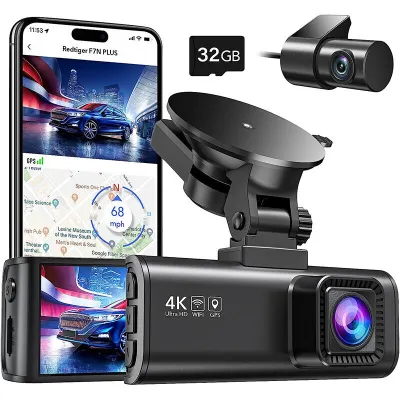
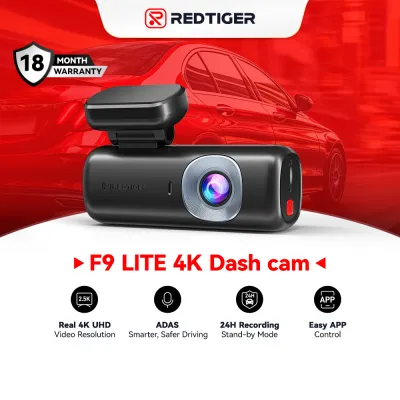
Prices are valid at publication and may change. Please refer to the product page for the latest price.
Screen size and distraction limits are also critical factors. Dash cams with large, active displays can be deemed a driving hazard if they remain illuminated while the vehicle is in motion. Look for models that feature an automatic screen-timeout or screensaver mode, which turns the display off after a few seconds of recording while keeping the camera operating in the background.
Battery safety is another vital compliance and safety consideration in Singapore’s intense heat. Dash cams powered by standard lithium-ion batteries run a high risk of swelling, leaking, or failing when parked under direct sunlight. Supercapacitor-powered models are highly recommended for local conditions because they handle extreme cabin temperatures safely. Always verify the battery type in the manufacturer’s technical specifications rather than relying on generic online marketplace descriptions.
Installing a dash cam, particularly when hardwiring it for parking surveillance, involves modifying your vehicle’s electrical system. This work carries safety risks and can impact your vehicle’s warranty. Always consult your vehicle’s original manufacturer manual and seek qualified professional installation to ensure the wiring does not interfere with safety systems, such as side-curtain airbags or sensitive onboard electronics.
Comparing Core Dash Cam Features and Specifications
When comparing a Redtiger camera to alternative brands, video quality and field of view are your primary evaluation metrics. High-resolution sensors, such as 2K or 4K options, provide the clarity needed to read license plates. However, you must balance resolution with the field of view. A lens angle between 130 and 170 degrees is ideal; anything wider can cause severe edge distortion, making distant details difficult to resolve, while a narrower angle might miss side-impact events.

Night vision and low-light performance are crucial for navigating unlit side streets, multi-story carparks, and heavy tropical downpours. Evaluate the sensor specifications of each brand. Look for models equipped with Wide Dynamic Range (WDR) or High Dynamic Range (HDR) technology. These features balance extreme light and dark areas, preventing oncoming headlights or bright streetlights from washing out critical details on license plates.
If you require continuous surveillance while your vehicle is parked, you must evaluate the brand’s parking mode capabilities and hardwiring kits. A reliable hardwire kit must include an adjustable low-voltage protection system. This safety feature automatically cuts power to the dash cam if your car battery drops below a specified voltage threshold, preventing you from returning to a dead battery. Verify that the hardwire kit is fully compatible with your specific vehicle model and year before purchase.
Storage management and mobile connectivity determine how easily you can access your footage during an emergency. High-resolution recording requires high-endurance microSD cards designed for continuous write cycles. Compare the stability of each brand’s companion mobile application. A stable, high-speed Wi-Fi connection (preferably supporting 5GHz bands) allows you to download and share footage quickly on your smartphone without needing to remove the memory card at the roadside.
Evaluating Price, Warranty, and Local Support
To determine the true cost of ownership, you must look beyond the initial purchase price of the camera body. Compare what is included in the box versus what must be purchased separately. A lower-priced standalone front camera may quickly become expensive once you add a rear camera module, a compatible hardwire kit, a high-endurance memory card, and professional installation services.
Warranty coverage is a major differentiator between parallel imports and officially distributed brands in Singapore. Many budget-friendly dash cams purchased online come with international or seller-only warranties. If the device experiences a hardware failure, you may be required to ship the unit back to an overseas warehouse at your own expense, leaving your vehicle unprotected for weeks during the exchange process.
Local support centers provide invaluable peace of mind. Established brands with authorized local distributors offer physical walk-in service centers in Singapore. These facilities can assist with immediate hardware replacements, professional troubleshooting, and localized firmware updates that address specific regional performance issues. Before finalizing your purchase, confirm whether the seller provides a genuine local warranty backed by a physical service address.
Decision Framework: Choosing the Right Dash Cam
To make the right choice for your vehicle, apply these conditional decision rules based on your specific driving priorities:
Choose a Redtiger camera if:
- The specific model you are looking at is verified to use supercapacitor technology rather than a lithium-ion battery.
- You can confirm that the seller provides a reliable local warranty with accessible customer support in Singapore.
- You want a feature-rich system, such as dual-channel recording and built-in GPS logging, at a highly competitive price point.
Choose an alternative brand if:
- You require advanced, specialized features such as built-in 4G LTE cloud connectivity for real-time remote monitoring and instant impact alerts.
- You prefer the security of a long-established brand with dedicated, physical service centers and certified installation partners across Singapore.
- You need highly precise Advanced Driver Assistance Systems (ADAS) alerts integrated directly into your dash cam.
Verify first if you are unsure about how the camera’s physical dimensions will fit your windscreen, or if you are uncertain about the hardwiring compatibility with your vehicle’s specific electrical system, especially if you drive a hybrid or electric vehicle. Always consult a qualified automotive technician before making any electrical modifications.
Frequently Asked Questions (FAQ)
Do I need to declare my dash cam to the LTA?
For standard private passenger cars in Singapore, there is no requirement to formally declare or register the installation of a standard dash cam with the Land Transport Authority (LTA). However, the physical installation must strictly adhere to safety guidelines, meaning the camera must not obstruct the driver’s view or interfere with any vehicle control systems. For commercial vehicles, private hire cars, or taxis, different regulations regarding passenger privacy and interior-facing cameras may apply. Always consult the official LTA website or your vehicle insurer to verify the latest administrative and privacy guidelines.
Can I use a dash cam with a built-in battery in Singapore's climate?
Using a dash cam powered by a standard lithium-ion battery is highly discouraged in Singapore’s tropical climate. The interior temperature of a car parked under direct sunlight can easily exceed 60 degrees Celsius, which can cause lithium-ion batteries to swell, degrade rapidly, or fail entirely. Instead, look for dash cams equipped with supercapacitors. Supercapacitors are designed to withstand extreme heat, providing just enough temporary power to safely save the last recorded file when the vehicle engine is turned off. Always check the manufacturer’s specified operating temperature range to ensure it is rated for high-heat environments.
Community discussion
Share your experience or ask a question. Comments are reviewed before publication.