
Selecting the ideal rear spoiler for your vehicle depends fundamentally on its body shape, aerodynamic profile, and your practical driving requirements. A rear spoiler is not a one-size-fits-all accessory; a design that enhances a sleek sedan can cause aerodynamic inefficiency or physical clearance issues when mounted on a hatchback or an SUV.
For sedans, low-profile lip or trunk-lid spoilers are highly effective. These designs maintain smooth airflow over the sloping rear window and trunk, reducing lift without adding unnecessary drag. They integrate seamlessly with the classic three-box silhouette and rarely obstruct rear visibility.
Hatchbacks benefit most from roof-mounted or hatch-mounted spoilers. Because hatchbacks end abruptly, they create a turbulent low-pressure wake directly behind the vehicle. A roof spoiler extends the roofline, allowing air to flow further back before separating, which helps keep the rear window cleaner by directing road spray away from the glass.
Products mentioned in this guide
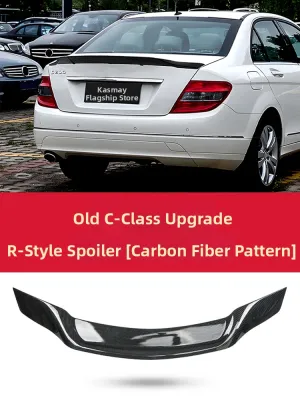
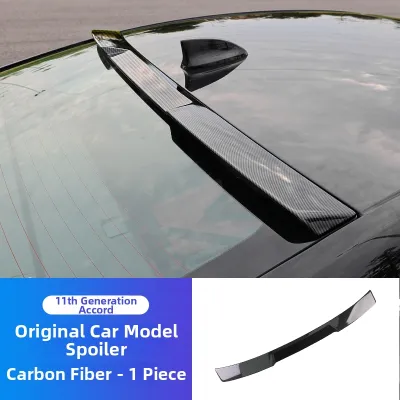

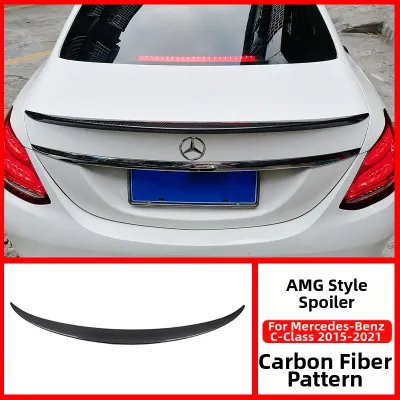
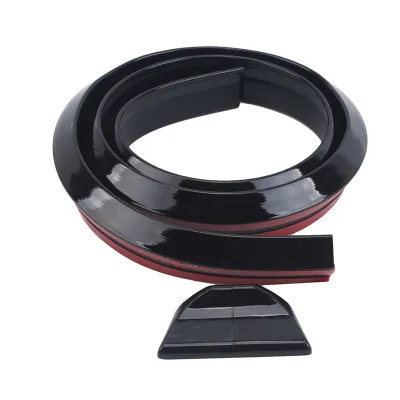
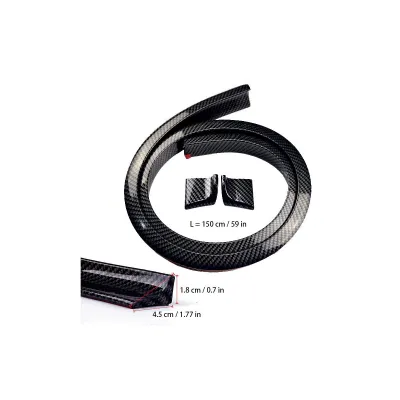
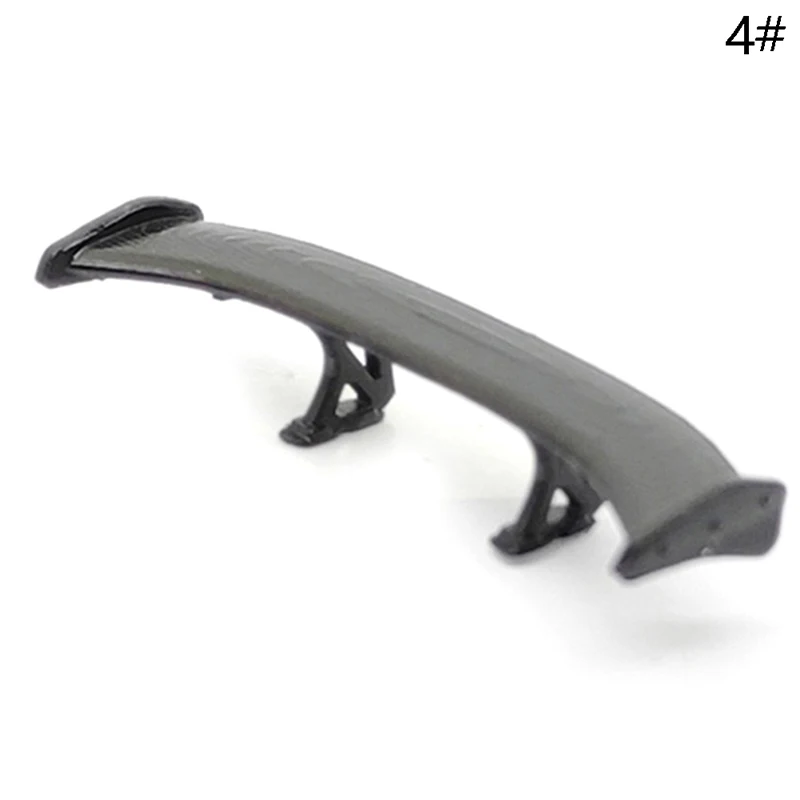
Prices are valid at publication and may change. Please refer to the product page for the latest price.
SUVs require roof extensions or integrated rear window deflectors to manage their tall, blunt rear profiles. These spoilers reduce the massive rear vacuum zone that causes aerodynamic drag. By streamlining this airflow, they can marginally improve high-speed efficiency while preventing dirt accumulation on the rear camera and windscreen.
Understanding Rear Spoiler Designs and Mounting Styles
To choose the right aerodynamic accessory, you must first understand the distinct physical designs available on the market. Manufacturers categorize these components based on where they mount and how they manipulate airflow around the vehicle’s body.
Lip Spoilers are subtle, low-profile strips that attach directly to the trailing edge of a trunk lid or hatch. They are designed to disrupt the boundary layer of air as it rolls off the back of the car, preventing the formation of lift-inducing vortices. Because of their compact size, they offer a clean, factory-style appearance.
Pedestal and Wing Spoilers feature a raised aerodynamic wing supported by vertical brackets or pedestals. Unlike a standard rear spoiler, which merely spoils lift, a true wing is designed to generate active downforce by creating a pressure differential between its upper and lower surfaces. These are typically suited for high-performance applications.
Roof Spoilers mount at the top edge of the rear window or along the trailing edge of the roofline. They are designed specifically for vehicles with steep, near-vertical rear profiles. By extending the physical roofline, they delay the point where airflow separates from the vehicle’s body.
Hatch-Mounted Spoilers attach directly to the metal panel or glass of a rear hatch, positioned lower than a roof spoiler. These designs bridge the gap between roof and trunk styles, often wrapping around the sides of the rear window to provide a cohesive, sporty look.
Mounting methods fall into two primary categories: non-destructive automotive adhesive and permanent bolt-on hardware. High-strength acrylic foam tape (such as 3M VHB) is ideal for lightweight lip and roof spoilers, requiring no drilling. Heavy wing or pedestal spoilers subject to high aerodynamic loads must use bolt-on mounting to prevent them from detaching at speed.
Rear Spoiler Options for Sedans: Trunk and Lip Designs
Sedans feature a traditional three-box aerodynamic profile, characterized by a distinct engine bay, passenger cabin, and a flat, projecting trunk lid. Air travels over the curved roofline and flows down the sloping rear windscreen before reaching the trunk deck. This transition naturally creates a pocket of low-pressure air over the trunk.

Installing a lip spoiler or a low-profile trunk-lid spoiler is the most effective way to manage this airflow. These designs catch the air traveling down the rear window and guide it cleanly off the back of the trunk. This action minimizes lift at the rear axle, improving high-speed stability without introducing significant aerodynamic drag.
From an aesthetic perspective, lip spoilers provide a subtle, refined look often referred to as “OEM+.” They complement the natural body lines of a sedan, adding a touch of sportiness without drawing excessive attention. This makes them highly popular for executive and daily commuter sedans.
Practicality is another major advantage of sedan lip spoilers. Because they sit flush against the trunk lid, they do not block the driver’s line of sight through the rearview mirror. This ensures that rearward visibility remains completely unobstructed during daily driving and tight parking maneuvers.
In contrast, tall pedestal wings should generally be avoided on standard street sedans. Unless a vehicle is specifically tuned for track use and equipped with a matching front splitter to balance the aerodynamics, a large rear wing creates excessive drag. This drag increases fuel consumption and can make the vehicle’s handling feel unbalanced at highway speeds.
Rear Spoiler Options for Hatchbacks: Roof and Hatch Mounts
Unlike sedans, hatchbacks feature a two-box design where the roofline terminates abruptly at a near-vertical rear hatch. This sharp drop-off causes the passing air to separate violently from the vehicle’s body, creating a large, turbulent wake directly behind the rear glass. This low-pressure vacuum zone acts as a physical brake, increasing aerodynamic drag.
Roof spoilers and hatch-mounted spoilers are specifically engineered to address this issue. By extending the roofline outward, these spoilers allow the airflow to travel further back before breaking away from the car. This delays airflow separation, narrowing the turbulent wake and streamlining the vehicle’s overall profile.
This aerodynamic management offers a major practical benefit: keeping the rear windscreen clean. The low-pressure vacuum behind a hatchback naturally sucks up road grime, exhaust soot, and water spray from the rear tyres. A properly designed roof spoiler channels a clean stream of air downward across the rear glass, pushing this dirt and moisture away from the window.
Visually, roof spoilers complement the compact, athletic stance of hatchbacks and hot hatches. They add visual length to the roofline, making the car look lower and more aggressive. Many aftermarket options are styled after professional rally cars, offering a distinct performance-oriented aesthetic.
Before purchasing a hatchback spoiler, you must check the clearance of the rear wiper arm and the location of the rear defroster lines. The spoiler’s mounting footprint must not interfere with the wiper’s sweep or put pressure on the heated glass elements. Always verify the exact vehicle model year, as minor facelift changes can alter the curvature of the hatch glass.
Rear Spoiler Options for SUVs: Managing the Rear Vacuum Zone
SUVs present a unique aerodynamic challenge due to their tall, boxy profiles and substantial frontal area. The air flowing over an SUV’s long roof drops off into a massive rear vacuum zone. This large low-pressure area generates significant aerodynamic drag, which directly impacts fuel efficiency during highway cruising.
Roof spoiler extensions and integrated rear window deflectors are the most effective solutions for SUVs. These components extend the trailing edge of the roof or use integrated air channels to redirect high-velocity air downward. This directed airflow helps fill the low-pressure void behind the tailgate, smoothing out the turbulent wake.
Reducing this vacuum zone directly improves rear window cleanliness. On wet roads, SUVs are notorious for coating their rear windscreens and backup camera lenses in road spray. An integrated deflector channels air down the rear glass to blow away water droplets and road grime, maintaining clear visibility in poor weather.
When selecting an SUV spoiler, proportion and design integration are critical. The accessory should match the rugged or streamlined design language of the vehicle. Oversized, aggressive wings look highly out of place on a family SUV; instead, opt for sleek, flush-fitting roof extensions that appear as an organic continuation of the bodywork.
Additionally, you must ensure that the new spoiler does not obstruct critical safety and utility features. The spoiler must not block the high-mount stop lamp (third brake light) or interfere with the field of view of the rear-view camera. If your SUV is equipped with a roof rack or a power tailgate, verify that the spoiler clears these components when the tailgate is fully opened.
Comparing Key Dimensions: Aerodynamics, Aesthetics, and Practicality
To make an informed decision, it is helpful to compare how different spoiler styles perform across key operational dimensions. Each vehicle body type interacts differently with the surrounding air, meaning the benefits of a rear spoiler are highly context-dependent.
| Vehicle Body Type | Recommended Spoiler Style | Primary Aerodynamic Goal | Visual Impact | Rear Glass Cleanliness Benefit | Typical Installation Method |
|---|---|---|---|---|---|
| Sedan | Lip / Low-Profile Trunk | Reduce rear axle lift & smooth trailing airflow | Subtle, integrated, executive look | None (not required for three-box shapes) | Adhesive (3M VHB Tape) |
| Hatchback | Roof / Hatch-Mounted | Extend roofline & delay airflow separation | Sporty, aggressive, rally-inspired | High (channels air to clear road spray) | Adhesive or Bolt-on |
| SUV | Roof Extension / Deflector | Reduce rear vacuum zone & minimize high-speed drag | Streamlined, premium, rugged integration | High (keeps rear glass and camera clear) | Adhesive or Bolt-on |
While sedans prioritize stability and subtle styling, hatchbacks and SUVs rely on spoilers for active dirt management and drag reduction. Understanding these functional differences ensures you select a style that delivers genuine practical value rather than just a visual change.
Decision Framework: Choosing the Right Spoiler for Your Needs
To narrow down your options and select the most compatible rear spoiler, use this structured decision framework based on your vehicle type, driving habits, and styling preferences.
- Choose a Lip or Trunk-Lid Spoiler if: You drive a sedan, prefer a clean and sophisticated aesthetic upgrade, and want to maintain perfect rearward visibility. This style is highly cost-effective, easy to install, and does not alter the classic lines of your vehicle.
- Choose a Roof or Hatch Spoiler if: You drive a hatchback or an SUV, frequently travel on expressways where aerodynamic drag is a factor, and want to keep your rear windscreen cleaner during wet weather. This option balances sporty styling with genuine daily utility.
- Choose a Pedestal or Wing Spoiler if: You own a performance-tuned vehicle, regularly participate in track days where high-speed downforce is required, and are willing to accept increased drag, reduced fuel efficiency, and potential rear visibility blockages.
Before finalizing any purchase, you must verify the exact compatibility of the accessory with your vehicle’s specific model, trim level, and production year. Never rely solely on generic category terms like “universal fit.” Subtle changes in trunk lid curvature, tailgate hinges, or rear spoiler mounting points between pre-facelift and post-facelift models can prevent a secure fit.
Additionally, inspect your vehicle’s rear configuration. Ensure the spoiler’s footprint does not cover or shadow the high-mount stop lamp, interfere with the radio antenna, or block the path of parking sensors and backup cameras. If your vehicle has an active rear spoiler that deploys automatically at speed, aftermarket modifications should be avoided unless specifically approved by the manufacturer.
Installation Methods and Local Compliance Checks
Proper installation is critical to ensure your rear spoiler remains securely attached to your vehicle under high wind loads. For lightweight lip spoilers and small roof extensions, high-strength automotive adhesive tape (such as 3M VHB) is the preferred method. This non-destructive installation preserves your vehicle’s paint and requires no permanent modifications.
To ensure a lasting adhesive bond, the mounting surface must be prepared with meticulous care. Clean the area thoroughly using isopropyl alcohol to remove all wax, grease, and road grime. For optimal adhesion, apply the tape in a warm, dry environment, press the spoiler firmly into place, and allow the adhesive to cure fully for at least 24 hours before driving or washing the vehicle.
For larger wings and heavy pedestal spoilers, a permanent bolt-on installation is mandatory. This process involves drilling precise holes through the trunk lid or tailgate panel. Because drilling exposes raw metal, you must apply a rust-inhibiting primer to the edges of the holes and use high-quality rubber gaskets to prevent water leaks into the trunk. Due to the high risk of paint damage, water ingress, and panel misalignment, professional installation is strongly recommended for all bolt-on styles.
If you are modifying a vehicle in Singapore, you must ensure that your aftermarket rear spoiler complies fully with the Land Transport Authority (LTA) guidelines. Exterior modifications must meet strict safety parameters to remain road-legal:
- The spoiler must be securely fastened to the vehicle's structure to prevent any risk of detaching while driving.
- The spoiler must not protrude beyond the lateral sides (outermost width) or the rear bumper of the vehicle.
- The design must not feature any sharp edges, pointed corners, or aggressive protrusions that could pose a safety hazard to pedestrians or other road users.
- The installation must not obstruct the driver's rear view, block the license plate, or obscure any vehicle lighting, particularly the high-mount stop lamp.
Non-compliant modifications can result in failed vehicle inspections, fines, or a directive to remove the accessory. Before purchasing any aftermarket aerodynamic component, verify its dimensions and design against these local regulatory boundaries.
Frequently Asked Questions (FAQ)
Do rear spoilers actually improve fuel efficiency?
For most passenger cars, aesthetic aftermarket spoilers do not improve fuel efficiency and can sometimes decrease it by adding weight and aerodynamic drag. However, properly engineered roof spoilers on hatchbacks and SUVs can marginally improve highway fuel economy. They do this by reducing the low-pressure vacuum zone behind the flat rear end, which lowers overall aerodynamic drag. Aggressive, high-profile wings always increase drag and will likely raise your fuel consumption.
Can I install a bolt-on spoiler using only automotive tape?
No, you should never attempt to install a bolt-on spoiler using only double-sided automotive tape. Spoilers designed for bolt-on mounting are heavier and experience significant upward and backward aerodynamic forces at highway speeds. Without the mechanical security of bolts, the adhesive can fail under these intense loads. This creates a severe safety hazard, as the spoiler can detach entirely and strike trailing vehicles on the road.
Community discussion
Share your experience or ask a question. Comments are reviewed before publication.