
Selecting the right bicycle lighting system depends heavily on where and when you ride. For cyclists navigating Singapore’s diverse terrain—ranging from highly illuminated downtown roads to pitch-black stretches of the Park Connector Network (PCN) or off-road trails like Chestnut Nature Park—a single, generic light rarely suffices. Ravemen has established a strong reputation in the cycling community by offering specialized optical designs tailored to these distinct environments.
To find the ideal Ravemen model, you must evaluate your primary riding environment against key specifications like beam configuration, battery capacity, and mounting style. High-lumen, dual-beam models are engineered for dark, unlit trails where maximum coverage is necessary for safety. Conversely, compact, anti-glare models are optimized for urban commuters who need to remain visible without blinding oncoming pedestrians, drivers, or fellow cyclists. It is important to note that Ravemen designs these products specifically for bicycles and micro-mobility devices; they are not intended for use as automotive headlights or fog lights.
Understanding the Ravemen Lineup: Front, Rear, and Combo Sets
Navigating the Ravemen product catalog requires an understanding of how the brand categorizes its lights. The lineup is broadly divided into distinct series, each engineered with a specific cycling discipline in mind. By identifying the core purpose of each series, you can narrow down your options before diving into individual technical specifications.
Products mentioned in this guide
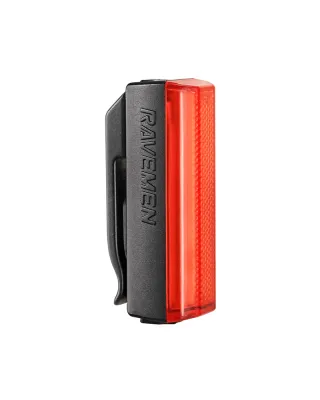
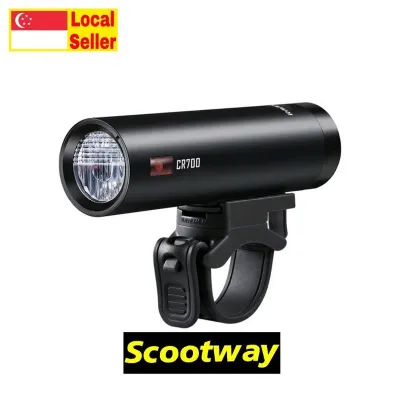
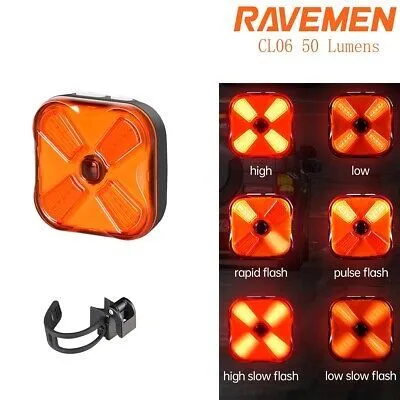
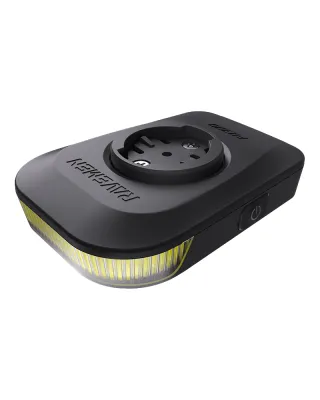
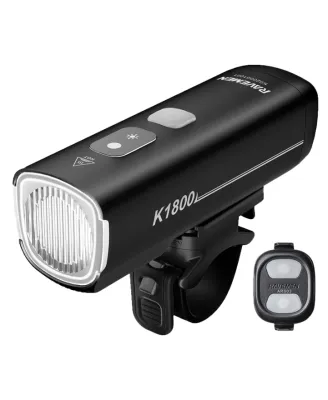
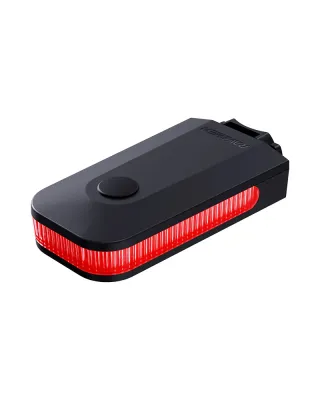
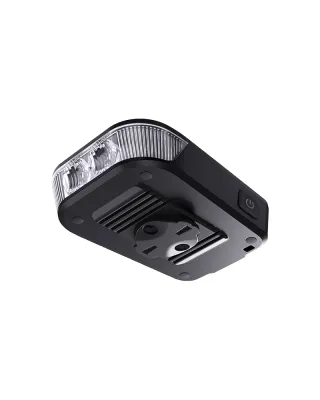
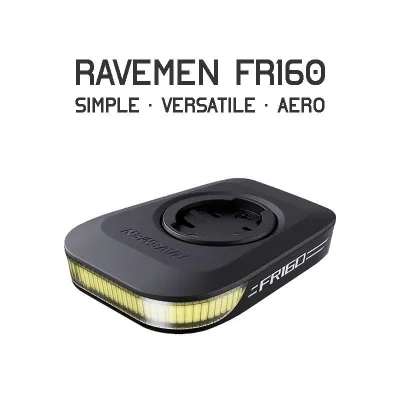
Prices are valid at publication and may change. Please refer to the product page for the latest price.
- PR Series (Performance/Trail): These are high-output front lights designed for trail riding, gravel paths, and unlit rural roads. They feature dual-lens systems and high-capacity batteries, making them larger and heavier but highly capable of illuminating dark environments.
- CR Series (City/Road): Engineered for urban commuters and road cyclists, this series prioritizes a compact form factor and anti-glare optics. These lights are designed to project a clean, cut-off beam that keeps light focused on the ground rather than in the eyes of oncoming traffic.
- LR Series (Lumen/Everyday): This series offers straightforward, user-friendly designs focused on everyday utility. They typically feature a classic round beam pattern and a lightweight body, making them excellent secondary lights or primary lights for well-lit urban pathways.
- TR Series (Tail/Rear Safety): These are dedicated rear safety lights designed to maximize your visibility from behind. They utilize high-visibility LEDs, wide-angle lenses, and various flashing or pulsing modes to alert motorists and other cyclists of your presence.
In addition to standalone front and rear lights, Ravemen offers bundled combo sets. These packages typically pair a CR or LR front light with a compatible TR rear light, providing a unified lighting solution. Purchasing a combo set is often highly practical for daily commuters, as it ensures you have a matched ecosystem of lights that can be charged using similar cables and mounted easily to your bicycle.
When selecting a light, you must also consider your specific bicycle setup. Road bikes with aerodynamic handlebars, folding bikes with unique stem shapes, and mountain bikes with oversized handlebars all require different mounting solutions. Ensuring that your chosen light series is compatible with your handlebar geometry and riding style is just as critical as choosing the right light output.
Brightness, Beam Patterns, and Anti-Glare Technology
When comparing bicycle lights, many riders make the mistake of focusing solely on peak lumen ratings. While a high lumen count indicates a powerful light source, it does not guarantee that the light will be usable or safe in real-world conditions. The efficiency of a bicycle light is determined by how its optical lens shapes and distributes that light across the road or trail.

Ravemen is widely recognized for its proprietary DuaLens and HiLo beam technologies, which address the common problem of blinding oncoming traffic. The DuaLens optical design, found in the CR series and select PR models, creates a close-range floodlight with a distinct, horizontal cut-off line. This design mimics automotive low-beam headlights, directing light downward onto the pavement to illuminate obstacles directly in front of your front wheel while preventing the beam from shining into the eyes of oncoming pedestrians or drivers.
For off-road riding, the requirements change dramatically. When riding on dark trails or through forested areas, you need to see both the immediate ground terrain and potential hazards further down the path, such as low-hanging branches. To solve this, Ravemen’s PR series utilizes a HiLo beam system. This configuration combines a low-beam DuaLens with a high-beam spot lens. When both are activated, the light provides a wide, short-range flood combined with a far-reaching spotlight, giving you a comprehensive field of view at high speeds.
For well-lit urban environments, a highly focused, lower-lumen beam is generally sufficient. In these scenarios, the primary goal of your front light is to make you visible to others rather than to illuminate a pitch-black path. Using a massive, wide-angle trail light at full power in a busy city center is not only unnecessary but can also create dangerous glare for other road users. Always check the official optical specifications and beam distance ratings of a model to ensure its light distribution matches your typical route.
Battery Life, Runtime, and Power Management
Battery performance is a critical factor for any cyclist planning long evening rides or multi-day tours. A light is only useful if it can sustain its output for the entire duration of your journey. Understanding how Ravemen manages power across its different models will help you avoid getting caught in the dark.
There is a direct, inverse relationship between a light’s brightness setting and its actual runtime. Operating a light at its maximum lumen output generates significant heat and drains the battery rapidly, often limiting runtime to one or two hours. To extend battery life, most Ravemen lights feature multiple brightness levels and flashing modes. For instance, switching from a high steady mode to a medium or eco mode can easily double or triple your runtime, which is highly practical when transitioning from unlit paths to well-lit city streets.
- Compact City Lights: Typically house internal lithium-ion batteries with capacities ranging from 800 mAh to 1600 mAh. These are lightweight and highly portable, but they are best suited for shorter commutes where they can be recharged daily.
- High-Capacity Trail Lights: Feature larger, built-in battery packs, often exceeding 5000 mAh. While these units add noticeable weight to your handlebars, they provide the necessary capacity to run high-output beams for several hours continuously.
Modern Ravemen models utilize USB-C charging ports, which offer faster charging times and greater compatibility with standard phone chargers. This is particularly convenient for daily commuters who can easily top up their lights at an office desk or home charging station.
Select high-capacity models in the PR series also feature a reverse-charging function, allowing the light to act as a temporary power bank. In an emergency, you can use the light’s battery to charge your smartphone or GPS bike computer via a USB cable. If you plan to use this feature while riding, you must ensure that the charging cable is routed securely along your frame or handlebars, preventing it from snagging on moving parts or compromising the light’s water resistance in wet weather.
Mounting Systems, Durability, and Smart Features
How a light attaches to your bicycle and how well it withstands physical abuse are key factors in its long-term reliability. A light with excellent optics is of little use if its mount slips on rough terrain or if it fails during a sudden downpour.
Ravemen utilizes several mounting designs across its product lines. Many commuter models feature a flexible silicone strap mount, which allows for quick, tool-free installation and removal across various handlebar diameters. For heavier, high-output models, the brand provides a rigid, glass-fiber reinforced nylon bracket that clamps securely to the handlebar. These brackets often feature a quick-release tab, allowing you to slide the light body out easily when parking your bike. Additionally, many models are compatible with GoPro-style adapters, enabling you to mount the light cleanly underneath an out-front GPS computer mount for a streamlined cockpit setup.
Durability is another area where Ravemen lights are engineered to perform. High-lumen LEDs generate substantial heat during operation. To prevent damage to internal components, Ravemen constructs its high-performance light bodies from anodized aluminum. This material acts as an efficient heat sink, dissipating thermal energy away from the LEDs. For safety, these lights also feature built-in thermal protection circuits that automatically reduce brightness if the internal temperature exceeds safe operating limits.
Weather resistance is an absolute necessity, especially in climates prone to sudden, heavy tropical rain like Singapore. When evaluating Ravemen lights, pay close attention to their IPX water-resistance ratings:
- IPX4: Protects against splashing water from any direction. Suitable for light drizzle, but may struggle during prolonged, heavy downpours.
- IPX6: Protects against high-pressure water streams. This rating is highly recommended for commuters who ride year-round and need a light that can survive intense tropical storms.
- IPX8: Designed for continuous immersion in water, offering the highest level of protection for extreme weather conditions.
Some premium Ravemen models also incorporate smart features to enhance convenience and safety. These include ambient light sensors that automatically adjust the light’s brightness based on surrounding conditions, saving battery power when entering well-lit areas. Wired or wireless remote switches are also available for select models, allowing you to change brightness levels or toggle the high beam safely without removing your hands from the handlebar grips.
Decision Framework: Choosing the Right Model for Your Needs
To select the perfect Ravemen light for your riding style, you must systematically evaluate your typical routes, your bicycle setup, and your budget. Because there is no single model that excels in every possible scenario, using a structured decision framework will help you identify the best compromise for your specific needs.
First, assess your primary riding environment. If your rides consist mostly of unlit park connectors, gravel paths, or off-road trails after dark, prioritize raw power and wide light distribution. Look for high-output models in the PR series that offer dual-beam optics and large battery capacities. These models ensure you can spot terrain changes and hazards early, even when traveling at high speeds.
Second, if you are primarily an urban commuter or road cyclist navigating well-lit city streets, prioritize compact design and anti-glare technology. A model from the CR or LR series with a DuaLens cut-off beam will provide excellent visibility of the road ahead without blinding oncoming traffic. These lights are also lighter, easier to mount on sleek road handlebars, and generally more budget-friendly, typically falling within a broad price band of S$40 to S$120.
Third, consider your visibility from behind. If you frequently ride on public roads alongside motor vehicles, a rear safety light is essential. In this case, choosing a pre-packaged front and rear combo set is highly practical. It ensures you have a balanced, easily rechargeable system that covers both active illumination in the front and passive safety in the rear.
Before making your final purchase, always verify that the included mounting bracket is compatible with your handlebar’s diameter (standard sizes are typically 31.8mm or 35mm). If you use aerodynamic or integrated carbon handlebars, you may need to purchase a specialized out-front mount or a GoPro adapter separately. Finally, always ensure your lighting setup complies with local road safety regulations regarding mounting height and visibility distances.
Frequently Asked Questions (FAQ)
Are Ravemen lights legal for use on public roads in Singapore?
Yes, Ravemen lights are legal for use on public roads in Singapore, provided they are used in compliance with local regulations. The Land Transport Authority (LTA) requires all bicycles ridden on public roads during hours of darkness to be equipped with a functioning front white light and a rear red light. Additionally, these lights must be visible from a reasonable distance to ensure safety.
When riding on shared paths or public roads, you should ensure your front light is mounted correctly and angled downward. Using a Ravemen model with DuaLens anti-glare technology helps you comply with general safety principles by preventing your beam from blinding oncoming cyclists, pedestrians, or motorists, thereby reducing the risk of accidents.
Can I use a Ravemen front light as a power bank for my phone?
Select high-capacity models, particularly within the Ravemen PR series, support reverse charging via a USB output port, allowing them to function as a temporary power bank. This feature is highly useful for emergency situations when your smartphone, GPS bike computer, or electronic shifting battery runs out of power during a long ride.
However, using this feature will significantly reduce the remaining runtime of your headlight. If you plan to charge an external device while riding, you must route the charging cable securely along your bicycle frame using zip ties or straps to prevent it from snagging on moving parts. Additionally, opening the rubber port cover to plug in a charging cable compromises the light’s weather sealing, so you should avoid using this feature during rainy weather to prevent water damage.
Community discussion
Share your experience or ask a question. Comments are reviewed before publication.