
Quick Answer: Which Cargo Strap is Best for Your Roof Rack?
Choosing between ratchet straps and cam buckle straps is not a matter of finding a single superior tool, but rather matching the tool to the specific cargo and roof rack system. Neither strap type is universally better than the other; the correct choice depends entirely on the weight, rigidity, and fragility of the load you are transporting.
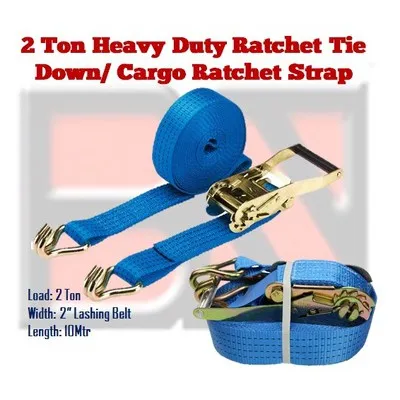
Ratchet straps are the superior choice for securing heavy, solid, and dense loads that require high downward force to prevent shifting at highway speeds. Their mechanical leverage allows you to apply massive tension, making them indispensable for hauling items like construction timber, heavy storage cases, or rigid kayaks on long journeys.
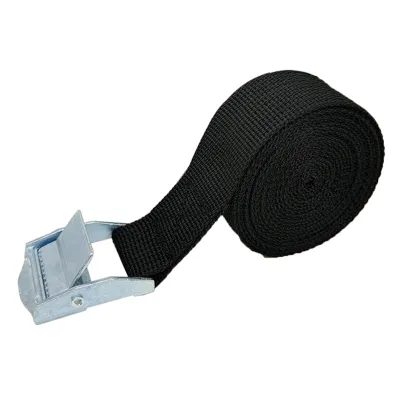
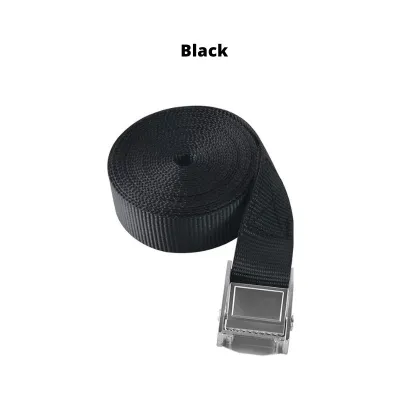
Conversely, cam buckle straps are the better option for lighter, fragile, or irregular loads where over-tightening could easily crush your gear or damage your roof rack crossbars. Because they rely solely on manual pull-strength to set the tension, they offer a gentler, more controlled hold that is perfect for surfboards, soft duffel bags, or lightweight camping gear.
Products mentioned in this guide
![[SG STOCK] RATCHET TIE DOWN Orange Cargo Strap Luggage Lashing Strong Strap Belt With Metal Buckle Tow Rope](https://img.lazcdn.com/g/p/2166f37f1ddd3049bcd2bcfca4f04daf.png_400x400q80.png_.webp)
![[SG 🚚] 1M Lashing Strap W/ Buckle Nylon Quick Release fr Cargo Tie Down Luggage Bag](https://img.lazcdn.com/g/p/ce8e306f523e8daf0180e5a61e0003a6.jpg_400x400q80.jpg_.webp)
Prices are valid at publication and may change. Please refer to the product page for the latest price.
Ratchet Straps: Maximum Tension for Heavy, Rigid Loads
Ratchet straps are heavy-duty fastening systems designed to deliver exceptional holding power through mechanical advantage. The core of a ratchet strap is its steel ratcheting mechanism, which features a rotating spool, a gear-and-pawl system, and a manual lever. As you crank the lever back and forth, the spool winds the polyester webbing, locking it in place with each click of the pawl. This mechanism allows an average user to generate hundreds of kilograms of tension with relatively little physical effort.

This high-tension capability makes ratchet straps ideal for securing heavy, solid, and rigid cargo to your vehicle’s roof rack. When you are transporting dense items like timber from a local hardware store, heavy coolers, or large, rigid plastic storage trunks, you need a tie-down that can withstand the intense aerodynamic forces experienced at highway speeds. The mechanical leverage of a ratchet strap ensures that these heavy items remain firmly anchored to your crossbars, preventing any lateral or longitudinal shifting during sudden braking or sharp turns.
However, this incredible mechanical advantage is also a primary source of risk. It is remarkably easy to over-tighten a ratchet strap without realizing how much force you are applying. If you are not careful, the immense downward pressure can easily crush fragile cargo, such as fiberglass kayak hulls, thin-walled plastic containers, or sporting equipment. Furthermore, excessive tension can actually bend or warp your roof rack crossbars, damage the rack’s mounting towers, or even dent the roof of your vehicle.
Before using any ratchet strap, you must consult the manufacturer’s documentation for both your vehicle and your roof rack to verify their dynamic weight capacities. Never assume a strap is safe to use simply because the webbing looks thick and durable. Always check the Working Load Limit (WLL) printed clearly on the manufacturer’s sewn-in tag. The WLL is the maximum weight the strap is rated to secure safely under normal conditions, and it is typically rated at one-third of the strap’s break strength. If the tag is missing, frayed, or illegible, the strap should be retired immediately.
Cam Buckle Straps: Controlled Tension for Fragile or Light Gear
Cam buckle straps offer a simpler, more intuitive design that prioritizes speed, ease of use, and gentle tension control. The mechanism consists of a one-piece cast metal buckle containing a spring-loaded, textured “cam” or thumb lever. To secure a load, you simply depress the lever, feed the loose end of the polyester webbing through the bottom of the buckle, pull the strap tight by hand, and release the lever. The spring-loaded teeth of the cam bite into the webbing, preventing it from slipping backward.
Because cam buckle straps rely entirely on your physical pull-strength to set the tension, they possess an inherent safety margin against over-tightening. It is virtually impossible for an average person to generate enough manual force to crush a surfboard, warp a stand-up paddleboard, or crack a lightweight plastic storage bin. This makes cam buckles the absolute best choice for securing soft, hollow, or highly fragile gear on your roof rack, such as sleeping pads, soft-sided duffel bags, or composite watercraft.
Another major benefit of cam buckle straps is the speed and simplicity of their deployment and release. They can be threaded and tightened in seconds, and releasing the tension requires nothing more than pressing the thumb lever. This efficiency makes them incredibly practical for road trips that involve frequent stops, where you may need to repeatedly access, adjust, or rearrange the gear on your roof rack.
Despite their convenience, cam buckle straps have distinct limitations. Because they lack mechanical leverage, they cannot generate the massive downward force required to secure very heavy, dense, or aerodynamically unstable loads. If you attempt to secure a heavy stack of plywood or a massive storage trunk using only cam buckles, the wind lift generated at expressway speeds can cause the cargo to shift, potentially slipping through the buckle’s grip. For high-speed travel with bulky or heavy items, the manual tension of a cam buckle is simply insufficient to guarantee absolute safety.
Head-to-Head Comparison: Security, Usability, and Roof Rack Safety
When evaluating these two cargo strap types side-by-side, it becomes clear that each serves a distinct role in vehicle cargo management. Understanding how they compare across key performance dimensions will help you make a safe, informed decision for your next trip.
Tension and Security
Ratchet straps provide unmatched mechanical leverage, allowing you to lock down heavy loads with immense force. This mechanical locking system is highly secure and resistant to loosening under vibration. Cam buckle straps, while secure for lighter loads, rely on manual tension and the friction of spring-loaded teeth. While highly reliable for their intended use cases, they cannot match the absolute, unyielding grip of a fully tensioned ratchet mechanism.
Ease of Use and Speed
Cam buckle straps are the clear winners when it comes to simplicity and speed. The feed-and-pull process is straightforward, making them highly accessible for beginners. Ratchet straps require a bit more practice; you must thread the webbing correctly through the central spool, crank the handle to tension it, and ensure the excess webbing is neatly managed. Releasing a highly tensioned ratchet strap can also be stiff and require some physical effort, whereas a cam buckle releases instantly with a simple press of a button.
Risk of Damage
The risk of damaging your cargo or your vehicle is significantly higher with ratchet straps. Because the mechanical advantage hides the actual force being applied, users frequently over-tighten them, leading to cracked gear or bent roof rack components. Cam buckle straps present a very low risk of damage, as your physical pulling limit naturally prevents you from applying destructive levels of tension.
Weather and Maintenance
Both strap types typically utilize high-tenacity polyester webbing, which is highly resistant to water absorption, stretching, and UV damage. However, their metal components require different levels of care. Ratchet mechanisms feature multiple moving parts, including springs, pawls, and gears, which can easily jam or rust if exposed to heavy rain, road grime, or coastal salt air. Cam buckles feature a much simpler mechanism with only one moving part and a single spring, making them far more resilient to harsh outdoor environments and much easier to clean.
| Feature | Ratchet Straps | Cam Buckle Straps |
|---|---|---|
| Mechanism Type | Mechanical Ratchet & Pawl | Spring-Loaded Cam Buckle |
| Best Cargo Type | Heavy, rigid, solid loads | Light, fragile, soft, or hollow loads |
| Tension Level | High (Mechanical Leverage) | Moderate (Manual Pull-Strength) |
| Over-tightening Risk | High (Can damage cargo/rack) | Low (Limited by human physical pull) |
| Setup Speed | Slower (Requires threading/cranking) | Fast (Simple pull-through design) |
| Maintenance Needs | Moderate (Requires lubrication/cleaning) | Low (Simple mechanism) |
| Best Environment | Heavy hauling, long-distance highway trips | Daily recreation, beach trips, multi-stop tours |
How to Choose the Right Cargo Strap for Your Specific Load
To select the correct strap for your roof rack, you must evaluate the specific characteristics of your cargo, your driving conditions, and your vehicle’s hardware configuration.
Choose Ratchet Straps if:
- You are hauling heavy, rigid, or dense items such as construction materials, ladders, heavy coolers, or large, solid storage trunks.
- You will be driving at high speeds on expressways, where wind resistance and aerodynamic lift create significant upward force on your cargo.
- Your cargo is solid enough to withstand high compressive forces without warping, cracking, or breaking.
- You need maximum downward pressure to prevent heavy items from sliding forward under sudden, emergency braking.
Choose Cam Buckle Straps if:
- You are securing fragile, hollow, or soft items such as surfboards, paddleboards, kayaks, sleeping bags, or soft-sided luggage.
- You are making a short trip with frequent stops, requiring you to quickly load and unload your gear.
- You want to eliminate the risk of accidentally bending your roof rack crossbars or crushing your expensive outdoor equipment.
- You are traveling at moderate speeds and carrying lightweight items that do not generate massive aerodynamic lift.
Verify first if: Before purchasing or using either strap type, you must verify that your roof rack’s dynamic weight limit and crossbar profile are fully compatible with the strap’s hardware. Many modern aerodynamic crossbars have thick, wide profiles that may not safely accommodate standard S-hooks or wire hooks. If a hook cannot wrap completely and securely around the crossbar or hook into a designated tie-down point, it can easily slip off when the vehicle encounters a bump or wind shear. In these cases, look for “endless” loop straps or straps designed to wrap directly around the crossbars without relying on metal hooks.
Essential Tie-Down Safety and Maintenance for Roof Racks
Regardless of whether you choose ratchet straps or cam buckle straps, adhering to strict safety and maintenance protocols is vital to protect your gear, your vehicle, and other road users.
- Tag Verification: Never use cargo straps that lack a legible manufacturer's tag. The Working Load Limit (WLL) printed on this tag is your only legal and reliable guide to the strap's capacity. Ensure the combined WLL of your straps exceeds the total weight of the cargo you are securing.
- Pre-Trip Inspection: Before every trip, inspect the entire length of the webbing for signs of UV degradation, cuts, fraying, or stiffness. Intense tropical sun exposure rapidly degrades synthetic fibers, making them brittle and prone to sudden snapping under tension. Inspect metal buckles and ratchets for corrosion, bent components, or weak springs.
- Tie-Down Angles: Always position your straps to create direct downward pressure on the cargo. Avoid purely horizontal wraps that merely hold items together without anchoring them to the rack; horizontal setups allow cargo to slide forward under heavy braking. Straps should pull down and slightly outward or inward to prevent lateral movement.
- Securing Loose Ends: Never leave the loose tail of a strap dangling. At high speeds, a loose strap tail will flap violently against your vehicle's paint, causing cosmetic damage, generating annoying noise, and rapidly fraying the webbing. Tie off loose ends securely using half-hitch knots, or tuck them away safely inside the vehicle's doors or cargo area.
- The 15-Minute Rule: Cargo naturally settles, compresses, and shifts once a vehicle is in motion. Always stop in a safe location after the first 10 to 15 minutes of driving to physically inspect your straps and re-tension them if necessary. For long-distance journeys, make it a habit to check the security of your load at every rest stop.
Frequently Asked Questions (FAQ)
Can I use ratchet and cam buckle straps together on the same load?
While it is physically possible to use both types of straps on a single load, doing so requires extreme caution to avoid uneven tension. You must never use a high-tension ratchet strap on one side of a load and a manual cam buckle strap on the other side of the exact same anchor point. This setup creates an unbalanced load profile, where the ratchet strap pulls with significantly more force, potentially warping the cargo, pulling it off-center, or causing the cam buckle side to fail. For symmetrical tie-downs, always use identical straps on both sides to maintain balanced tension.
Do I need edge protectors when using cargo straps on a roof rack?
Using edge protectors is highly recommended whenever you are securing cargo with sharp, rigid, or abrasive edges. Under tension, sharp corners can easily cut through polyester webbing, leading to catastrophic strap failure during transit. Edge protectors distribute the strap’s downward force over a wider surface area, protecting both the webbing from cuts and your cargo from localized crushing damage. For the roof rack itself, ensure that strap hooks only attach to designated tie-down loops or wrap smoothly around the crossbars, avoiding contact with plastic end caps, rubber wind strips, or vehicle paintwork.
Community discussion
Share your experience or ask a question. Comments are reviewed before publication.