
Choosing the right paint care method for your vehicle in Singapore depends on your paint’s current condition, your budget, and how much time you want to spend on maintenance. If your car’s paint has visible scratches, swirl marks, or oxidation, you should choose a polish to correct the surface before applying any protective layer. For car owners who prefer a low-cost, highly accessible DIY routine that delivers a warm, deep gloss, traditional wax products like Purewax are an excellent choice, provided you do not mind reapplying them every few weeks. If you prioritize long-term durability, strong hydrophobic properties, and resistance to Singapore’s harsh tropical weather, a ceramic coating is the most suitable option, though it requires a larger upfront financial investment or professional installation.
Understanding the Difference: Paint Correction vs Protection
To keep your car looking its best, you must first understand that polishing and protecting are two entirely different steps in the detailing process. Mixing up these terms often leads to improper application, wasted money, and potential damage to your vehicle’s clear coat.
What is Polish? A polish is an abrasive compound designed for paint correction, not protection. It contains microscopic abrasives that gently level the outermost layer of your car’s clear coat when worked into the surface. This mechanical action removes physical defects such as fine scratches, swirl marks, water spots, and oxidation. Because polish removes a tiny fraction of the clear coat to reveal a smooth, flat surface, it leaves the paint completely bare and vulnerable to environmental damage if not followed by a protective sealant.
Products mentioned in this guide
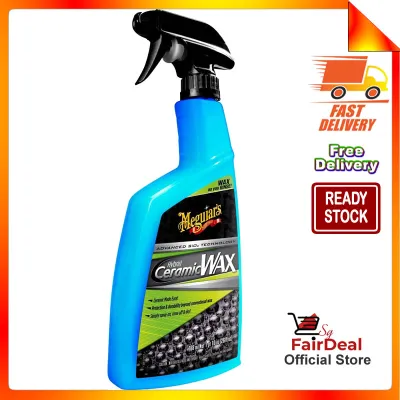
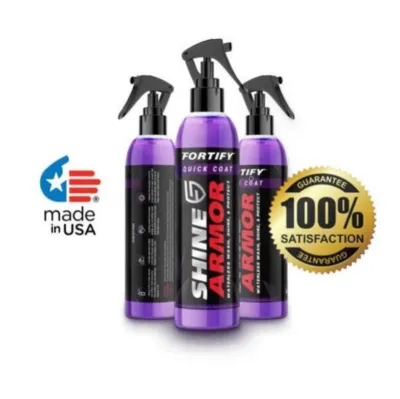
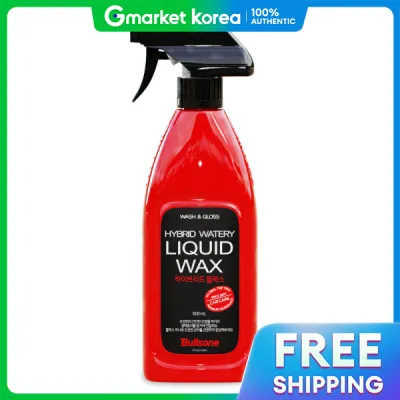
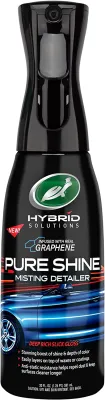
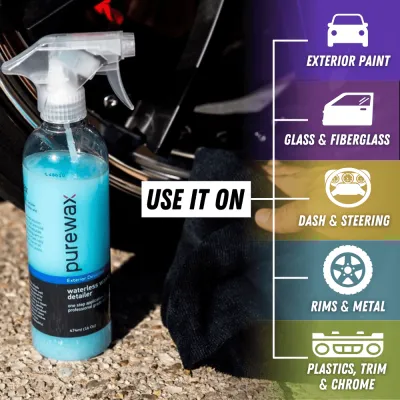
Prices are valid at publication and may change. Please refer to the product page for the latest price.
What is Wax? A traditional wax, such as Purewax, acts as a sacrificial barrier on top of your clear coat. Waxes are typically formulated with natural carnauba or synthetic polymers that fill in microscopic imperfections on the paint surface. This creates a temporary shield that enhances gloss and provides short-term hydrophobic protection, causing rainwater to bead up and roll off. Wax does not bond permanently to the paint and will gradually wear away from washing, heat, and weather exposure.
What is Ceramic Coating? A ceramic coating is a liquid polymer that chemically bonds with your vehicle’s factory paint, creating a semi-permanent, hard protective layer. Typically utilizing silicon dioxide (SiO2) or titanium dioxide, these coatings cure to form a glass-like shield that is significantly harder than traditional wax. This layer provides robust protection against environmental contaminants, bird droppings, acid rain, and UV rays, while lasting much longer than any wax product.
The Ideal Detailing Workflow For the best results, always follow a logical sequence:
- Step 1: Decontamination: Wash and clay the vehicle to remove embedded dirt.
- Step 2: Correction: Use a polish to remove scratches and level the clear coat.
- Step 3: Protection: Apply either a traditional wax or a ceramic coating to seal and protect the newly corrected surface.
Comparing Durability, Cost, and Maintenance Effort
Each paint care method presents distinct trade-offs in terms of longevity, financial investment, and the effort required to keep your car clean.

Durability and Lifespan Traditional waxes offer the shortest lifespan of the three options. In Singapore’s hot and humid climate, a standard wax layer may only last between a few weeks to a couple of months before it breaks down under intense UV exposure and frequent rain. Ceramic coatings, by contrast, are designed for long-term durability. Depending on the product quality and how well it is maintained, a professionally applied ceramic coating can protect your vehicle for several years. Polishing, being a corrective process rather than a protective one, has no protective lifespan of its own; its visual benefits will quickly fade if the bare paint is not immediately sealed with wax or a coating.
Cost and Investment The financial commitment varies widely between these methods. Traditional wax products like Purewax are highly cost-effective and accessible. A single bottle or tin can cost under S$50 and provide dozens of applications, making it a very budget-friendly choice for DIY enthusiasts. Ceramic coatings require a much higher upfront investment. While DIY ceramic kits are available, professional application services in Singapore can range from several hundred to over a thousand dollars, reflecting the intensive labor, paint correction, and controlled environment required for proper curing. Polishing costs depend on whether you purchase a dual-action polisher and compounds for DIY use or pay a professional detailer to perform multi-stage paint correction.
Maintenance and Washing Maintaining a ceramic-coated vehicle is significantly easier than maintaining a waxed one. The extreme hydrophobic properties of ceramic coatings prevent dirt, road grime, and brake dust from bonding tightly to the surface. This means routine washes require less physical scrubbing and can often be completed with a simple rinse and a neutral pH car shampoo. Waxed cars require more delicate care, as aggressive washing or harsh detergents will quickly strip the wax layer, forcing you to reapply the product frequently to maintain protection.
Visual Finish The aesthetic outcome of these products appeals to different personal preferences. Carnauba-based waxes are famous for producing a deep, warm, and wet-looking gloss that enhances the natural color of the paint, which is highly favored for classic cars or show vehicles. Ceramic coatings produce a different kind of shine: a highly reflective, hard, glass-like gloss that makes the vehicle look as though it has been wrapped in a liquid shell. Polishing is what actually creates the underlying clarity and depth for both finishes by removing the micro-scratches that scatter light and dull the paint.
How to Choose the Best Method for Your Vehicle
Selecting the right approach requires evaluating your car’s current condition, your lifestyle, and where you park your vehicle.
Assessing Paint Condition Before buying any protective product, inspect your paint under direct sunlight or a strong LED light. If you see a web of fine scratches, dullness, or water spots, applying wax or ceramic coating directly over them will only lock those defects in, making them more visible. In this scenario, you must start with a polish to correct the surface. If your paint is already smooth, glossy, and free of defects, you can skip the polishing step and go straight to applying a protective layer of wax or ceramic coating.
Evaluating Budget and Time Be realistic about how much time you want to spend caring for your car. If you enjoy spending your weekends detailing your car in a shaded multi-storey car park, a DIY wax routine using products like Purewax is highly rewarding and keeps costs low. However, if you prefer a “set-and-forget” solution and want to minimize the time spent washing and detailing your car over the next few years, investing in a professional ceramic coating is highly practical.
Considering Vehicle Usage and Parking Singapore’s tropical environment poses unique challenges for car paint. If your car is a daily driver parked in open-air lots, exposed to intense daily UV rays, tree sap, bird droppings, and sudden heavy downpours, a ceramic coating offers the robust defense needed to prevent permanent etching. For garage-kept vehicles or cars parked primarily in sheltered HDB multi-storey car parks, a traditional wax can provide sufficient protection while keeping your maintenance costs minimal.
Verify First Before applying any new chemical product, always verify compatibility. Check your vehicle’s manual or consult the manufacturer if your car has matte paint, a vinyl wrap, or a paint protection film (PPF), as traditional polishes and certain waxes can permanently ruin these surfaces. Additionally, check if your vehicle has an existing dealer-applied coating; applying an incompatible product or polishing the surface could void your paint warranty or strip away the existing protection.
Safe Application and When to Seek Professional Help
Achieving a flawless finish requires proper technique and an understanding of your limits to avoid costly damage to your car’s exterior.
Surface Preparation The success of any paint care application lies entirely in the preparation. You must thoroughly wash the vehicle using a dedicated car shampoo to remove loose dirt. Follow this with a chemical iron remover and a clay bar treatment to pull out embedded contaminants from the clear coat. Finally, ensure the vehicle is completely dry, paying close attention to gaps around side mirrors, door handles, and trim where trapped water can drip out and ruin your wax or coating application.
DIY Wax Application When applying traditional wax products like Purewax, always work in a cool, shaded area out of direct sunlight. Apply the product sparingly using a clean foam applicator pad, working in small, overlapping circular motions one panel at a time. Allow the wax to haze according to the manufacturer’s instructions—usually a few minutes—before buffing it off with a clean, high-quality microfiber towel. Applying wax to a hot bonnet will cause it to dry prematurely, leading to stubborn streaks that are difficult to remove.
Ceramic Coating Risks Applying a ceramic coating yourself carries significant risks. If the coating is not leveled correctly during application, it can cure unevenly, leaving behind dark, cloudy patches known as “high spots.” Once a ceramic coating fully cures, these high spots cannot be washed off; they can only be removed by physically polishing away the cured coating, which risks thinning your clear coat. Because of this, professional installation is highly recommended unless you have experience with paint correction and coating application.
Stop Conditions Knowing when to stop is crucial for preserving your car’s paint. If you are polishing your car and notice the clear coat starting to look thin, or if you see paint color transferring onto your polishing pad (indicating you have burned through the clear coat on a modern clear-coated car), stop immediately. Do not attempt to polish sharp body lines, plastic trim, or rubber seals, as the friction can quickly melt or discolor these materials. If you are unsure about the thickness of your clear coat or encounter deep scratches that catch your fingernail, abandon DIY attempts and consult a qualified professional detailer who can measure the paint thickness with a digital gauge.
Frequently Asked Questions (FAQ)
Can I apply Purewax over a ceramic coating?
Applying a traditional wax like Purewax over a ceramic coating is generally not recommended. While it might seem like adding an extra layer of protection is beneficial, the wax will actually cover the ceramic coating, masking its superior hydrophobic and self-cleaning properties. Instead of water sliding off easily, the wax layer will attract more dust and road grime. If you want to maintain or boost your ceramic coating, use a dedicated, SiO2-based ceramic detailer or topper spray designed specifically to bond with the existing coating.
How often should I polish my car's paint?
You should polish your car’s paint only when absolutely necessary, typically no more than once or twice a year for light polishing, and even less frequently for heavy paint correction. Because polishing physically removes a microscopic layer of your car’s clear coat to eliminate scratches, doing it too often will eventually wear the clear coat down to the base paint. For routine maintenance, focus on safe washing techniques to prevent scratches, and rely on regular waxing or a ceramic coating to protect the surface without thinning the clear coat.
Community discussion
Share your experience or ask a question. Comments are reviewed before publication.