
Choosing between a pure sine wave and a modified sine wave car power inverter depends entirely on the devices you plan to power and how your vehicle’s electrical system handles the load. A pure sine wave inverter replicates the smooth, continuous electrical current found in standard household wall outlets, making it safe for sensitive electronics. In contrast, a modified sine wave inverter produces a stepped, blocky electrical pattern that is cheaper to manufacture but can cause performance issues or heat buildup in complex devices.
To make the right choice, you must evaluate the internal power requirements of your electronics and verify your vehicle’s electrical limits. Using the wrong waveform can lead to permanent equipment damage or inefficient power delivery. Understanding these technical differences ensures you select a compatible unit that protects both your devices and your car’s battery.
How Pure and Modified Sine Waves Actually Differ
The primary difference between these two technologies lies in the shape of the electrical wave they produce when converting 12V direct current (DC) from your vehicle into 120V or 230V alternating current (AC). A pure sine wave inverter generates a smooth, continuous wave that oscillates evenly over time. This fluid transition matches the utility grid power your home appliances are designed to receive, ensuring stable voltage delivery.
Products mentioned in this guide
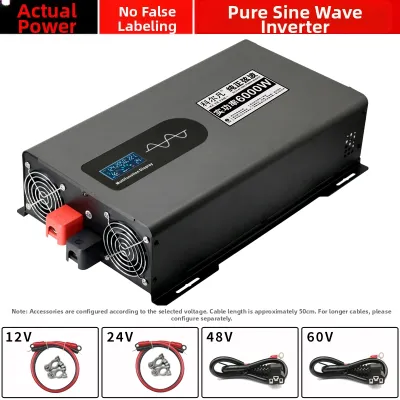
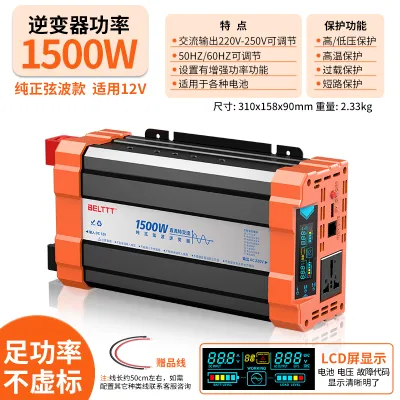
2 Lazada user ratings
I just got the inverter today. It feels really solid and well-made, and you can tell it's a high-quality product. I'm looking forward to ins…Read full reviewShow less
I just got the inverter today. It feels really solid and well-made, and you can tell it's a high-quality product. I'm looking forward to installing it and will update my review after using it.
Simple to use and well-made. Shopping experience was great! 👍🏻
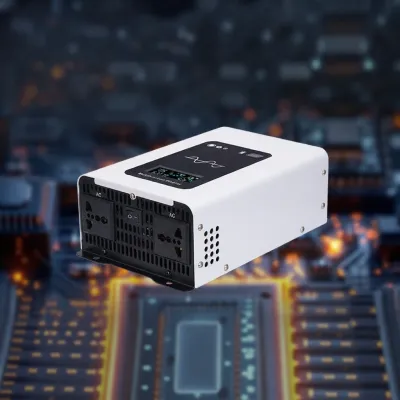
6 Lazada user ratings
This is the best quality inverter I've ever bought! The cooling fan runs on a variable speed mode, so it's pretty quiet when the output powe…Read full reviewShow less
This is the best quality inverter I've ever bought! The cooling fan runs on a variable speed mode, so it's pretty quiet when the output power is below 1000W. I've tested it with a maximum output power of 3.5KW, and the temperature rise was minimal (could be because it's winter and colder). At 3.6KW output, the low voltage current was 145A. The wires and terminals didn't heat up noticeably!
The user experience is great; I use the inverter as an outdoor power source and it also works well for charging devices.
I haven't used it yet; I'll come back to review it once it gets warmer and I can use the air conditioning.
It has a really strong starting ability; it can even run a 2200W water pump without a hitch.
Nice, it's pretty quiet and has enough power. Totally worth it!
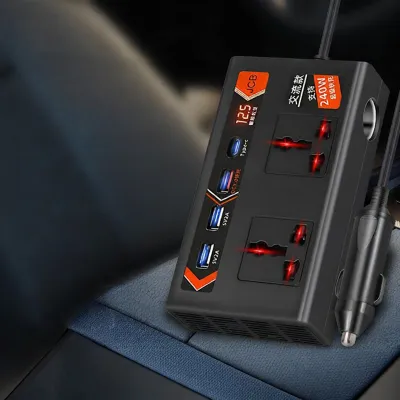
3 Lazada user ratings
👌Ease of Use:look ok, plug and works 🔌Compatibility:as per description 🔧Durability:yet to test and confirm prompt delivery and item well pac…Read full reviewShow less
👌Ease of Use:look ok, plug and works 🔌Compatibility:as per description 🔧Durability:yet to test and confirm prompt delivery and item well packed and received.
5 Lazada user ratings
【林仕豪 Is Feeling Professional With 美雲 In Singapore, Singapore】 【Sez Hoe | Professional Profile | LinkedIn】 【National Semiconductor Manufactur…Read full reviewShow less
【林仕豪 Is Feeling Professional With 美雲 In Singapore, Singapore】 【Sez Hoe | Professional Profile | LinkedIn】 【National Semiconductor Manufacturer Singapore Pte Ltd】 【limsezhoe@TikTok】 【sezhoe@TikTok】 Sez Hoe (Singapore) on LinkedIn 1. Singapore - Associate Equipment Engineer at National Semiconductor Manufacturer Singapore Pte Ltd 2. View Sez Hoe's professional profile on LinkedIn. ... Sez (仕豪) Hoe ... I still very love my present wife (美雲) and this mean no change in life. ... Project 1: From Year 1991, I was involved with the maintenance downtime to support ... such as, OS, Anti Virus, Microsoft Office & Visio, Internet Software, Intranet, DataBase, Quicken, ... 【Google - 林仕豪】
👌Ease of Use: tyet to try 🔌Compatibility: looks ok 🔧Durability: looks ok need to try yet need to try yet need to try yet need to do Thank yo…Read full reviewShow less
👌Ease of Use: tyet to try 🔌Compatibility: looks ok 🔧Durability: looks ok need to try yet need to try yet need to try yet need to do Thank you seller I just came back home and just opened all the Lazada packages that I purchased So many packages Thank you delivery man Thank you Lazada
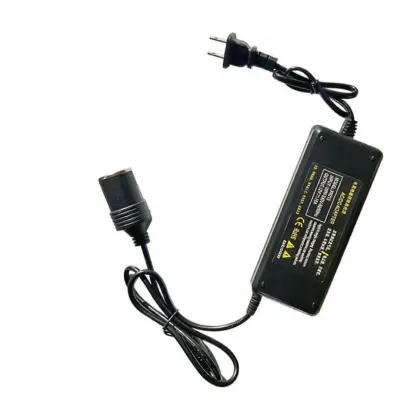
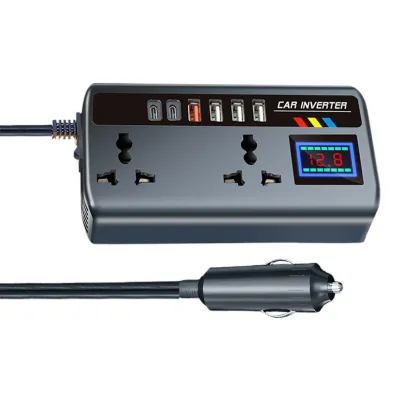
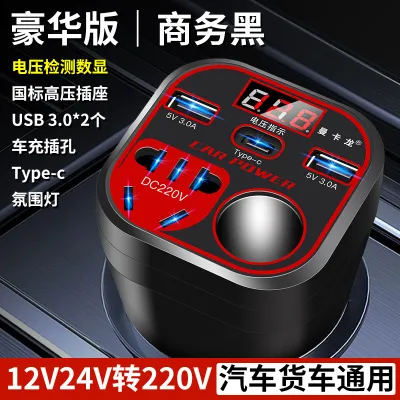
👌Ease of Use: just plug and use, very very useful with the 3-pin slots and fast charging slots… now wont have to buy car chargers anymore… 👍👍👍

Prices are valid at publication and may change. Please refer to the product page for the latest price.
A modified sine wave inverter does not produce a true wave at all. Instead, it creates a stepped, blocky pattern that abruptly switches polarity from positive to negative. This rough approximation of a sine wave results in high total harmonic distortion (THD). While simple electrical components can tolerate these rapid, jagged voltage steps, more sophisticated circuits struggle to process the uneven power flow.
This difference in waveform shape directly impacts how the internal power supplies of your connected electronics operate. Devices with switching power supplies or sensitive microprocessors rely on clean zero-crossing points—the exact moment the wave passes from positive to negative. The blocky pauses in a modified sine wave disrupt these timing mechanisms, forcing internal components to work harder, run hotter, and consume more energy than they would under a smooth wave.
Matching Your Devices to the Right Waveform
Sensitive electronics require the clean delivery of a pure sine wave inverter to operate safely and efficiently. Laptops, medical equipment like CPAP machines, high-end audio systems, and smart battery chargers contain delicate microprocessors and control boards that are highly sensitive to electrical noise. Running these devices on a modified sine wave can cause screen flickering, audible buzzing in audio outputs, or complete system failure.

Conversely, simple resistive loads and basic electrical motors can run safely on a modified sine wave inverter. Devices such as basic incandescent lights, simple heating elements, and older, non-digital fans do not rely on precise timing circuits. They simply convert the incoming electrical energy directly into heat or basic rotational motion, making them highly tolerant of the stepped waveform.
When using an incompatible inverter, your devices will often display clear warning signs before failing. Watch for unexpected heat buildup in power bricks, persistent static or humming in audio equipment, or unusual error codes on digital displays. If you notice any of these symptoms, disconnect the device immediately to prevent permanent thermal damage to its internal circuitry.
Checking Wattage and Your Vehicle's Electrical Limits
Before purchasing any car power inverter, you must distinguish between continuous wattage and peak or surge wattage. Continuous wattage is the amount of power the inverter can deliver consistently during normal operation. Peak wattage is the temporary burst of power required to start devices with electric motors, which can sometimes require up to three times their running wattage. Always check the labels on your devices to ensure the inverter can handle both requirements.
You must also understand the physical limits of your vehicle’s electrical connection points. A standard 12V cigarette lighter socket is typically fused at 10 to 15 amps, which limits your safe power draw to approximately 120 to 150 watts. Attempting to draw more power through this socket will blow the vehicle’s fuse. For any power demands exceeding this threshold, you must connect the inverter directly to the vehicle’s battery terminals using heavy-duty cables.
Before installing a high-draw inverter, consult your vehicle’s owner’s manual to verify the alternator capacity and existing fuse ratings. Drawing more current than your alternator can supply will drain your battery even while the engine is running and can overheat your vehicle’s charging system. For complex electrical installations or high-wattage setups, consult a qualified automotive technician to ensure your vehicle’s wiring can safely handle the load.
Deciding Which Inverter Fits Your Needs
Investing in a pure sine wave inverter is the most reliable choice if you use your vehicle as a mobile office, go on frequent road trips, or need to charge sensitive gadgets daily. While these units generally carry a higher price point, they offer universal compatibility and protect expensive laptops, tablets, and camera gear from premature wear. They provide peace of mind by ensuring your essential work and communication tools operate exactly as they would at home.
A modified sine wave inverter serves as a cost-effective alternative if your needs are limited to basic utility or emergency backup. If you only need to power simple tools, basic camp lights, or simple heating elements during occasional outdoor activities, a modified sine wave unit delivers sufficient performance without the extra expense. It is a practical budget option for non-sensitive, rugged equipment.
When comparing models on an online marketplace, always perform key label checks to verify the unit’s safety features. Look for clear specifications detailing built-in protections against over-voltage, under-voltage, short-circuits, and thermal overload. Additionally, ensure the unit features active cooling mechanisms, such as temperature-controlled fans, to dissipate heat safely during extended operation.
Frequently Asked Questions (FAQ)
Can a modified sine wave inverter damage my laptop charger?
Yes, a modified sine wave inverter can damage a laptop charger over time. The blocky, stepped waveform forces the switching power supply inside the charger to work harder to smooth out the incoming current. This inefficiency leads to significant heat buildup within the power brick, which can degrade the internal capacitors, shorten the charger’s lifespan, or cause it to fail entirely. Always check your charger’s label or use a pure sine wave inverter to protect expensive laptop hardware.
Will a car power inverter drain my vehicle's battery?
Yes, an inverter will drain your vehicle’s battery, especially when the engine is turned off. When the engine is running, the alternator constantly recharges the battery to offset the inverter’s power draw. However, when the engine is off, the inverter draws power directly from the battery’s static reserve. To avoid being stranded with a dead battery, limit your inverter usage to short intervals when the engine is off, or keep the engine running during high-wattage operations.
Community discussion
Share your experience or ask a question. Comments are reviewed before publication.