
Finding the correct car cover for a Proton Matrix requires looking beyond generic vehicle categories. Because of its distinct tall-roof design and compact footprint, a standard sedan cover will either fail to reach the bumpers or leave the lower body panels completely exposed. The most reliable method is to measure your vehicle’s exact length, width, and height, then compare these figures against the manufacturer’s specific dimension limits rather than relying solely on generic size labels.
In tropical climates characterized by intense sun, sudden heavy downpours, and high humidity, choosing the right cover is crucial. A poorly fitting cover can trap moisture against the paintwork or flap violently in the wind, causing more harm than good. By understanding how to categorize this unique body style and taking precise physical measurements, you can select a cover that provides robust protection against the elements while maintaining a secure, paint-safe fit.
Identifying the Right Size Category for Your Proton Matrix
The Proton Matrix features a unique tall-boy design, blending elements of a hatchback, a small estate, and a compact multi-purpose vehicle (MPV). This high-roofline architecture means it occupies a different physical volume than a typical three-box sedan or a low-slung hatchback. Consequently, standard sizing charts that categorize covers simply by vehicle length often lead buyers astray.
Products mentioned in this guide
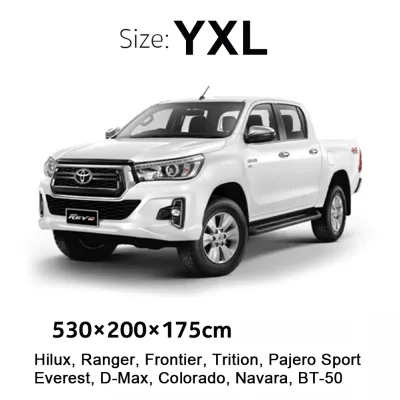
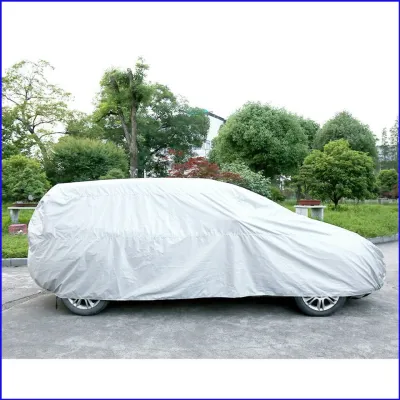
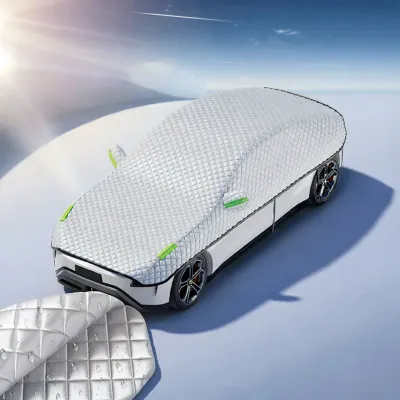
Prices are valid at publication and may change. Please refer to the product page for the latest price.
Sedan covers are tailored for vehicles with long, low boots and sloping bonnets. If you drape a sedan cover over a Proton Matrix, the high roof will pull the fabric upward, causing the sides to ride up. This leaves the lower doors, wheels, and bumpers completely unprotected from UV rays, rain, and road dust. It also places undue stress on the cover’s corners, increasing the risk of tears.
When browsing online marketplaces or local automotive accessory shops, look for categories labeled “Small MPV,” “Compact SUV,” “Tall Hatchback,” or “Estate.” These categories are specifically patterned to accommodate vehicles with vertical rear hatches and elevated rooflines. They provide the necessary vertical fabric drop to ensure the cover reaches all the way down to the lower sills and bumpers.
Always check the maximum length, width, and height printed on the product packaging or online listing. Do not rely on generic “Medium” or “Large” labels, as a “Medium” sedan cover is vastly different from a “Medium” SUV or MPV cover. Comparing the manufacturer’s specified dimensions against your vehicle’s actual measurements is the only way to guarantee a proper fit.
Step-by-Step Guide to Measuring Your Vehicle
To ensure an absolute fit, manual measurement is highly recommended. This is especially true if your vehicle has been fitted with aftermarket accessories or if you are buying from a brand that lists exact dimensions instead of vehicle models. Taking your own measurements eliminates the guesswork and helps you navigate varying manufacturer size charts with confidence.

Begin by measuring the overall length of the vehicle from the absolute furthest point of the front bumper to the furthest point of the rear bumper. If your Proton Matrix is equipped with a rear-mounted bumper guard, a tow bar, or a prominent license plate frame, make sure to include these in your measurement. The tape should run parallel to the ground rather than wrapping tightly over the curves of the bonnet and roof.
Next, determine the width of the vehicle. Measure across the widest part of the car, which is typically from mirror to mirror. However, some cover manufacturers specify width excluding mirrors, so check their measuring guidelines. If they exclude mirrors, measure the widest part of the metal body panels, which is usually across the front or rear wheel arches.
For the height, measure from the ground up to the highest point of the roof. For the Proton Matrix, this includes any factory-installed roof rails. Do not measure only the door height; the measurement must capture the full vertical distance from the pavement to the peak of the roofline to ensure the cover’s side panels are long enough.
Use a soft, non-marring tailor’s tape or a flexible long measuring tape to avoid scratching the paintwork during the process. It is highly beneficial to enlist a second person to hold one end of the tape to keep it taut and level. Taking measurements along a straight horizontal line, rather than wrapping the tape tightly over the curved contours of the roof, will give you the true clearance dimensions needed for a box-shaped cover.
Evaluating the Fit: Why Too Tight or Too Loose Causes Damage
A car cover is meant to protect your vehicle, but an incorrect fit can actively damage it. Understanding the physical consequences of poor sizing will help you evaluate whether a cover is safe to use on your Proton Matrix.
If the cover is extremely tight, you will struggle to pull it over the corners of the vehicle. This tension puts immense stress on the seams, leading to premature tearing, especially around the elasticized corners. More importantly, a tight cover presses hard against the paintwork. Any microscopic dust particles trapped between the fabric and the clear coat will act like sandpaper as you stretch the cover on and off, leading to swirl marks and fine scratches.
Conversely, a loose cover is equally problematic, especially in breezy outdoor parking areas or open carports. Wind will easily get underneath the loose fabric, causing it to flap violently against the bodywork. This constant movement rubs the inner lining against the paint, dulling the clear coat over time. Furthermore, loose fabric creates sagging pockets where rainwater can pool, weighing down the cover and trapping moisture against the bodywork, which can lead to paint blistering or rust.
The ideal fit should be snug around the front and rear bumpers, aided by strong elasticized hems that tuck securely under the bodywork. The fabric should drape smoothly over the sides, covering the wheels partially without dragging on the ground where it can pick up dirt, moisture, or pests. There should be enough breathing room to allow air circulation, preventing condensation from building up underneath the cover.
Adjusting for Roof Accessories and Mirror Designs
The standard dimensions of a stock Proton Matrix might not tell the whole story if you have customized your vehicle for family road trips or daily utility. You must adjust your size selection to account for any external modifications.
If you have installed a roof rack, crossbars, or a permanent roof cargo box, these additions significantly alter the vehicle’s height profile. You must measure the height from the ground to the top of these accessories. In most cases, you will need to size up to a larger MPV or compact SUV category to accommodate the extra vertical volume, ensuring the cover still reaches the bumpers and lower sills.
Consider how the cover handles side mirrors. Some premium covers feature dedicated mirror pockets. If you choose this style, ensure the pockets align with the position of your vehicle’s mirrors. If the cover does not have pockets, or if you prefer a cleaner profile, you will need to fold the side mirrors inward before fitting the cover. If you plan to keep the mirrors extended under a pocketless cover, you must add a few centimeters to your width measurements to prevent the fabric from stretching too tightly across the doors.
Check your vehicle’s antenna design. If your Proton Matrix has a rigid roof antenna, verify if it can be unscrewed or folded down. If it cannot, you may need to install an antenna patch (often included with high-quality covers) to prevent the sharp tip from puncturing the fabric. Taking these small details into account before purchasing will save you from dealing with torn fabric or bent antennas later on.
Common Sizing Mistakes to Avoid Before Checkout
One of the most common mistakes is purchasing cheap “universal fit” covers that claim to fit “all hatchbacks and SUVs.” These are often designed as simple rectangles with elastic corners and rarely accommodate the specific proportions of a tall, compact MPV. They often end up being too loose in some areas and too tight in others.
Do not assume that because a cover fits another Proton model, such as a sedan or a standard hatchback, it will fit the Matrix. The height and rear hatch profile of the Matrix require a completely different pattern. Always treat the Matrix as a small MPV or tall wagon when comparing size charts.
Additionally, avoid ignoring the material’s stretch factor. Rigid, multi-layer waterproof covers have very little stretch. If your measurements are close to the upper limit of a size bracket, always size up for a rigid cover. Conversely, soft, single-layer indoor dust covers often have a bit of natural elasticity, allowing for a slightly closer fit.
Frequently Asked Questions (FAQ)
Can I use a standard sedan car cover for my Proton Matrix?
No, a standard sedan cover is not suitable. Sedan covers are designed for vehicles with a lower roofline and a protruding boot. Using one on the tall, vertical rear profile of the Proton Matrix will cause the cover to ride up high, leaving the lower half of your vehicle, including the bumpers and doors, completely exposed to sun, rain, and dust.
Should I fold my side mirrors when putting on the car cover?
This depends on the cover’s design. If your cover features integrated mirror pockets, you should leave the mirrors extended to utilize them properly. If you are using a flat-sided cover without pockets, it is highly recommended to fold the mirrors inward. This reduces the overall width profile, prevents the mirrors from stretching the fabric, and protects the mirror housings from accidental bumps.
How do I secure the car cover on my Proton Matrix during windy days?
To prevent the cover from blowing away or flapping in strong winds, utilize the built-in securing mechanisms. Ensure the elastic hems are tucked firmly under both the front and rear bumpers. Use the under-carriage tie-down straps that run beneath the center of the vehicle, buckling them securely. For added security in open parking lots, you can thread a vinyl-coated cable lock through the reinforced grommets on either side of the cover’s lower edge.
Community discussion
Share your experience or ask a question. Comments are reviewed before publication.