
Choosing between premium and mid-range motorcycle tyres is a fundamental decision that directly impacts your safety, riding dynamics, and long-term maintenance budget. Premium tyres typically leverage advanced rubber compounds, multi-compound tread patterns, and sophisticated carcass designs to maximize grip and handling precision under demanding conditions. In contrast, mid-range tyres generally prioritize balanced performance, extended tread life, and cost-effective daily operation. Determining which tier is right for your motorcycle requires evaluating your specific riding environment, your machine’s performance capabilities, and the total cost of ownership over the tyre’s lifecycle.
Understanding the Core Differences in Tyre Construction
To make an informed comparison, you must first understand how to read the physical and structural specifications detailed on a tyre’s sidewall and technical data sheets. The carcass design serves as the foundation of the tyre, dictating its structural rigidity and how it deforms under cornering loads. When reviewing specifications, look for the ply rating and construction type, such as radial or bias-ply. Radial tyres are common on modern high-performance motorcycles due to their flexible sidewalls and cooler operating temperatures, while bias-ply tyres are frequently selected for heavier cruisers where load capacity is paramount.
The speed rating and load index are critical safety parameters molded directly into the sidewall, represented by an alphanumeric code. The load index indicates the maximum weight the tyre can safely support, while the speed rating designates the maximum speed capability under service conditions. You must always verify that these ratings meet or exceed the original equipment manufacturer (OEM) specifications detailed in your motorcycle’s owner’s manual to ensure road legality and structural safety.
Products mentioned in this guide
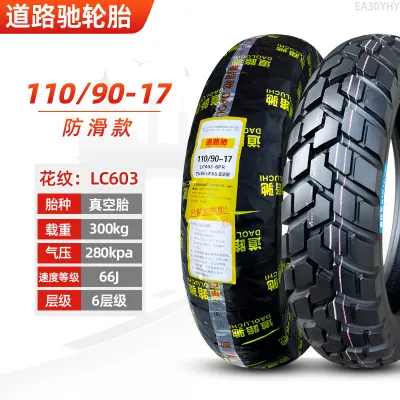
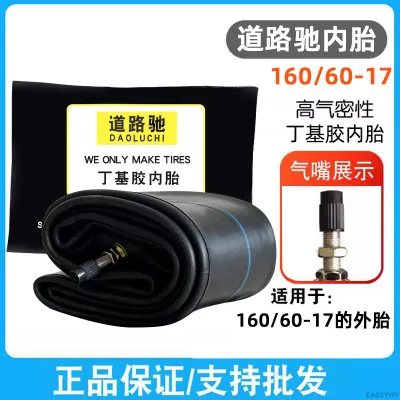
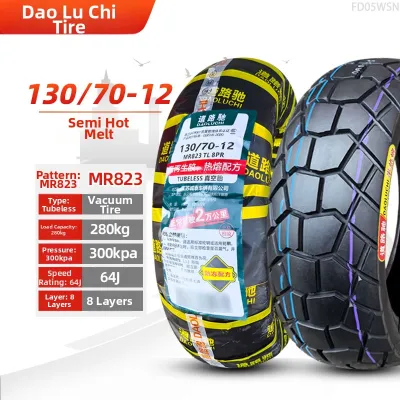
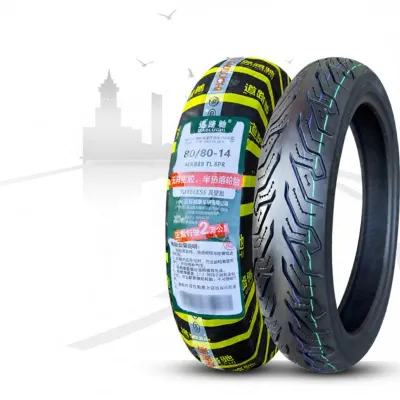
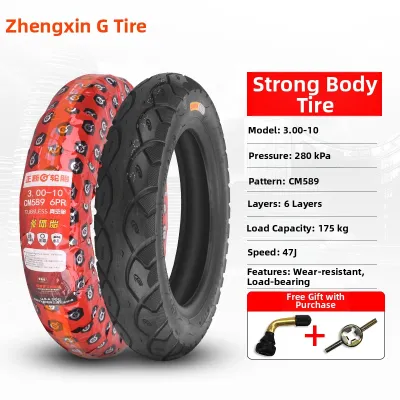
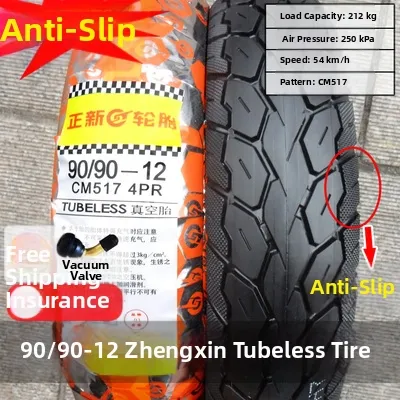
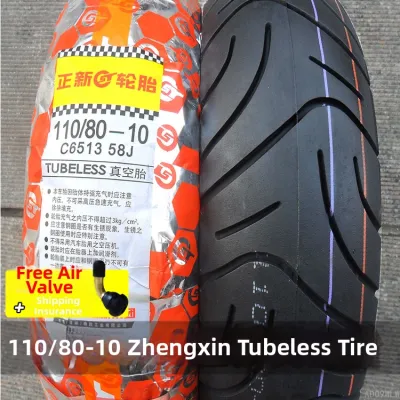
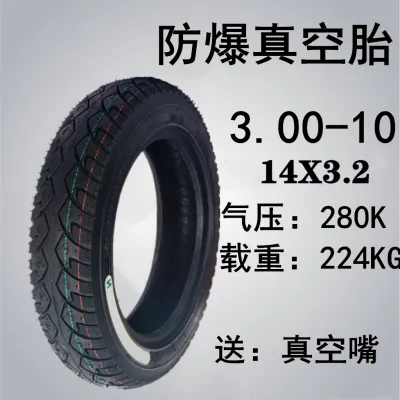
Prices are valid at publication and may change. Please refer to the product page for the latest price.
Compound technology is another major differentiator between premium and mid-range tiers. Premium options often feature multi-compound construction, utilizing a harder rubber compound along the center tread for longevity, paired with softer compounds on the shoulders to enhance cornering grip. Mid-range tyres more commonly employ a single, uniform compound across the entire tread profile. While single-compound tyres offer highly predictable wear patterns, they may not provide the specialized lateral grip of dual-compound designs.
Before comparing brands or price tiers, you must ensure you are comparing tyres within the same designated category. A premium sport tyre cannot be fairly compared to a mid-range touring tyre, as they are engineered for entirely different operational envelopes. Sport tyres prioritize dry grip and rapid steering response, touring tyres focus on wet-weather safety and high mileage, and cruiser tyres are built to handle heavy loads. Always align your search with your motorcycle’s category first before evaluating premium versus mid-range options.
Comparing Grip and Handling Characteristics
Evaluating the grip and handling potential of a motorcycle tyre requires looking beyond marketing claims and examining verifiable technical indicators. The speed rating and load index are your primary indicators of a tyre’s thermal limits and structural capabilities. High-performance tyres designed for aggressive riding carry higher speed ratings, indicating their ability to dissipate heat efficiently under stress. Operating a tyre beyond its rated speed or load capacity can lead to rapid thermal degradation, compromising grip and potentially causing structural failure.

To understand how a tyre will perform in different environments, you should consult the manufacturer’s official product literature for compound softness indicators and recommended operating temperature ranges. Softer compounds conform more readily to road surface textures, providing higher mechanical grip, but they require a specific temperature range to function optimally. If a high-performance tyre does not reach its target operating temperature—such as during short, low-speed urban commutes—it may actually provide less grip than a mid-range tyre designed to perform reliably at lower temperatures.
Wet-weather performance is a critical consideration, particularly for riders navigating tropical climates with sudden, heavy downpours. When assessing wet grip, examine the tread pattern design, specifically the density and orientation of the sipes (grooves designed to disperse water). Manufacturers often provide standardized wet-grip ratings or comparative testing data in their technical catalogs. However, real-world wet grip depends heavily on maintaining proper tyre pressure and allowing the tyre to warm up gradually. Under-inflated tyres cannot effectively disperse water, increasing the risk of aquaplaning regardless of the tyre’s price tier.
Evaluating Longevity and Treadwear Expectations
Assessing the durability and expected lifespan of a motorcycle tyre involves monitoring physical wear indicators and understanding how external factors influence rubber degradation. Every road-legal motorcycle tyre is equipped with built-in Tread Wear Indicators (TWI), which are small raised bars located within the main tread grooves. As the tread wears down, these indicators eventually become flush with the surrounding rubber surface, signaling that the tyre has reached its safe wear limit. You should regularly locate the TWI markings on the tyre sidewall to monitor your tread depth accurately.
While tyre construction plays a significant role in durability, your riding style, typical road surfaces, and maintenance habits are the primary drivers of actual tyre lifespan. Aggressive acceleration, hard braking, and high-speed cruising generate substantial heat and friction, accelerating tread wear. Similarly, rough asphalt surfaces abrade rubber much faster than smooth tarmac. Maintaining correct inflation pressure is the single most effective way to maximize tyre life; under-inflation causes excessive flexing and heat buildup, leading to rapid and uneven wear, while over-inflation concentrates wear along the center of the tread.
When researching tyres, check if the manufacturer offers mileage warranties or official lifespan estimates, though you should treat these figures as guidelines rather than guarantees. Premium touring tyres often incorporate advanced synthetic polymers and silica compounds designed to resist abrasive wear, potentially offering longer service lives under ideal conditions. However, because real-world results vary based on individual usage, cargo weight, and road conditions, a mid-range tyre maintained with meticulous pressure checks will frequently outlast a premium tyre that is neglected or operated under improper inflation.
Assessing Overall Value and Cost of Ownership
Determining the true value of a motorcycle tyre requires looking past the initial purchase price and calculating the total cost of ownership over its entire operational life. When comparing premium and mid-range options, you must factor in the auxiliary costs associated with tyre replacement. These include professional installation fees, wheel balancing, valve stem replacement, and tyre disposal fees. Because these service fees remain constant regardless of the tyre brand you choose, they represent a larger percentage of the total transaction cost when purchasing lower-priced mid-range tyres.
To establish a practical comparison framework, you can estimate the cost-per-kilometre for each option. Calculate this by adding the retail price of the tyre to the local installation and balancing fees, then dividing that total sum by the estimated mileage of the tyre. For example, if a premium tyre costs more upfront but delivers significantly higher mileage due to advanced wear-resistant compounds, its cost-per-kilometre may be comparable to or even lower than a cheaper mid-range tyre that requires more frequent replacement. Conversely, if your annual mileage is low, a mid-range tyre may be the more economical choice, as tyres degrade over time due to environmental exposure regardless of distance traveled.
Before making a final decision, verify current retail prices in S$ and check product availability at authorized local dealers or reputable online marketplaces. Purchasing through authorized local channels ensures you receive genuine products that have been stored in temperature-controlled environments, preserving the integrity of the rubber compound. Additionally, local dealers can verify that the specific tyre batch is fresh, as older tyres that have sat on shelves for several years may suffer from compound hardening, reducing overall performance and safety margins.
Decision Framework: Choosing the Right Tyre Tier for Your Ride
Selecting the appropriate tyre tier involves matching the technical capabilities of the tyre to your specific riding profile, motorcycle type, and environmental conditions. Premium tyres are typically justified for riders who operate high-performance motorcycles, participate in track days, or engage in spirited sport riding where cornering grip and high-speed stability are non-negotiable. Furthermore, if you are a daily commuter in a tropical climate, where sudden, torrential downpours are common, the advanced wet-weather compound technologies found in premium sport-touring tyres provide an essential safety margin that justifies the higher upfront cost.
On the other hand, mid-range tyres offer an excellent, cost-effective solution for standard urban commuting, moderate touring, and budget-conscious maintenance. If your daily route consists primarily of low-speed city streets, stop-and-go traffic, and straight-line highway cruising, the extreme performance limits of a premium tyre will rarely be utilized. In these scenarios, a high-quality mid-range tyre provides sufficient grip, predictable handling, and reliable durability, allowing you to allocate your maintenance budget to other critical areas of your motorcycle.
Before purchasing any tyre, you must execute a “Verify First” checklist to ensure compatibility and safety. First, consult your motorcycle owner’s manual to confirm the exact original equipment manufacturer (OEM) specifications, including width, aspect ratio, rim diameter, load index, and speed rating. Second, consult a qualified professional mechanic to inspect your wheels for damage and ensure proper installation and balancing. Finally, have your wheel alignment checked during installation; misaligned wheels cause rapid, uneven tyre wear and can compromise your motorcycle’s handling and stability on the road.
Frequently Asked Questions (FAQ)
Can I mix a premium front tyre with a mid-range rear tyre?
You should always check your motorcycle manufacturer’s guidelines before mixing tyre brands, models, or tiers. Mixing a premium front tyre with a mid-range rear tyre can introduce unpredictable handling characteristics and mismatched grip levels, particularly during hard braking or cornering in wet conditions. If the front tyre has significantly more grip than the rear, the rear wheel may break traction unexpectedly, compromising vehicle stability. For optimal safety, it is highly recommended to install a matched set of tyres from the same manufacturer and product line, or consult a professional mechanic to verify compatibility before making any mixed-tier installations.
How do I know when my motorcycle tyre needs replacing regardless of the brand?
Regardless of the brand or price tier, you must replace your motorcycle tyre immediately if the tread depth has worn down to the level of the Tread Wear Indicators (TWI), or if it falls below the legal limit. Additionally, perform regular visual inspections for signs of physical damage or aging, such as dry rot, sidewall cracking, deep cuts, punctures, or uneven wear patterns like cupping. Tyres also degrade chemically over time; even if a tyre has ample tread remaining, most manufacturers recommend replacing tyres that are more than five to six years old due to compound hardening. Regular tyre pressure checks and professional inspections are vital to ensuring your safety on the road.
Community discussion
Share your experience or ask a question. Comments are reviewed before publication.