
Selecting the right 17-inch motorcycle tire for Singapore’s unique riding environment requires balancing daily commuting durability with reliable wet-weather grip. Because local riders frequently transition from hot, dry expressways to sudden, heavy tropical downpours, your choice depends heavily on matching a tire’s tread design and rubber compound to your typical weekly mileage and riding style. By verifying key sidewall specifications and understanding how different tread patterns disperse water, you can make an informed decision that keeps your motorcycle stable on both urban streets and high-speed expressways.
Understanding Your Riding Needs in Singapore
To choose the most suitable 17-inch tire model, you must first analyze your daily riding patterns across the island. Singapore’s road network presents a mix of highly congested urban areas and fast-flowing expressways like the Pan Island Expressway (PIE). Stop-and-go traffic in the Central Business District subjects tires to frequent heat cycles and localized wear from constant braking and acceleration. Conversely, sustained speeds on expressways generate significant internal tire heat, which accelerates rubber degradation if the tire is not rated for such conditions.
Weather is another critical factor that dictates your tire requirements. Singapore experiences high humidity and sudden, intense rainstorms throughout the year. A tire that performs exceptionally well on dry, sun-baked asphalt might struggle to maintain traction when a sudden downpour floods the road surface. If you ride daily regardless of the weather, prioritizing wet-weather traction is essential for your safety.
Products mentioned in this guide
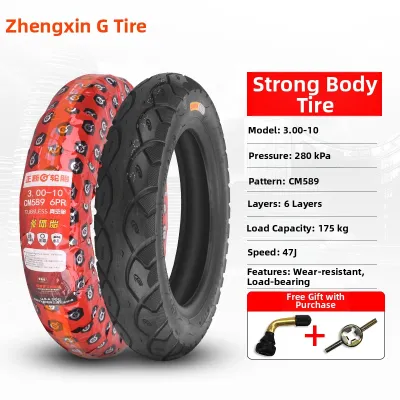
Prices are valid at publication and may change. Please refer to the product page for the latest price.
Finally, consider your weekly mileage and long-term durability expectations. High-mileage riders, such as commercial delivery riders or those commuting long distances daily, require a tire compound that resists rapid wear. On the other hand, weekend leisure riders who prioritize cornering grip over longevity may prefer a softer compound. Defining these parameters early helps narrow down the selection of 17-inch tires to the models that align with your specific usage.
Key Specifications to Check on Power 17-Inch Tires
Before comparing different models within a tire range, you must understand how to read and verify the technical specifications printed on the tire sidewall. The most prominent marking is the tire size, typically formatted as width, aspect ratio, and rim diameter—for example, 120/70 ZR17. The “17” denotes the rim diameter in inches, which must match your motorcycle’s wheel size exactly. Never attempt to force a tire onto an incompatible rim size, as this compromises the bead seal and can lead to catastrophic failure.

Next, locate the load index and speed rating, which usually follow the size dimensions (such as 58W). The load index is a numerical code representing the maximum weight the tire can safely support at its maximum inflation pressure. The speed rating is a letter code indicating the maximum speed capability of the tire under its specified load. You must consult your motorcycle’s owner manual to ensure the replacement tire meets or exceeds the original equipment manufacturer (OEM) specifications. Installing a tire with an inadequate load or speed rating is highly dangerous and may void your insurance coverage.
Another vital piece of information is the Department of Transportation (DOT) manufacturing date code, stamped as a four-digit number in a small window on the sidewall. The first two digits represent the week of manufacture, while the last two digits indicate the year. For instance, a code of “2426” means the tire was produced in the 24th week of 2026. In Singapore’s hot and humid climate, rubber compounds can age and harden even when stored on a shelf. It is wise to inspect this code before purchase to ensure you are not buying aged stock that has lost its natural elasticity and grip.
Comparing Tread Patterns and Compound Indicators
Tread design plays a pivotal role in how a motorcycle tire interacts with the road surface, especially when transitioning between dry and wet conditions. The grooves carved into the tire tread are designed to channel water away from the contact patch, preventing aquaplaning. When evaluating different models, look closely at the groove density and siping—the small slits within the tread blocks. Deep, continuous grooves that run from the center of the tire toward the shoulders are highly effective at clearing standing water during heavy downpours.
The distribution of these grooves across the tire profile determines its performance characteristics at different lean angles. Many sport-touring tires feature a solid, unbroken center strip to maximize straight-line stability and prolong tread life during highway cruising. As you lean the motorcycle into a turn, the tire transitions to the shoulder area, which may feature fewer grooves to maximize the rubber-to-road contact patch for enhanced cornering grip. Comparing these tread layouts allows you to choose a model that matches your typical cornering style and safety requirements.
Rubber compound formulation is the other half of the performance equation. Manufacturers often use terms like “single-compound” or “dual-compound” to describe their tires. Dual-compound tires utilize a harder, wear-resistant rubber compound along the center tread to handle upright riding, paired with a softer, high-grip compound on the shoulders for cornering confidence. While manufacturers use proprietary marketing names for these technologies, you can generally identify a tire’s intent by checking the manufacturer’s technical data sheets for mentions of silica content, which significantly enhances wet grip, or carbon black, which improves dry durability.
Evaluating Wet Performance and Durability Trade-offs
When selecting a 17-inch motorcycle tire, you will inevitably face a trade-off between wet-weather traction and overall tire lifespan. Softer rubber compounds conform more easily to microscopic road imperfections, providing outstanding grip on both wet and dry surfaces. However, this high level of friction causes the rubber to wear away much faster, especially on Singapore’s coarse asphalt roads under high ambient temperatures. If you opt for a high-performance sport tire, you must accept that it will require replacement sooner than a dedicated touring tire.
Conversely, durability-focused tires utilize harder rubber compounds and stiffer carcass constructions to resist wear and flat-spotting in the center. While these tires offer excellent value by lasting for thousands of additional kilometers, they may require more time to reach their optimal operating temperature. On cold, wet mornings, a hard-compound tire might feel less communicative and offer reduced traction until it has been ridden long enough to generate internal heat. Understanding this balance is crucial for managing your expectations regarding tire life and safety.
To monitor this trade-off over time, you should familiarize yourself with the built-in tread wear indicators (TWI) located within the tire grooves. These are small, raised rubber bumps spaced at regular intervals around the tire. As the tread wears down, it eventually becomes flush with these indicators, signaling that the tire has reached its legal wear limit and must be replaced immediately. Regularly inspecting these indicators ensures you never ride on bald tires, which lose all ability to disperse water and pose an extreme safety hazard in wet weather.
Decision Framework: Matching the Tire to Your Profile
To simplify your selection process, you can categorize your riding style into distinct profiles and match them to the appropriate tire characteristics. If your daily route involves navigating fast expressways where sudden rainstorms can create deep puddles, you should prioritize a wet-weather sport-touring tire. Look for models that emphasize high silica content and extensive siping to ensure efficient water clearance and rapid warm-up times, even in damp conditions.
If your primary goal is maximizing mileage for daily urban commuting, delivery work, or long-distance touring, a durability-oriented tire is the more practical choice. These models feature robust dual-compound constructions with a hard center strip designed to resist the flat-spotting caused by constant upright riding. While they may offer slightly less ultimate cornering grip at extreme lean angles, they provide consistent, predictable performance and a much lower cost-per-kilometer.
Regardless of which profile fits your needs, never compromise on fitment safety. Always verify that the tire’s load index, speed rating, and physical dimensions align exactly with your motorcycle manufacturer’s specifications. If you are unsure about compatibility or how a specific tire model will affect your bike’s handling, consult a qualified motorcycle mechanic at a reputable local workshop before making your purchase.
Installation and Post-Fitment Safety Checks
Once you have selected the correct 17-inch tire, proper installation is critical to ensure your safety on the road. Motorcycle tires must be mounted using professional tire-changing equipment to avoid damaging the wheel rim or the tire bead. Wheel balancing is an essential step during installation; an unbalanced wheel can cause severe vibrations at highway speeds, leading to uneven tread wear and compromised handling. Additionally, always request that the workshop replace the rubber valve stems with new ones, as old stems can degrade and develop slow leaks over time.
After installation, you must verify and maintain the correct cold tire pressure. Refer to your motorcycle’s owner manual or the swingarm placard for the manufacturer’s recommended inflation pressures, rather than the maximum pressure listed on the tire sidewall. Because Singapore’s ambient temperatures are consistently high, check your tire pressure when the bike has been parked for at least three hours. Riding on under-inflated tires causes excessive sidewall flexing and heat buildup, while over-inflation reduces the contact patch and harshness of the ride.
Finally, remember that brand-new tires require a careful break-in period. During the manufacturing process, a chemical mold release agent is applied to the tire mold to help release the finished rubber. A thin residue of this agent remains on the surface of new tires, making them temporarily slick. You should ride gently for the first 100 to 150 kilometers, avoiding sudden acceleration, hard braking, or aggressive cornering. This initial distance allows the road surface to safely scrub off the release agent, gradually bringing the tire to its full grip potential.
Frequently Asked Questions (FAQ)
How often should I check tire pressure in Singapore's hot weather?
You should check your motorcycle’s tire pressure at least once a week, and always before embarking on long expressway journeys. Singapore’s high ambient temperatures and hot asphalt cause the air inside your tires to expand rapidly during operation. Checking the pressure when the tires are cold—meaning the bike has not been ridden for several hours—ensures you get an accurate baseline reading. Consistent pressure checks prevent uneven wear, maintain optimal fuel efficiency, and ensure the tire carcass can properly support the weight of your motorcycle.
Can I mix different Power tire models on the front and rear wheels?
It is highly recommended to use matching tire models on both the front and rear wheels of your motorcycle. Your bike’s handling dynamics are carefully engineered around a matched set of tires with complementary profile shapes, tread patterns, and rubber compounds. Mixing different models can lead to unpredictable handling, as the front and rear tires may react differently to steering inputs, lean angles, and wet road surfaces. Always consult your motorcycle manufacturer’s manual for specific guidelines regarding tire mixing, and prioritize a matched set whenever possible to ensure consistent stability and safety.
Community discussion
Share your experience or ask a question. Comments are reviewed before publication.