
Quick Answer: Is Poseidon the Right Choice for You?
Selecting the right motorcycle riding boots is one of the most critical gear decisions you will make. The ideal choice depends heavily on your daily riding habits, your typical routes, and your budget. For many riders in Singapore, Poseidon boots—particularly their popular short-cut designs often referred to as poseidon booties—represent an accessible entry point into dedicated motorcycle footwear.
Poseidon generally targets budget-conscious urban commuters who need practical, lightweight protection for short daily trips. In contrast, premium alternative brands often cater to high-performance track riders or long-distance tourers who require advanced, multi-layered safety certifications and specialized materials. Before making a final purchase, you should always verify the physical fit, check the official safety labels, and ensure the boot’s design matches your primary riding environment.
Setting the Baseline: Poseidon vs. Mainstream Alternatives
To make an informed decision, it helps to understand how the local riding boot market is structured. Singapore’s riding conditions are unique, characterized by stop-and-go city traffic, high ambient temperatures, and sudden, heavy tropical downpours. In this environment, your footwear must balance protection, comfort, and durability.
Products mentioned in this guide
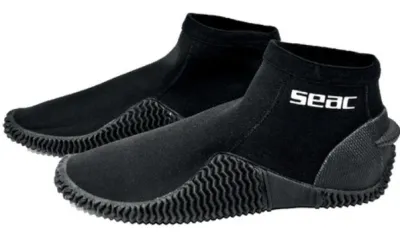
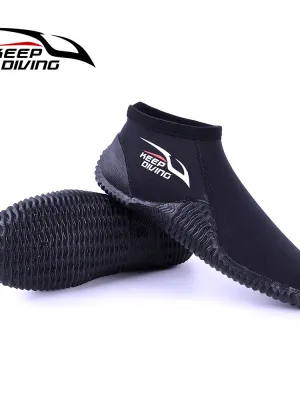
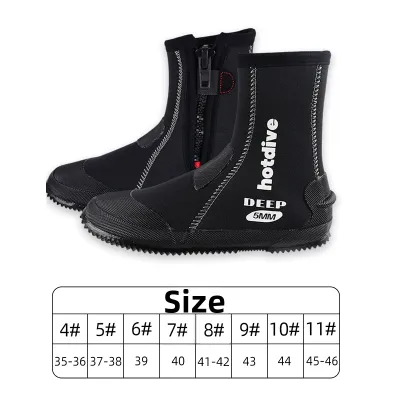
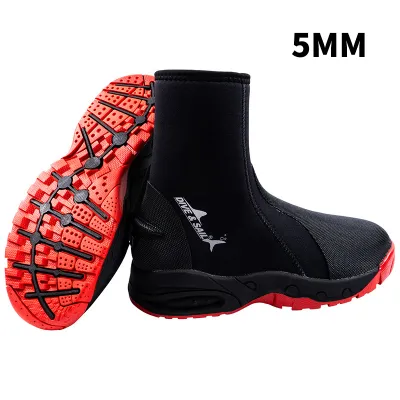
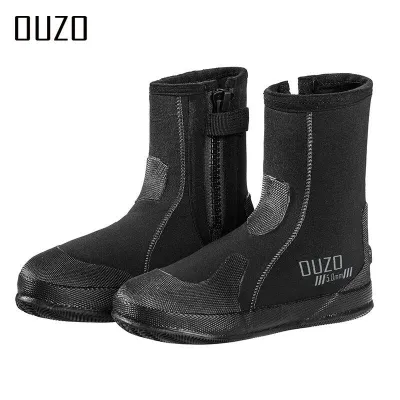
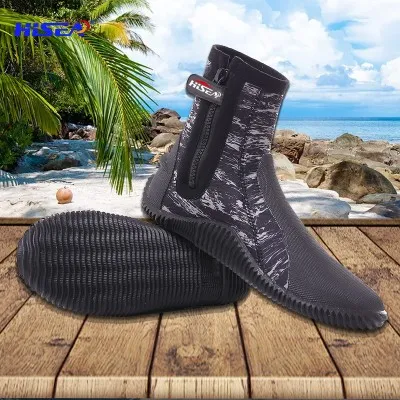
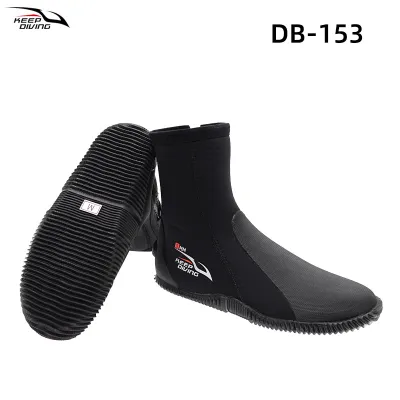

Prices are valid at publication and may change. Please refer to the product page for the latest price.

Poseidon boots occupy the entry-to-mid-level segment of the market. They are widely recognized for offering practical, urban-focused designs that look relatively casual while still providing basic motorcycle-specific reinforcements. These boots are highly popular among daily office commuters and delivery partners who want a boot that is easy to walk in once they reach their destination.
On the other hand, premium European brands represent the higher-end tier. These manufacturers invest heavily in racing development, proprietary impact-protection systems, and high-performance materials. While these premium boots offer exceptional safety and specialized features, they also come with a significantly higher price tag and can sometimes feel overly stiff or bulky for a simple commute.
Additionally, there are various regional budget-friendly brands available on online marketplaces and in local gear shops. These brands compete directly with Poseidon on price but can vary widely in terms of material quality, stitching standards, and local warranty support. When comparing these options, you should look past marketing terms like “heavy-duty” or “tactical” and instead focus on the manufacturer’s stated intended use to ensure the boot matches your riding style.
Evaluating Protection: What to Look for on the Label
When it comes to motorcycle gear, safety should always be your primary concern. You should never assume that a boot is safe just because it looks rugged or is made of thick material. Instead, you must learn to read and verify the standardized safety labels that indicate a boot has undergone rigorous testing.
The gold standard for motorcycle footwear safety is the European CE certification, specifically the EN 13634 standard. You can typically find this certification label stitched inside the tongue of the boot, printed on the inner lining, or detailed in the product packaging. The label features a motorcycle icon alongside a series of four numbers, each representing a specific safety level (either Level 1 for basic protection or Level 2 for advanced protection):
- First Number (Height): Indicates the height of the boot's upper. A lower number (Level 1) is typical for short booties, while a higher number (Level 2) indicates a tall boot that covers the shin.
- Second Number (Abrasion Resistance): Measures how well the outer material resists wearing through when sliding across asphalt.
- Third Number (Impact Cut Resistance): Evaluates the material's resistance to being penetrated or cut by sharp objects during an accident.
- Fourth Number (Transverse Rigidity): Tests the sole's resistance to crushing sideways, which is crucial for protecting your foot if the motorcycle falls on top of it.
Beyond the CE label, you should physically inspect the boot for key protective features. Look for dedicated ankle reinforcement, which should consist of hard plastic or dense foam inserts (malleolus protectors) on both the inner and outer sides of the ankle. A proper riding boot should also feature a reinforced toe box and a rigid heel counter to protect your extremities from crushing impacts. Finally, check for a dedicated shift pad over the toe area; this not only prevents the gear shifter from wearing down the boot material but also ensures a consistent, slip-free grip when changing gears.
Comfort and Climate: Managing Heat and Rain in Singapore
Riding in Singapore means constantly managing the tropical climate. A boot that keeps your feet dry during a sudden afternoon monsoon might leave them sweaty and uncomfortable during a sunny morning commute. Balancing waterproofing and ventilation is one of the biggest challenges when choosing riding footwear.
Waterproof membranes, such as proprietary liners or high-end breathable membranes, are incredibly useful for keeping your feet dry during heavy rain. However, because these membranes restrict airflow, they tend to trap heat and sweat. If your daily commute involves a lot of stop-and-go traffic in the midday sun, a fully waterproof boot can quickly become hot and stuffy, potentially leading to odor and discomfort.
Conversely, ventilated or mesh riding boots are designed with perforated panels that allow maximum airflow, keeping your feet cool on hot days. The obvious trade-off is that they offer virtually zero resistance to water. If you get caught in a typical Singapore downpour, your feet will likely be soaked within minutes. For many local riders, the compromise is to use highly ventilated boots for daily dry-weather commutes and keep a pair of waterproof over-boots or rain covers in their under-seat compartment for emergencies.
When evaluating comfort, you should also check the product specifications for breathable, moisture-wicking inner linings. These linings help pull sweat away from your skin, keeping your feet drier even in humid conditions. Furthermore, always try on riding boots with the exact style of socks you plan to wear while riding. Ensure there is adequate toe room—ideally about a thumb’s width of space at the front—so your toes do not cramp or hit the front of the boot during hard braking. Walk around the shop for a few minutes to check that your heel does not slip excessively, which can cause painful blisters over time.
Assessing Price, Durability, and Long-Term Value
Evaluating the value of a riding boot requires looking beyond the initial purchase price. You must consider how long the boot is likely to last under daily wear and tear, as well as the level of after-sales support available.
In terms of upfront cost, Poseidon boots generally sit in the highly accessible entry-to-mid-level price tier, often ranging from under S$100 to around S$200. This makes them an attractive option for riders who want dedicated motorcycle protection without a massive financial commitment. Premium European brands, by comparison, frequently cost upwards of S$300 to S$500 or more. While this is a substantial investment, these premium boots often utilize superior materials and construction techniques that can translate to a longer overall lifespan.
To assess physical durability, you should inspect several key construction details:
- Sole Attachment: Look at how the sole is joined to the upper. Stitched soles (such as Goodyear welt construction) are highly durable and can sometimes be repaired or resoled by a cobbler. Glued soles are more common in budget boots; while lightweight, the adhesive can degrade over time when exposed to Singapore's high humidity, wet roads, and engine heat.
- Fasteners and Closures: Examine the quality of the zippers, buckles, and velcro straps. Zippers should glide smoothly without catching, and velcro panels should be large and securely stitched. A broken zipper or worn-out velcro can render an otherwise perfectly good boot unusable.
- Outer Materials: High-quality synthetic microfibers and full-grain leathers offer excellent abrasion resistance. Microfiber is particularly popular in modern riding boots because it is lightweight, resists water damage well, and does not require as much maintenance as natural leather, which can rot or crack if it is repeatedly soaked and dried without proper care.
Finally, consider the availability of local after-sales support. Purchasing your boots from an authorized local retailer ensures you have access to warranty coverage and return policies if you encounter a manufacturing defect. It also makes it much easier to source replacement parts, such as toe sliders, buckles, or straps, which are commonly lost or damaged during regular use.
Final Decision Framework: Choosing Your Ideal Riding Boot
To help you make the right choice, use this simple framework to match your specific riding needs to the appropriate boot category.
Choose Poseidon if…
- You are primarily an urban commuter or delivery rider looking for a practical, lightweight boot (such as poseidon booties) for daily city trips.
- You want dedicated motorcycle protection but have a strict budget of under S$200.
- You prefer a casual, low-profile design that transitions easily from your motorcycle to walking around the office, school, or shopping mall.
Choose Premium Alternatives if…
- You ride high-capacity motorcycles, frequently travel on long-distance touring trips, or participate in track days.
- You require maximum certified protection (such as Level 2 ratings across all CE categories) and advanced ankle-bracing systems to prevent twisting injuries.
- You need highly reliable, long-lasting waterproof performance and are willing to invest S$300 or more for premium materials and construction.
Verify First if…
- You have unique foot shapes, such as exceptionally wide feet or high arches, which may require trying on multiple brands in person to find a comfortable fit.
- You are unsure about the specific safety ratings, waterproof capabilities, or sizing of a particular model. In these cases, always consult the manufacturer's official specifications or visit an authorized local retailer to inspect the boots firsthand before buying.
Frequently Asked Questions (FAQ)
Can I use regular work boots instead of dedicated riding boots?
While heavy leather work boots or steel-toed boots might look protective, they are not a safe substitute for dedicated motorcycle riding boots. Standard work boots lack the specific lateral ankle support and transverse rigidity required to prevent your foot and ankle from being crushed or twisted in a crash. Additionally, work boots often feature thick, bulky soles and loose laces that can easily catch on your motorcycle’s gear shifter, rear brake pedal, or footpegs, potentially causing you to lose control or drop the bike when coming to a stop. Purpose-built riding boots are designed with flat, low-profile soles, secure fastening systems, and integrated armor to ensure both physical safety and predictable control operation.
How should I clean and maintain my riding boots after riding in the rain?
Proper maintenance is essential to prolong the life of your riding boots, especially after they have been exposed to wet roads and road grime. After riding in the rain, use a damp cloth to gently wipe away mud, road salt, and dirt from the outer surface of the boots. Once clean, allow them to air-dry naturally at room temperature in a well-ventilated indoor area. Never place your boots near direct heat sources, such as heaters, or use a hairdryer, as excessive heat can warp synthetic materials, melt adhesives, and cause natural leather to dry out and crack. If your boots are made of natural leather, apply a high-quality leather conditioner once they are completely dry to keep the material supple. For fabric or microfiber boots, you can periodically reapply a compatible water-repellent spray as recommended by the manufacturer’s care instructions.
Community discussion
Share your experience or ask a question. Comments are reviewed before publication.