
Maintaining the correct tire pressure is one of the most critical yet frequently overlooked aspects of vehicle ownership in Singapore. While petrol stations across the island offer public inflation bays, having a dedicated air pump at home provides unmatched convenience and ensures you can check your tires when they are cold for the most accurate reading.
However, choosing the right tool for the job requires understanding your specific living arrangements, vehicle type, and maintenance habits. The choice between a portable and a stationary unit is not about which tool is universally superior, but rather which one aligns with your physical environment and power access.
To make an immediate decision, you can evaluate your situation using a straightforward framework:
Products mentioned in this guide
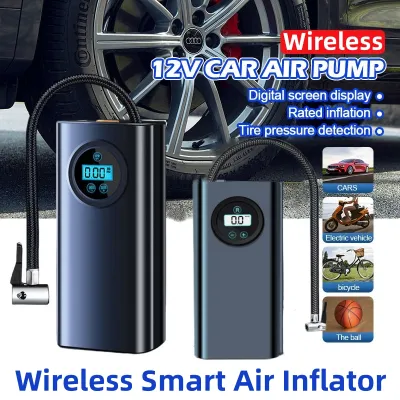
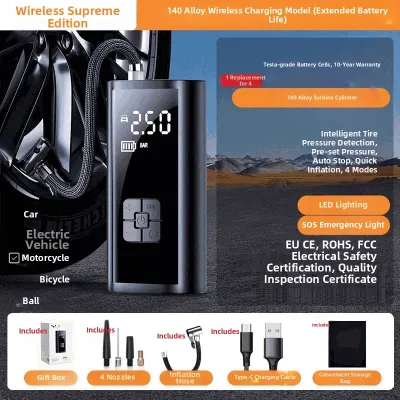
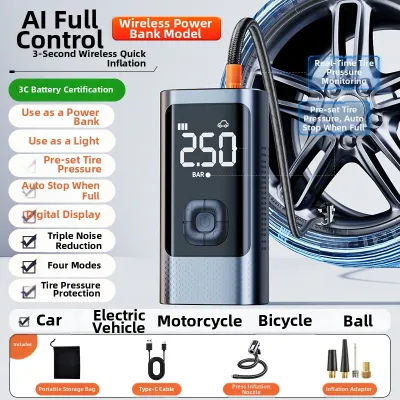
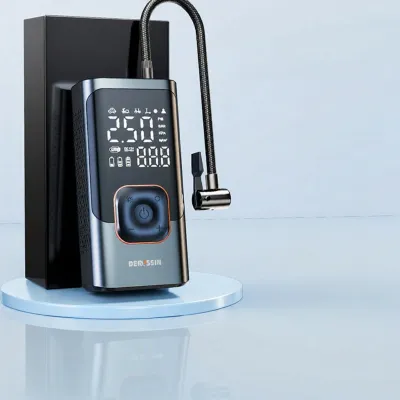
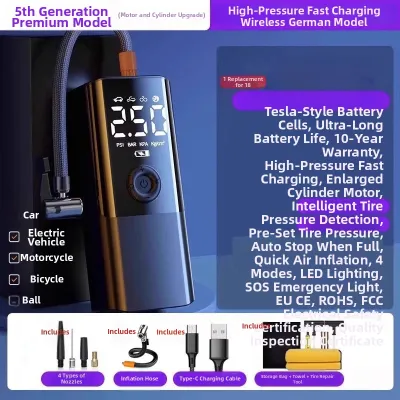
![[SG Stock] Air Pump Car Inflator Compressor Portable Ball Bike Bicycle Rechargeable Basketball Soccer Volleyball Tyre Wheel Tire 12V LED Fast Auto Shut-off Emergency](https://img.lazcdn.com/g/p/cc7d92c566c3860fbbfa1d535cc6f3bb.jpg_400x400q80.jpg_.webp)
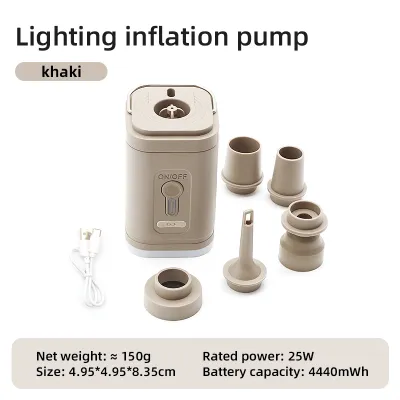
![[LH7W] Bike Air Pump Portable Bicycle Pump Hand Air Pumps with Schrader Valve for Bike Tires Balls Balloons](https://img.lazcdn.com/g/p/a25ed6b70dc7d6221dfcf03b31a98d23.jpg_400x400q80.jpg_.webp)
Prices are valid at publication and may change. Please refer to the product page for the latest price.
- Choose a portable air pump if you live in an HDB flat or a condominium, park in shared multi-storey or open-air car parks, and require a compact tool for routine monthly top-ups or roadside emergencies.
- Choose a stationary air pump if you reside in a landed property with a private garage or a sheltered driveway, have direct access to a safe 230V mains power outlet, and regularly maintain multiple vehicles, heavy SUVs, motorcycles, or high-pressure bicycles.
Key Differences Between Portable and Stationary Air Pumps
Understanding the mechanical and operational differences between these two categories will help you select a tool that fits your maintenance routine without causing operational frustration.
Power Source, Inflation Speed, and Duty Cycle
Portable and stationary units rely on fundamentally different electrical configurations to generate compressed air, directly impacting how quickly they can inflate a tire.
Portable units generally operate on either 12V DC power drawn from your vehicle’s accessory socket (cigarette lighter) or internal rechargeable lithium-ion batteries. Because these power sources are inherently limited in voltage and current draw, portable motors are smaller and typically deliver lower airflow rates, often measured between 15 to 35 liters per minute (L/min). This means inflating a standard passenger car tire from 20 PSI to 32 PSI may take several minutes per tire.
Stationary air compressors run on standard 230V AC mains power, allowing them to utilize much larger, heavy-duty electric motors. These units deliver significantly higher airflow rates, frequently exceeding 50 to 100 L/min, allowing them to inflate a tire in a fraction of the time.
Another critical specification to verify on the manufacturer’s label is the “duty cycle,” which refers to the percentage of time a compressor can operate continuously before requiring a cool-down period. Many small portable pumps have a limited duty cycle of 10% to 15% (for example, 10 minutes of continuous run time followed by 30 to 40 minutes of rest) to prevent overheating. Stationary units, by contrast, often feature duty cycles ranging from 50% to 100%, enabling them to handle multiple vehicles back-to-back without thermal interruption.
Storage, Portability, and Space Requirements
Physical footprint and ease of transport are major deciding factors, especially in space-constrained urban environments.
Portable pumps are designed with space-saving ergonomics in mind, often weighing less than two kilograms. Their compact dimensions allow them to fit easily into a car’s boot organizer, a spare tire well, or even a motorcycle top box, ensuring they are always on hand during a journey.
Stationary compressors, such as pancake or hot-dog style models, are bulky, heavy, and require dedicated floor space. They often weigh anywhere from 10 to over 30 kilograms, making them highly impractical to transport. For apartment dwellers, storing a heavy metal tank in a utility closet and carrying it down an elevator to a shared car park is physically demanding and highly inconvenient.
Noise Levels and Heat Management
Operating a compressor in a dense residential area requires careful consideration of noise pollution and thermal safety.
Small portable 12V pumps utilize high-RPM, direct-drive motors that tend to emit a loud, high-pitched whine during operation. In a covered, echo-prone HDB multi-storey car park, this noise can easily disturb neighbors, particularly if you perform your tire checks late at night or early in the morning.
Stationary compressors also generate substantial noise, but they typically use larger, slower-spinning induction motors that produce a lower-frequency, less disruptive hum. Furthermore, stationary units feature superior heat dissipation, utilizing large metal cooling fins and cast-iron pump heads to manage thermal buildup. Portable units, encased in plastic housings, heat up rapidly and must be handled with care after use to avoid minor burns.
Which Air Pump Fits Your Vehicle and Lifestyle?
Your residential infrastructure and driving habits are the ultimate deciding factors when choosing between these two systems.

HDB and Condo Dwellers with Limited Parking Space
For the vast majority of motorists living in high-rise apartments in Singapore, a portable unit is the only practical option.
Running a 230V extension cord from a high-rise flat or a common corridor outlet down to a shared parking lot is a severe safety hazard, violates estate management rules, and poses a tripping risk to pedestrians. Using a cordless lithium-ion or a 12V DC plug-in pump allows you to maintain your tires directly in your assigned parking slot without relying on external infrastructure.
This independence encourages regular monthly maintenance, helping you avoid the long queues and frequently uncalibrated gauges found at public petrol station air bays.
Landed Property Owners with Dedicated Garages
If you own a terraced house, semi-detached home, or bungalow with a private driveway, a stationary compressor offers significant advantages.
Having a dedicated garage space with direct access to a safe, sheltered 230V Type G electrical outlet makes operating a stationary unit effortless. This setup is ideal for households managing multiple vehicles, such as a family SUV, a commuter motorcycle, and several high-pressure road bicycles, where the rapid inflation speed and high duty cycle save substantial time.
Additionally, a stationary compressor can power pneumatic workshop tools, such as impact wrenches or blowguns, adding versatile utility to your home workshop.
Frequent Travelers and Off-Road Enthusiasts
For drivers who frequently cross the Causeway into Malaysia or embark on long-distance road trips, a robust portable compressor is an essential safety item.
Roadside emergencies or slow punctures on remote stretches of highway require an independent inflation source. In these scenarios, a high-quality portable pump that connects directly to your car battery terminals via alligator clamps is highly recommended, as it draws more current and inflates larger tires faster than standard cigarette lighter models.
Ensure your travel kit includes a heavy-duty portable unit housed in a impact-resistant carrying case, complete with a long, reinforced air hose to reach all four wheels easily.
What to Check Before You Buy an Air Pump
Before purchasing any inflation device, verify these critical technical specifications to ensure compatibility and safety:
- Maximum PSI and Airflow: Ensure the pump's maximum pressure rating exceeds your vehicle's requirements. Always refer to the tire pressure placard on your driver's door jamb or owner's manual for the correct cold inflation pressure, rather than the maximum limit printed on the tire sidewall.
- Auto-Shutoff Feature: This is a vital safety function, especially for portable digital units. Pre-setting your target pressure (e.g., 32 PSI or 220 kPa) ensures the pump stops automatically once reached, preventing dangerous over-inflation and reducing motor strain.
- Power Cord and Hose Length: Verify that the combined length of the electrical cable and the air hose can comfortably reach all four wheels of your vehicle from the power source without being stretched tight.
- Thermal Protection: Look for models equipped with an automatic thermal overload switch. This safety feature temporarily shuts down the motor if internal temperatures exceed safe operating limits, protecting the unit from permanent heat damage.
- Plug Type and Voltage: For any mains-powered stationary unit, ensure it is rated for Singapore's 230V/50Hz electrical system and features a safety-certified Type G (UK-style 3-pin) plug. Avoid using cheap, ungrounded travel adapters, as high-draw appliances can easily overheat them and cause electrical fires.
Safe Operation and Regular Maintenance
Operating compressed air equipment safely requires adhering to basic operational boundaries and maintenance steps.
Always consult your vehicle’s owner manual and the air pump manufacturer’s instructions before operating the equipment. Never exceed the recommended tire pressure specified by your vehicle manufacturer. If you are using a high-draw stationary compressor, do not connect it to thin, light-duty extension cords, as this can cause voltage drops, motor damage, or electrical fires. Keep all electrical components, plugs, and motors away from wet ground, puddles, and rain.
To ensure the longevity of your equipment, follow these targeted maintenance steps:
- For stationary units: Periodically inspect and clean the intake air filter to maintain optimal airflow. Ensure you drain accumulated condensation and moisture from the metal air tank after each use (or as specified by the manufacturer) to prevent internal rust and tank failure.
- For cordless portables: Preserve the lifespan of the lithium-ion battery by charging it to around 50% to 80% before long-term storage. Avoid storing the battery completely flat or fully charged for months, and charge it periodically according to the manufacturer's guidelines.
- For all air pumps: Regularly inspect the rubber air hoses and brass connectors for signs of cracking, dry rot, or wear. In Singapore's hot and humid climate, rubber components stored in a car boot can degrade faster than usual.
Frequently Asked Questions (FAQ)
Can I use a portable air pump for motorcycle or bicycle tires?
Yes, you can use a portable air pump for motorcycles and bicycles, provided you use the correct valve adapter, such as a Schrader adapter for motorcycles or a Presta adapter for road bikes. However, because bicycle tires have a much smaller air volume than car tires, high-volume pumps can over-inflate them in a matter of seconds. Always use a pump equipped with a precise digital gauge or a reliable auto-shutoff feature to prevent bursting the inner tube.
How often should I check and top up my tire pressure?
You should check your tire pressure at least once a month and always before embarking on long road trips, such as driving up to Malaysia. Tires naturally lose approximately 1 to 2 PSI of pressure per month due to natural permeation. Checking the pressure when the tires are cold (driven less than three kilometers) ensures you obtain an accurate reading.
Is it safe to leave a cordless air pump in my car boot in the heat?
You must check the manufacturer’s specified storage temperature limits in the user manual. Singapore’s outdoor car parks can cause cabin and boot temperatures to climb significantly. Prolonged exposure to extreme heat can degrade lithium-ion batteries, reduce their overall capacity, or in rare cases, pose a thermal safety risk. To ensure safety and longevity, consider storing the cordless pump inside the air-conditioned cabin out of direct sunlight, or bringing it indoors when the vehicle is parked for extended periods.
Community discussion
Share your experience or ask a question. Comments are reviewed before publication.