
When it comes to maintaining optimal tire pressure, choosing between portable inflators and stationary air compressors is a critical decision that impacts both your vehicle’s safety and your daily convenience. Keeping your tires properly inflated is one of the simplest yet most vital aspects of vehicle ownership, directly affecting fuel economy, handling, and tread life.
For the vast majority of drivers in Singapore, particularly those residing in Housing & Development Board (HDB) flats or private condominiums without a private garage, a portable 12V inflator is the most practical and necessary choice. It is compact, runs directly off your vehicle’s power, and can be stored easily in your car boot for immediate roadside use.
Conversely, a stationary air compressor is only recommended for landed property owners with dedicated garage space, car enthusiasts managing multiple household vehicles, or DIY hobbyists who require compressed air for pneumatic tools. The decision hinges primarily on your living situation, storage constraints, power access, and whether you need an emergency tool or a dedicated home maintenance station.
Products mentioned in this guide
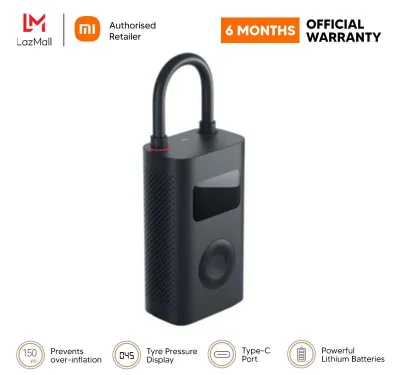

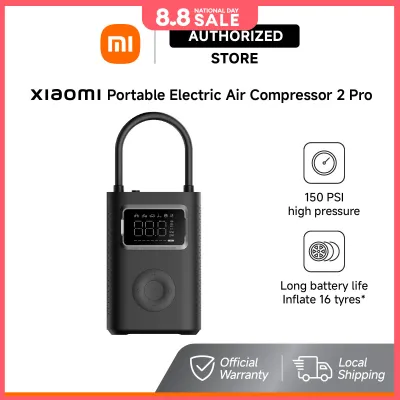
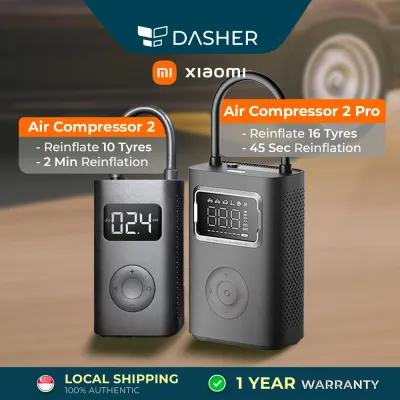
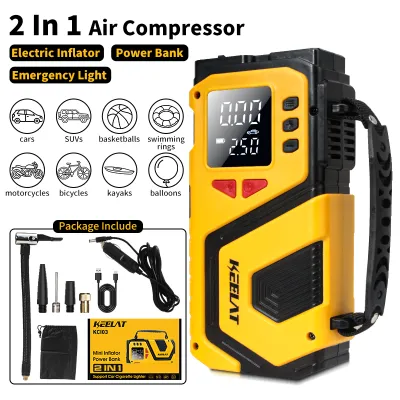
![[SG Stock] Air Pump Car Inflator Compressor Portable Ball Bike Bicycle Rechargeable Basketball Soccer Volleyball Tyre Wheel Tire 12V LED Fast Auto Shut-off Emergency](https://img.lazcdn.com/g/p/cc7d92c566c3860fbbfa1d535cc6f3bb.jpg_400x400q80.jpg_.webp)
![[SG 24H Ship]12000mAh Nitrogen Cordless Car Air Pump 150PSI Portable Tire Inflator for Car Motorcycle Bike](https://img.lazcdn.com/g/p/db8d65465d4e56efe7ecd2e3046fe2d8.jpg_400x400q80.jpg_.webp)
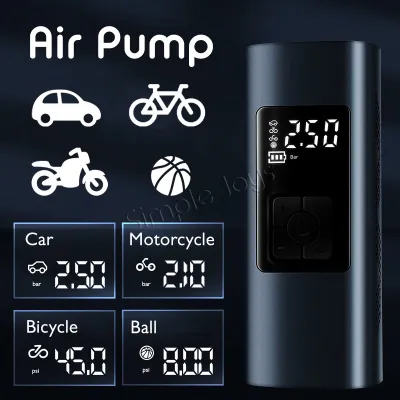
Prices are valid at publication and may change. Please refer to the product page for the latest price.
Before purchasing any tire maintenance equipment, always verify your vehicle’s specific model requirements, recommended tire dimensions, and wheel interface. Refer to your vehicle’s original owner’s manual or the tire placard located on the driver’s door jamb to confirm the exact cold inflation pressure (measured in PSI or kPa) required for your specific tire size and load rating. Never rely on generic category terms or assumptions, as incorrect pressure settings can severely compromise your car’s handling, braking performance, and road legality.
Key Differences Between Portable and Stationary Air Compressors
To make an informed decision, it is essential to understand how these two classes of machines operate. While both tools serve the primary function of forcing pressurized air into your tires, their design philosophies, power requirements, and performance capabilities are vastly different.
Power Source and Electrical Requirements
Portable inflators are designed for on-the-go usability, drawing their power directly from the vehicle’s electrical system. Most models plug into the standard 12V DC auxiliary power outlet (commonly known as the cigarette lighter socket) inside the cabin. Heavy-duty portable units may feature alligator clamps that connect directly to your car’s 12V battery terminals to draw higher amperage safely. Because they rely on the vehicle’s battery, these units are completely independent of household wall outlets, allowing you to inflate your tires anywhere from a remote roadside to a public car park.
In contrast, stationary air compressors require a standard 230V AC household mains outlet, which is the electrical standard in Singapore. While these 230V units offer unlimited runtime without any risk of draining a car battery, they severely restrict where you can perform tire maintenance. You are limited to locations with accessible, weather-protected power outlets. For residents in high-density housing, running a long extension cord from an upper-floor flat down to a multi-storey or open-air car park is highly impractical and presents significant safety hazards.
Inflation Speed, Airflow, and Duty Cycle
Stationary air compressors generally feature large steel storage tanks (often ranging from 6 to 24 liters or more for home garages) and high-output motors. This setup allows them to deliver a high volume of airflow, measured in liters per minute (L/min) or cubic feet per minute (CFM). Because they store pressurized air in a tank, they can inflate a tire from flat to full in a matter of seconds. Furthermore, stationary units have robust cooling systems and high duty cycles, meaning they can run continuously for extended periods without overheating.
Portable 12V inflators are tankless, meaning the motor must run continuously to compress and pump air directly into the tire. Consequently, they have much lower airflow rates and require several minutes to inflate a single tire. Because of their compact size and limited heat dissipation, portable units have strict duty cycle limits. Many models are rated for a maximum of 10 to 15 minutes of continuous use before requiring a mandatory 15-to-30-minute cool-down period. Exceeding these limits can permanently damage the internal seals and motor. Always check the manufacturer’s label for specific L/min ratings and maximum continuous run times rather than relying on generic marketing claims.
Storage, Portability, and Space Constraints
Storage space is a premium commodity for many urban drivers. Portable inflators excel in this category, featuring compact, lightweight designs that easily fit into a glove compartment, under a seat, or within the spare tire well in your boot. Weighing typically under 2 kg, they add negligible weight to your vehicle, ensuring your fuel efficiency is unaffected and your storage space remains fully functional.
Stationary compressors are bulky, heavy, and physically demanding to move. Even “portable” stationary models with wheels are cumbersome to lift into a car boot and will consume a significant portion of your cargo space. Additionally, these units require dedicated, dry, and well-ventilated storage space to prevent electrical hazards and physical degradation. For residents in high-density housing, keeping a large compressor in the car boot is highly impractical due to weight and space consumption, making the portable option the only viable daily carry.
Choose a Portable 12V Inflator If…
For the vast majority of car owners, a portable 12V inflator is the most logical investment. This tool aligns perfectly with modern urban driving habits and typical residential layouts.

- You live in an HDB flat or condominium: If you park your car in a shared, multi-storey, or open-air residential car park, you will not have access to private 230V power outlets. A portable unit that runs off your car’s 12V socket is the only feasible way to maintain your tires at home.
- You prioritize emergency roadside preparedness: A flat tire or a sudden pressure drop can happen anywhere. A stationary compressor sitting in a garage is useless when you are stranded on the side of the road. A portable inflator allows you to safely top up a leaking tire enough to drive to a nearby workshop, saving you the cost and hassle of calling a tow truck.
- You frequently drive long distances: If you regularly drive across the Causeway for road trips, maintaining correct tire pressure is vital for high-speed stability and safety on the highway. Having a portable inflator in your boot allows you to check and adjust your tire pressures at resting bays or petrol stations without waiting in line for public air pumps.
- You want a simple, low-maintenance tool: Portable inflators are highly user-friendly, plug-and-play devices. They do not require complex maintenance, oil changes, or moisture draining, making them ideal for drivers who want a hassle-free utility tool.
Choose a Stationary Air Compressor If…
While portable inflators are highly convenient, stationary air compressors offer unmatched power and versatility for specific users who have the space and infrastructure to support them.
- You own a landed property with a private garage: If you have a private driveway, car porch, or garage with easy access to a grounded 230V wall outlet, a stationary compressor is highly practical. You can set up a dedicated maintenance bay right at home.
- You maintain a fleet of diverse vehicles: If your household manages multiple cars, motorcycles, and bicycles, a stationary compressor with a storage tank makes routine pressure maintenance incredibly fast. You can inflate dozens of tires back-to-back without waiting for the motor to cool down.
- You engage in heavy DIY maintenance and use pneumatic tools: A stationary compressor is not just for tires. If you enjoy working on your own vehicle, a unit with a storage tank can power air-driven tools such as impact wrenches for DIY tire rotations, blowguns for clearing dust from engine bays, or airbrushes for detail painting.
- Verify first if your home is compatible: Before purchasing a stationary unit, verify that your garage or workshop has a properly grounded 230V outlet with adequate amperage. Ensure you have a dry, covered space to store the compressor safely away from rain and ambient moisture, which can cause electrical shorts and rust.
Essential Features to Compare When Buying Air Compressors and Inflators
When shopping for an inflation tool, looking past generic marketing claims is essential. Focus on concrete specifications and features listed on the product label or user manual to ensure the tool is safe, reliable, and compatible with your vehicle.
- Maximum PSI: Ensure the unit's maximum pressure rating comfortably exceeds your vehicle’s recommended cold tire pressure. While most passenger cars require between 30 to 35 PSI, larger SUVs, 4x4s, or light commercial vehicles may require 40 to 45 PSI or higher. Buying a tool with a maximum rating of at least 100 PSI ensures it can handle high pressures without straining the motor.
- Auto-Shutoff Functionality: This is a critical safety feature, especially for portable units. It allows you to pre-set your desired target pressure (e.g., 32 PSI). The device will automatically stop pumping once that threshold is reached, preventing dangerous over-inflation and saving you from constantly monitoring the gauge.
- Gauge Type (Digital vs. Analog): Digital gauges offer precise, clear readouts and often allow you to switch between different units of measurement (PSI, bar, kPa). However, some digital screens can be difficult to read under direct tropical sunlight. Analog dial gauges are highly durable and do not require batteries, but they can be harder to read precisely and are prone to calibration drift if dropped.
- Hose and Cord Length: Measure or verify the combined reach of the power cord and the air hose. For a portable unit, the cord must be long enough to stretch from the dashboard 12V outlet to all four wheels, including the rear tires of long station wagons or large SUVs. A short cord will put physical strain on the plug and the valve stem, potentially damaging both.
- Thermal Overload Protection: This is a mandatory safety feature for portable inflators. Because compact motors generate intense heat quickly, thermal overload protection automatically shuts down the unit if the internal temperature reaches a dangerous level, preventing the motor from burning out or melting its plastic casing.
Safe Operation and Maintenance for Tire Inflators
Because tires are a critical safety system directly affecting braking and vehicle stability, any manual adjustment or maintenance must be performed within strict safety boundaries. Always consult your vehicle’s manufacturer instructions before operating any high-powered electrical equipment or attempting DIY tire maintenance.
If you use any supplementary tire care products, sealants, or cleaners alongside your inflation tools, ensure they are used strictly for their label-authorized purposes. Always check the applied product’s label and the treated tire manufacturer’s instructions before use. If instructions conflict, if the tire material is unidentified, or if the specific application is not explicitly covered, stop immediately and consult the manufacturer or a qualified professional.
To ensure accurate readings and prolong the lifespan of your inflation equipment, observe the following operational guidelines:
- Check and adjust pressure when tires are cold: Always measure tire pressure before driving the vehicle, or at least three hours after it has been parked. Driving generates friction, heating up the air inside the tire and temporarily raising the pressure. Adjusting your tires when they are warm will result in under-inflation once they cool down.
- Avoid over-inflation: Never exceed the recommended tire pressure listed on your vehicle's door jamb. Over-inflation reduces the tire's contact patch with the road, leading to a harsh ride, accelerated center tread wear, and significantly compromised braking grip, which is highly dangerous on wet roads during sudden tropical downpours.
- Keep the engine running for portable units: When using a 12V portable inflator, always keep your car's engine running. High-draw inflators can quickly drain a stationary car battery, potentially leaving you stranded with inflated tires but a dead starter motor. Refer to your vehicle's owner's manual regarding the maximum amperage your 12V DC socket can safely handle to avoid blowing a fuse.
- Drain stationary compressor tanks regularly: For stationary units, the compression process naturally condenses moisture out of the air. In Singapore's highly humid climate, water accumulates rapidly inside the steel storage tank. You must open the drain valve at the bottom of the tank after every use to release this condensed water. Failing to do so will cause internal rust, structurally weakening the tank and leading to catastrophic pressure failure over time.
Frequently Asked Questions (FAQ)
Can I use a portable 12V inflator on large SUV or off-road tires?
Yes, but with performance limitations. While a standard 12V inflator can technically reach the required PSI, high-volume SUV or 4×4 tires contain a massive volume of air. Inflating a large tire from flat will take a significant amount of time and will likely exceed the inflator’s continuous run-time (duty cycle) limits. If you drive a large SUV, look for heavy-duty, high-flow portable inflators designed specifically for high-volume tires, or prepare to pause frequently to let the unit cool down.
Do I need to run the car engine when using a 12V tire inflator?
Yes, it is highly recommended to keep your vehicle’s engine running. Drawing high current from a stationary battery can drain it rapidly, especially if you are adjusting all four tires. Running the engine ensures a stable power supply of around 13.8V to 14.4V from the alternator, which allows the inflator to operate at its peak performance and prevents you from being stranded with a dead car battery. Always consult your inflator’s manual for specific electrical requirements.
Community discussion
Share your experience or ask a question. Comments are reviewed before publication.