
Choosing between a motorcycle raincoat poncho and a jacket-style rain suit comes down to balancing aerodynamic stability against quick, comprehensive coverage. For riders navigating sudden tropical downpours, the right choice depends on your typical travel speeds, commute distances, and the protective gear you already wear. While a dedicated rain jacket offers a streamlined fit that excels at highway speeds, a motorcycle rain poncho provides rapid deployment and generous lower-body coverage that can shield both you and your luggage in seconds.
To make the right decision, you must evaluate how each style handles wind resistance, water ingress, and ease of use during your daily rides. Jacket-style gear is highly wind-resistant and fits snugly over your body, making it the preferred option for high-speed highway commuting. Conversely, poncho-style gear excels in low-speed urban environments where quick layering over bulky armored jackets or backpacks is a priority. By analyzing your specific riding routine, you can select the style that keeps you dry without compromising your safety on the road.
Protection Coverage and Weather Resistance
The fundamental difference in how these two designs manage wet weather lies in their sealing mechanisms and structural shapes. A jacket-style rain coat relies on tight, adjustable closures at the wrists, neck, and waist to create an isolated barrier against driving rain. When paired with matching rain pants, this setup forms a highly secure two-piece system that prevents water from creeping upward, even when riding at sustained speeds. However, this configuration requires a meticulous sealing process, as any gap in the cuffs or collar can allow wind-driven water to penetrate your inner layers.
Products mentioned in this guide
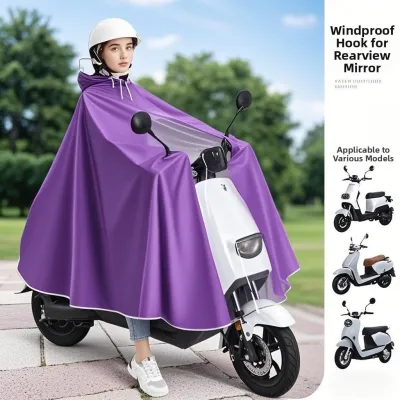
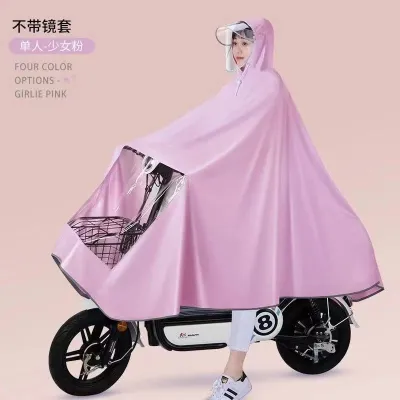
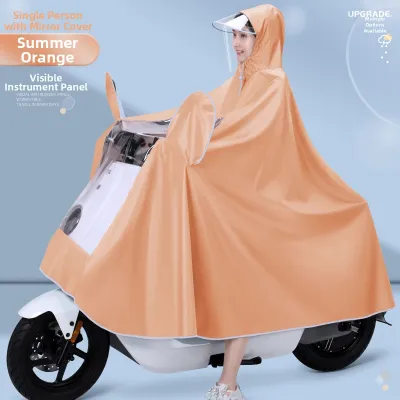
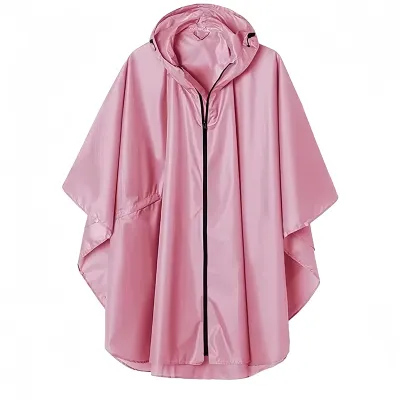
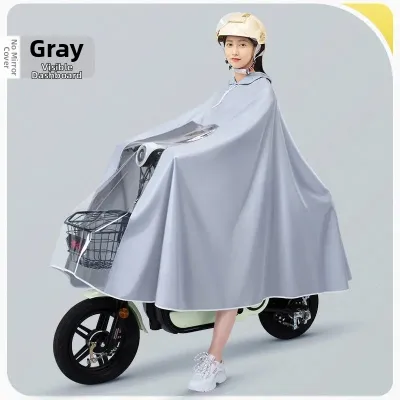
Prices are valid at publication and may change. Please refer to the product page for the latest price.
In contrast, a motorcycle rain poncho utilizes a wide, draping design that naturally sheds water outward and downward. This open drape is particularly effective at covering your lap, thighs, and the gap between your seat and fuel tank, which are common pooling areas for water during heavy downpours. Because a long poncho extends over your knees, it can often eliminate the immediate need for separate rain pants during short, low-speed trips. The trade-off is the open bottom hem, which remains vulnerable to upward drafts and road spray if the wind catches the fabric.
Wind flap and water pooling present distinct challenges for each style, especially when navigating open expressways or encountering sudden crosswinds. At higher speeds, the loose fabric of a poncho acts like a sail, catching the wind and creating significant aerodynamic drag. This flapping not only causes physical fatigue over longer distances but can also pool water in the folds of the excess material, eventually forcing moisture through the fabric or seams. A fitted rain jacket minimizes these issues by hugging your torso, allowing wind to flow smoothly around you while ensuring water drains off the slick surface without collecting in deep pockets.
Ease of Wear and Riding Ergonomics
When a sudden storm hits, the speed and ease with which you can don your wet-weather gear can make the difference between arriving dry or completely soaked. A motorcycle rain poncho is unmatched in its speed of deployment, featuring a generous cut that allows you to pull it over your head, helmet, and backpack in a single movement. This makes it an incredibly convenient option for urban commuters who need to transition from dry roads to full rain protection at a moment’s notice without finding a sheltered spot to strip off other gear.

Jacket-style rain gear demands a more deliberate approach to dressing, often requiring you to pull over, remove your helmet, and carefully step into rain pants before zipping up the jacket. While this process takes longer and requires more physical space, the resulting fit offers superior riding ergonomics and freedom of movement. Once properly adjusted, a high-quality rain jacket moves with your body, preventing any restriction at the shoulders, elbows, or waist when you lean into turns or reach for the handlebars.
Neck sealing and helmet clearance are critical areas where these two styles diverge in performance. Ponchos often feature wide neck openings to accommodate helmets, which can make it difficult to achieve a watertight seal around the collar. Without a precise adjustment mechanism, rainwater running down your helmet can easily find its way inside the neck opening and drip down your back. A dedicated rain jacket typically features a high, fleece-lined collar with adjustable hook-and-loop tabs designed to tuck securely under the base of your helmet, creating a reliable barrier against running water.
Safety, Visibility, and Road Hazards
Active safety on a motorcycle requires gear that does not interfere with your control of the bike or obscure your visibility to other motorists. The loose, flowing edges of a standard poncho present inherent snag hazards that riders must carefully manage. Excess fabric can easily catch on mirrors, handlebars, or footpegs, potentially restricting your ability to steer or put your feet down safely at a stoplight. Before riding with a poncho, you must ensure that any loose hems are secured or tucked away to prevent them from tangling with the moving parts of your motorcycle.
Aerodynamic stability is another crucial safety consideration, particularly when riding on fast-moving expressways where wind resistance is high. A flapping poncho can generate significant buffeting, which transfers directly to your shoulders and neck, causing fatigue and reducing your overall stability on the road. A fitted rain jacket eliminates this hazard by maintaining a low profile, ensuring that you can maintain a stable riding posture even when passing large commercial vehicles or riding through strong crosswinds.
Visibility is paramount during heavy downpours, which often reduce road clarity to near-zero conditions. When selecting either style, you must inspect the placement and surface area of the integrated reflective elements. Because a poncho drapes over your body, its reflective strips can sometimes become folded or obscured by your riding posture or a backpack. A high-visibility rain jacket, designed with strategically placed reflective piping across the chest, back, and sleeves, ensures that you remain visible to other drivers from multiple angles, regardless of your riding position.
Decision Framework: Which Style Fits Your Riding Routine?
To determine which rain gear style best suits your daily routine, you should evaluate your typical riding environment, average speeds, and existing protective equipment. A jacket-style rain suit is the optimal choice if your commute involves high-speed expressway riding, where aerodynamic stability and a secure fit are essential for safety. This style is also ideal for long-distance touring riders who require durable, all-day weather protection and are willing to spend the extra time putting on a complete two-piece suit.
Conversely, a motorcycle rain poncho is highly suited for low-speed city riding, short commutes, and urban delivery riders who frequently mount and dismount their bikes. If you prioritize rapid deployment over absolute wind resistance, a poncho allows you to shield yourself, your backpack, and your lap from sudden showers with minimal effort. It is also an excellent budget-friendly option for riders who want a single, compact piece of gear that can be easily stowed under a scooter seat or in a small top box.
Before purchasing any external rain layer, you should first verify the specifications of your primary riding jacket. Many modern armored jackets feature an integrated waterproof membrane or a removable inner liner that may already provide sufficient protection against light rain. If your primary jacket is already waterproof, you may only need to invest in a pair of packable rain pants rather than a complete outer jacket or poncho. However, if you ride in heavy, sustained downpours, an outer rain layer remains highly beneficial to prevent your primary jacket from becoming waterlogged and heavy.
Essential Specifications to Verify on the Label
Regardless of the style you choose, the performance of your rain gear depends heavily on the quality of its construction and materials. When shopping for a motorcycle raincoat poncho or jacket, you should always check the manufacturer’s label to verify the seam construction. Look for terms like “fully taped seams” or “heat-sealed seams,” which indicate that a waterproof tape has been applied over the stitching to prevent water from leaking through the needle holes. Gear labeled only as “critically taped” may only seal the most exposed seams, leaving other areas vulnerable to water penetration during heavy downpours.
Next, inspect the closure systems and storm flaps directly on the product. A high-quality rain jacket or poncho should feature heavy-duty zippers protected by a wide storm flap that secures with hook-and-loop fasteners or snap buttons to block wind-driven water. For jackets, verify the presence of adjustable elastic cuffs and waist drawcords, which allow you to customize the fit and prevent water from blowing up your sleeves or torso. For ponchos, look for integrated drawstrings around the hood and secure side snaps that help control the drape of the fabric in windy conditions.
Finally, review the manufacturer’s care instructions to ensure you can maintain the gear’s water-repellent properties over time. Most motorcycle rain gear is treated with a Durable Water Repellent (DWR) coating that causes water to bead up and roll off the surface. To preserve this coating, you should avoid machine washing or tumble drying your rain gear unless the label explicitly permits it. Instead, clean the material by wiping it down with a damp cloth and mild soap, then allow it to air dry completely in a shaded area before folding it away for storage.
Frequently Asked Questions (FAQ)
Can I wear a raincoat poncho over a leather motorcycle jacket?
Yes, you can wear a raincoat poncho over a leather motorcycle jacket, but you must ensure the poncho is sized appropriately to accommodate the bulk of the leather and its integrated armor. When trying on a poncho over your leather gear, check that you maintain full shoulder mobility and can reach your handlebars comfortably without the fabric pulling tight across your back. Additionally, verify that the excess drape of the poncho does not interfere with your access to your bike’s controls, brake levers, or foot pedals before setting off.
Do I still need rain pants if I wear a long motorcycle poncho?
While a long motorcycle poncho provides excellent coverage for your upper body and thighs, you may still need rain pants depending on your motorcycle’s design and your riding posture. On cruiser or standard motorcycles where your feet are positioned forward or directly beneath you, wind can easily blow the bottom hem of the poncho upward, exposing your lower legs and shins to road spray. Checking the poncho’s length, split-hem design, and side snaps against your specific footpeg position will help you determine if separate rain pants are necessary to keep your lower legs dry.
Community discussion
Share your experience or ask a question. Comments are reviewed before publication.