
Choosing how to protect your vehicle’s paintwork is a balancing act between budget, time, and the level of durability you expect. While a polishing wax bar offers a traditional, hands-on approach to achieving a deep, warm gloss, a ceramic coating represents a modern, semi-permanent chemical shield designed for long-term resistance. Understanding the fundamental differences in how these products bond to your car’s clear coat, how they withstand environmental stressors, and what they require in terms of application effort is key to making the right choice for your vehicle.
Protection Level and Durability Expectations
A polishing wax bar typically relies on a blend of natural waxes, such as carnauba, and synthetic polymers. When applied, it forms a physical barrier that sits on top of the paintwork. This layer fills minor microscopic imperfections, creating a smooth surface that reflects light beautifully. However, because it only sits on the surface without forming a chemical bond, this physical barrier is highly susceptible to heat, friction, and chemical degradation.
In contrast, a ceramic coating utilizes liquid polymers containing silicon dioxide (SiO2) or titanium dioxide (TiO2). When applied to a clean paint surface, these molecules chemically bond with the factory clear coat. This chemical reaction creates a semi-permanent, glass-like sacrificial layer that is significantly harder and more durable than any traditional wax.
Products mentioned in this guide
![[FREE STORE PICK UP] Polishing Wax Grinding Compound Bar (1 Piece) Mirror Finish / Metal Polishing](https://img.lazcdn.com/g/p/aaf828bcb19b9b1138ef6cd7b8d7c55f.jpg_400x400q80.jpg_.webp)
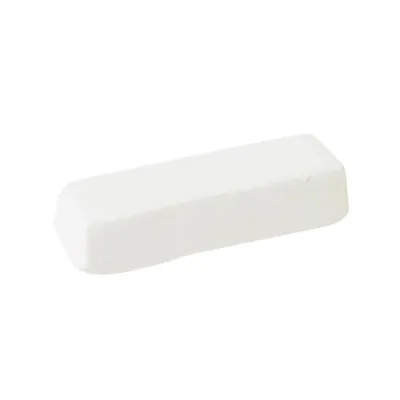
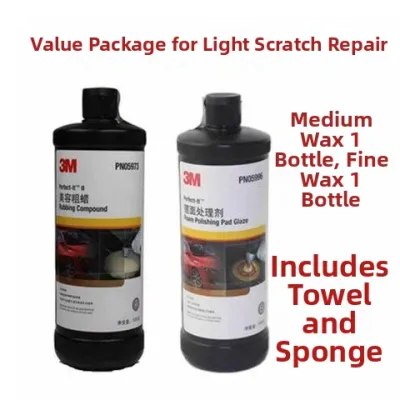
Prices are valid at publication and may change. Please refer to the product page for the latest price.
To understand how long these protective layers will last, you must carefully check the manufacturer’s specifications on the product label. Wax products generally list their expected lifespan in weeks or months, often requiring reapplication every two to three months to maintain optimal protection. Ceramic coatings, on the other hand, boast lifespans measured in years, with some DIY kits claiming one to two years of protection, and professional-grade coatings claiming even longer.
Local environmental factors play a massive role in how quickly these protective layers degrade. In Singapore, vehicles are constantly subjected to intense ultraviolet (UV) radiation, high humidity, and sudden, heavy tropical downpours. The high ambient temperatures and UV rays accelerate the oxidation of natural waxes, causing them to melt or evaporate within a matter of weeks. Acidic rain and road grime also strip wax layers quickly. When choosing a product, look for labels that explicitly mention high UV resistance and hydrophobic properties to ensure the formula can withstand these harsh local conditions.
Ultimately, the actual durability of either method depends heavily on the quality of surface preparation, the accuracy of the application process, and the specific chemical formulation of the product you choose. Even the most advanced ceramic coating will fail prematurely if applied to a dirty, contaminated surface.
Application Effort and Ongoing Maintenance
Applying a polishing wax bar requires a moderate amount of manual labor but is highly forgiving for beginners. The process involves spreading the wax evenly using an applicator pad, waiting for it to haze, and then buffing it off with a clean microfiber towel. The primary challenge is avoiding uneven application, which can leave streaks, or accidentally getting the wax on textured plastic trim, where it can dry into a stubborn white residue that is difficult to remove.

Ceramic coatings demand a far more rigorous and unforgiving application process. Because the coating forms a semi-permanent bond, any surface defects, such as swirl marks, light scratches, or embedded contaminants, will be locked beneath the glass-like layer. Therefore, the paint must undergo thorough decontamination—including clay bar treatment and iron removal—followed by meticulous paint correction (polishing) to ensure the surface is as flawless as possible. Additionally, the coating must be applied in a controlled, dust-free environment and allowed to cure undisturbed, away from moisture and rain, for at least 12 to 24 hours.
Ongoing maintenance is crucial for preserving the performance of both protective layers. For vehicles treated with a polishing wax bar, routine washing should be done using a mild, pH-neutral car shampoo that cleans without stripping the wax. Avoid automatic car washes with harsh nylon brushes, as they will quickly abrade the soft wax layer.
For ceramic-coated vehicles, maintenance is simplified but still requires care. While the hydrophobic surface makes washing much easier because dirt slides off, you must still use pH-neutral shampoos and avoid abrasive washing techniques to prevent swirling the coating itself. Many manufacturers recommend using dedicated silica-based maintenance sprays or ceramic boosters during the drying process to rejuvenate the hydrophobic properties and extend the coating’s lifespan.
Knowing when to stop a DIY application and seek professional detailing services is essential. If you do not have access to a covered, dust-free garage to protect a curing ceramic coating from Singapore’s sudden rainstorms, or if your vehicle’s paint requires extensive machine polishing that you do not feel comfortable performing, hiring a professional is the safest route. Professional detailers have the specialized tools, lighting, and climate-controlled environments necessary to apply high-solids coatings safely.
Cost Breakdown and Value Assessment
Evaluating the financial investment of these two methods requires looking beyond the initial purchase price of the product. For a polishing wax bar, the typical cost components are relatively low. A high-quality wax bar or paste wax generally costs between S$15 and S$50. When you add the cost of foam applicator pads (S$5 to S$10) and a pack of plush microfiber towels (S$10 to S$20), the total upfront DIY investment is highly affordable, usually staying well under S$100.
The cost components of a ceramic coating are significantly higher. A consumer-grade DIY ceramic coating kit typically ranges from S$50 to S$150. However, you must also factor in the cost of surface preparation chemicals, such as clay bars, iron removers, compounding polishes, and isopropyl alcohol panel wipes, which can add another S$50 to S$100 to your budget. If you choose to outsource the job to a professional detailing shop in Singapore, the cost can range from S$300 to well over S$1,000, depending on the size of your vehicle, the number of coating layers, and the amount of paint correction required.
To assess the true value, you can calculate the estimated cost per year based on the manufacturer’s stated durability and reapplication frequency. For example, if a S$30 polishing wax bar lasts three months, you will need to apply it four times a year. While the material cost per year is negligible, the investment of your personal time and physical labor is high. Conversely, a S$150 DIY ceramic coating kit that lasts two years averages out to S$75 per year, offering excellent long-term value if you are willing to perform the intensive initial prep work.
Before making a final financial decision, it is highly recommended to verify current pricing, package inclusions, and warranty terms directly with local automotive detailing shops or official brand stores. Many professional packages include annual maintenance inspections or top-up coatings that can significantly alter the long-term value proposition.
Decision Framework: Choosing the Right Protection
To select the paint protection method that best aligns with your lifestyle, budget, and vehicle usage, you can follow a simple set of conditional rules.
You should choose a polishing wax bar if you prefer a hands-on, lower-upfront-cost routine and genuinely enjoy spending time caring for your car on weekends. Wax is also the ideal choice if you want to quickly enhance the depth and gloss of your paintwork using physical fillers that temporarily mask minor swirl marks without the need for intensive machine polishing.
You should choose a ceramic coating if your primary goal is long-term chemical resistance, ease of routine washing, and superior hydrophobic properties that keep your car cleaner for longer. This option is best suited for those who are willing to invest either the significant personal effort required for strict DIY preparation and curing protocols, or the financial capital required for a professional application.
However, neither method may be appropriate if your vehicle’s paintwork is currently in poor condition. If the paint exhibits heavy defect removal needs, deep scratch correction, or extensive oxidation treatment, applying any form of protection over these issues will only lock them in or fail to bond correctly. In these cases, a thorough paint correction process must be completed before any wax or coating is applied.
Finally, always verify first if your vehicle’s warranty, specific paint type, or existing protective films have restrictions. For instance, matte or satin paint finishes require specialized matte-safe waxes or coatings that do not contain gloss-enhancing agents, as traditional products can permanently ruin the flat finish. Similarly, if your car has a paint protection film (PPF) installed, you must check with the film manufacturer to ensure that the solvents in a ceramic coating or the ingredients in a wax bar will not degrade the film’s self-healing top coat.
Frequently Asked Questions (FAQ)
Can I apply a polishing wax bar over a ceramic coating?
While it is physically possible to apply a polishing wax bar over a ceramic coating, it is generally not recommended. The wax layer will sit on top of the coating and mask its highly hydrophobic properties, replacing them with the less efficient water-beading characteristics of the wax. Additionally, dust and dirt may cling more easily to the wax than to the slick ceramic surface. If you want to boost the gloss or protection of your ceramic coating, check the coating manufacturer’s guidelines for approved silica-based top-ups or compatible maintenance sprays designed specifically for this purpose.
Does a polishing wax bar remove light scratches like a compound?
No, a polishing wax bar does not remove scratches in the way a dedicated compounding or polishing product does. Traditional waxes are non-abrasive; they work by filling in microscopic scratches and swirl marks with wax material to make them less visible to the naked eye. This is a temporary cosmetic fix, and the scratches will reappear once the wax degrades. If you want to permanently remove scratches, you must use an abrasive compound or polish that levels the surrounding clear coat. Always check the product label to verify if a wax contains mild abrasives or if it is purely a protective filler.
How do I know when it is time to reapply either protection?
The most reliable way to determine when your paint protection has degraded is by observing how water behaves on the surface. When a protective layer is fresh, water will bead up into tight, round droplets and easily sheet off the panels when the vehicle is in motion. As the protection wears away, water will begin to pool in flat, irregular patches, and the surface will lose its slick, smooth feel when touched with a clean microfiber towel. Rather than relying strictly on a fixed calendar date, use these visual and tactile cues alongside the manufacturer’s estimated timeline to decide when it is time for a reapplication.

Community discussion
Share your experience or ask a question. Comments are reviewed before publication.