
When you discover a fresh scratch on your car’s paintwork, finding the right solution depends entirely on understanding how different paint treatments interact with your vehicle’s clear coat. Polishing is the only method among polishing, waxing, and ceramic coating that actually removes scratches. Polishing achieves this by using microscopic abrasives to gently level the surrounding clear coat until it matches the depth of the scratch, restoring a perfectly flat surface that reflects light uniformly.
In contrast, waxing and ceramic coating are protective treatments rather than corrective ones. Wax is designed to temporarily fill in microscopic imperfections, acting as a cosmetic mask rather than a permanent cure. Ceramic coating functions as a semi-permanent, glass-like shield that seals the paintwork. If you apply a ceramic coating over existing scratches, you will simply lock those blemishes beneath an incredibly hard layer, making them much more difficult to correct later.
To determine if a scratch can be polished out at home or if it requires professional intervention, you can perform a simple diagnostic known as the fingernail test. Gently run your fingernail across the scratch. If your nail catches in the groove, the scratch has penetrated through the clear coat and into the base paint or primer. In such cases, polishing will not resolve the issue, and attempting to do so will only thin your clear coat dangerously. Deep scratches require touch-up paint or professional body shop repainting.
Products mentioned in this guide
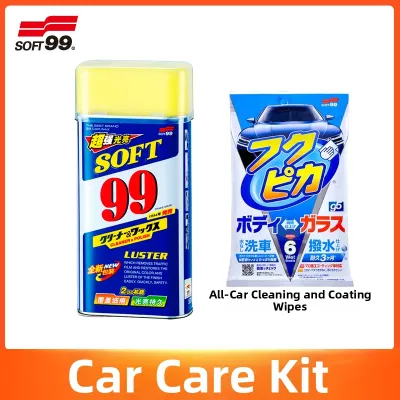
![[99.99% remove scratches] car scratch remover 120ml car polishing paste scratch remover car polishing paste scratch remover body polishing paste car paint scratch repair car 汽车划痕蜡](https://img.lazcdn.com/g/p/25ac26f6562508a6002827e2b9cc3d54.jpg_400x400q80.jpg_.webp)
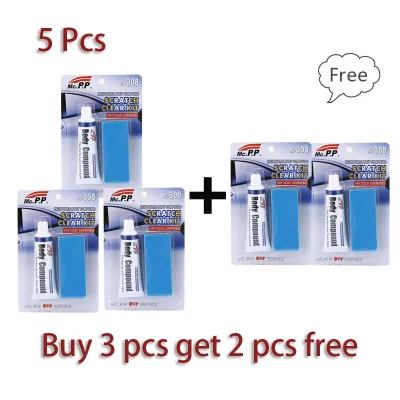
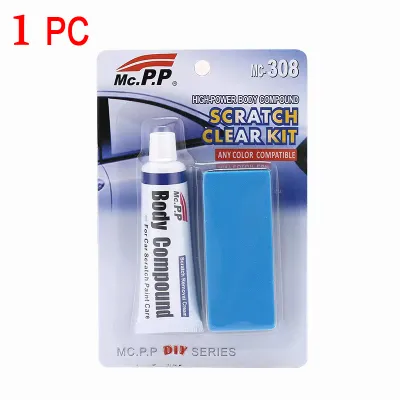
![[SG FREE ] Paint Surface Scratch Repair Pen Repair Tool Car Touch Up Pen](https://img.lazcdn.com/g/p/60f6b961471dbd71835f9e67b3f0b5e7.jpg_400x400q80.jpg_.webp)
Prices are valid at publication and may change. Please refer to the product page for the latest price.
Polishing: How the True Scratch Remover Works
To understand why polishing is the definitive scratch remover, it is necessary to examine how modern automotive paint is structured. Most modern vehicles feature a three-stage paint system consisting of a primer layer, a color coat (base coat), and a protective clear coat on top. The clear coat is a transparent layer of polyurethane or acrylic paint that shields the color underneath from UV damage, oxidation, and physical abrasion. It is within this clear coat that almost all light scratches, swirl marks, and cobwebbing occur.
Polishing works by using liquid compounds containing engineered abrasives. When applied with mechanical friction, these abrasives act like liquid sandpaper, shaving away a microscopic layer of the clear coat. By leveling the surrounding paint to the same depth as the bottom of the scratch, the physical groove is eliminated. Once the surface is perfectly flat, light reflects off the panel in a uniform direction, which removes the optical illusion of the scratch and restores a deep, mirror-like gloss.
The effectiveness of polishing is highly dependent on the severity of the paint defects. It is highly effective for removing light to moderate scratches, fine swirl marks caused by improper washing, water spot etching, and oxidation that has dulled the paint. For deeper defects, a two-step correction process is often required. This involves using a heavy cutting compound first to quickly level the paint, followed by a fine finishing polish to refine the surface and eliminate any haze left behind by the aggressive compounding step.
The application process for polishing requires meticulous preparation to avoid inflicting further damage. You must first thoroughly wash and dry the vehicle to remove loose dirt. Following this, chemical decontamination using an iron fallout remover and mechanical decontamination with a clay bar are necessary to pull embedded contaminants out of the paint pores. Once the surface is completely clean, you apply the polish using either a dual-action (DA) machine polisher or by hand with a microfiber applicator pad, working in small sections and wiping away the residue with a clean microfiber towel.
While polishing is highly effective, it is an irreversible subtractive process that carries inherent risks. Factory clear coats are remarkably thin, typically measuring between 30 to 50 microns—roughly the thickness of a post-it note. You can only safely remove a small fraction of this clear coat before risking permanent paint failure, which manifests as clear coat peeling or strike-through where the base paint is exposed. Because of this limitation, it is highly recommended to check paint thickness with a digital gauge before undertaking heavy polishing. If you are dealing with deep or extensive damage, or if you lack experience with machine polishers, consulting a professional detailer in Singapore is the safest course of action.
Waxing: Masking Minor Blemishes and Adding Protection
Car wax serves an entirely different purpose in automotive care, focusing on protection and cosmetic enhancement rather than paint correction. Unlike polish, car wax contains no abrasive particles and does not remove any paint. Instead, it is formulated from natural ingredients like carnauba wax or synthetic polymers designed to sit on top of the clear coat, filling in microscopic valleys, fine swirl marks, and pores to create a temporarily smooth surface.

Because wax fills rather than levels, its scratch removal capability is extremely limited. It can successfully mask very fine wash scratches and light spiderwebbing by altering how light refracts off the surface, making the paint look deeper and glossier. However, this is purely an optical illusion. The scratch remains physically present underneath the wax layer, and as soon as the wax begins to degrade, the blemishes will reappear.
The standard application of car wax is straightforward but requires a clean canvas. It should always be applied to a thoroughly washed, dried, and ideally decontaminated surface. Using a foam applicator pad, you apply a thin, even layer of wax over the paintwork in a circular or cross-hatch pattern. After allowing the wax to dry to a cloudy haze—a process that typically takes 5 to 10 minutes depending on ambient conditions—you buff it off using a clean, high-gsm microfiber towel to reveal a high-gloss shine.
The primary drawback of traditional car wax is its lack of durability, especially under challenging environmental conditions. In Singapore’s tropical climate, characterized by intense UV radiation, high humidity, and extreme surface temperatures on vehicles parked outdoors, natural carnauba wax degrades rapidly. The heat from the sun and the engine bay can melt and wash away natural waxes in as little as two to four weeks. Synthetic paint sealants offer slightly better resilience, but still require reapplication every two to three months to maintain their hydrophobic properties and protective barrier.
Ceramic Coating: Long-Term Prevention, Not Correction
Ceramic coating represents the pinnacle of modern paint protection, offering a semi-permanent solution that chemically bonds with your vehicle’s paintwork. Formulated primarily from silicon dioxide (SiO2) or silicon carbide (SiC), these liquid polymers cure to form an incredibly hard, glass-like layer over the clear coat. Unlike wax, which merely sits on top of the paint, a ceramic coating integrates with the clear coat at a molecular level.
It is crucial to understand that ceramic coatings do not remove scratches. They possess no corrective properties whatsoever. Instead, their primary function is long-term protection and prevention. Once cured, a high-quality ceramic coating creates a highly hydrophobic surface that repels water, road grime, bird droppings, acid rain, and industrial fallout. It also provides excellent UV protection to prevent paint fading and offers a sacrificial barrier that helps resist very light wash-induced marring and fine scratches.
The application process for a ceramic coating is highly demanding and leaves no room for error. Because the coating is optically clear and highly durable, any paint defects present on the surface will be locked beneath the glass layer. Therefore, a flawless paint correction process—involving compounding and polishing—is an absolute prerequisite. The vehicle must then be wiped down with an isopropyl alcohol (IPA) solution to remove all polishing oils, ensuring the coating can bond directly to the bare clear coat. The coating is then applied in small sections, allowed to flash, and carefully leveled and buffed.
Applying a ceramic coating requires a controlled environment free from dust, direct sunlight, and moisture, making DIY application highly challenging in Singapore’s humid and unpredictable weather. If the coating is applied incorrectly, it can cure unevenly, creating unsightly dark patches known as “high spots.” These high spots cannot simply be washed or wiped away; they must be mechanically polished off, which removes the coating entirely and requires you to start the process over. For these reasons, seeking professional application at a reputable detailing studio in Singapore is highly recommended to ensure proper curing and multi-year durability.
Polishing vs Waxing vs Ceramic Coating at a Glance
To help you evaluate these three distinct paint treatments, the table below compares their primary functions, capabilities, durability, and relative costs.
| Method | Primary Function | Scratch Removal Capability | Durability | Relative Cost |
|---|---|---|---|---|
| Polishing | Paint correction and defect removal | High (removes light to moderate clear coat scratches) | None (requires a protective top coat) | Moderate |
| Waxing | Short-term protection and gloss enhancement | None (only temporarily fills/masks micro-swirls) | Low (2 to 8 weeks depending on climate) | Low |
| Ceramic Coating | Long-term semi-permanent protection | None (prevents future scratches; locks in existing ones) | High (2 to 5 years with proper care) | High |
It is important to recognize that these three methods are not mutually exclusive; rather, they form a logical, sequential relationship in a comprehensive car care routine. A proper detailing workflow begins with polishing to correct the paint by removing scratches and swirl marks. Once the paint is restored to a flawless state, you then apply either a ceramic coating or a car wax to seal and protect that perfect finish. You should never apply ceramic coating over wax, as the wax will prevent the coating from bonding to the paint.
From a cost perspective, DIY polishing and waxing require a relatively low initial investment in terms of products and basic equipment. However, professional paint correction combined with ceramic coating represents a much higher upfront cost. Despite the higher initial expense, ceramic coatings often provide superior long-term value for drivers in Singapore. By eliminating the need for frequent waxing and making regular washing significantly easier, a ceramic coating saves considerable time and maintenance effort over its multi-year lifespan.
How to Choose the Right Paint Treatment for Your Car
Selecting the ideal treatment depends heavily on your vehicle’s current paint condition, your budget, and how much time you want to dedicate to ongoing maintenance. By evaluating your specific circumstances, you can make an informed decision that preserves both your car’s appearance and its resale value.
You should choose polishing if your car’s paintwork exhibits visible light scratches, swirl marks, water spots, or a dull, oxidized appearance. If your primary objective is to restore the original depth and clarity of the paint by physically removing these defects, polishing is the only appropriate action. Keep in mind that polishing must always be followed by a protective layer of wax or ceramic coating, as bare clear coat is highly vulnerable to environmental damage.
You should choose waxing if your vehicle’s paint is already in excellent condition or has just been polished, and you are looking for an affordable, short-term protective solution. Waxing is ideal for car enthusiasts who enjoy hands-on maintenance and do not mind dedicating time every few weeks to wash, wax, and buff their vehicles. It provides a warm, deep gloss that many traditionalists prefer, without the high upfront cost of semi-permanent coatings.
You should choose ceramic coating if you want the ultimate level of long-term protection and are willing to invest in professional paint correction and application. This option is highly suited for daily drivers in Singapore who park in open-air HDB car parks or are frequently exposed to harsh tropical sun, rain, and bird droppings. A ceramic coating is perfect for those who want to minimize washing effort, as its hydrophobic properties allow dirt and grime to rinse off easily, keeping the car cleaner for longer.
Before commencing any DIY paint correction or purchasing expensive products, always verify the depth of the scratches first. If a scratch is deep enough to catch your fingernail, or if you can see a different color underneath (such as grey primer or bare metal), stop immediately. Polishing will not resolve deep scratches and will only thin the surrounding clear coat unnecessarily. For severe damage of this nature, consult a professional paint touch-up specialist or a reputable automotive body shop in Singapore to discuss panel repainting or localized paint repair.
Frequently Asked Questions (FAQ)
Can I polish my car too many times?
Yes, you can absolutely over-polish your car. Because polishing is a subtractive process that physically removes a tiny layer of your clear coat, doing it too frequently will eventually wear the clear coat down to a dangerously thin level. Once the clear coat is compromised, the paint underneath will quickly fade, oxidize, and peel, requiring an expensive full-panel respray. To prevent this, limit aggressive machine polishing or compounding to once or twice over the lifetime of the vehicle, and rely on regular washing and protective coatings to minimize the need for future correction.
Does toothpaste work as a car scratch remover?
While toothpaste contains very mild abrasives that can sometimes reduce the visibility of extremely light, superficial scuffs, it is not a safe or effective substitute for dedicated automotive polish. Toothpaste is formulated for dental enamel, not automotive clear coats, and its abrasive particles are not uniform. Using it on your car can result in uneven abrasion, micro-marring, and a dull, hazy patch on your paintwork. Furthermore, toothpaste lacks the lubricating oils found in professional polishes that prevent friction damage. For safe and predictable results, always use a dedicated automotive scratch remover or fine polish designed specifically for clear coats.
Community discussion
Share your experience or ask a question. Comments are reviewed before publication.