
Choosing the right paint protection for your vehicle depends on your paint’s current condition, your budget, and how much time you want to spend on maintenance. Polishing is a corrective process that removes microscopic layers of clear coat to eliminate scratches and swirl marks, but it leaves no protection behind. Waxing and ceramic coating are protective layers applied after polishing to shield the paint from environmental damage. While car wax offers an affordable, short-term barrier that is easy to apply at home, ceramic coating provides a highly durable, semi-permanent shield that requires meticulous preparation and a higher upfront investment.
In a tropical climate like Singapore, where vehicles face intense UV radiation, high humidity, and sudden downpours, paint protection is not just about aesthetics. Acidic rain and industrial fallout can quickly etch into an unprotected clear coat, leading to premature oxidation and a dull finish. Understanding how these three methods interact allows you to preserve your car’s exterior value and choose a maintenance routine that fits your lifestyle.
Understanding the Core Difference: Paint Correction vs. Protection
Many car owners use the terms polishing and waxing interchangeably, which often leads to confusion and improper paint care. Polishing is fundamentally a corrective process rather than a protective one. It uses liquid compounds containing microscopic abrasives to gently level the top layer of your vehicle’s clear coat. By removing a tiny fraction of this clear coat, polishing flattens the edges of fine scratches, swirl marks, and oxidation, allowing light to reflect evenly and restoring a deep, glossy shine.
Products mentioned in this guide
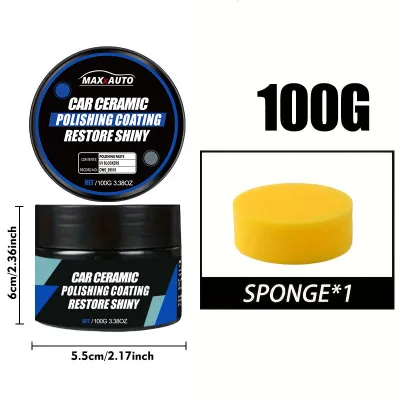
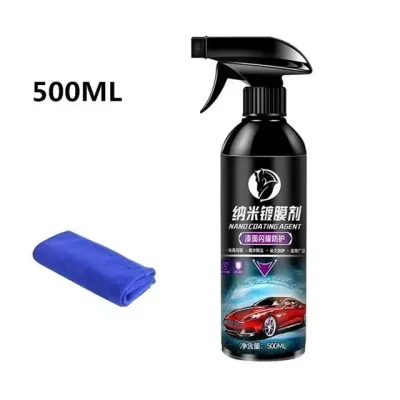
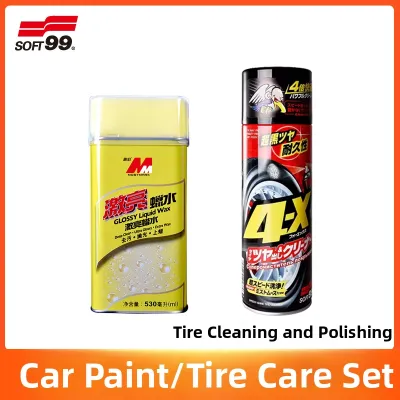
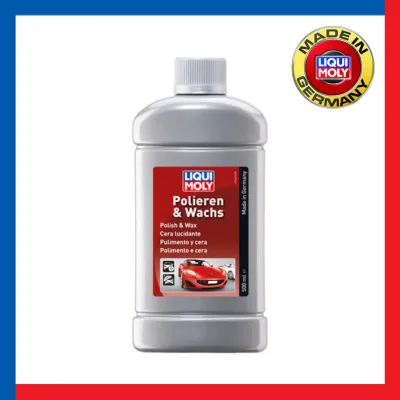
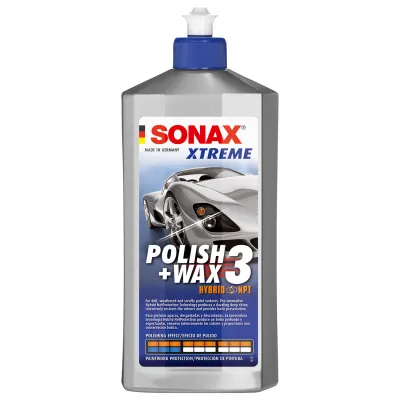
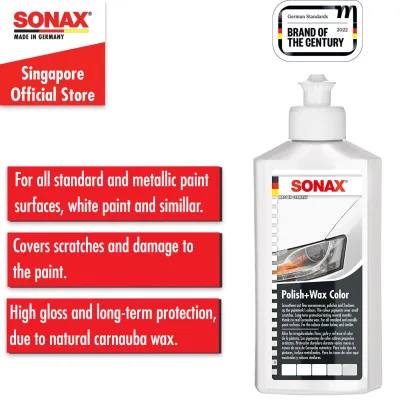
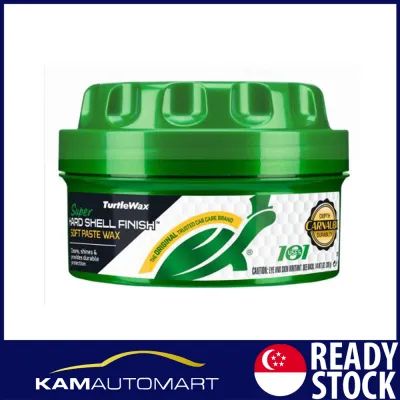
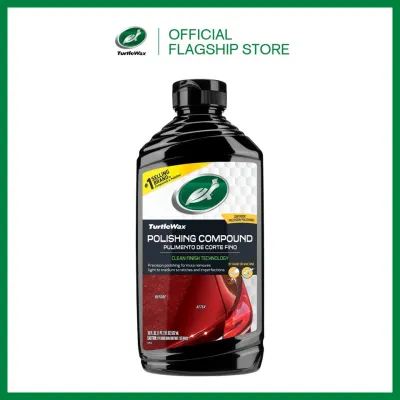
Prices are valid at publication and may change. Please refer to the product page for the latest price.
Because polishing is an abrasive leveling process, it leaves the freshly corrected paint completely bare and exposed to the elements. If you polish your car and do not apply a protective sealant, wax, or coating afterward, the paint will degrade rapidly under tropical sun and rain. Polishing must always be viewed as a preparation step, not a final finish.
This distinction becomes confusing when dealing with retail products labeled as “polishing wax” or “cleaner wax.” These hybrid products contain very mild chemical cleaners or light abrasives alongside a temporary wax base. While they can clean up light surface contamination and leave a brief shine in a single step, they do not offer the deep defect removal of a dedicated polish, nor do they provide the durable protection of a dedicated wax or sealant. For true paint correction, a multi-stage machine polish followed by a separate protective layer is necessary.
Car Wax: Accessible Protection and Easy Maintenance
Traditional car wax remains a popular choice for car owners who prefer a hands-on approach to vehicle maintenance. When selecting a wax, you will generally choose between natural carnauba products and synthetic polymer sealants. Natural carnauba wax, derived from Brazilian palm leaves, is prized by enthusiasts for its warm, deep, and wet-look shine. Synthetic sealants, often formulated from advanced polymers, are engineered to provide a more reflective, glassy finish and typically offer longer-lasting protection against heat and environmental contaminants.

The primary appeal of car wax is its accessibility. Applying a paste or liquid wax is a straightforward DIY task that requires minimal specialized equipment beyond clean microfiber towels and foam applicators. This ease of application, however, comes with a trade-off in durability. In hot and humid climates, a standard carnauba wax layer may only last a few weeks to a couple of months before breaking down under intense heat and frequent washing. Synthetic sealants generally last longer, but they still require regular reapplication throughout the year to maintain continuous protection.
To maximize the lifespan of your wax layer, routine maintenance must be performed with care. Washing your vehicle with harsh household detergents or cheap, high-pH car shampoos will quickly strip the wax away. Instead, use a pH-neutral car shampoo designed specifically for waxed surfaces. Additionally, avoid washing your car in direct sunlight, as dried soap suds and mineral-heavy tap water can create water spots that are difficult to remove without stripping the protective wax layer.
Ceramic Coating: Long-Term Durability and Professional Prep
Ceramic coatings represent a significant technological shift in paint protection, utilizing liquid polymers containing silicon dioxide (SiO2) or titanium dioxide. When applied to a vehicle’s paint, these compounds chemically bond with the clear coat to create a hard, hydrophobic barrier. This semi-permanent layer repels water, dirt, and chemical contaminants, making the vehicle much easier to clean and providing robust protection against environmental etching.
However, the semi-permanent nature of ceramic coatings makes preparation absolutely critical. Because the coating cures into a transparent, glass-like layer, it will lock in any underlying paint defects. Any swirl marks, scratches, water spots, or oxidation left on the paint will be sealed beneath the coating and remain visible. Consequently, a thorough multi-stage paint correction is almost always required before application to ensure the paint is as flawless as possible.
Applying a ceramic coating also demands strict environmental control. The application area must be free of dust, wind, and direct sunlight, with controlled temperature and humidity levels to allow the coating to flash and cure properly. If moisture contacts the coating before it has fully cured, the chemical bond can fail, leading to premature degradation or unsightly high spots that require machine polishing to correct. Because of these demanding conditions, many car owners choose to have coatings applied by professional detailers in dedicated, dust-free booths.
When opting for a professional ceramic coating service, it is vital to verify the installer’s credentials and understand the terms of any warranty offered. Many professional-grade coatings require annual inspections or specific maintenance washes to keep their warranties valid. You must also use designated, low-pH or pH-neutral maintenance shampoos that do not contain gloss enhancers or waxes, as these additives can clog the coating’s microscopic pores and temporarily diminish its hydrophobic properties.
Comparing Protection Levels, Effort, and Relative Costs
To help you evaluate these options, it is useful to compare them across key practical dimensions. The table below outlines how polishing, waxing, and ceramic coating differ in application difficulty, durability, and relative cost.
| Method | Primary Purpose | Application Difficulty | Durability Category | Relative Cost Tier |
|---|---|---|---|---|
| Polishing | Paint Correction (Defect Removal) | Moderate to High (Requires machine experience) | None (Must be sealed afterward) | Moderate (Labor-intensive) |
| Car Wax / Sealant | Short-Term Paint Protection | Low (Highly DIY-friendly) | Short-Term (1 to 6 months) | Low (Affordable materials) |
| Ceramic Coating | Long-Term Paint Protection | High (Requires precise prep & environment) | Long-Term (Multi-year) | High (Significant upfront cost) |
While the upfront cost of car wax is low, the hidden cost lies in the labor and time required for frequent reapplication. Over several years, the cumulative effort of washing, prepping, and rewaxing your car every few months can be substantial. Conversely, while a ceramic coating carries a high initial price tag—especially when factoring in the mandatory professional paint correction prep—it significantly reduces the weekly washing effort and eliminates the need for frequent waxing over its lifespan.
To determine when your chosen protective layer has degraded and needs renewal, you can perform simple visual and tactile checks. Observe how water behaves on the paint surface during a wash or rainstorm. If water beads tightly and rolls off easily, the protection is active; if water pools in large, flat sheets, the protective layer has worn away. You can also perform a tactile check by gently sliding a clean microfiber cloth across the dry paint. A protected surface will feel slick and smooth, whereas a degraded surface will feel rough or drag against the cloth, indicating that environmental contaminants have bonded to the bare clear coat.
How to Decide: A Step-by-Step Selection Guide
Selecting the right method requires balancing your vehicle’s current condition with your personal maintenance preferences and budget. Use the following scenarios to guide your decision.
Choose Wax if…
You are budget-conscious and prefer to manage your vehicle’s maintenance yourself. Waxing is an excellent choice if you enjoy spending a weekend morning detailing your car and do not mind repeating the process every few months. It is also highly suitable for older daily drivers where achieving a flawless, show-car finish is not a priority, or where the paint already has minor imperfections that you prefer to mask temporarily with a wax rather than paying for extensive paint correction.
Choose Ceramic Coating if…
You own a new vehicle or have recently invested in professional paint correction, and you want to preserve that pristine finish for years to come. This option is ideal if you prefer a low-maintenance routine, as the hydrophobic surface allows dirt and grime to wash away with minimal effort. While the initial investment is higher, the long-term durability and superior chemical resistance make it a practical choice for owners who plan to keep their vehicles for several years and want to maintain maximum resale value.
Verify First if…
You are dealing with severe paint oxidation, deep scratches, or are unsure about the remaining thickness of your vehicle’s clear coat. Before attempting any aggressive polishing or applying a ceramic coating, you must verify the paint’s condition. Using a digital paint depth gauge is highly recommended to ensure there is sufficient clear coat remaining to safely polish. If you are considering a DIY ceramic coating kit but have no prior experience with paint correction, consult a professional detailer first, as improper application can result in permanent high spots that are difficult to correct without professional equipment.
Frequently Asked Questions (FAQ)
Can I Apply Wax Over a Ceramic Coating?
While you can physically apply wax over a ceramic coating, it is generally not recommended. Ceramic coatings are engineered with highly hydrophobic properties that repel water, dirt, and oils. Applying a traditional wax over the top will cover the coating, replacing its advanced hydrophobic behavior with the less efficient water-beading characteristics of the wax. Furthermore, the wax may struggle to bond properly to the slick ceramic surface, resulting in a patchy appearance and a waste of product. If you want to boost your coating’s shine and protection, use a dedicated ceramic maintenance spray or silica-based topcoat designed specifically for that purpose.
Does Polishing Remove the Clear Coat?
Yes, polishing removes a very thin, microscopic layer of your vehicle’s clear coat to level out surface defects. Because a modern factory clear coat is extremely thin—often comparable to the thickness of a post-it note—aggressive or frequent machine polishing can eventually thin the clear coat to a dangerous level. Once the clear coat is completely worn through, the underlying base paint will be exposed to rapid oxidation and peeling, which can only be repaired by a costly repaint. To prevent this, always use the least aggressive polish and pad combination necessary to achieve the desired results, and verify the paint thickness with a gauge before performing deep correction.

Community discussion
Share your experience or ask a question. Comments are reviewed before publication.