
To manage water spots on your car, you must distinguish between correction and protection. Polishing is the only reliable method to physically remove etched water spots by leveling the clear coat. Conversely, waxing and ceramic coatings do not remove existing spots; instead, they act as preventive barriers that repel water to stop new mineral deposits from bonding to the paint.
In tropical climates with intense sun and sudden downpours, water spots can transition from superficial deposits to deep clear coat etching within days. Choosing the right approach depends entirely on whether you are dealing with active paint damage or trying to safeguard a pristine finish. Often, a complete detailing routine requires combining these methods in a specific sequence to achieve a flawless, protected surface.
Diagnosing Water Spot Severity on Car Paint
Before purchasing any product, you must determine the depth of the mineral deposits on your vehicle’s paint. Water spots generally fall into two categories: Stage I (surface-level) and Stage II (etched). Stage I spots are simple mineral crusts left behind when water evaporates, leaving calcium and magnesium deposits sitting on top of the clear coat. Stage II spots occur when those minerals chemically react with the paint and physically eat into the clear coat, often accelerated by heat and sunlight.
Products mentioned in this guide
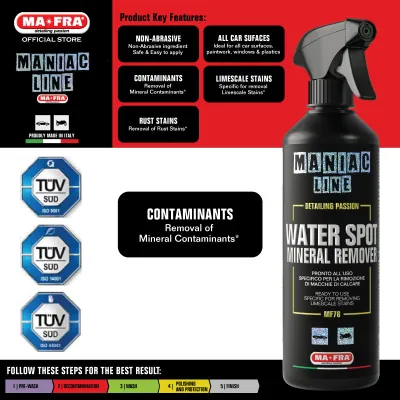
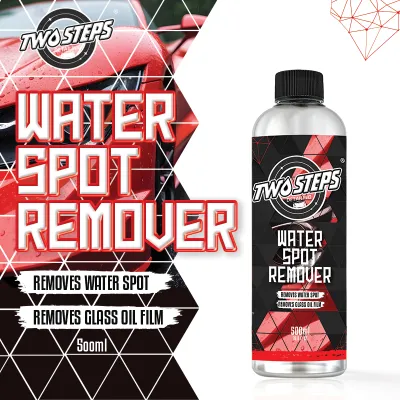
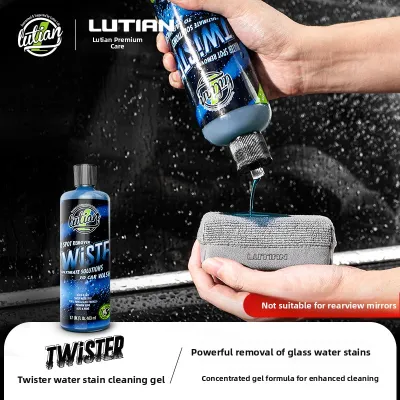
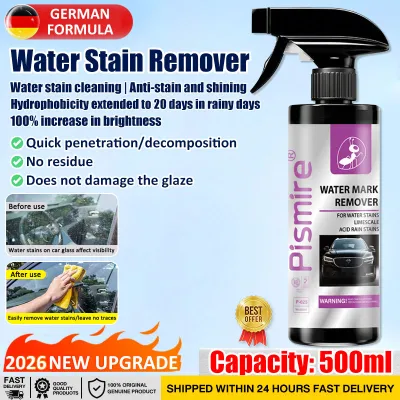
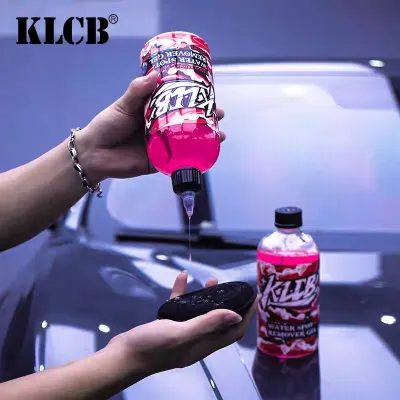
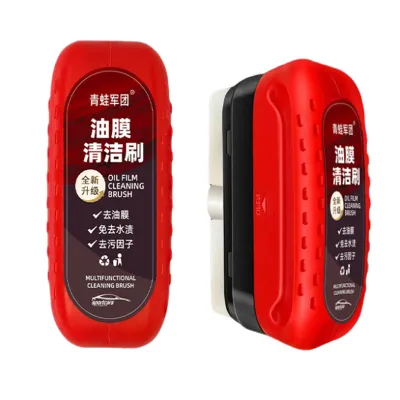
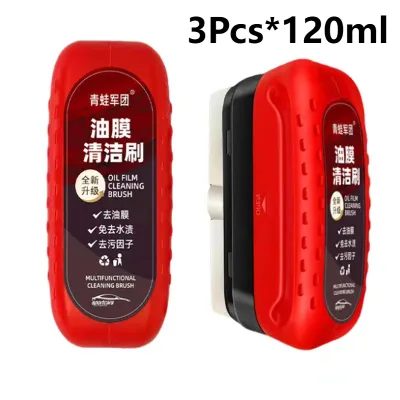
Prices are valid at publication and may change. Please refer to the product page for the latest price.
To diagnose the severity, start with a thorough wash and dry of the vehicle in a shaded area. Run a clean, dry fingertip gently over the affected area. If you can feel a raised, rough texture, the minerals are likely still resting on the surface. If the paint feels completely smooth but you can still see the outline of the spot under direct lighting, the minerals have etched into the clear coat, creating microscopic craters.
For surface-level Stage I deposits, a dedicated chemical water spot remover car product is often the safest first step. These specialized, mild acid-based liquid cleaners dissolve the alkaline mineral bonds without requiring abrasive friction. However, if the spots have progressed to Stage II etching, chemical cleaners will not restore the paint because the damage is now a physical depression in the clear coat.
When inspecting your paint, always exercise caution to avoid damaging the clear coat. Modern factory clear coats are remarkably thin, often measuring only about 35 to 50 microns. If you are unsure of the damage depth, avoid aggressive scrubbing or immediate heavy compounding. Instead, start with the least invasive method—such as a chemical wash—before moving to mechanical correction, and consider using a digital paint depth gauge to verify how much clear coat is available.
Polishing as a Water Spot Remover and Corrector
Polishing is a mechanical correction process that uses abrasive compounds and rotating pads to gently shave away a microscopic layer of the clear coat. By leveling the surrounding paint to the same depth as the bottom of the etched water spot, polishing eliminates the visual crater and restores a perfectly flat, reflective surface. This makes polishing the only true “remover” for physical paint etching.

The process relies on a carefully matched combination of machine polishers, foam or microfiber pads, and liquid abrasives. Coarser compounds and cutting pads are used for deep, stubborn etching, while fine finishing polishes and soft pads refine the gloss. Because this process physically removes paint material, it must be executed with precision, keeping the machine moving constantly to prevent heat buildup that could burn through the clear coat.
Polishing is a mandatory preparation step before applying any long-term protective layer like wax or ceramic coating. If you attempt to apply a sealant over etched paint, the protective layer will simply conform to the uneven craters, locking in the visual defects and preventing the protection from bonding uniformly. Polishing ensures the paint is chemically clean, smooth, and ready to receive a protective bond.
Despite its effectiveness, polishing has strict physical limitations. Because a vehicle’s clear coat is finite, you cannot polish the paint indefinitely without eventually wearing it down to the base coat. If water spots have etched deeply into the paint, attempting to polish them out completely may compromise the clear coat’s UV protection. In such cases, a professional detailer should assess the paint thickness to determine if a multi-stage correction is safe or if some deep etching must be left intact to preserve paint integrity.
Comparing Wax and Ceramic Coating for Water Spot Prevention
Once the paint is free of mineral deposits and etching, the focus shifts entirely to prevention. Both car wax and ceramic coatings prevent water spots by altering the surface tension of the paint, making it highly hydrophobic. This hydrophobic behavior causes water to bead up into tight droplets that easily slide off the vehicle, carrying dissolved minerals away before they can dry and bond to the surface.
Car Wax for Hydrophobic Protection
Traditional car wax, whether formulated from natural carnauba or synthetic polymers, acts as a physical, sacrificial barrier over the clear coat. When applied, the wax fills the microscopic pores and valleys of the paint, creating a smooth surface that resists water adhesion. Because it sits on top of the paint rather than bonding chemically, it serves as a temporary shield that absorbs environmental abuse instead of your clear coat.
However, car wax requires frequent maintenance and reapplication to remain effective, especially in harsh tropical environments. High ambient temperatures, intense UV exposure, and frequent heavy downpours rapidly degrade the wax layer. Depending on whether your car is parked in a sheltered multi-storey car park or exposed to the elements daily, a traditional wax may only last anywhere from a few weeks to three months before requiring a fresh application.
Furthermore, wax has limited resistance to harsh chemicals and high heat. Acidic rain, bird droppings, and alkaline car wash soaps can easily strip the wax layer, leaving the underlying paint vulnerable to rapid water spotting. While wax provides an accessible, high-gloss finish, it offers the weakest defense against severe mineral deposits and requires constant vigilance to maintain its protective qualities.
Ceramic Coating for Long-Term Water Repellency
Ceramic coatings represent a significant technological leap in water spot prevention, utilizing silicon dioxide (SiO2) or silicon carbide (SiC) formulations. Unlike wax, which sits loosely on the surface, a ceramic coating chemically bonds with the clear coat on a molecular level. This creates a semi-permanent, glass-like layer that is significantly harder, more durable, and highly resistant to environmental contaminants.
The primary advantage of a ceramic coating is its extreme hydrophobicity, often producing water contact angles exceeding 110 degrees. This causes water to bead and roll off the surface with minimal wind or movement. Additionally, ceramic coatings are highly resistant to chemical degradation, meaning they will not wash away when exposed to acidic rain, road grime, or strong automotive detergents, providing continuous protection for years rather than months.
However, the performance of a ceramic coating is entirely dependent on meticulous surface preparation. Because the coating is semi-permanent and optically clear, any remaining water spots, dust, or oils will be locked beneath the cured layer. Applying a ceramic coating requires a thorough wash, chemical decontamination, clay bar treatment, and at least a single-stage polish to ensure the paint is completely bare and flawless before application.
It is also important to note that ceramic coatings are not entirely self-maintaining. While they repel water exceptionally well, standing water left to dry on a hot ceramic-coated surface can still leave mineral deposits. To prevent these minerals from bonding to the coating itself, you must perform regular maintenance washes using pH-neutral shampoos and periodically apply silica-based maintenance sprays to rejuvenate the coating’s hydrophobic properties.
Decision Framework: Choosing the Right Water Spot Solution
Selecting the right approach to manage water spots requires evaluating your paint’s current condition, your budget, and your commitment to vehicle maintenance. Use the following framework to guide your decision:
- Choose Polishing First If: Your vehicle already has visible water spot outlines that remain after a thorough wash and do not dissolve with a chemical water spot remover. Polishing is the necessary corrective step to level the clear coat and restore gloss before any protective layer can be applied. Always verify that your clear coat has sufficient thickness before proceeding with mechanical polishing.
- Choose Car Wax If: You prefer an affordable, user-friendly DIY application that does not require specialized equipment or extensive paint preparation. Wax is ideal for car owners who enjoy detailing their vehicles regularly and have access to sheltered parking, such as a multi-storey garage, which shields the sacrificial wax layer from rapid environmental degradation.
- Choose Ceramic Coating If: You want the highest level of chemical resistance, long-term durability, and are willing to invest the time or money into professional-grade surface preparation. Ceramic coating is highly recommended for vehicles parked outdoors, exposed to frequent tropical rain, or for owners who want to minimize the frequency of reapplication while maintaining maximum hydrophobic protection.
Before undertaking any paint correction or coating application, always consult your vehicle’s manual or a professional detailer if you suspect the clear coat is thin or damaged. Testing any chemical water spot remover car product on an inconspicuous area first ensures compatibility with your paint type and prevents accidental staining or dulling of the finish.
Frequently Asked Questions (FAQ)
Can I apply wax or ceramic coating directly over existing water spots?
No, you should never apply wax or ceramic coating directly over existing water spots. Doing so will trap the mineral deposits beneath the protective layer, sealing them against the clear coat. Over time, these trapped minerals can continue to etch into the paint, causing permanent damage that is much harder to correct. Additionally, the presence of minerals prevents the wax or ceramic coating from bonding properly to the paint, leading to premature failure of the protective layer. Always wash, chemically decontaminate, and polish the surface to ensure it is completely clean before applying protection.
Will a ceramic coating make my car completely immune to water spots?
No, a ceramic coating does not make your car completely immune to water spots. While the extreme hydrophobicity of a ceramic coating causes most water to bead and roll off, flat surfaces like the hood, roof, and trunk can still hold standing water. If mineral-heavy water evaporates on these flat panels under hot sun, water spots will still form. However, the coating prevents these minerals from etching directly into the clear coat. Regular washing and using coating-safe maintenance sprays are essential to keep the hydrophobic layer active and prevent spots from bonding.
Is it safe to use household vinegar as a water spot remover for cars?
While household vinegar (diluted acetic acid) can dissolve mild mineral deposits, it is not recommended as a primary water spot remover for modern automotive paint. Vinegar is unbuffered and can dry out or dull the clear coat if left on the surface too long. It can also degrade rubber seals, plastic trim, and existing wax layers. It is much safer to use a pH-balanced, automotive-specific water spot remover car product. These formulas are specifically engineered with lubricants and buffered acids to safely dissolve minerals without harming delicate automotive surfaces. Always test any product on an inconspicuous area first.

Community discussion
Share your experience or ask a question. Comments are reviewed before publication.