
When dealing with unsightly water spots on your vehicle’s paintwork, choosing the right treatment depends entirely on whether you need to remove existing damage or prevent future mineral buildup. Polishing is the only method among the three that physically removes existing water spots from your car’s clear coat. Waxing and ceramic coatings do not have abrasive properties and cannot remove spots; instead, they serve strictly as preventative measures to protect the paint after it has been cleared. To restore a flawless finish, you must follow a mandatory two-step logic: first, use a dedicated polish or specialized chemical water spot remover to eliminate the deposits, and second, apply a wax or ceramic coating to seal the surface against future contamination. Understanding how to select and sequence these Chemical Guys product types ensures you do not accidentally seal in the very defects you want to eliminate.
Understanding Water Spots: Surface Deposits vs Clear Coat Etching
Water spots are more than just dried droplets; they are mineral deposits left behind when water evaporates from your vehicle’s surface. In Singapore’s tropical climate, high humidity combined with sudden rain showers and intense sunlight can rapidly bake these minerals into the paintwork. To address them effectively, you must first diagnose the severity of the spots on your clear coat, as this determines whether standard polishing is sufficient or if professional paint correction is required.
Detailers classify water spots into two primary categories based on how deeply they have affected the paint. Type I water spots are surface mineral deposits. These occur when hard water, rainwater, or sprinkler overspray evaporates, leaving behind calcium and magnesium compounds on top of the clear coat. These spots feel slightly raised or rough to the touch but have not yet damaged the underlying paint. They can often be resolved with a specialized chemical water spot remover or a light finishing polish.
Products mentioned in this guide
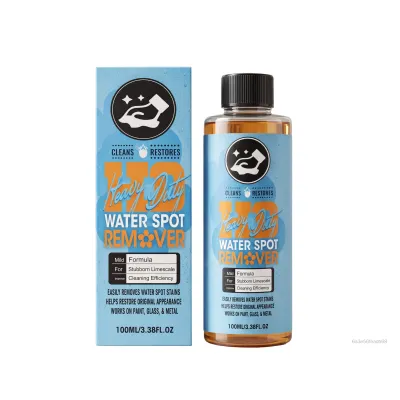
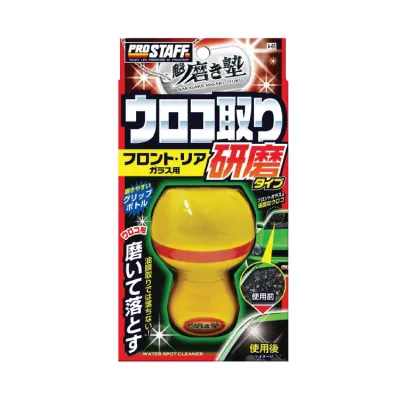
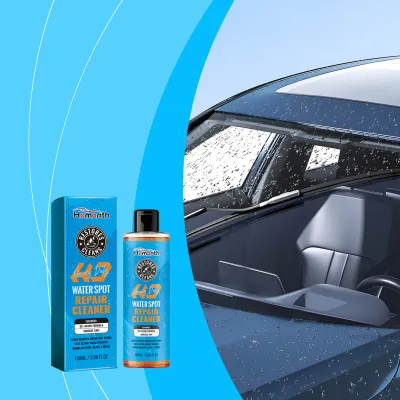
![[SG] Car Water Stain Remover/ Car Water Mark Water Spot Remover/ Glass Oil Film Cleaning Agent](https://img.lazcdn.com/g/p/6df04f56fd333c4a1d8c269e25fadd2a.jpg_400x400q80.jpg_.webp)
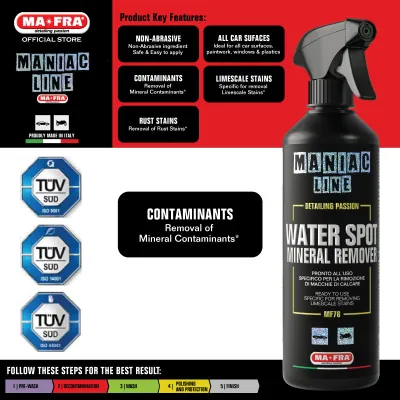
Prices are valid at publication and may change. Please refer to the product page for the latest price.
Type II water spots represent a more severe condition where the minerals have etched into the clear coat. This happens when acidic rain or mineral-heavy water sits on the warm paint under direct sunlight, causing a chemical reaction that eats away at the clear coat. These spots appear as shallow craters or depressions in the paint. Because the clear coat itself has been physically damaged, chemical cleaners alone cannot resolve Type II spots; they require mechanical leveling through polishing or compounding.
To identify the depth and texture of the spots, perform a visual and tactile inspection. Wash and dry the vehicle thoroughly, then run your clean fingertips or a plastic bag over the affected areas. If you feel distinct ridges, you are likely dealing with Type I deposits. If the surface feels relatively smooth but you can see ring-like etchings under direct, concentrated light, the minerals have likely etched into the clear coat.
Always observe the safety boundary when inspecting your paintwork. If the water spots feel exceptionally deep, rough, or if you notice signs that the clear coat is thinning, peeling, or cracking, stop immediately. Attempting to polish compromised paint can lead to permanent clear coat failure. In such cases, consult a qualified professional detailer to assess the paint thickness with a digital gauge before proceeding with any abrasive correction.
Polishing: The Only Method That Removes Existing Water Spots
Polishing is the mandatory first step for removing water spots because it physically corrects the surface of your vehicle. Many car owners mistakenly believe that applying a fresh coat of wax or a ceramic coating will hide or dissolve water spots. In reality, these protective products are designed to bond to the surface and seal it. Applying them over water spots will only trap the mineral deposits and etching beneath a durable protective layer, making them significantly harder to remove later and dulling the paint’s overall gloss.

Polishing compounds and finishes work by using micro-abrasives to physically level the clear coat surrounding the etched water spots. By gently removing a microscopic layer of the clear coat, polishing erases the shallow craters caused by Type II etching and shears away stubborn Type I mineral deposits that washing could not dislodge. This process restores a perfectly flat, smooth surface that allows light to reflect evenly, producing a high-gloss finish.
When selecting a polishing product, always follow the detailing rule of starting with the least aggressive method first. Chemical Guys offers a range of compounds and polishes designed for different levels of paint defect severity. For light water spots or fine etching, a finishing polish paired with a soft foam polishing pad is often sufficient. If the spots are deep or widespread, you may need to step up to a more aggressive cutting compound and a firmer cutting pad. Always verify that the selected polish or chemical remover is authorized by the manufacturer for use on your specific paint type, clear coat, or aftermarket wrap, and test it on an inconspicuous area first. Avoid over-polishing, as clear coats are thin and can be worn through with excessive compounding.
To verify that the water spots have been fully removed, you must clean the polished panel thoroughly. Use a dedicated isopropyl alcohol (IPA) wipe or a paint prep spray to remove any leftover polishing oils, fillers, or residue. Inspect the panel under a bright, direct LED detailing light or natural sunlight from multiple angles. If any faint rings or craters remain, you may need to perform another controlled pass with the polish before moving on to the protection phase.
Waxing vs Ceramic Coating: Preventing Future Water Spots
Once the paint is free of water spots, the next step is prevention. Both waxes and ceramic coatings protect the paint by creating a hydrophobic barrier, but they differ significantly in durability, application effort, and how they handle water-beading. Hydrophobic properties cause water to bead up into tight droplets and roll off the surface easily, reducing the amount of standing water that can dry and leave mineral deposits behind.
Carnauba waxes and synthetic sealants offer a traditional, user-friendly method of protection. Waxes provide a warm, deep wet-look shine and are highly accessible for DIY enthusiasts. They are easy to apply by hand or machine and require minimal surface preparation beyond a clean paint surface. However, wax offers relatively short-term protection, typically lasting from a few weeks to a few months depending on weather exposure and washing habits. In hot, humid climates, waxes can degrade more quickly, requiring frequent reapplication to maintain their protective qualities.
Ceramic coatings, on the other hand, utilize silicon dioxide (SiO2) technology to form a semi-permanent, glass-like layer over the clear coat. This layer is significantly harder and more durable than wax, often providing protection that lasts for a year or more. Ceramic coatings offer superior hydrophobic behavior, causing water to slide off the panels with minimal resistance. However, they require meticulous surface preparation, including thorough decontamination and polishing, as any remaining defects will be locked under the coating. The application process also requires careful attention to flashing times and leveling to avoid high spots.
Maintaining these protective layers is essential to sustain their water-beading effects and prevent new spots from forming. For waxed vehicles, this means regular washing with a pH-neutral car shampoo and applying a spray wax or quick detailer after washes to boost the protective layer. For ceramic-coated vehicles, you must use specialized ceramic maintenance shampoos and occasional SiO2-based booster sprays to prevent the coating from becoming clogged with road grime or environmental fallout, which can degrade its hydrophobic performance.
Building Your Chemical Guys Water Spot Routine
Creating an effective routine requires a clear, conditional decision framework based on your vehicle’s current paint condition, your budget, and the amount of time you can dedicate to maintenance. Chemical Guys provides a comprehensive ecosystem of products that fit into each stage of this process, allowing you to customize your approach.
You should choose polishing compounds and polishes if your vehicle currently has visible, existing water spots, swirl marks, or etching. If the paint surface is not smooth and free of defects, skipping this step will yield poor results. For mild mineral deposits that have not etched the paint, you might also consider a specialized chemical water spot remover as a pre-treatment before deciding if mechanical polishing is necessary.
You should choose ceramic coatings or ceramic-infused sealants if you want long-term, durable prevention and are willing to invest the necessary time and effort into proper surface preparation. This option is ideal for car owners who want maximum protection against harsh tropical rain and intense sun, and who prefer less frequent reapplication cycles.
You should choose traditional waxes or synthetic sealants if you prefer a quick, budget-friendly prevention method and do not mind performing regular maintenance. This is a great choice for enthusiasts who enjoy detailing their cars on weekends and want an easy-to-apply product that delivers an immediate, high-gloss shine without the strict preparation requirements of a ceramic coating.
Regardless of the products you choose, you must follow a mandatory execution sequence to achieve professional results and avoid damaging your paintwork:
- Wash: Clean the vehicle thoroughly using a high-quality, pH-neutral car wash soap to remove loose dirt and road grime.
- Decontaminate: Use a clay bar along with a clay lubricant to pull embedded contaminants out of the clear coat, ensuring a completely smooth surface.
- Polish: Use the appropriate Chemical Guys compound or polish to physically level the clear coat and remove all water spots and etching. Wipe down with a prep spray to verify the results.
- Protect: Apply your chosen wax, sealant, or ceramic coating to seal the corrected paint and establish a hydrophobic barrier against future water spots.
Frequently Asked Questions (FAQ)
Can I apply wax or ceramic coating directly over water spots?
No, you should never apply wax or a ceramic coating directly over existing water spots. Doing so will trap the mineral deposits and etching beneath the protective layer, sealing them onto your clear coat. This not only locks in the unsightly visual defects and reduces the paint’s gloss, but it also makes future removal significantly more difficult, as you will have to polish through the durable protective coating just to reach the trapped water spots. Always ensure the paint is completely clean, decontaminated, and polished before applying any protectant.
Will a clay bar remove water spots before polishing?
A clay bar is designed to remove bonded surface contaminants such as industrial fallout, brake dust, and tree sap, but it will not remove etched water spots. While a clay bar can sometimes shear off the very top of fresh, raised Type I mineral deposits, it cannot level the clear coat to eliminate Type II etched craters. However, using a clay bar is a necessary preparation step before polishing; it ensures the paint is perfectly smooth so that your polishing pad does not pick up loose debris and drag it across the paint, which would cause additional scratches and swirls.

Community discussion
Share your experience or ask a question. Comments are reviewed before publication.